Havana
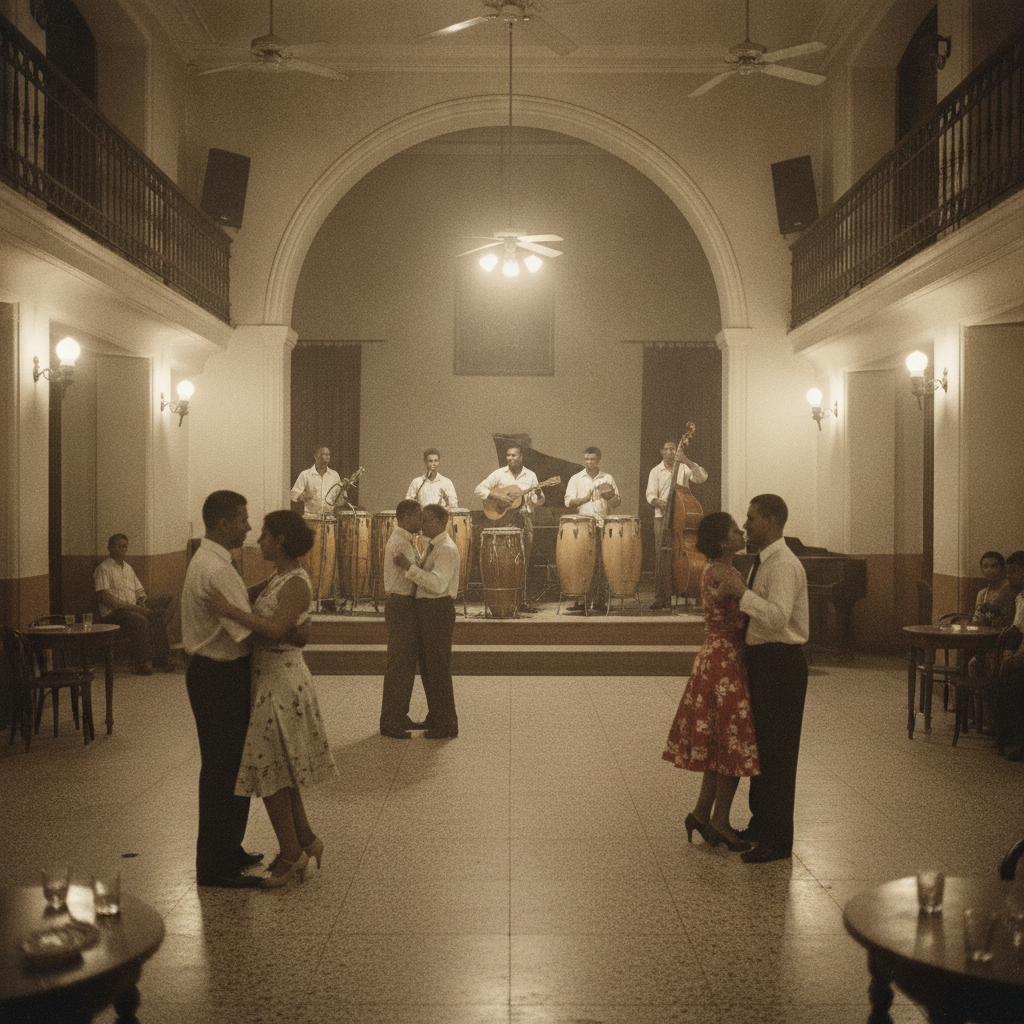
Son Cubano, Salsa & Havana's Living Music Culture
Havana (the city that gave the world the son cubano, the mambo, the cha-cha-chá, the bolero, and the danzonete — the most extraordinarily rich popular music tradition of any city in the Americas): the music of Havana (the living music culture of a city where the street corners have salsa bands, the bars have trova singers, the grand hotels have mambo orchestras, and the Casa de la Música venues have the most vibrant salsa dance scene in the world) is the most powerful cultural export of Cuba.
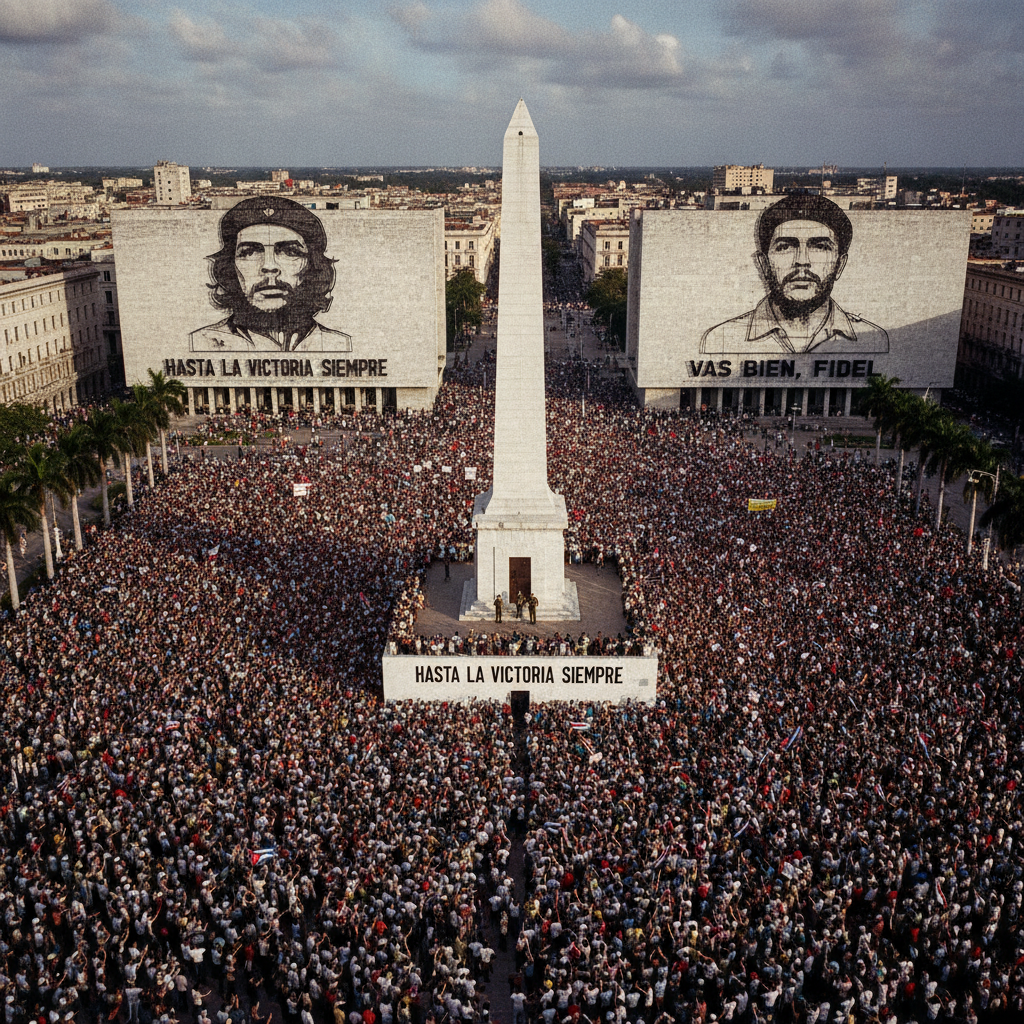
Vedado, Plaza de la Revolución & 20th-Century Havana
Vedado (the upscale 20th-century district west of La Habana Vieja — the district of the Hotel Nacional, the Art Deco apartment buildings, the Universidad de La Habana, and the Coppelia ice cream park) and the Plaza de la Revolución (the enormous civic square with the Che Guevara mural and the José Martí memorial) represent the 20th-century face of Havana, from the opulence of the pre-Revolutionary period to the revolutionary iconography of the post-1959 period.
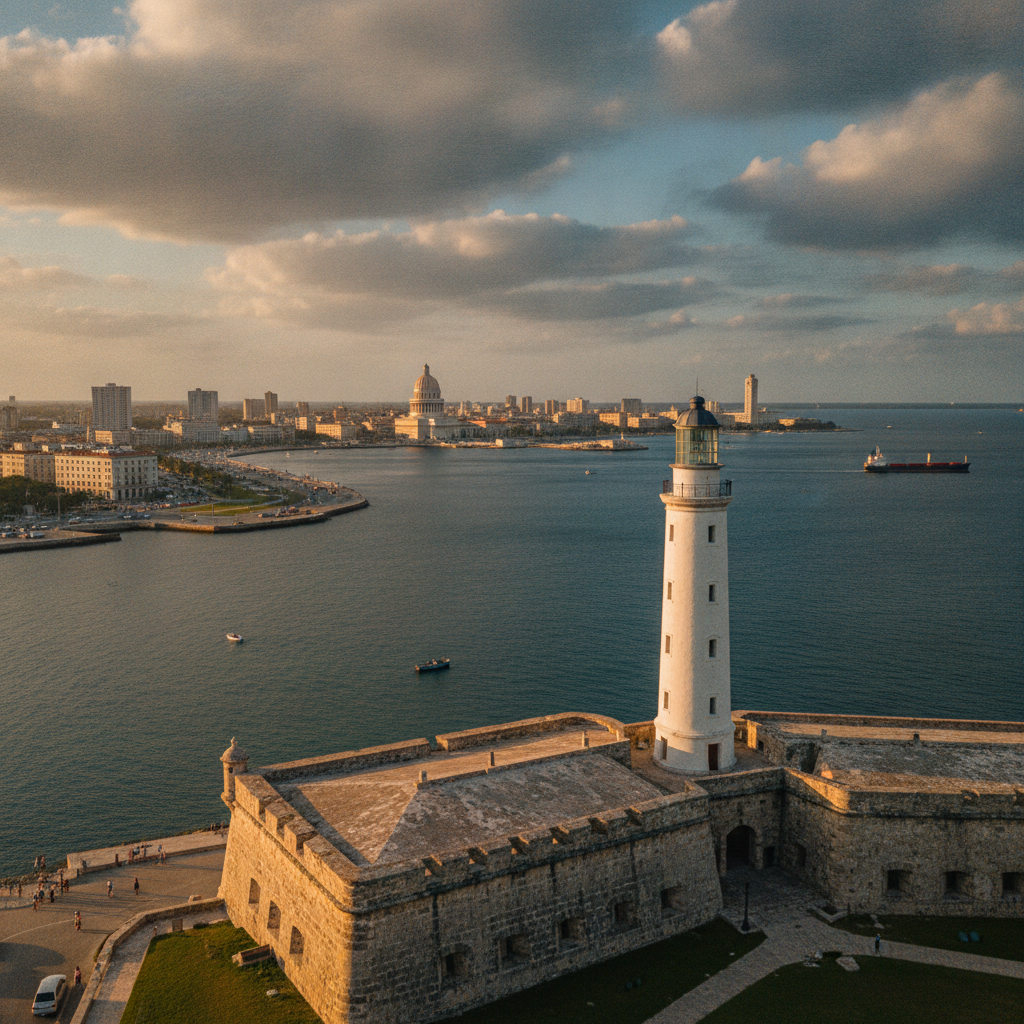
El Morro Fortress, Havana Harbour & The Bay
The Castillo de los Tres Reyes del Morro ('El Morro' — the 16th-17th century Spanish colonial fortress on the eastern headland of Havana harbour, the most photographed landmark in Cuba) and the adjoining Fortaleza de San Carlos de la Cabaña (the 18th-century fortress — the largest Spanish colonial fortress in the Americas) together guard the entrance to the Havana Bay, offering the finest panoramic views of Havana and the ritual of the 'Cañonazo' (the nightly 9 PM cannon firing).
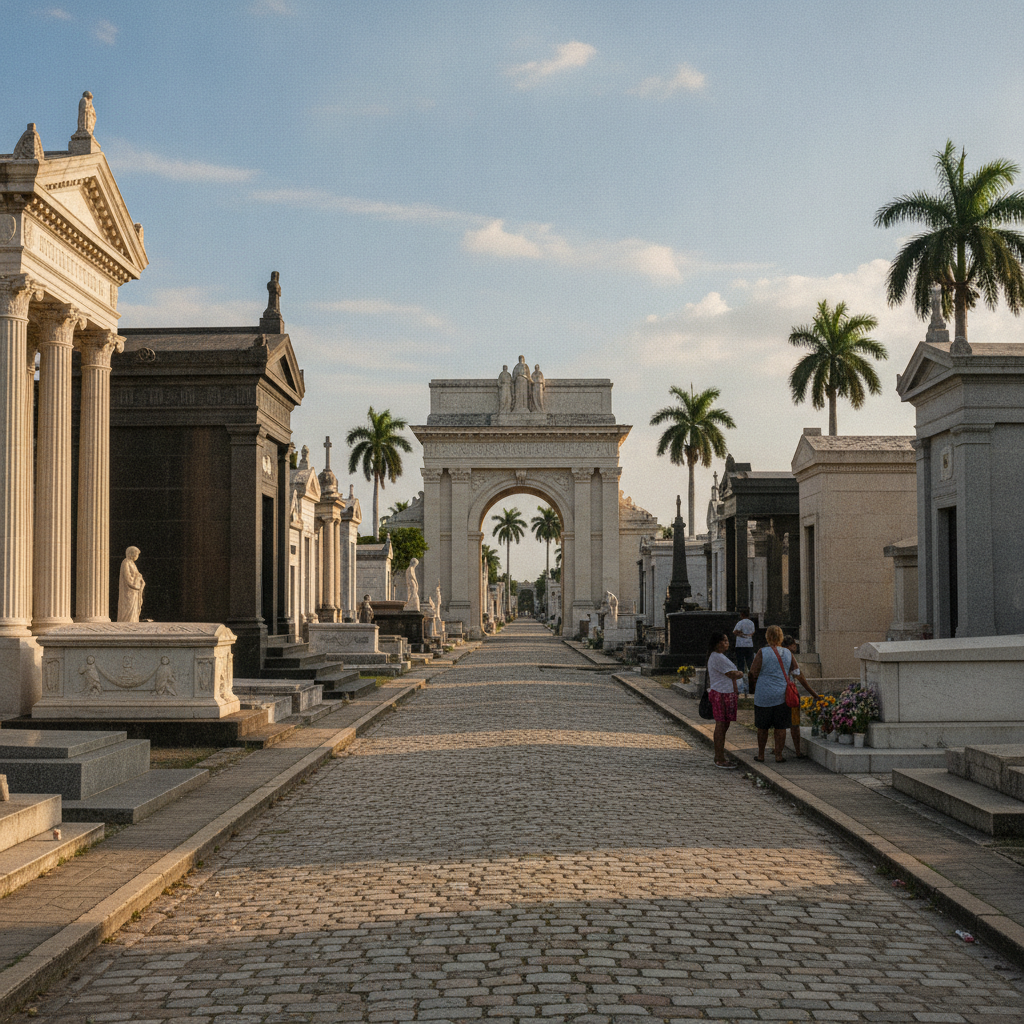
Cementerio de Colón — Havana's City of the Dead
The Cementerio de Cristóbal Colón (the 'Christopher Columbus Cemetery' — the vast neoclassical cemetery in the Vedado district of Havana, covering 57 hectares (141 acres) with over 800,000 burial sites) is one of the most remarkable necropoli in the Americas — a city of the dead with the most extraordinary collection of funerary architecture in the Caribbean, from neoclassical mausoleums to Art Deco tombs to modernist memorials.
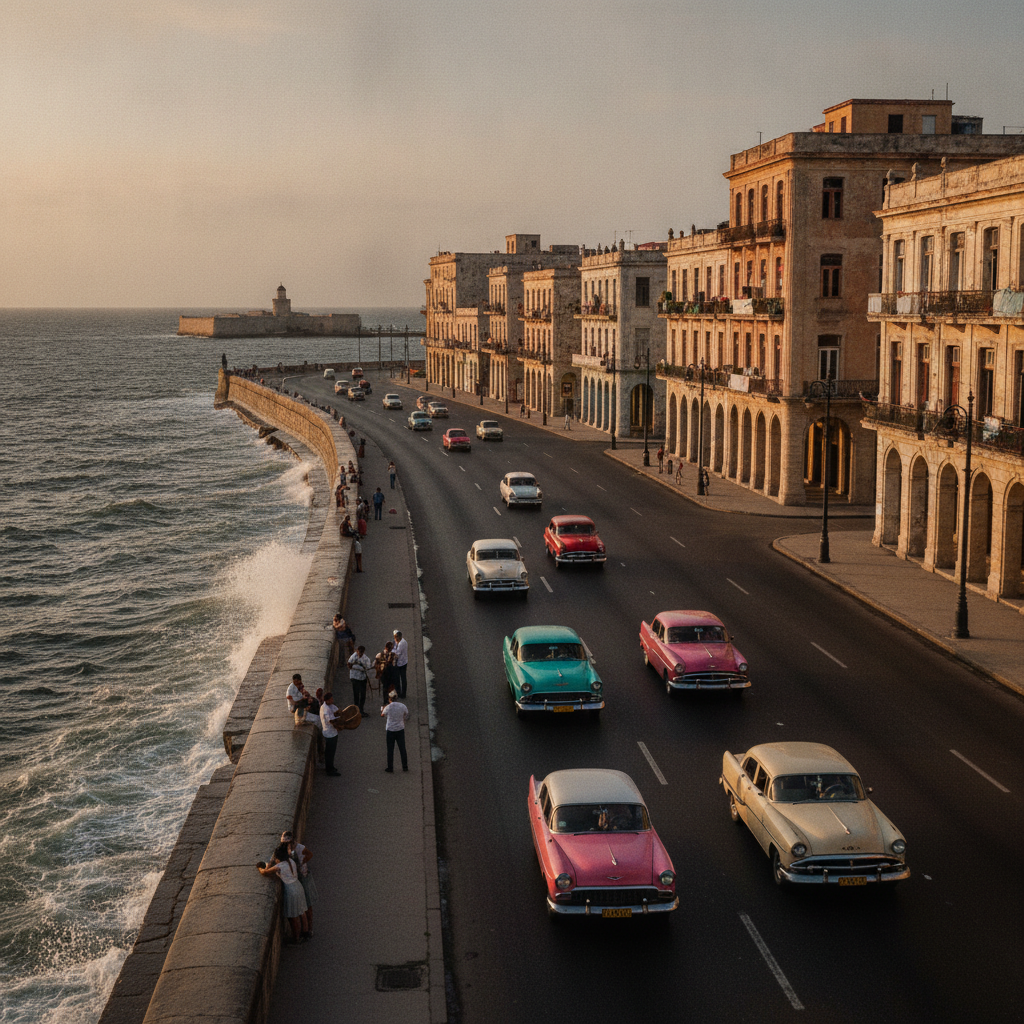
Habana Vieja, the Malecón & Havana's Classic Cars
Havana (La Habana — the capital of Cuba, population approximately 2.1 million in the city and 2.7 million in the metropolitan area, at the northwestern tip of Cuba on the Straits of Florida): the UNESCO World Heritage Site of Old Havana (La Habana Vieja — the historic colonial core of Havana, designated a UNESCO World Heritage Site in 1982 as one of the best-preserved colonial cities in the Americas) and the Malecón (the 8-kilometre seafront esplanade — the most famous public space in Cuba) are the heart of Havana's identity.
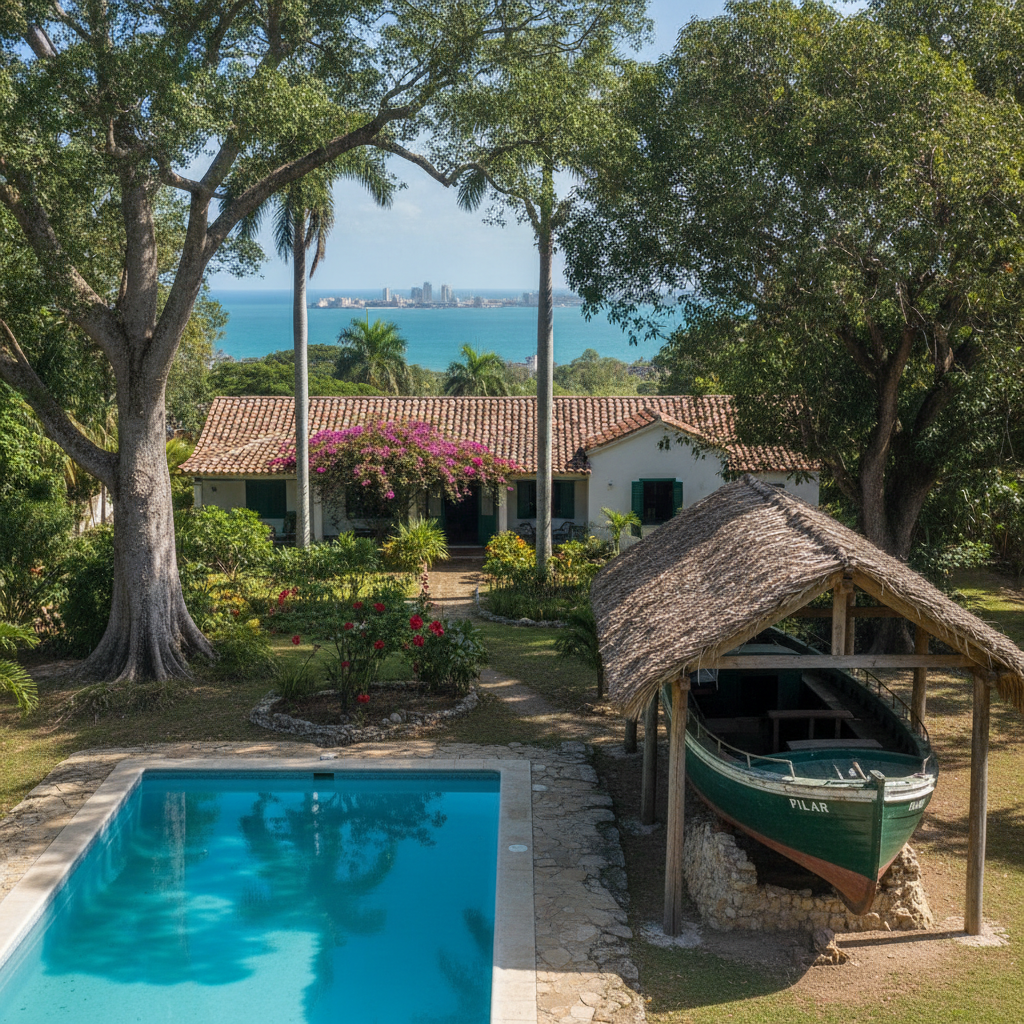
Hemingway's Havana — Finca Vigía, Cojímar & The Old Man and the Sea
Ernest Hemingway (1899-1961) lived in Cuba for 22 years (1939-1960), longer than he lived anywhere else in the world — the years in which he wrote 'For Whom the Bell Tolls' (1940), 'Across the River and Into the Trees' (1950), and 'The Old Man and the Sea' (1952) — the novella that won the Pulitzer Prize for Fiction (1953) and that was cited when Hemingway received the Nobel Prize for Literature (1954). The Finca Vigía (his home in San Francisco de Paula, 15 km from Havana) and the fishing village of Cojímar (the model for the village in 'The Old Man and the Sea') are among the most powerfully literary sites in the Americas.
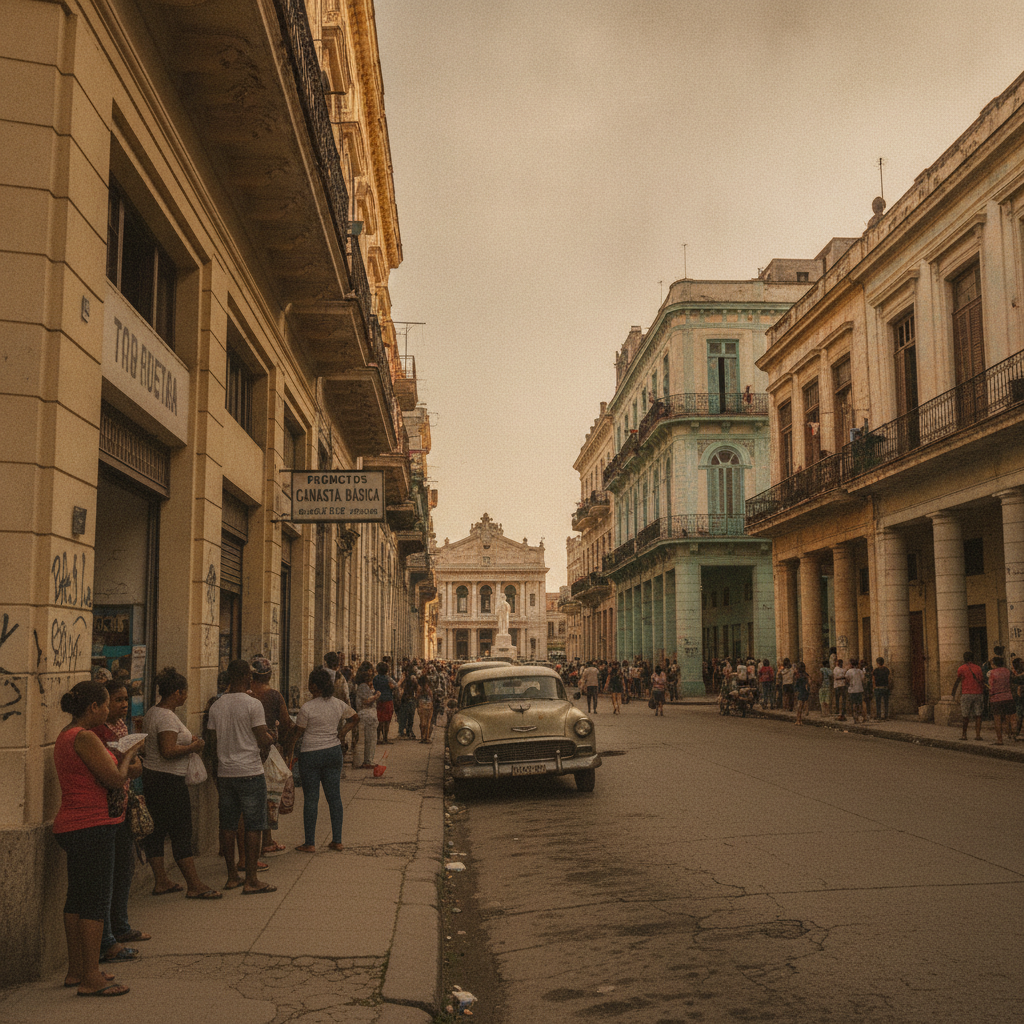
Centro Habana, Barrio Chino & Life Between the Monuments
Centro Habana (the central district of Havana between La Habana Vieja and Vedado — the most densely populated district of the city, the neighbourhood of the ordinary Havanans, with the Barrio Chino (the Chinatown — the largest Chinatown in Latin America in the mid-20th century, now reduced to a few Chinese restaurants and cultural institutions), the Callejón de Hamel (the Afro-Cuban cultural alley), and the Paseo del Prado (the tree-lined boulevard modelled on Las Ramblas in Barcelona)) is the most authentic and least touristy face of contemporary Havana.
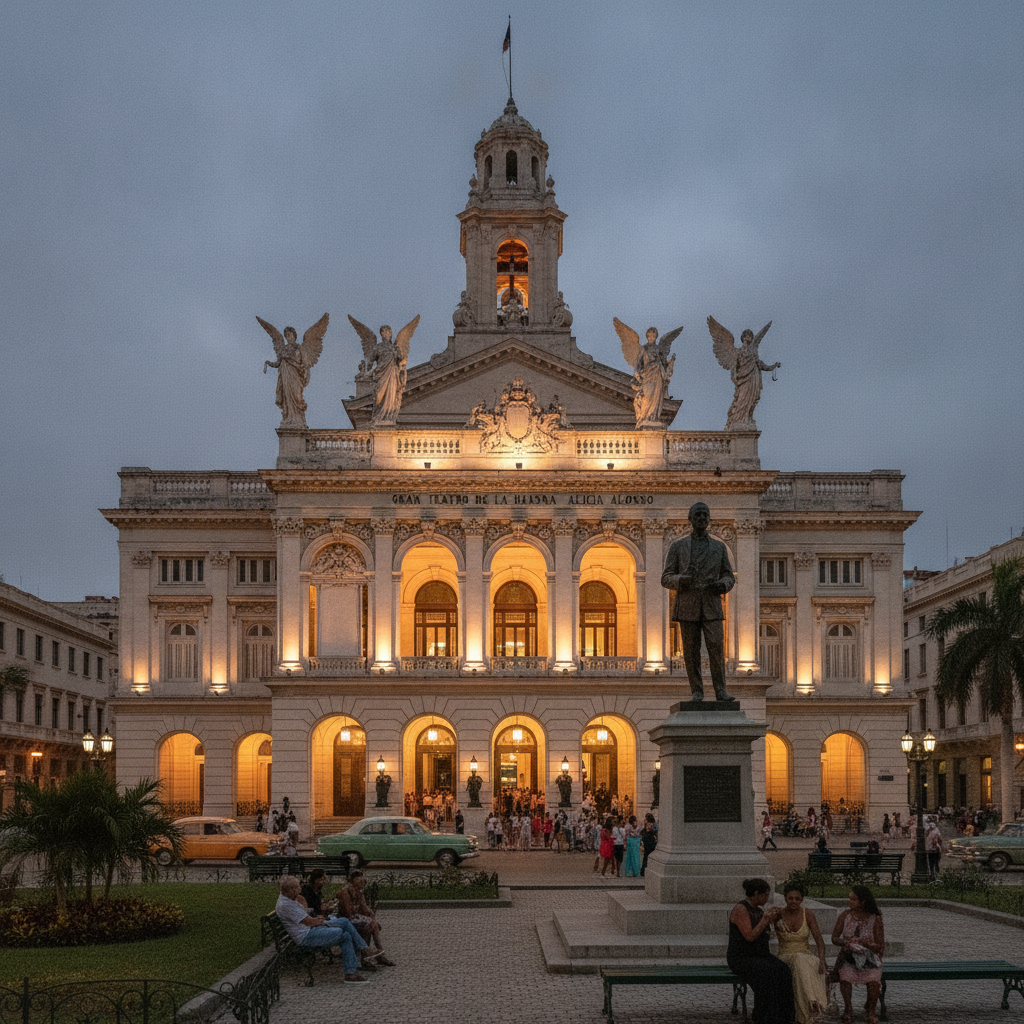
Gran Teatro, Ballet Nacional & Havana's Performing Arts Scene
The Gran Teatro de La Habana Alicia Alonso (the 1915 neo-baroque theatre on the Parque Central — the most beautiful theatre building in Latin America) and the Ballet Nacional de Cuba (the national ballet company founded in 1948 by the legendary Cuban ballerina Alicia Alonso (1920-2019), who continued to direct the company until her death at 98 years of age — despite having been nearly blind since 1941 — and who produced some of the finest dancers in the history of classical ballet) are the supreme achievements of Cuban high culture.
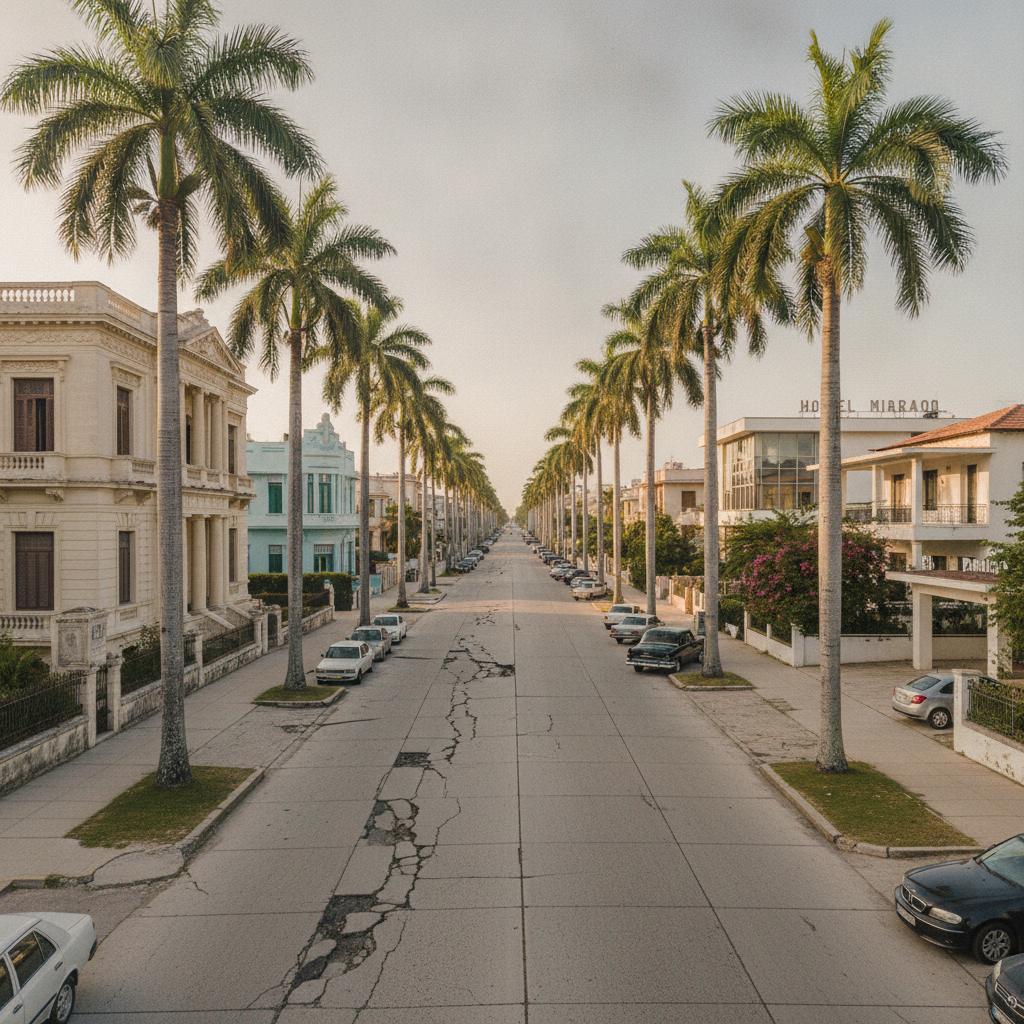
Miramar, Cuban Modernism & Havana's Diplomatic Quarter
Miramar (the upscale residential district west of Vedado, across the tunnel under the mouth of the Havana harbour — the district of the embassies, the luxury hotels, the finest restaurants, the Marina Hemingway, and the most opulent of the pre-Revolutionary mansions of the Cuban upper class) is the most architecturally diverse district of Havana, with examples of every architectural style from the Beaux-Arts of the 1910s to the 1950s Modernism of the pre-Revolutionary building boom.