Osaka
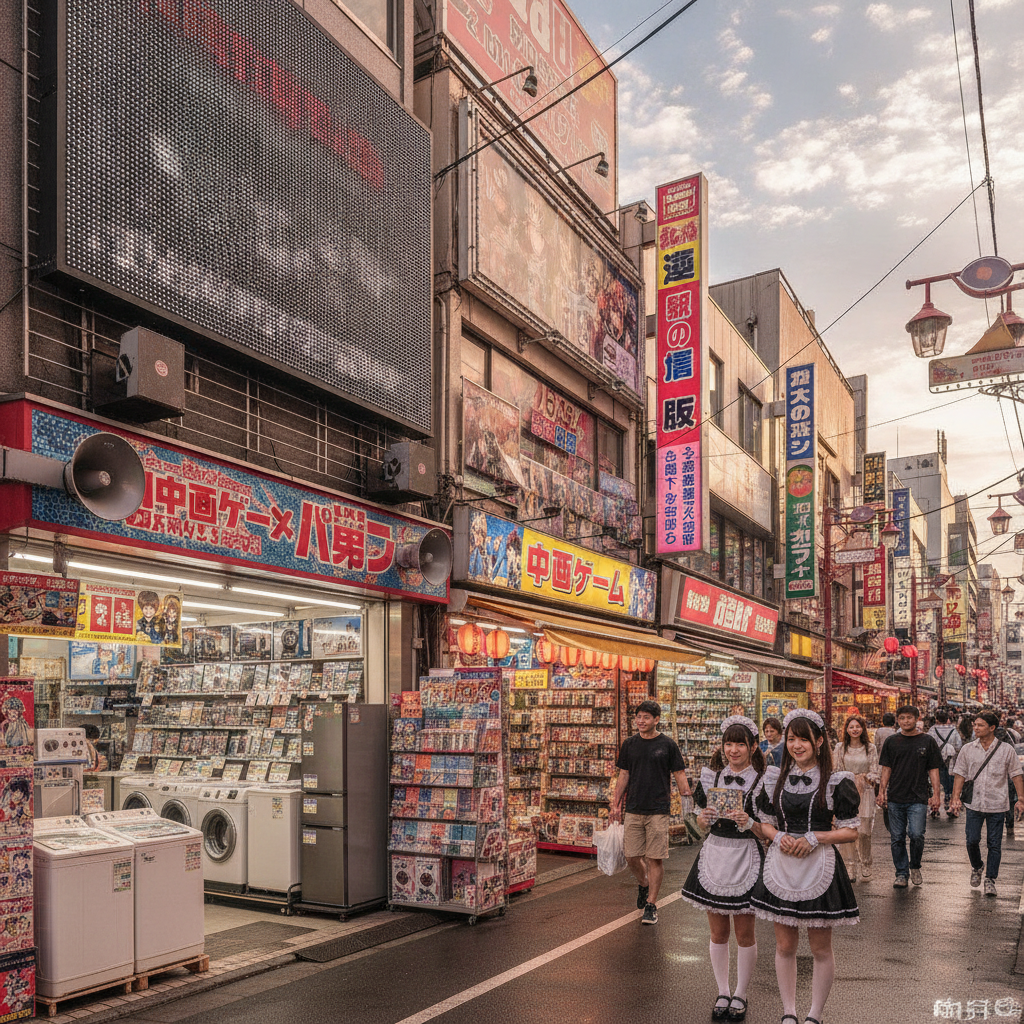
Den-Den Town, Namba & Osaka's Retail Landscape
Den-Den Town (でんでんタウン — the electronics, manga, and anime goods district in the Nipponbashi area of southern Osaka, the Osaka equivalent of Tokyo's Akihabara): the Nipponbashi-Denden Town area (the shopping street of Nipponbashi in the Namba area, approximately 600 metres long) is the largest concentration of electronics retailers, manga/anime merchandise shops, vintage game stores, and maid cafes in western Japan — less crowded and less touristified than the Tokyo Akihabara, making it the preferred destination for serious manga/anime collectors.
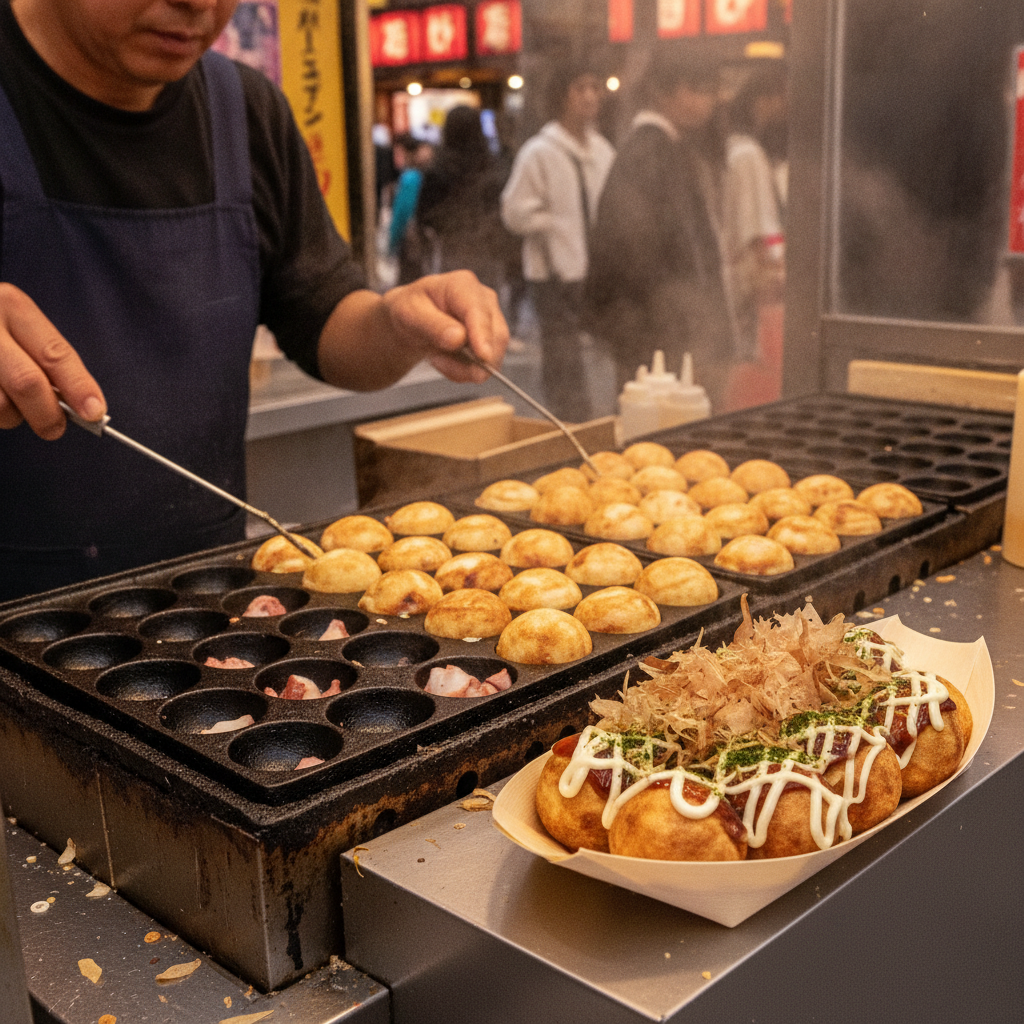
Osaka Food Deep Dive — Takoyaki, Ramen & the B-Gourmet Trail
Osaka's food culture (the deepest and most enthusiastic street food culture in Japan, centered on the concept of B-gourmet (B級グルメ — the celebration of affordable, unpretentious local food as the highest form of culinary passion)) is best explored through the city's defining dishes: takoyaki, okonomiyaki, kushikatsu, and the izakaya culture of the Osaka backstreets.
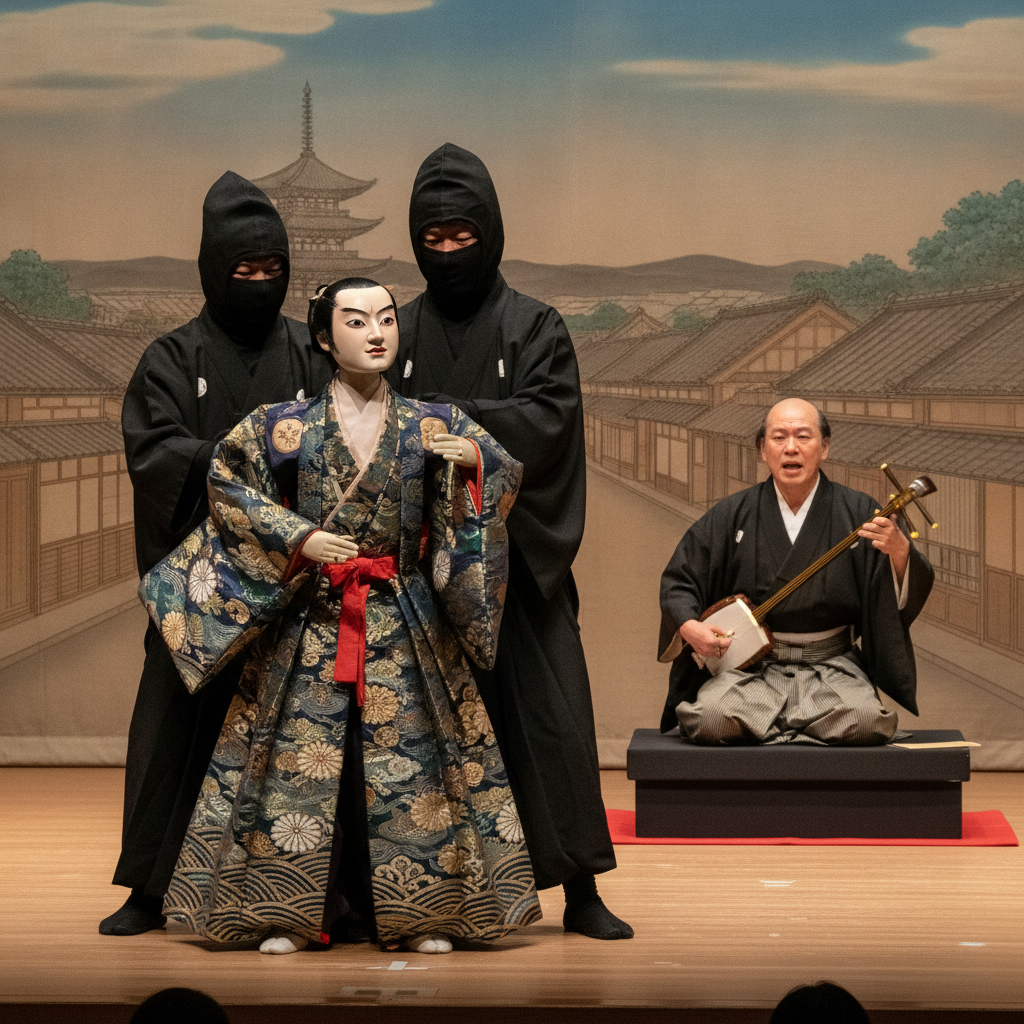
Bunraku, Kabuki & the Traditional Performing Arts of Osaka
Bunraku (文楽 — the traditional Japanese puppet theatre of Osaka, recognized by UNESCO as an Intangible Cultural Heritage of Humanity in 2003 — the most sophisticated puppet theatre tradition in the world): bunraku puppets (each approximately 1.2-1.5 metres tall, operated by three puppeteers (the omozukai (main operator), hidarizukai (left hand operator), and ashizukai (foot operator)) working in full view of the audience, dressed in black) perform dramatic plays (the texts written for bunraku — including the masterpieces of the playwright Chikamatsu Monzaemon (1653-1724) — 'the Shakespeare of Japan') with a joruri chanter (tayū) and shamisen player providing the music and narration. Osaka is the historical home of bunraku.
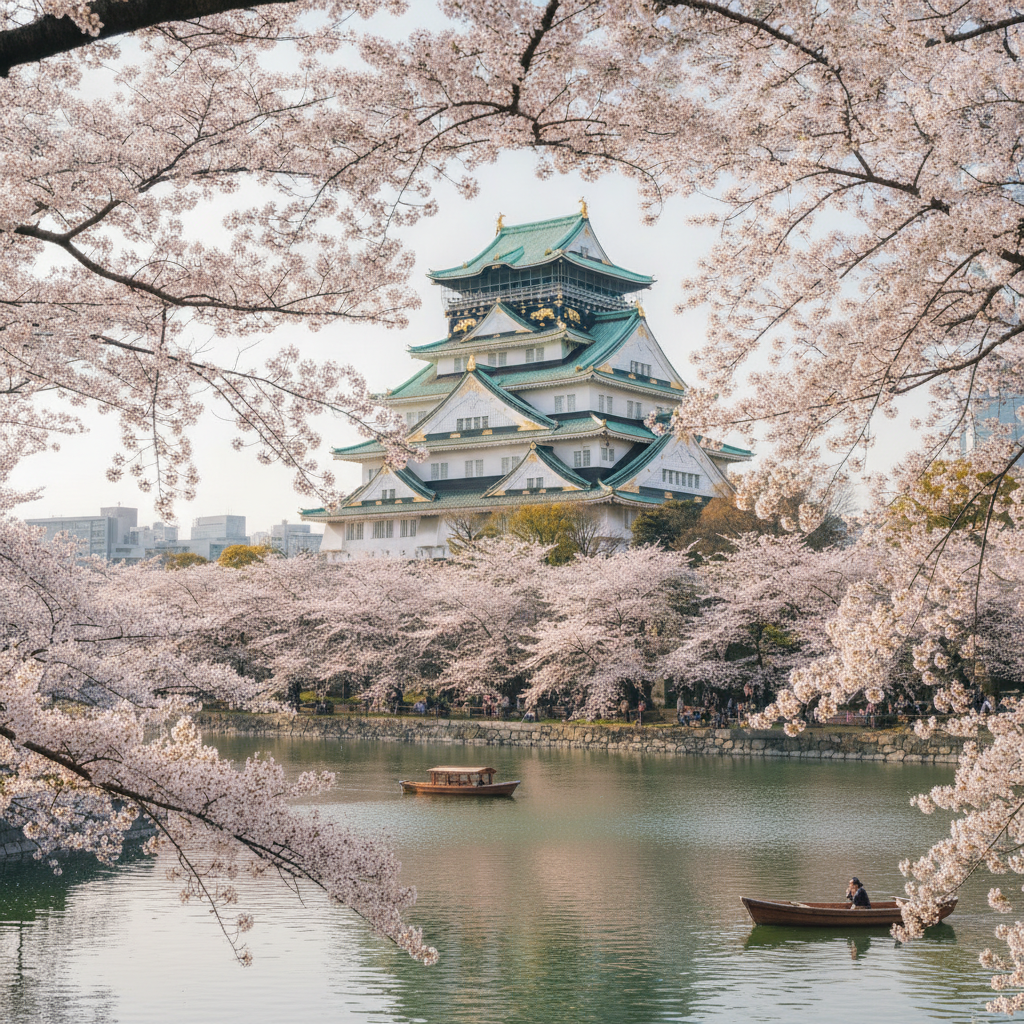
Osaka Castle — Toyotomi Hideyoshi's Fortress & the City's Historic Heart
Osaka Castle (大阪城 — Ōsaka-jō — the castle originally built in 1583 by the warlord Toyotomi Hideyoshi (1537-1598) as the symbol of his unification of Japan — the most historically significant castle site in western Japan, now the centrepiece of the 106-hectare Osaka Castle Park): the castle tower museum and the surrounding park (famous for its 600 cherry trees, one of the finest hanami spots in Osaka) attract approximately 2-3 million visitors per year.
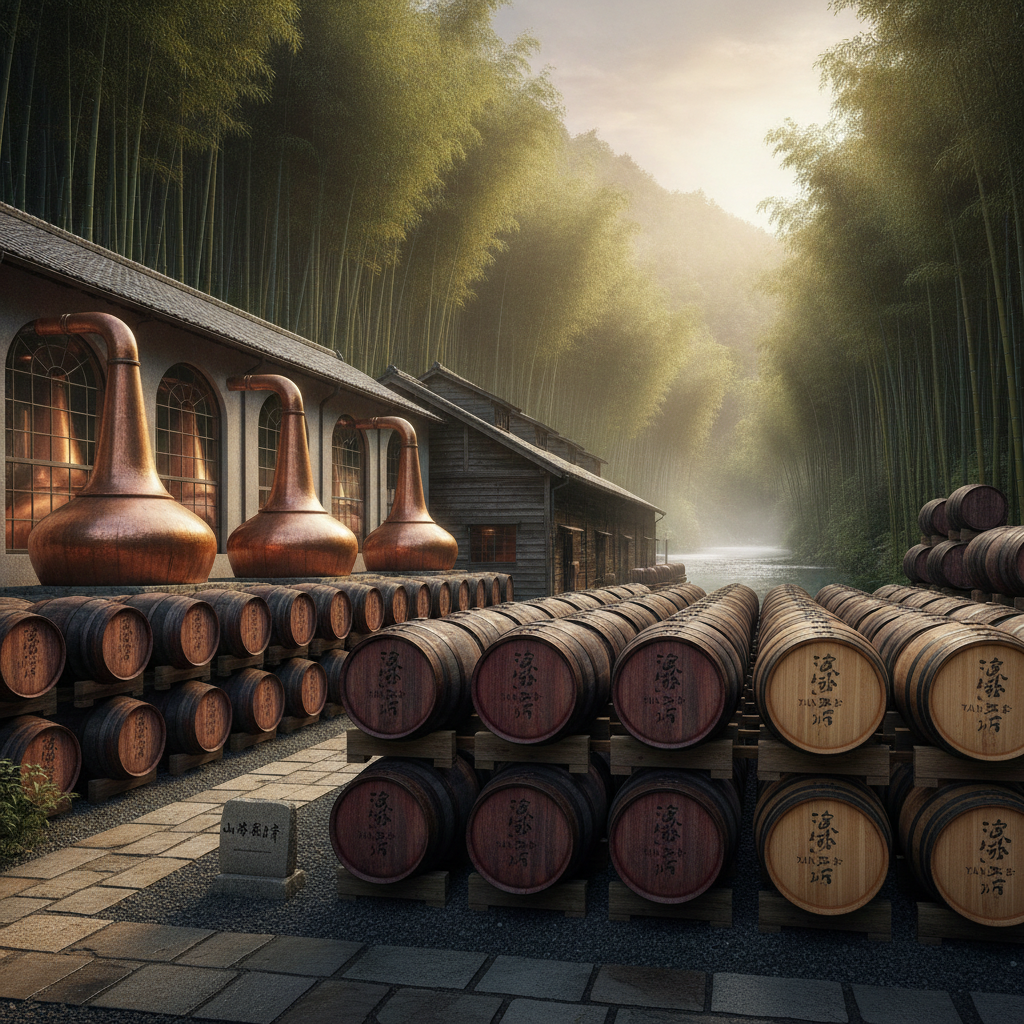
Japanese Sake, Craft Beer & Suntory Whisky — Osaka's Drinks Culture
Osaka's drinks culture (the drinking culture of western Japan's commercial capital, which combines the traditional sake culture of the Nada-Nishinomiya-Itami sake belt (the major sake producing region stretching from Osaka to Kobe), the Suntory whisky culture (the Yamazaki Distillery, the first Japanese whisky distillery, is just 15 minutes from Osaka), and a growing craft beer and craft spirits scene).
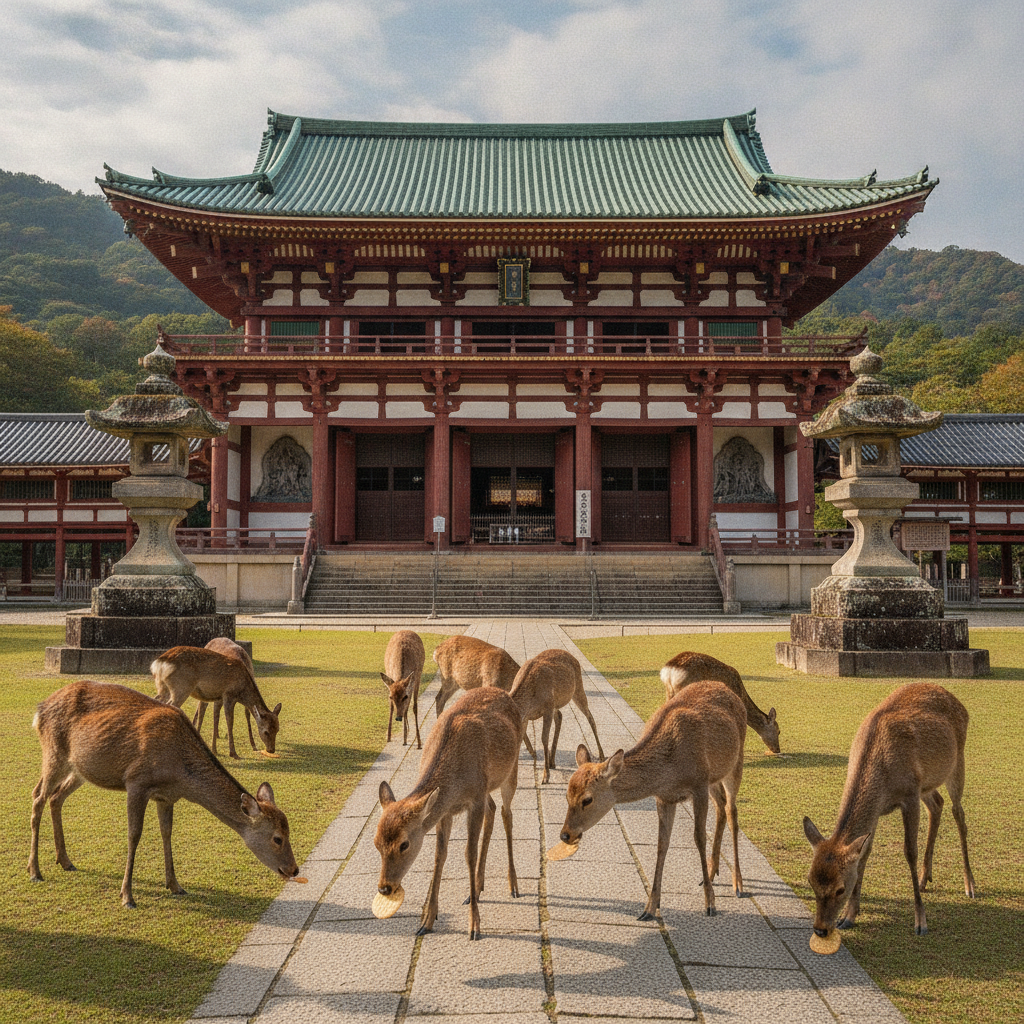
Nara Day Trip — Sacred Deer, Todai-ji & Japan's Oldest Temples
Nara (奈良 — the former capital of Japan (710-784), 45 minutes from Osaka by Kintetsu line or JR Yamatoji Line — the oldest imperial capital in Japan and one of the most important UNESCO World Heritage sites in the country (8 monuments designated in 1998)): Nara is famous for the free-roaming sika deer (Cervus nippon) of Nara Park (approximately 1,200 deer that wander freely through the park and approach visitors for the shika senbei (the deer crackers sold at park stalls) — the deer have been considered sacred messengers of the Kasuga Taisha shrine since the Nara period (710-784) and are designated a Natural Monument of Japan.
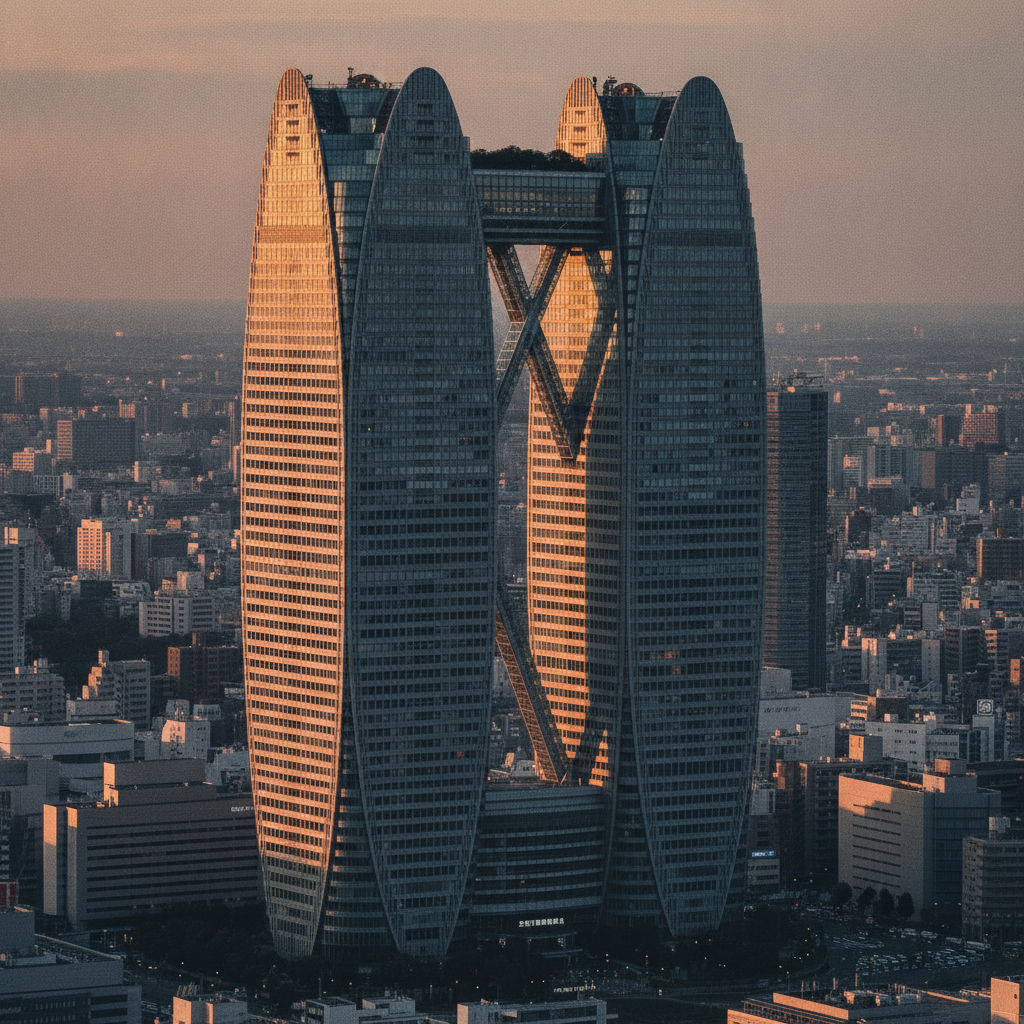
Umeda, the Sky Building & Grand Front — Osaka's Northern Hub
Umeda (梅田 — the main commercial and transportation hub of north Osaka (kita), centred on Osaka/Umeda Station (the largest station complex in western Japan, with 18 platforms across JR, Hankyu, Hanshin, and Osaka Metro lines)) is the commercial counterweight to Dotonbori's entertainment district, with the iconic Umeda Sky Building, the Grand Front Osaka shopping complex, and the finest views over the city.
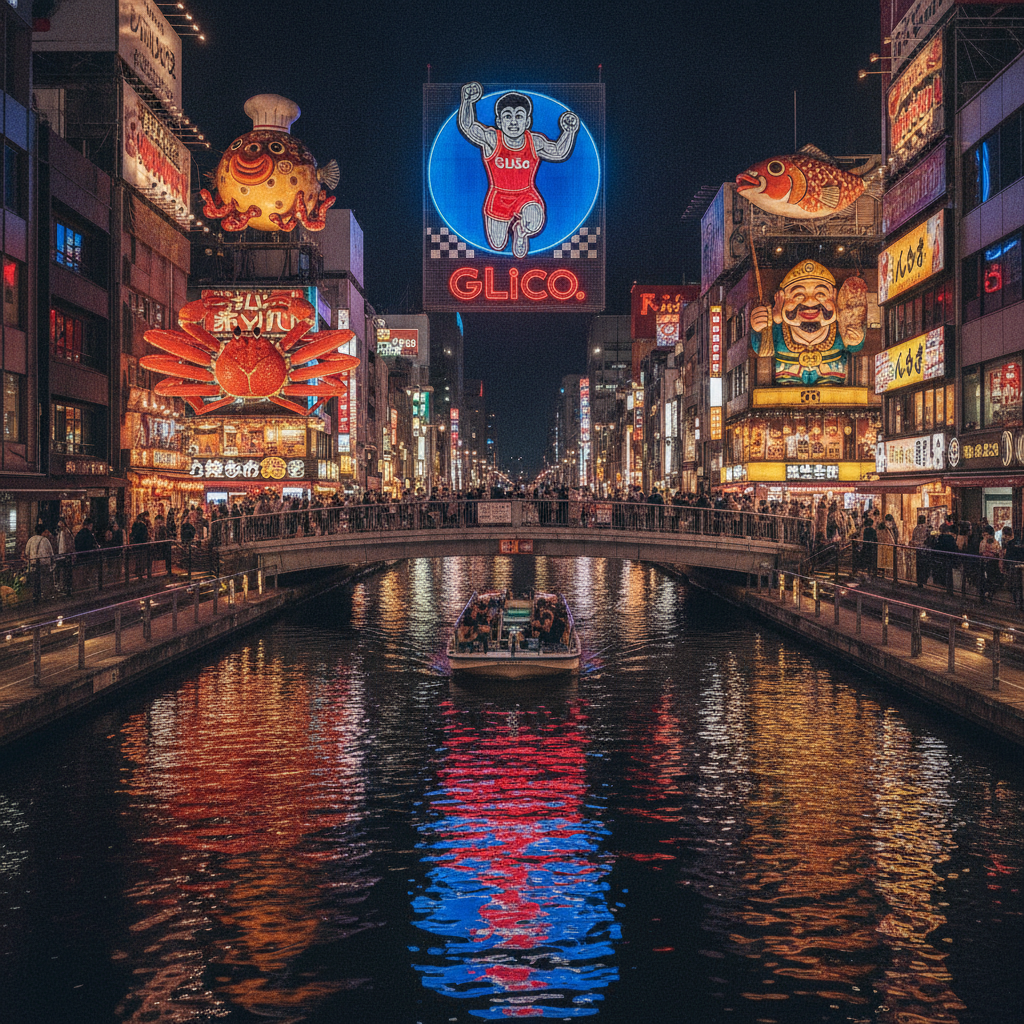
Dotonbori, Namba & Osaka Street Food — The Kuidaore City
Osaka (大阪 — Japan's third largest city by population (approximately 2.7 million city / 19 million metropolitan area), the commercial and culinary capital of western Japan, nicknamed 'Naniwa' in the Heian period and now known as the city of 'kuidaore' (食い倒れ — 'eat until you drop') — the most food-obsessed city in Japan): Dotonbori and the Namba district are the entertainment and street food heart of Osaka.
Tennoji, Abeno Harukas & Shinsekai — South Osaka's Character Districts
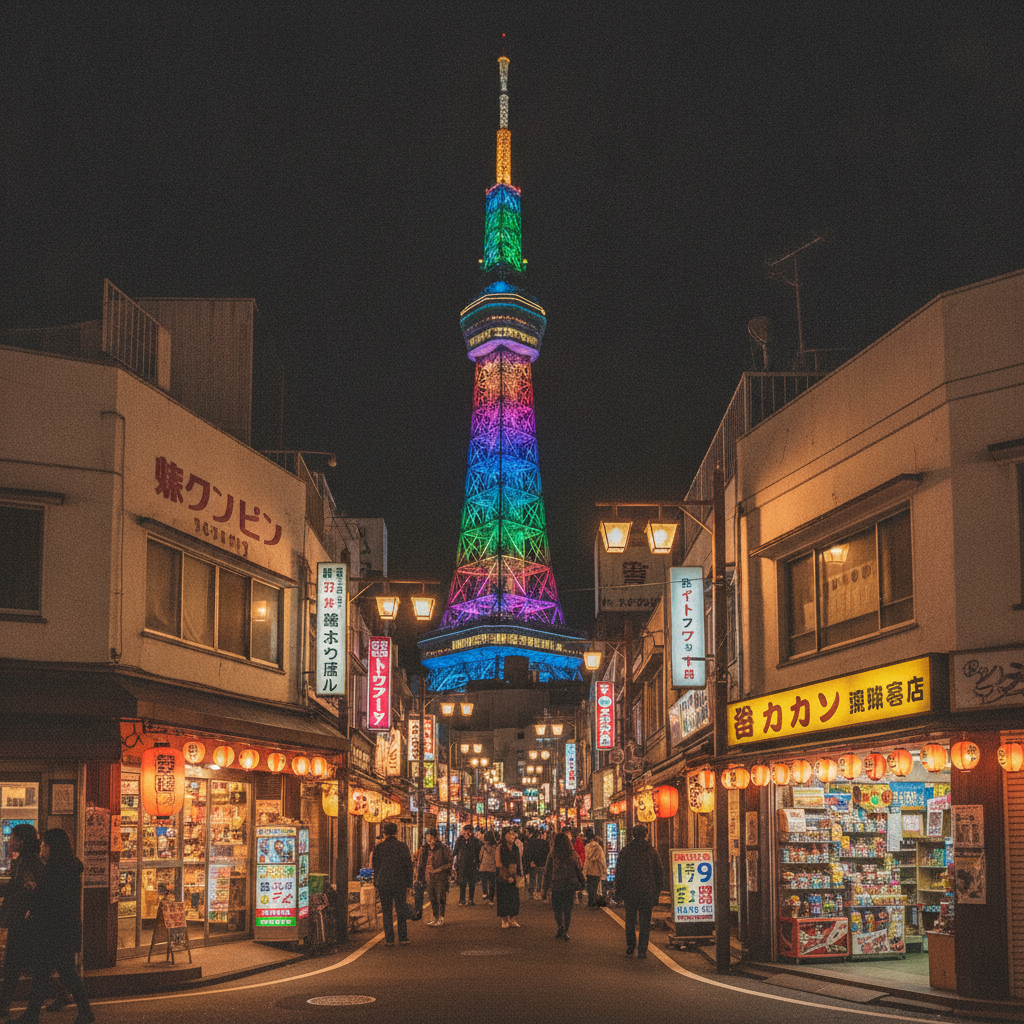
Tennoji (天王寺 — the southern hub of Osaka, centred on Tennoji Station (the third busiest station in Osaka after Osaka/Umeda and Namba)), is home to Abeno Harukas (あべのハルカス — the 300-metre skyscraper completed in 2014, the tallest building in Japan — housing a department store (Kintetsu), a hotel (Marriott), an art museum, and the Harukas 300 observation deck at 300 metres — the finest high-altitude view over Osaka), the Tennoji Zoo (the third oldest zoo in Japan, established 1915), and the extraordinary retro neighbourhood of Shinsekai.