 Pakistan
Peshawar
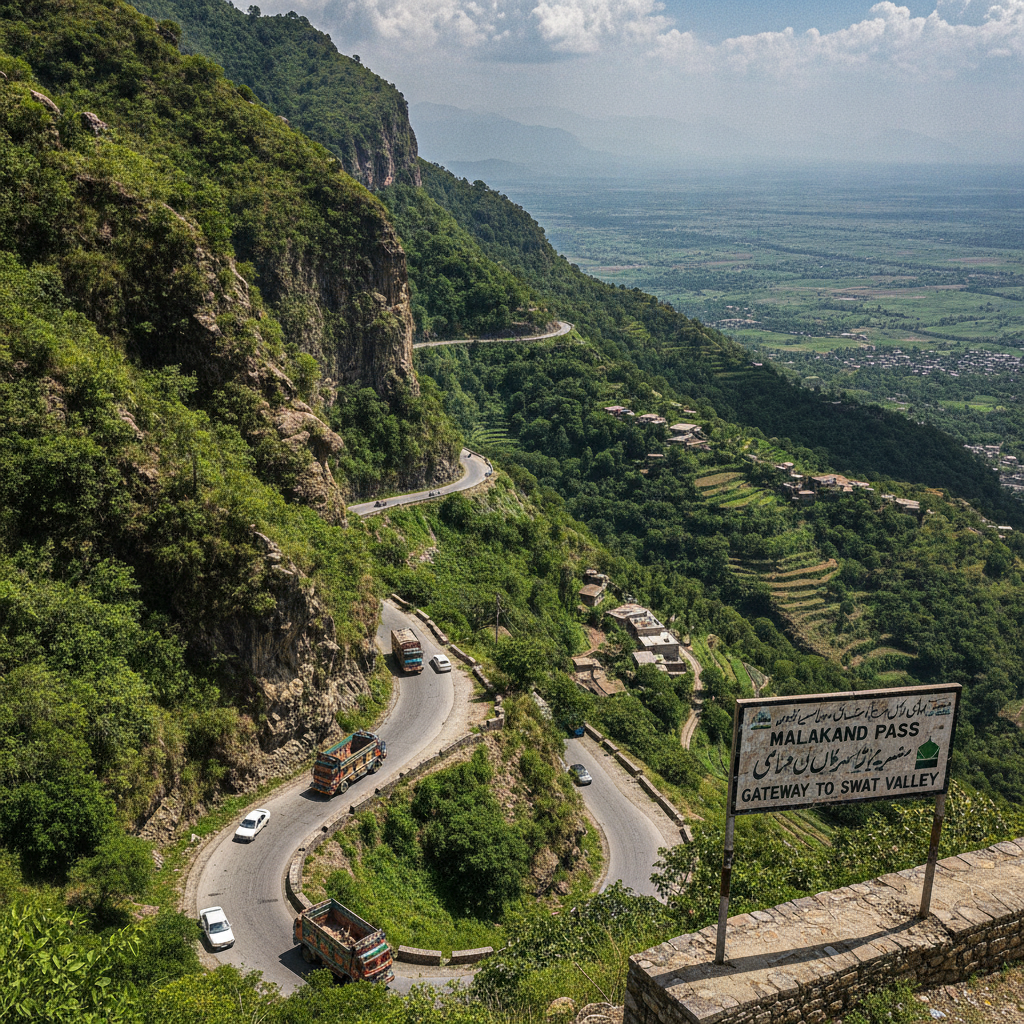
Peshawar to Swat Valley Green Mountain Drive
Drive north from Peshawar into the Swat Valley — the mountain valley carved by the Swat river through the Hindu Kush foothills, once called the Switzerland of Pakistan for its alpine scenery, with terraced fields on steep hillsides, the medieval Buddhist monastery of Udegram, and the market town of Mingora at the valley's commercial heart.
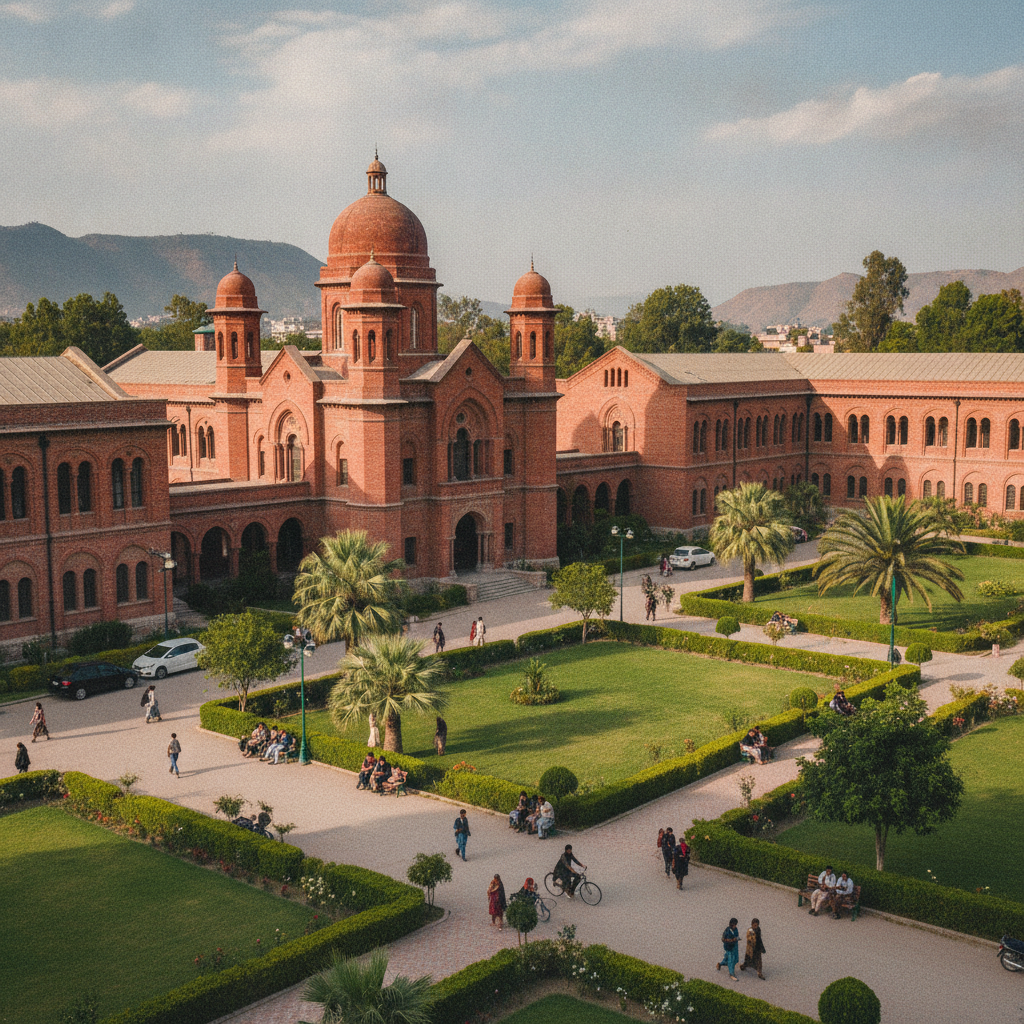
Peshawar University Town and Contemporary Life
See modern Peshawar in the University Town and Hayatabad districts — the planned residential areas where Peshawar's middle class lives away from the density of the old city, the University of Peshawar campus with its colonial buildings, the restaurants and cafés of a city rebuilding after decades of Taliban-era restrictions, and the resilience of the frontier culture.
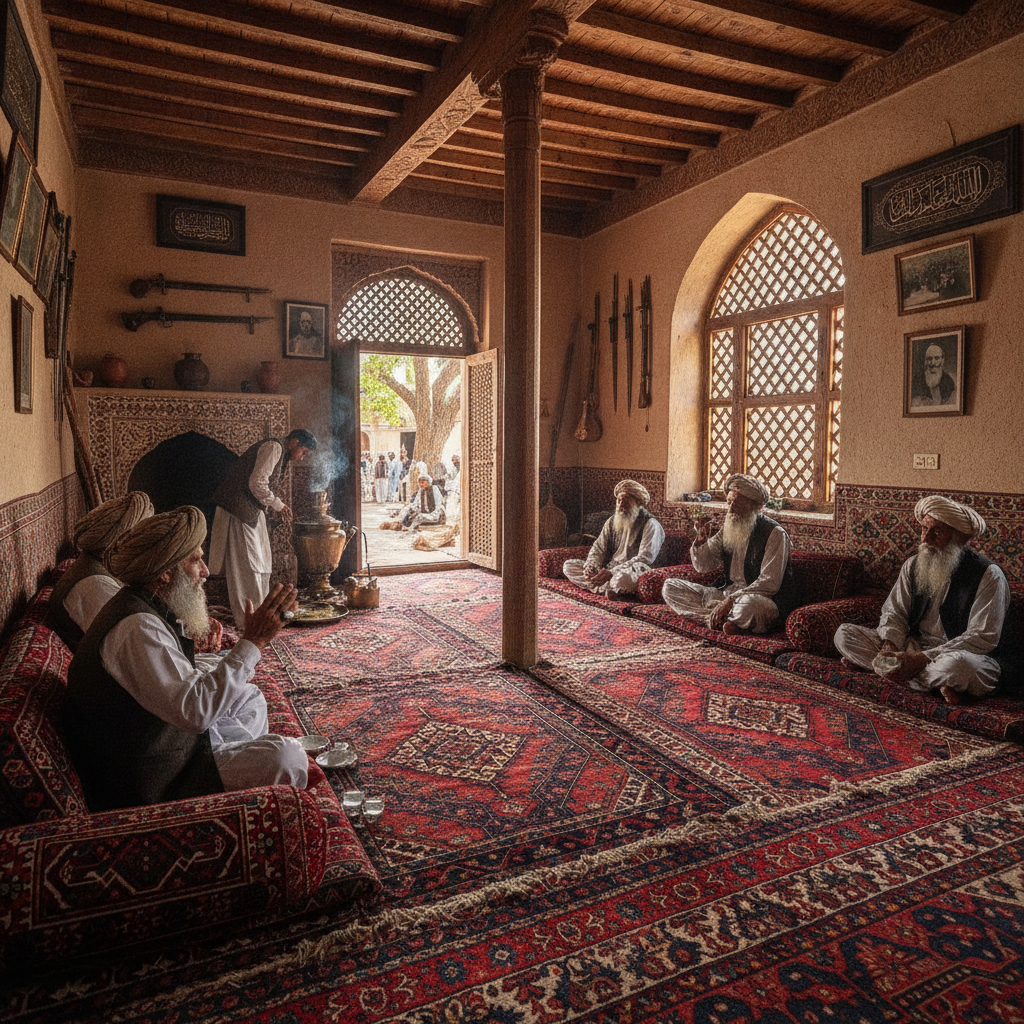
Peshawar Tribal Culture and Pashtun Heritage
Understand the Pashtun tribal culture that defines Peshawar — the Pashtunwali code of hospitality, honor, and revenge that has organized Pashtun society for centuries, visible in the architecture of the tribal hujra (guest house), the jirga (tribal council) tradition, and the warrior culture of the Khyber Pakhtunkhwa frontier region.
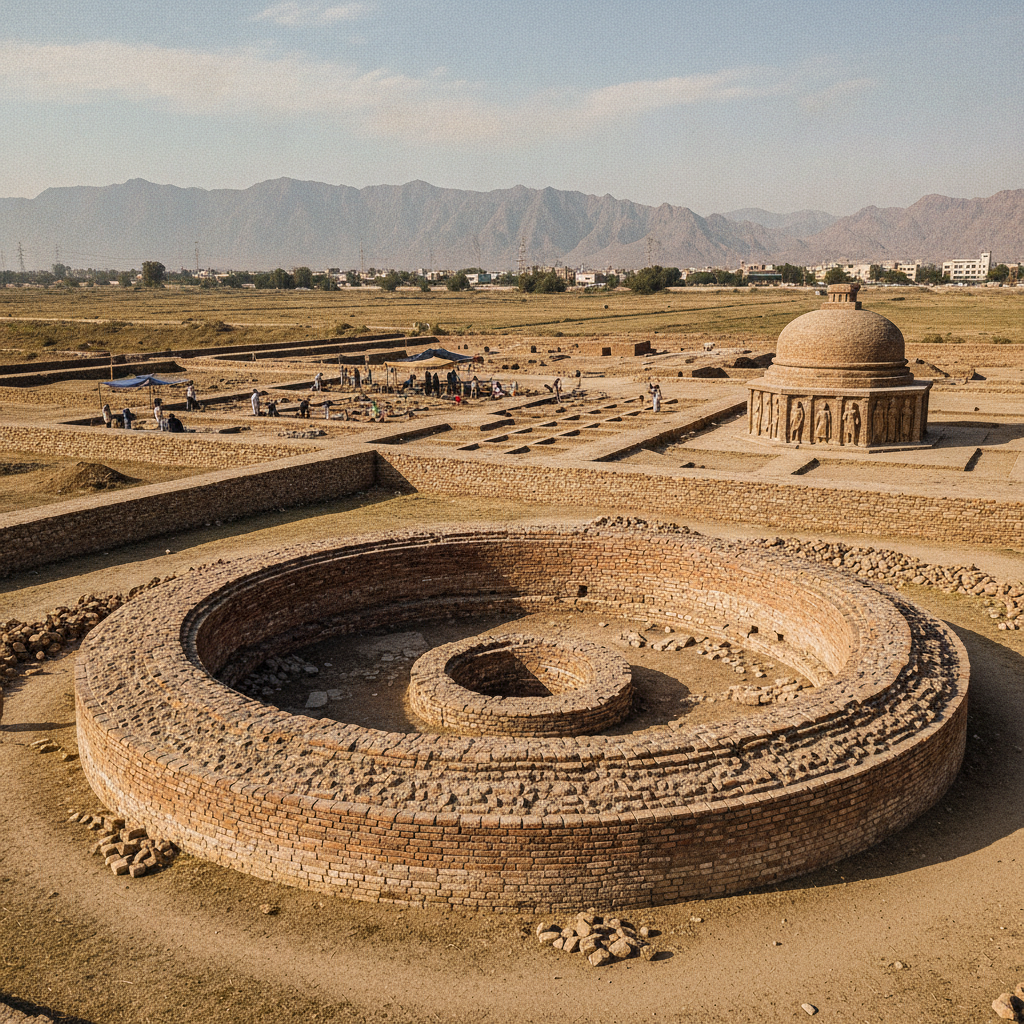
Peshawar Valley Buddhist Gandhara Sites
Explore the ancient Buddhist sites in the Peshawar Valley — the heartland of Gandhara civilization where the fusion of Greek and Buddhist art produced the world's first images of the Buddha in human form, with the Charsadda site of ancient Pushkalavati, the Shahji-ki-Dheri stupa, and the valley landscape that was the most important center of Buddhist learning for over 500 years.
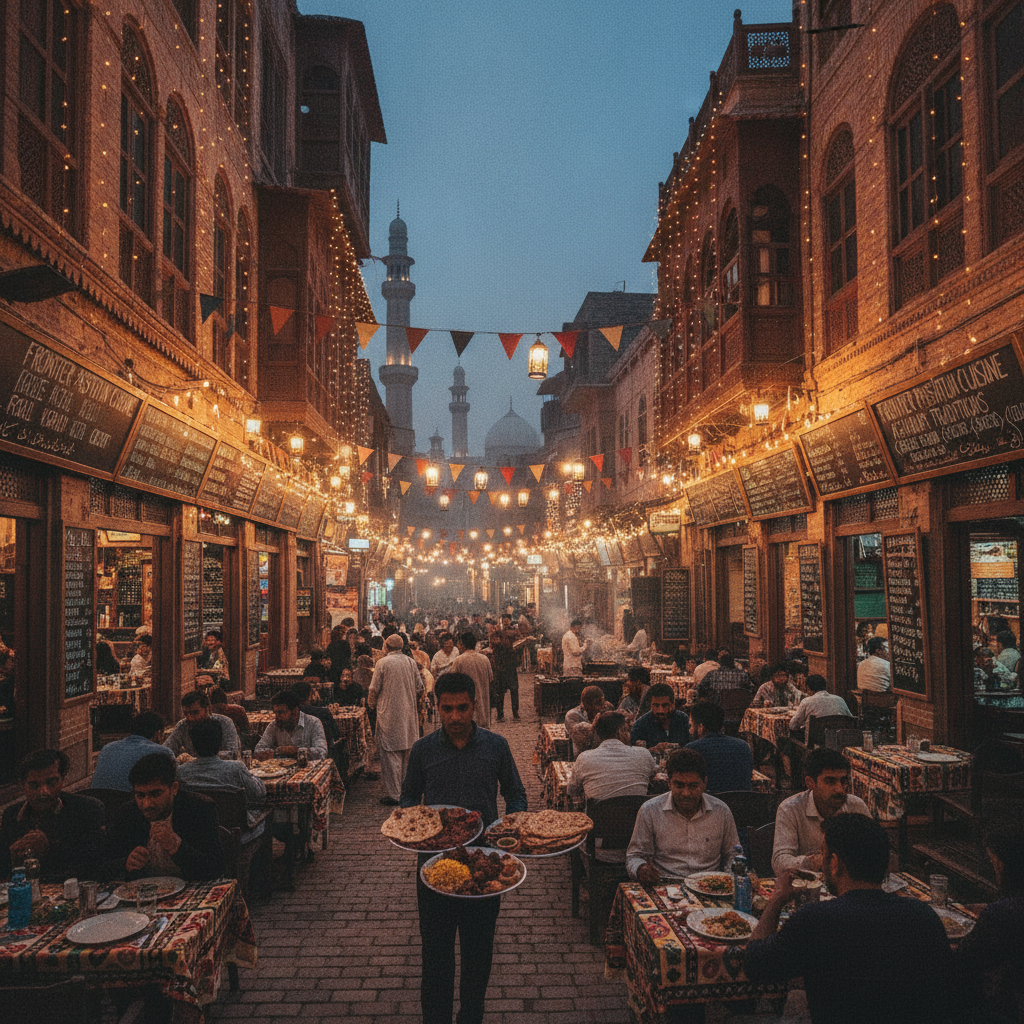
Peshawar Food Street and Afghan Culinary Traditions
Eat through Peshawar's unique food culture — the Pashtun and Afghan culinary traditions that make this city's food distinct from Pakistani cooking elsewhere, featuring chapli kebab, lamb karahi, the enormous naan of the frontier bakeries, and the Afghan-influenced rice dishes that reflect the centuries of cultural exchange across the Khyber Pass.

Peshawar Khyber Pass Historic Route
Drive the Khyber Pass — the legendary mountain corridor through the Safed Koh range linking Peshawar to Jalalabad in Afghanistan, the most strategically important mountain pass in the history of South Asian conquest, where Alexander the Great, Babur, Nadir Shah, and the British imperial army all passed, and where the Khyber Rifles have maintained their famous watch for over a century.

Peshawar Bala Hisar Fort and Khyber Gate History
Visit the Bala Hisar Fort — the great fort that has dominated Peshawar since at least the Mughal period and served as the seat of Sikh, Afghan, and British rule over the frontier city, its massive walls overlooking the old city and the Khyber Pass road, the fort representing the strategic importance of Peshawar as the gateway between South Asia and Central Asia.
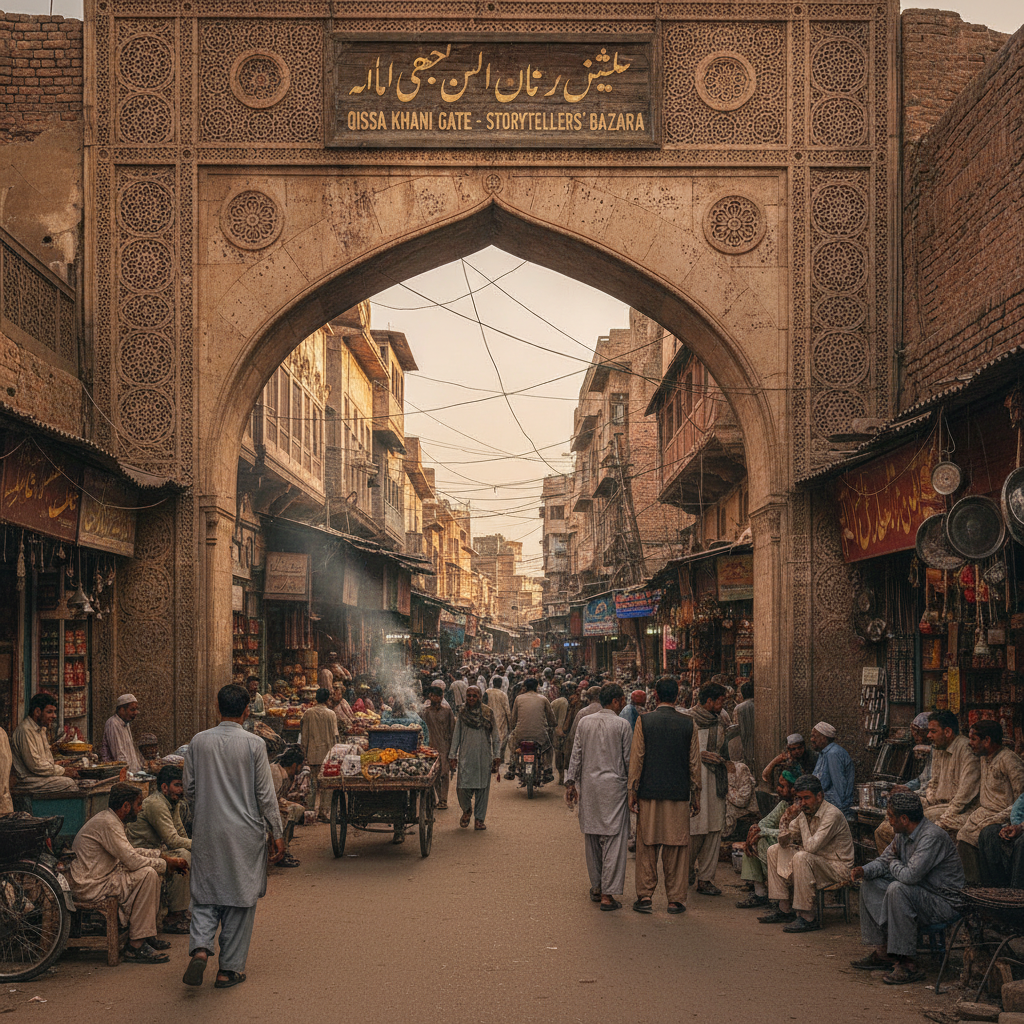
Peshawar Qissa Khwani Storytellers Bazaar Walk
Walk the Qissa Khwani Bazaar — the Street of Storytellers where caravanners from Central Asia, Persia, and India once rested and swapped tales over green tea, now a dense commercial street where the chai khanas (tea houses) still serve the three-tea tradition, dried fruit merchants stack their wares, and the Pashtun cultural identity of Pakistan's oldest continuously inhabited city asserts itself in every interaction.