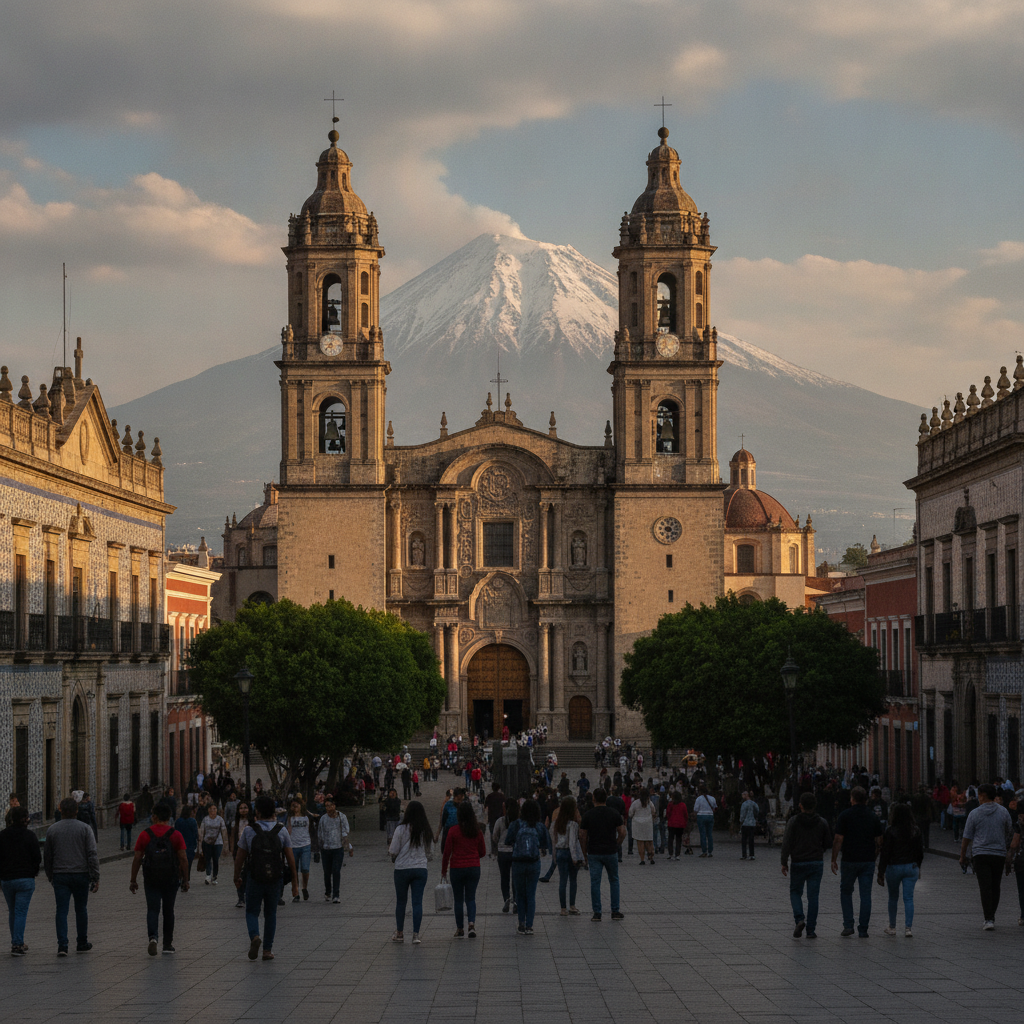

Puebla Cathedral Capilla del Rosario Talavera Tiles Mole Poblano Cholula Pyramid and the City That Was Founded by Angels and Destroyed by the Volcano That Still Watches Over It
Puebla de los Angeles was founded in 1531 without a prior indigenous settlement, designed from the beginning as a model colonial city on the grid of the Laws of the Indies, placed on the high valley between the active volcano Popocatepetl to the southwest and the dormant La Malinche to the north, on the road between the Gulf Coast port of Veracruz and the colonial capital of Mexico City. The city's official name contains the legend of its founding: the angels, it was said, descended in the night to mark out the city grid with ropes of light while the first settlers slept, a founding myth that expressed the colonial ambition of building the ideal Christian city in the New World. Puebla became one of the wealthiest cities in colonial New Spain through the combination of strategic location on the Veracruz-Mexico City trade route, the development of the Talavera ceramic industry using the local clay deposits and the techniques of the Spanish and Chinese ceramic traditions that the Manila Galleon trade introduced, and the culinary creativity that produced mole poblano, arguably the most complex sauce in Mexican cuisine, credited to the nuns of the Convent of Santa Catalina who created it for a feast honoring the viceroy by combining dried chiles, chocolate, and dozens of other ingredients. The Capilla del Rosario in the church of Santo Domingo, completed in 1690, is considered the most important example of Mexican baroque art in existence, a side chapel whose every surface from floor to ceiling is covered in gilded plaster, painted tiles, oil paintings, and carved stone in a totality of decorative ambition that Spanish critics described as the eighth wonder of the world. Popocatepetl, at 5,426 metres the second-highest peak in Mexico and one of the most active volcanoes in North America, periodically emits ash columns visible from the Puebla streets and is the most dramatic natural backdrop of any Mexican city.
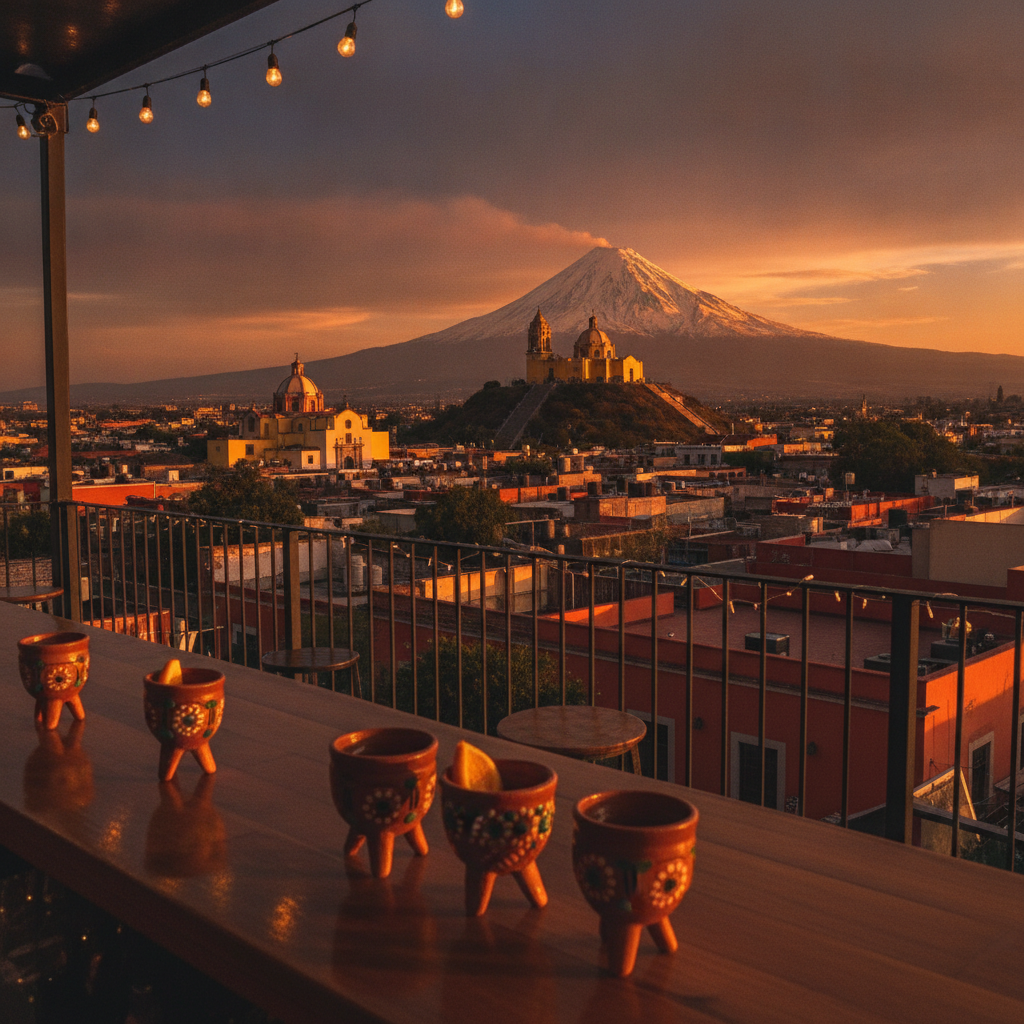
Puebla Contemporary City Art Scene Emerging Neighborhoods Barrio Chino and How a 500 Year Old Heritage City Is Reinventing Itself as a Creative Capital for the 21st Century Mexican Middle Class
Puebla is undergoing an urban transformation that parallels the gentrification of historic city centers throughout Latin America, with the UNESCO-designated historic center serving as the foundation for a creative economy of galleries, concept restaurants, craft mezcal bars, boutique hotels, and the design studios that the BUAP (Benemerita Universidad Autonoma de Puebla) and Iberoamericana university populations generate as they establish the cultural infrastructure of a Mexican mid-sized city that competes with Mexico City for creative talent and cultural relevance. The city of 3 million that surrounds the 72-block historic center UNESCO zone has developed through the metropolitan sprawl of the automotive economy and the lower-income housing expansion of the eastern and southern margins, creating the economic geography of a city whose tourist-facing heritage zone is surrounded by the Mexican working-class reality that the visitor experience carefully avoids. The Barrio del Artista has been the historical nexus of the Puebla creative scene since the 1940s, but the contemporary expansion of the creative economy has moved into the converted industrial buildings of the Analco neighborhood east of the historic center, the restored colonial houses of the Xanenetla neighborhood whose residents painted their own barrio as an open-air art museum in a self-organized community beautification project, and the Callejon de los Sapos antique and craft market that operates on weekends as the most socially animated outdoor market space in the historic center. The Cholula municipal area, west of Puebla city and technically a separate city, has developed since the 2000s into the nightlife and university social hub of the greater metropolitan area, with the rooftop bars of the San Andres Cholula zocalo area providing views of the pyramid hill church and Popocatepetl in a setting that the young Poblano population uses as the primary weekend social circuit.
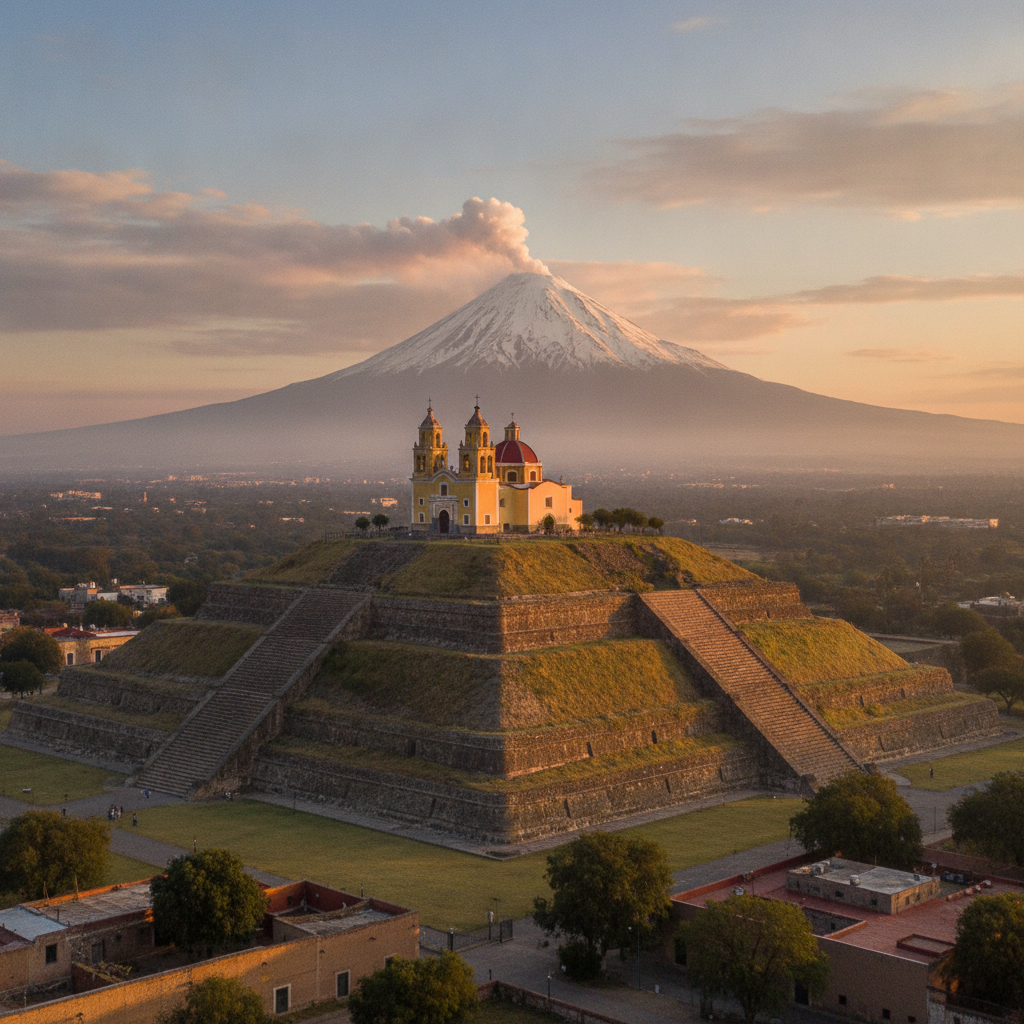
Puebla Pre-Hispanic Heritage Tlaxcala the Huejotzingo Codex Cholula as the Sacred City of Quetzalcoatl and the Indigenous Alliance That Made the Spanish Conquest of the Aztec Empire Possible
Puebla state is the site of one of the most consequential indigenous decisions in the history of the Americas: the Tlaxcala confederation of city-states, which had maintained its independence from the Aztec Triple Alliance for a century through guerrilla warfare and the Flower Wars that the Aztec conducted to take Tlaxcalan captives for sacrifice, chose in September 1519 to ally with Hernan Cortes after defeating his Spanish force militarily and then recognizing the strategic opportunity that the European alliance offered against the Aztec overlords who had isolated Tlaxcala, prevented their access to the Gulf Coast trade, and maintained a permanent state of hostility at their borders. The Tlaxcalan alliance gave Cortes the 50,000 to 100,000 indigenous fighters whose military knowledge, logistical support, and knowledge of the Aztec defensive systems made the conquest of Tenochtitlan possible, and the Tlaxcalans received in return the status of allies rather than conquered subjects, exemption from tribute, and the privilege of carrying weapons alongside the Spanish into battle - privileges that their descendants maintained for generations as a legal distinction that separated them from the vassal indigenous communities of the colonial empire. Cholula, the city Cortes massacred in October 1519 before his alliance with Tlaxcala was fully consolidated, had been the most sacred city in Mesoamerica, the center of the cult of Quetzalcoatl the feathered serpent god, whose pyramid received pilgrims from throughout the Mesoamerican world and whose population at the time of contact is estimated at between 80,000 and 100,000, making it one of the largest cities in the Americas. The Cholula massacre, in which Cortes killed an estimated 3,000 to 6,000 unarmed nobles in the central plaza in what he claimed was a preemptive strike against an alleged ambush, was the defining atrocity of the pre-Tenochtitlan conquest phase and shaped the patterns of colonial violence that followed.
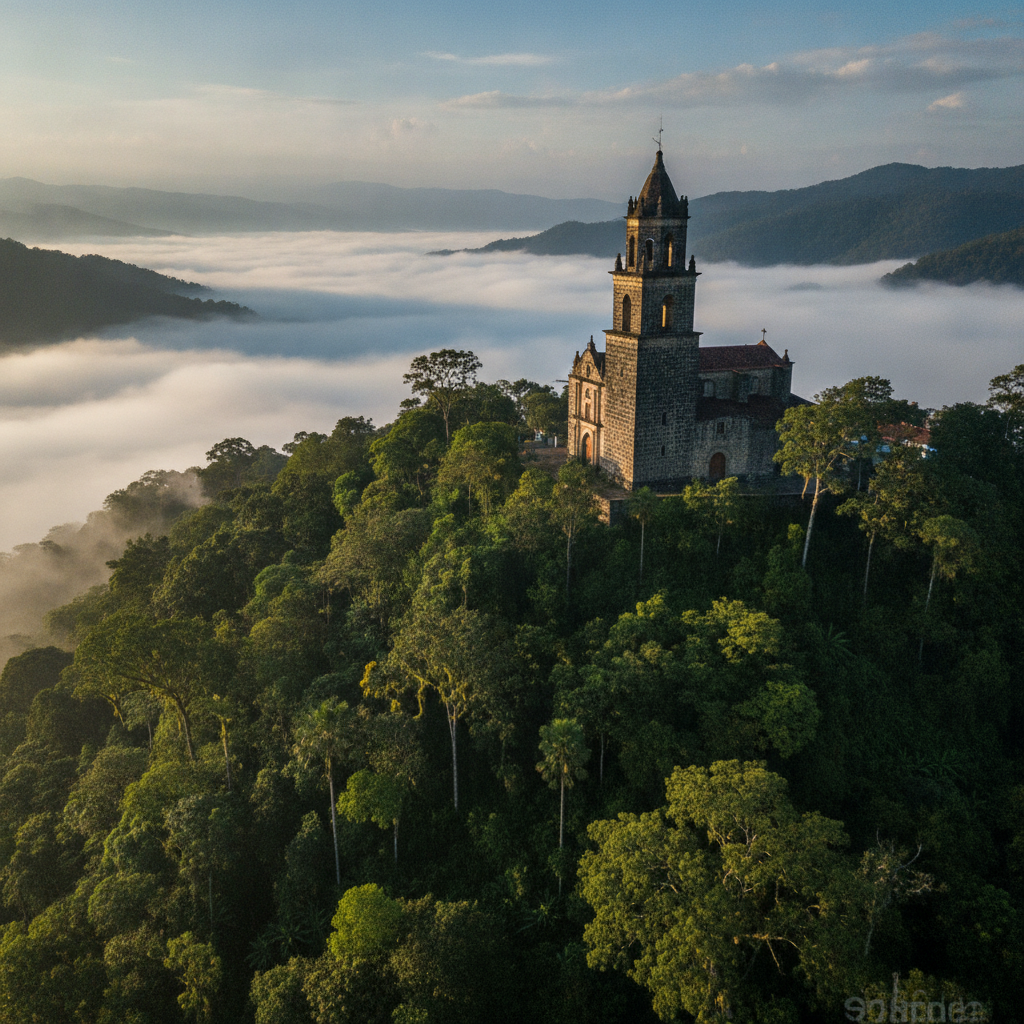
Puebla Day Trips Cuetzalan Cloud Forest Izucar de Matamoros Matamoros Tlaxiaco and the Sierra Norte de Puebla Where Indigenous Communities Maintain a Living Culture in Mexico's Most Biodiverse Mountain Range
The Sierra Norte de Puebla, the mountain range that descends from the high plateau of the Puebla-Tlaxcala valley to the humid Gulf Coast lowlands, is one of the most biodiverse regions of Mexico, containing cloud forest ecosystems with over 400 orchid species, endemic birds including the resplendent quetzal in the highest cloud forest zones, and the indigenous communities of Nahua, Totonac, and Tepehua peoples who have maintained their languages, ceremonial traditions, and agricultural systems through 500 years of colonial and post-colonial transformation. Cuetzalan del Progreso, the colonial and indigenous market town 170 kilometres northeast of Puebla city in the Sierra Norte cloud forest, is the primary ecotourism and cultural tourism destination in the sierra, with the Sunday tianguis market where Nahua women in white quechquemitl blouses sell produce and crafts alongside the mestizo vendors, the coffee and vanilla plantations of the cloud forest slopes, the Voladores de Papantla ceremony performed on the central plaza pole, and the archaeological site of Yohualichan 3 kilometres from the town center. The Totonac archaeological site of Yohualichan, whose ball courts, platforms, and the distinctive Totonac niche facade architecture document the cultural connections between the Sierra Norte communities and the Gulf Coast Totonac civilization of El Tajin, provides the pre-Hispanic cultural depth that the Cuetzalan tourism circuit requires beyond the colonial church and market experience. The Sierra Negra Observatory, operated by the National University of Mexico on the extinct volcano of the Sierra Negra at 4,600 metres elevation 90 kilometres southeast of Puebla, houses the Large Millimeter Telescope, the world's largest single-dish millimeter wave telescope at its 2011 completion, whose operation at extreme altitude with the stable atmospheric conditions of the high plateau has made it a significant instrument for the global radio astronomy community.
Puebla Practical Guide Transport Safety Climate Neighborhoods Hotels and How to Eat and Move Through a UNESCO Colonial City That Is Also a Metropolitan Area of Three Million People With Heavy Traffic
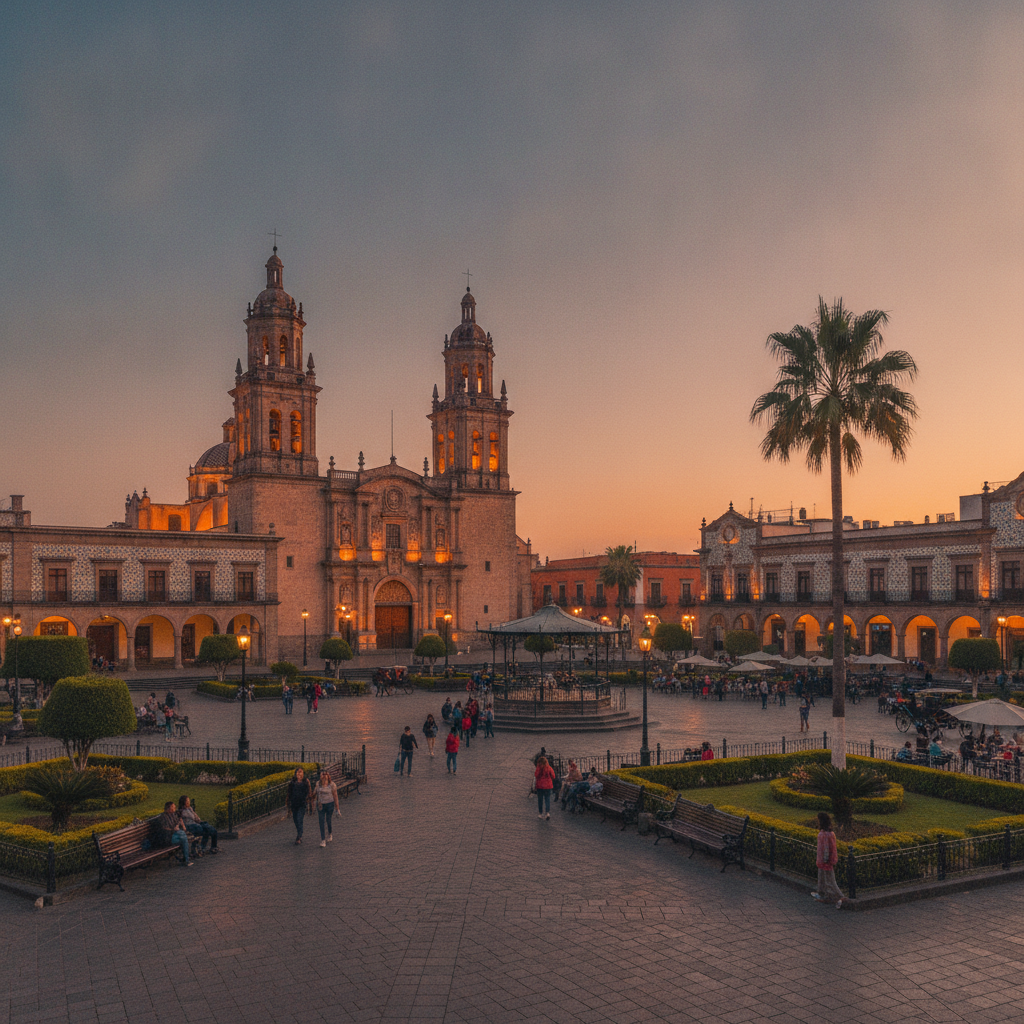
Puebla is simultaneously a UNESCO World Heritage colonial city of 72 historic center blocks and a metropolitan area of 3 million people with the traffic, sprawl, and urban complexity of a major Mexican industrial city, and navigating between these two realities is the central practical challenge for the visitor who needs to get from the airport or bus station to the historic center through the metropolitan geography that surrounds it. The Hermanos Serdan International Airport of Puebla, 25 kilometres west of the historic center in the Huejotzingo municipality, serves the city with connections to Mexico City, Monterrey, Guadalajara, Tijuana, Merida, and a limited set of US destinations, though the proximity to Mexico City and the excellent highway and bus connection mean that most international visitors arrive overland from the capital rather than through the Puebla airport. The ADO first-class bus terminal in the northern edge of the historic center, 15 minutes walk from the Zocalo, receives the frequent connections from Mexico City TAPO terminal and provides the most practical arrival point for the visitor who is connecting from the capital, with the journey taking 90 minutes to two hours depending on Mexico City traffic at the departure point. The historic center of Puebla at 2,135 metres elevation has the temperate climate of the high Mexican plateau, with the spring dry season from March through May being the warmest and driest, the rainy season from June through September delivering the afternoon thunderstorms that refresh the city within an hour, and the winter months of November through February being clear and cool with occasional frost on the highest hilltop neighborhoods. The safety profile of the Puebla historic center is generally secure for tourist activity, with the main concern being the standard urban precautions of metropolitan Mexico including avoiding isolated areas at night and being alert to petty theft in the market and crowd environments.
Puebla Convents Churches and the Religious Architecture of a City Built by Angels Where 72 Colonial Churches Represent the Most Complete Ecclesiastical Cityscape in Mexico
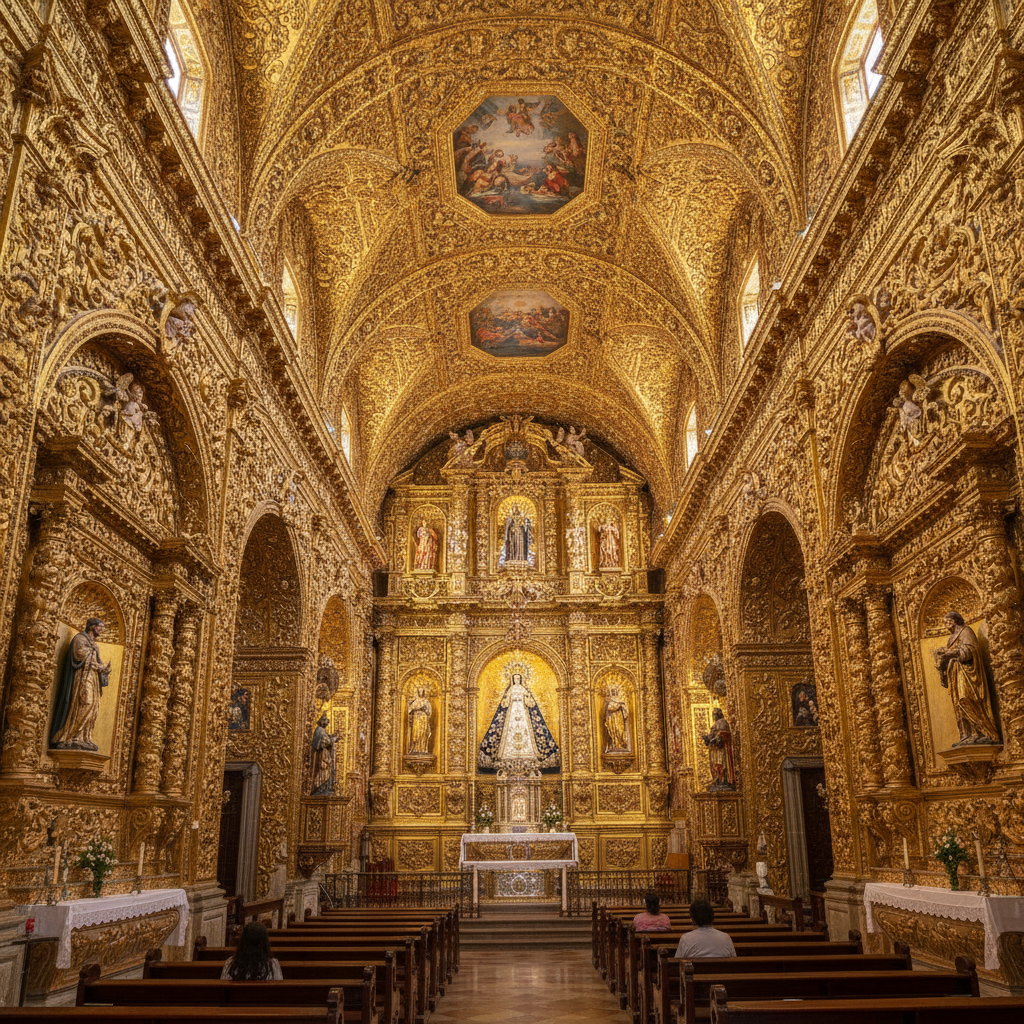
Puebla was conceived and built as a model Christian city, and the density of its colonial religious architecture reflects that founding ambition: 72 colonial churches survive in the historic center, representing every major religious order that operated in New Spain and every major period of colonial baroque architectural development from the severe Herreran style of the 16th century to the most elaborate churrigueresque of the 18th century. The scale of the ecclesiastical investment in Puebla reflects the city's status as the second most important city in New Spain and the center of the most active evangelization program in the Americas: the Franciscans, Dominicans, Augustinians, Carmelites, Jesuits, Bethlehemites, Mercy order, and the secular clergy all built major church and convent complexes within the first century of the city's existence, creating the architectural density that UNESCO recognized in 1987. The Biblioteca Palafoxiana, the 17th-century library of Bishop Juan de Palafox y Mendoza, represents the intellectual dimension of this ecclesiastical investment: Palafox brought 5,000 volumes of his personal library to Puebla, established the library as a public resource open to all citizens, and used the book collection as the foundation for the educational mission of the colonial church. The ex-convent of San Francisco, one of the largest Franciscan complexes built in the Americas, covers an entire city block adjacent to the church of San Francisco de Asis whose churrigueresque facade in glazed brick and Talavera tile is the most unusual church exterior in Puebla, combining the ceramic tile tradition with the stone carving of the baroque program in a way that no other Mexican church replicates. The convent tradition of Puebla was suppressed by the Reform Laws of 1855 and the subsequent nationalization of church property under Juarez, which converted the convent buildings to government offices, barracks, schools, and eventually the museums and cultural centers that occupy them today.
Battle of May 5 1862 Puebla the French Intervention Maximilian and the Day That Became a Greater Holiday in the United States Than in Mexico: The True Story of Cinco de Mayo
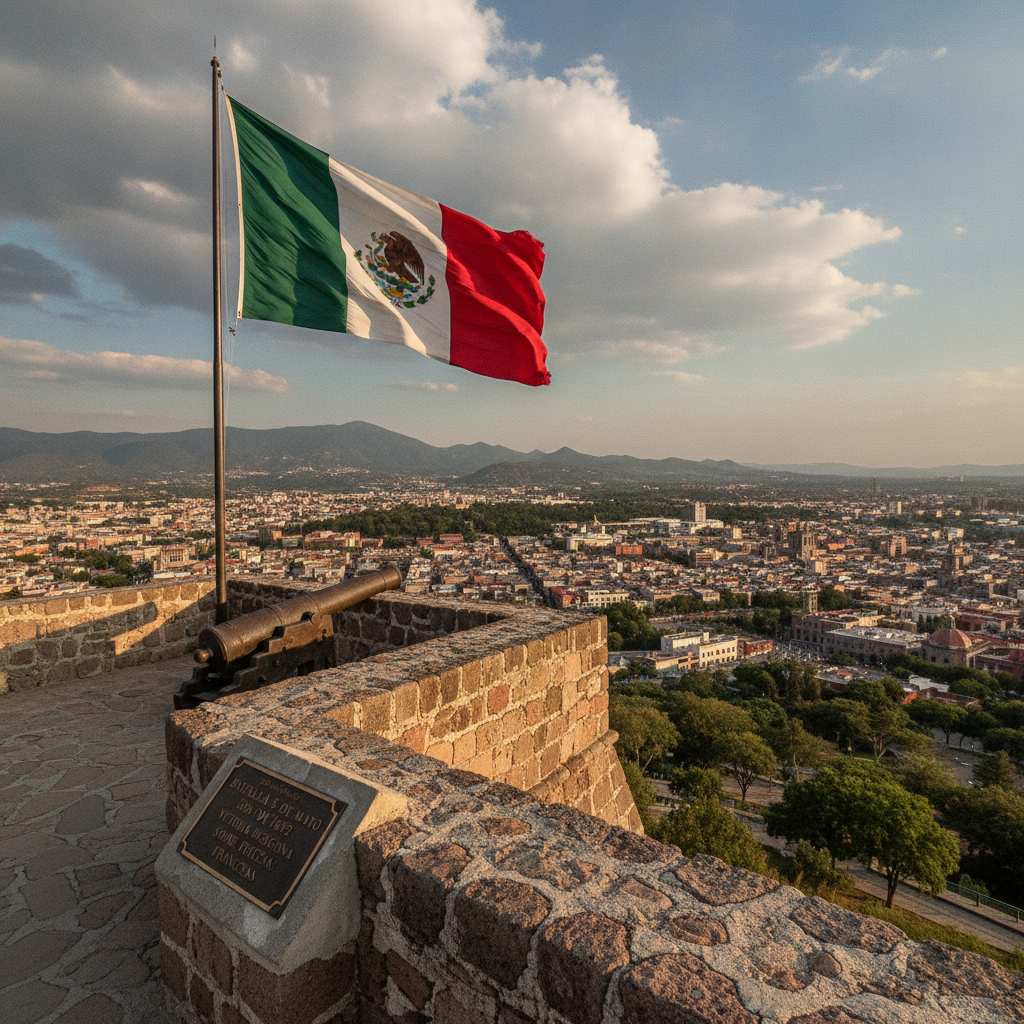
The Battle of Puebla on May 5, 1862, in which the Mexican forces commanded by General Ignacio Zaragoza defeated the French army that Napoleon III had dispatched to collect Mexico's foreign debts and establish a French client state in the Americas, is one of the most celebrated military victories in Mexican history and the origin of the Cinco de Mayo holiday that is celebrated more elaborately in the United States than in Mexico itself. The French army that attacked Puebla on May 5, 1862, was considered the finest military force in the world at the time, undefeated in Europe for 50 years and fresh from campaigns in Algeria and Italy, against which the ragged Mexican republican army composed largely of Zapotec indigenous soldiers from Oaxaca commanded by Zaragoza, a Texan-born Mexican general, won a tactical victory that halted the French advance on Mexico City. The Mexican celebration of May 5 as a state holiday in Puebla is significant but modest, while the holiday has been adopted by the Mexican-American community in the United States as a celebration of Mexican cultural identity that has no direct equivalent in contemporary Mexico, fueled by the beer and food marketing that transformed an obscure military anniversary into the second-largest beer consumption day in the United States. The French victory the following year, the second battle of Puebla in 1863 in which a larger French force besieged and eventually captured the city, is less celebrated in Mexican national memory despite being the more significant military event: the fall of Puebla opened the road to Mexico City and the beginning of the Maximilian empire that would govern Mexico from 1864 to 1867. The execution of Emperor Maximilian of Habsburg at the Cerro de las Campanas in Queretaro on June 19, 1867, restored the republican government of Benito Juarez and ended the French Intervention chapter of Mexican history.
Puebla Food Capital Cemitas Chiles en Nogada Mole Negro Chalupas Mercados and the Convent Kitchen Tradition That Made Puebla the Gastronomic Capital of Mexico
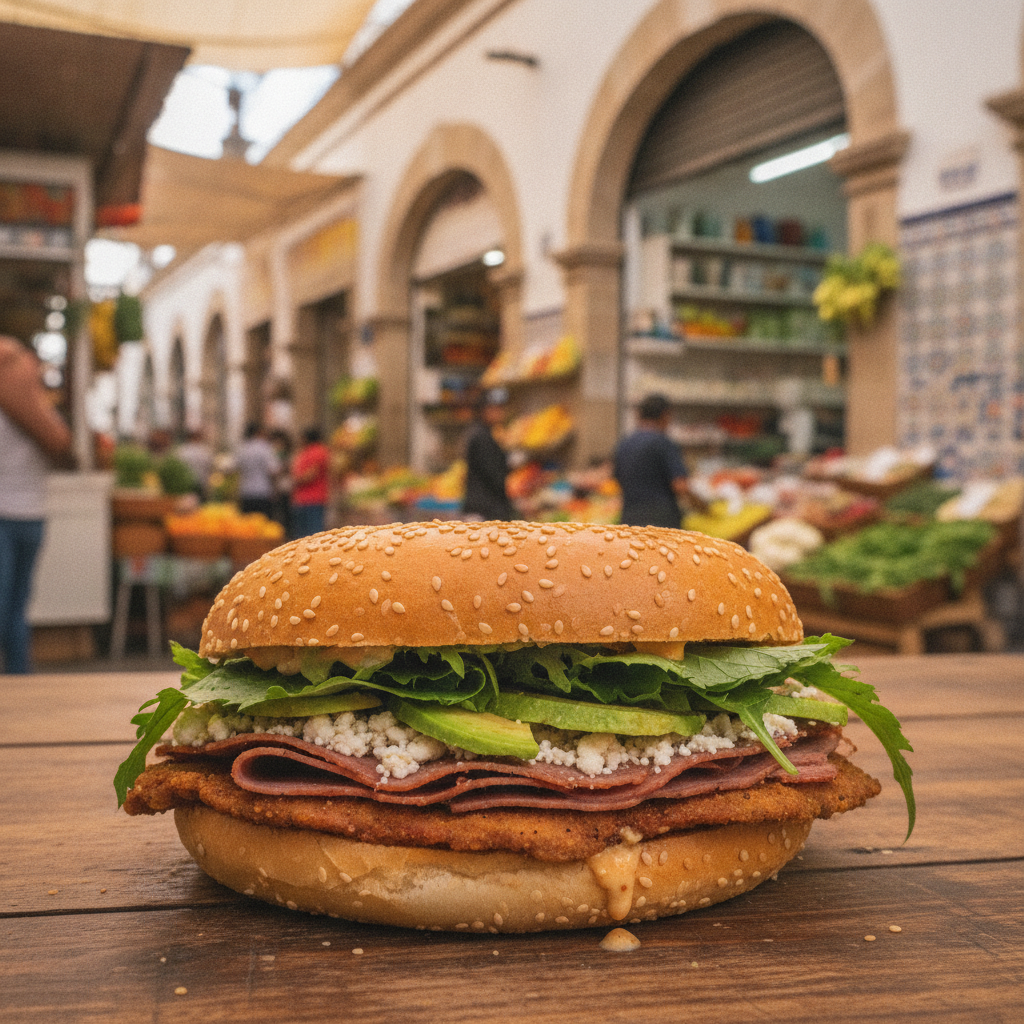
Puebla's claim to be the gastronomic capital of Mexico rests on the density and creativity of its culinary tradition, which developed in the colonial convent kitchens where the nuns of the Augustinian, Dominican, Franciscan, and Carmelite orders competed to produce the finest dishes for feast days and visits by the viceregal court, creating through a process of culinary one-upmanship the complex sauce and pastry tradition that defines Puebla cuisine. The convent kitchen tradition of Puebla is documented in the recipe manuscripts preserved in the Biblioteca Palafoxiana, the 17th-century library that holds one of the oldest cookbook collections in the Americas, and in the oral traditions of the families that have maintained the mole negro, the chile en nogada, and the pipian preparations through generations of domestic cooks. The cemita is the defining street food of Puebla: a sesame-seeded roll from the Mercado El Alto cemita stalls, stuffed with pork milanesa, Oaxacan string cheese, avocado, chipotles, onion, and the papalo herb that grows in the Puebla valleys and gives the sandwich its characteristic bright, sharp flavor that no substitute herb can replicate. The chalupa, a small fried masa boat topped with salsa verde or roja and shredded pork or chicken, is the Puebla street food most commonly eaten as a morning market snack, available from the chalupa vendors of the Mercado 5 de Mayo and the Barrio Alto. The mole negro of Puebla, distinct from the Oaxacan mole negro in its use of the mulato chile and its richer, darker color, is the sauce that the Puebla family restaurants serve for the comida del domingo, the Sunday meal that remains the primary occasion for the preparation of the most time-consuming dishes of the regional kitchen.