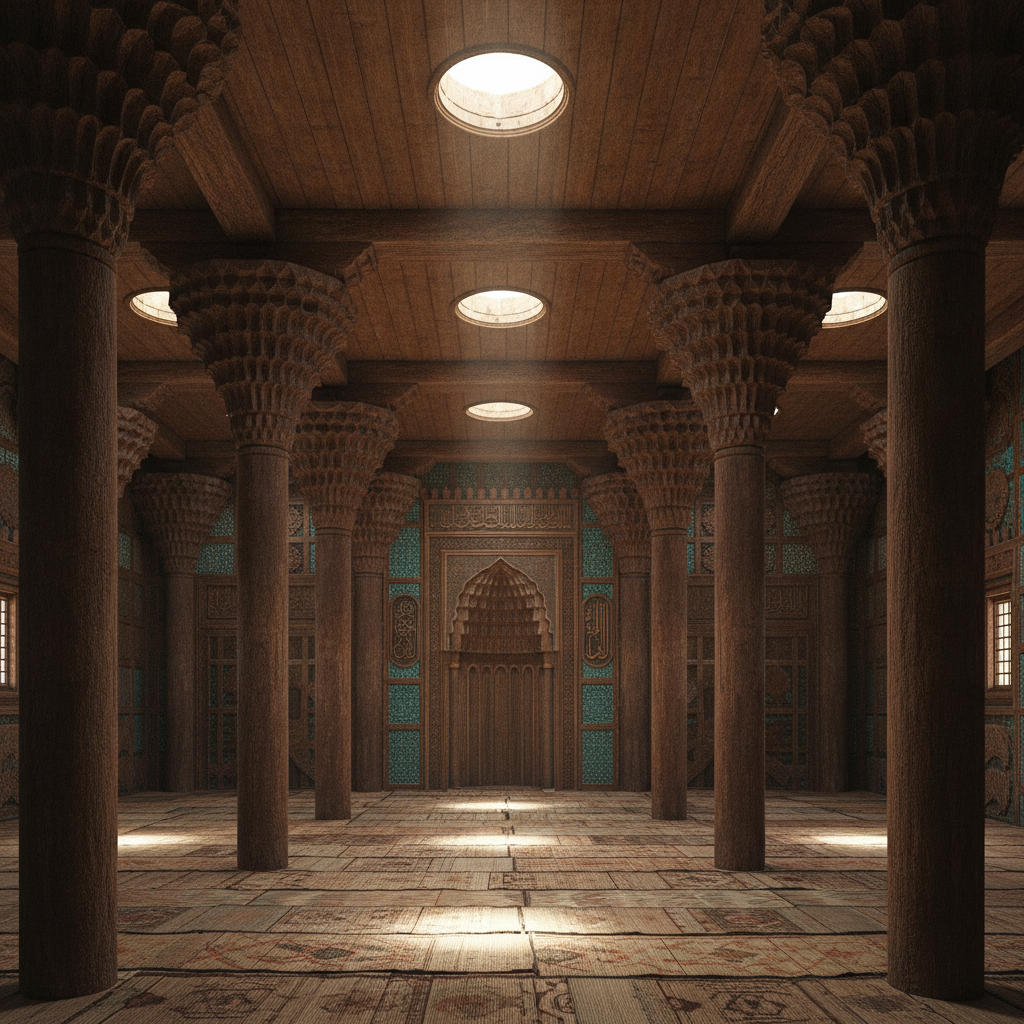

Beysehir Day Trip: The Esrefoglu Wooden Mosque, Beysehir Lake Ecology, the Sugla Wetland Bird Sanctuary, Takkeli Mountain, and the Anatolian Plateau Landscape
The Beysehir day trip covers the Esrefoglu Mosque as the most completely preserved wooden Seljuk mosque in Turkey, the Beysehir Lake ecosystem, the Sugla wetland bird sanctuary, the Takkeli mountain profile, and the Anatolian plateau landscape that surrounds Konya.
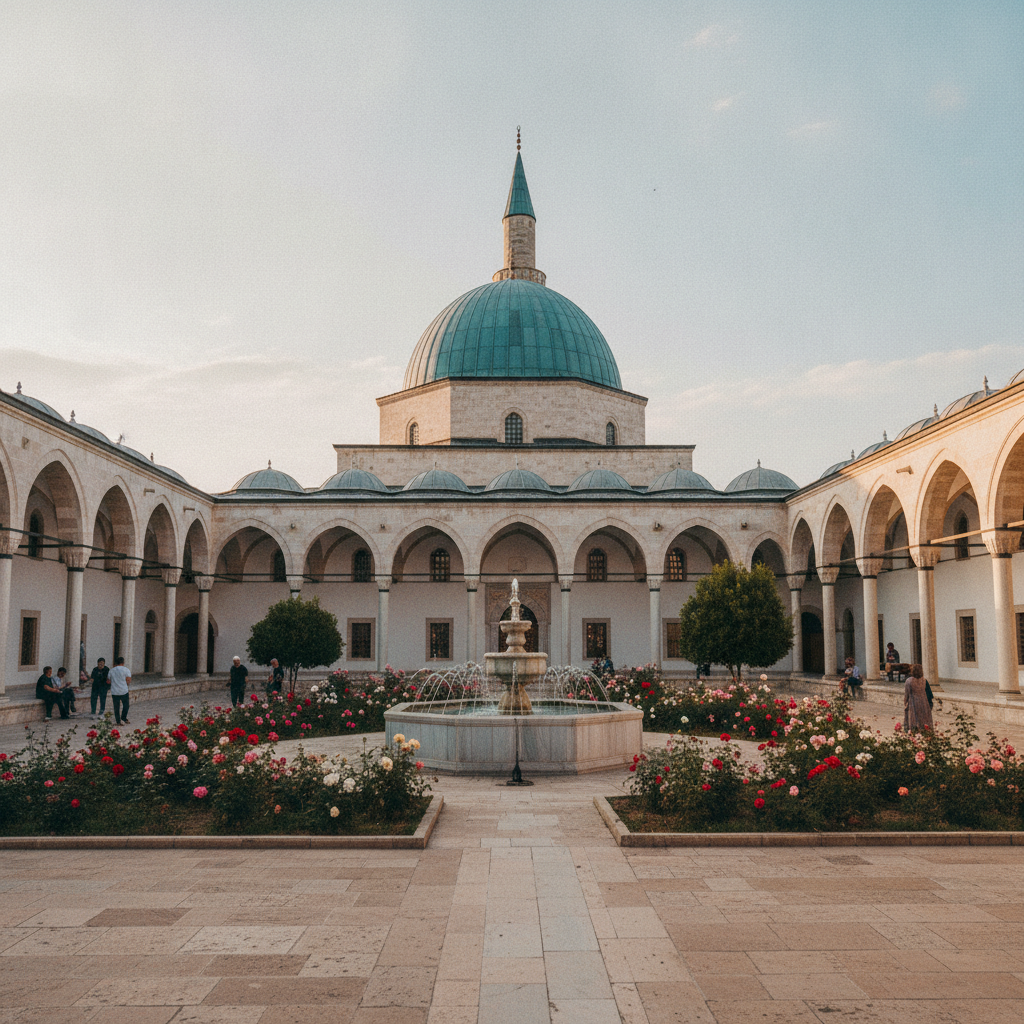
Rumi: Life and Philosophy, the Masnavi Spiritual Poem, the Transformative Meeting with Shams of Tabriz, the Mevlevi Order Founding, and the Global Legacy of the Most Translated Poet
The Rumi route covers the life journey from Balkh to Konya, the transformative meeting with Shams of Tabriz, the Masnavi as the greatest Sufi poem in any language, the founding of the Mevlevi order, and the contemporary global legacy that makes Rumi the best-selling poet in the United States.
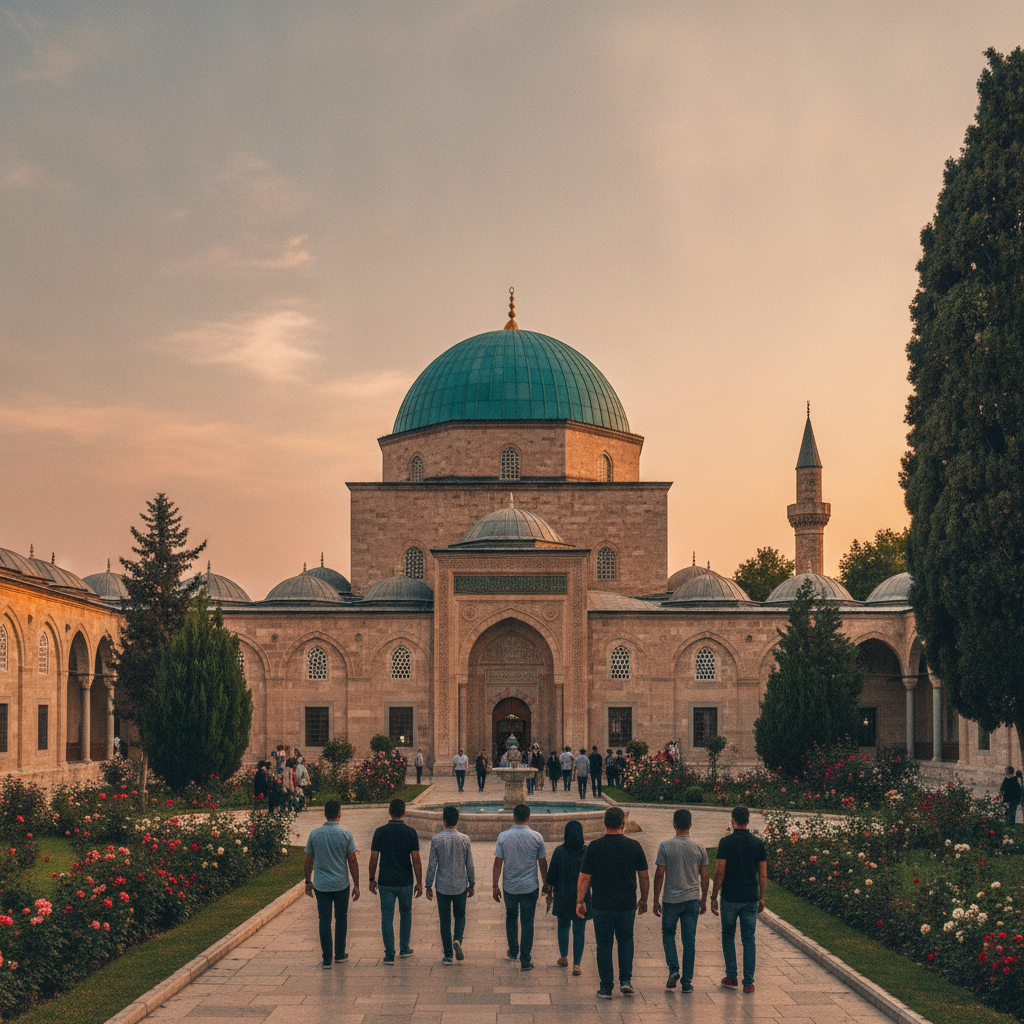
Konya Essential: Mevlana Museum and the Tomb of Rumi, the Sema Whirling Ceremony, the Karatay Medrese, Ince Minareli Medrese, the Aladdin Mosque, and the Seljuk Architectural Heritage
The Konya essential circuit covers the Mevlana Museum as the tomb of the Sufi poet Rumi and the most visited religious site in Turkey, the whirling dervish Sema ceremony, the Karatay Medrese with the finest Seljuk tile work, the Ince Minareli Medrese portal, the Aladdin Mosque on the Aladdin Hill, and the Seljuk architectural heritage that makes Konya the most complete single Seljuk capital in Anatolia.
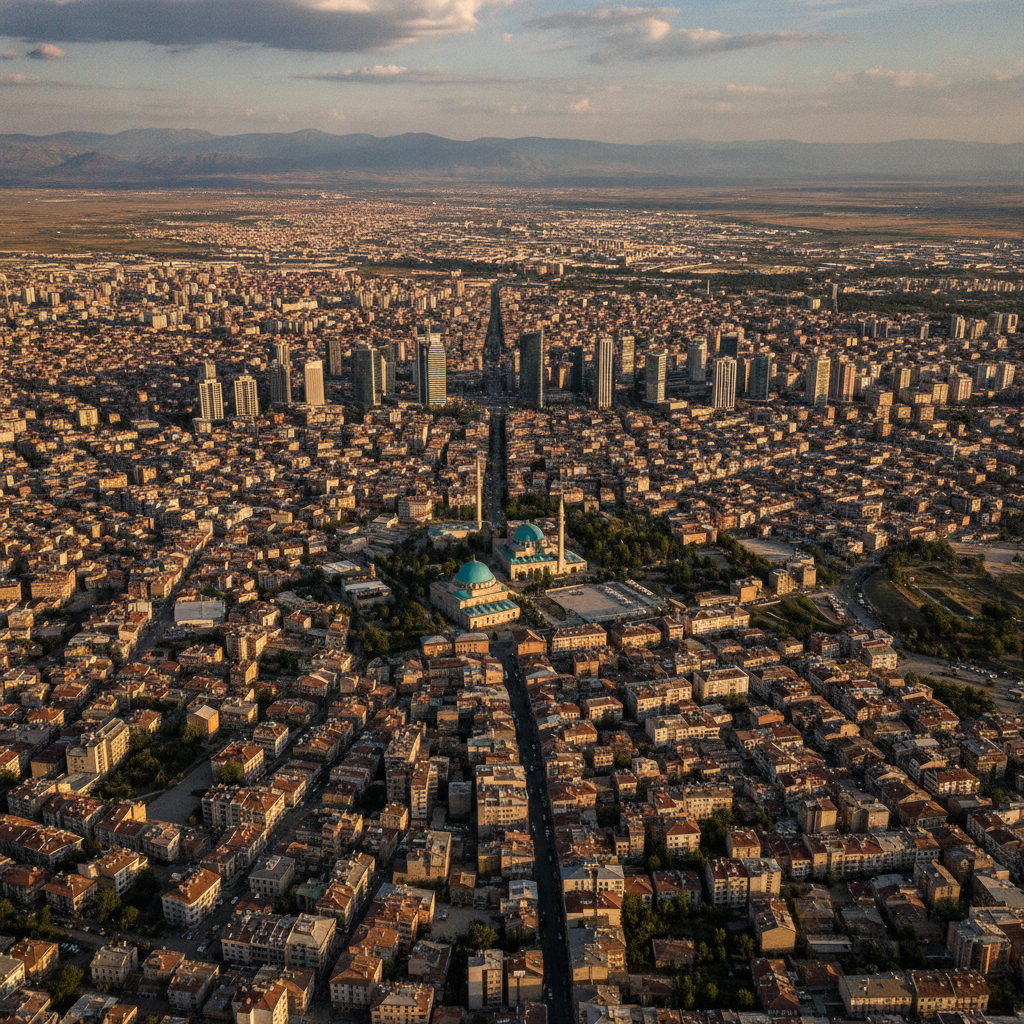
Konya Practical: Transport from Ankara and Istanbul, the Conservative City Navigation, the Best Accommodation Options, the Konya Circuit Timing, the Cappadocia Connection, and the Departure Summary
The Konya practical route covers the high-speed train from Ankara, the bus from Istanbul and other cities, navigating the conservative city culture as a non-Muslim visitor, the best accommodation in the Mevlana district, the Konya circuit combined with Cappadocia, and the departure summary.
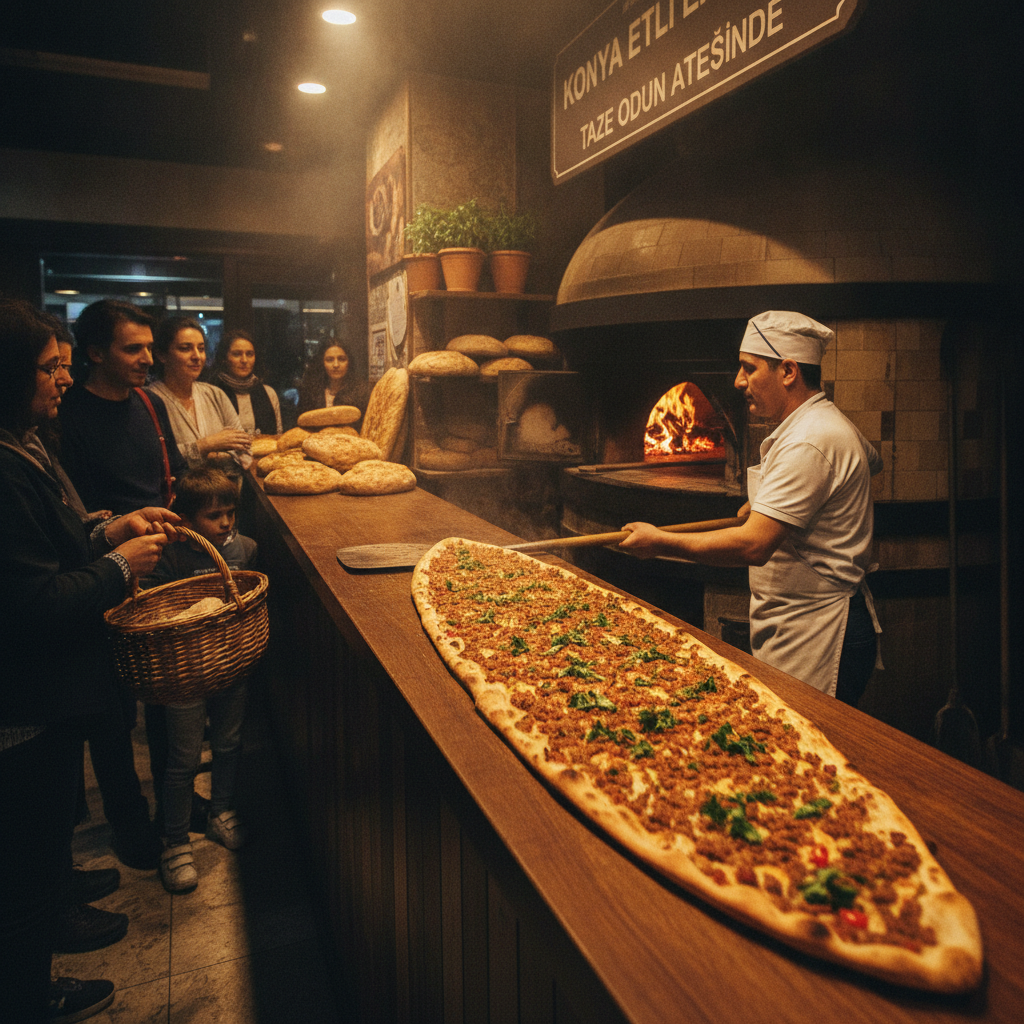
Konya Cuisine: Etli Ekmek Meat Flatbread, Firin Kebab, Sac Kavurma, the Mevlana Sugar Festival, the Konya Bazaar Food Culture, and the Conservative City Eating Tradition
The Konya cuisine route covers the etli ekmek as the defining Konya street food, the firin kebab slow-roasted lamb tradition, the sac kavurma iron plate meat cooking, the Mevlana Sugar Festival sweets tradition, the Konya bazaar food market culture, and the distinctive conservative city food identity.
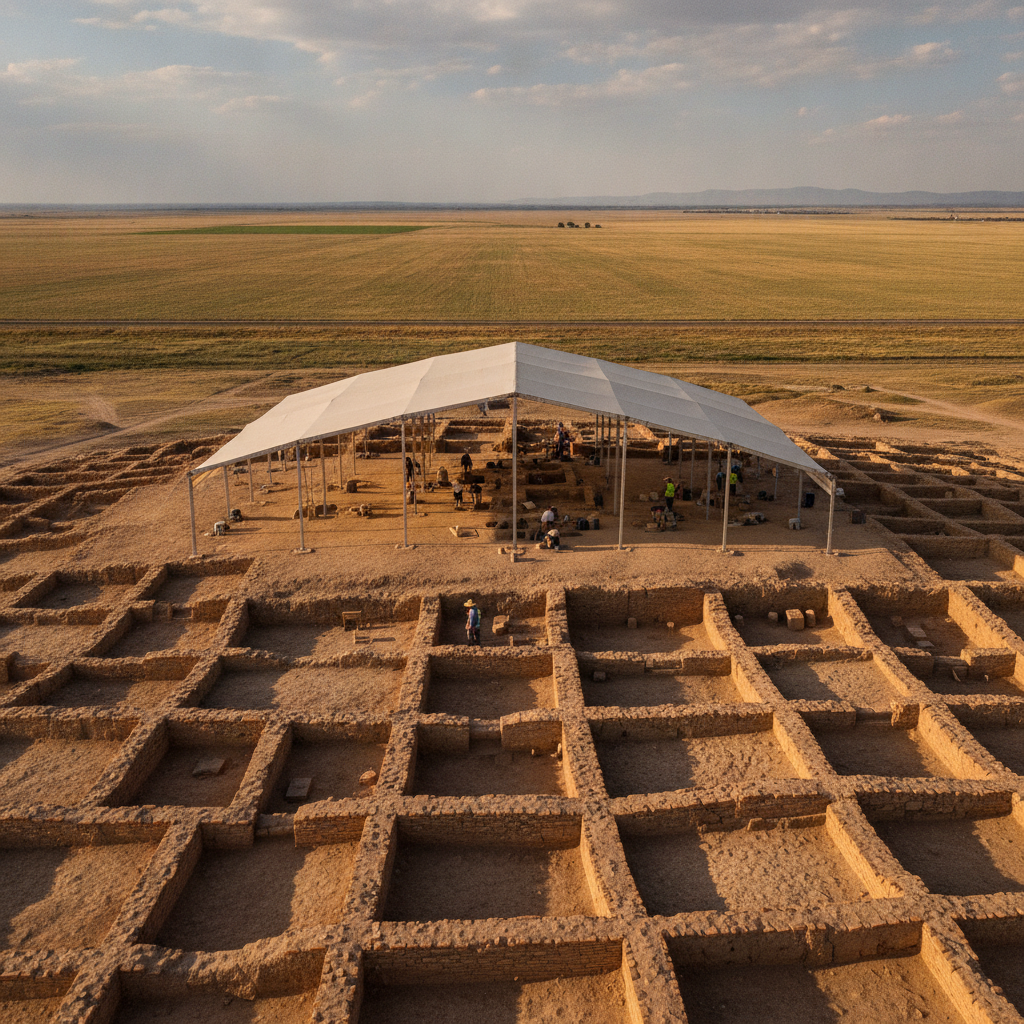
Catalhoyuk: The 9,000-Year-Old Neolithic Settlement, the Mother Goddess Figurines, the Wall Paintings, the Rooftop City Plan, the Ian Hodder Excavation, and the UNESCO World Heritage Designation
The Catalhoyuk route covers the Neolithic settlement founded around 7500 BC as one of the world first large human settlements, the famous seated goddess figurines, the wall paintings with the oldest known landscape representation, the unusual rooftop entry city plan, the Cambridge archaeologist Ian Hodder re-excavation, and the 2012 UNESCO inscription.
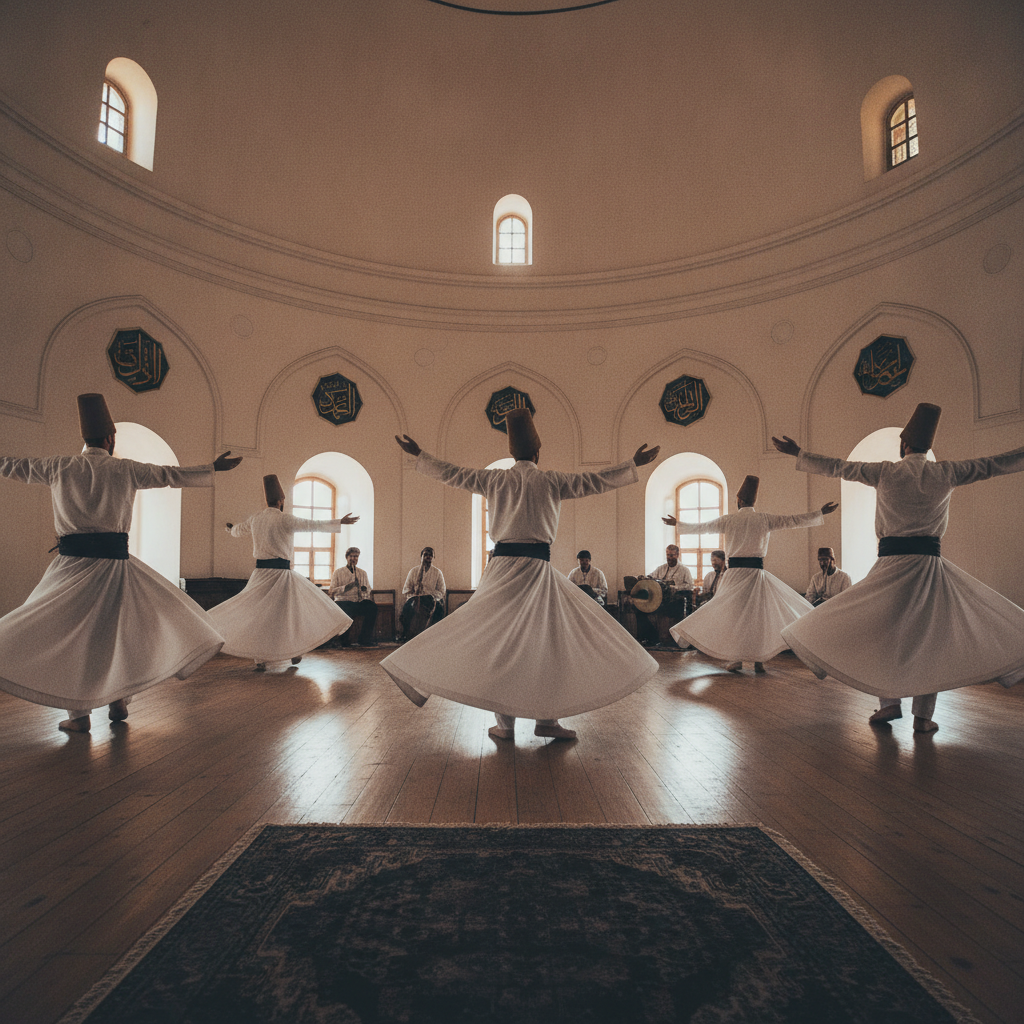
Sema Ceremony Deep Dive: The Spiritual Meaning of the Whirling, the Ney Reed Flute, the Sama Listening Practice, the Dervish Costume and Symbolism, the Ceremony Structure, and the Visitor Etiquette
The Sema ceremony deep dive covers the theological meaning of the counterclockwise turn, the ney reed flute as the instrument of divine longing, the sama listening meditation, the symbolism of the dervish costume, the four-part ceremony structure from the naat to the final prayer, and the etiquette for non-Muslim visitors attending a Sema performance.
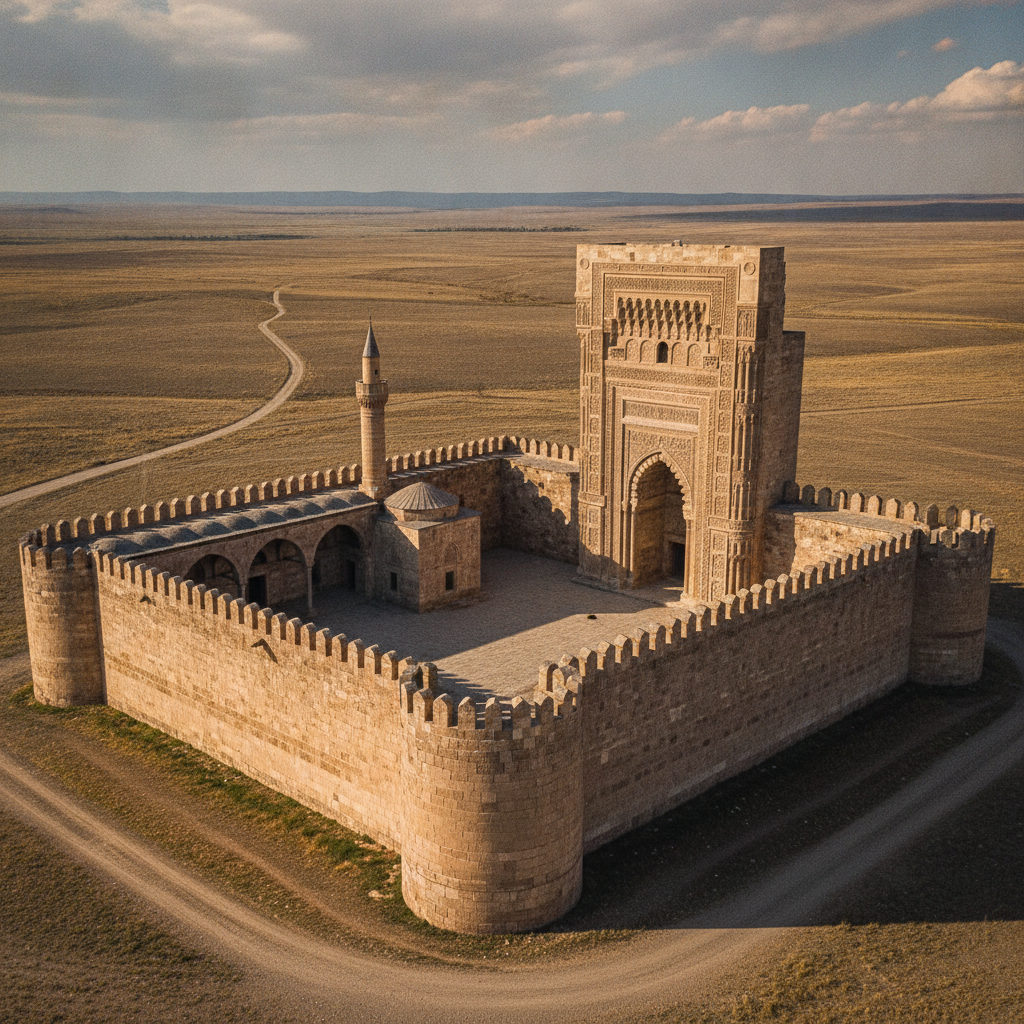
Seljuk Konya Architecture: The Sultan Alaeddin Keykubad Court, the Sircali Medrese, the Konya Han Caravanserai, the Sultanhanı Silk Road Inn, and the Seljuk Monumental Portal Tradition
The Seljuk architecture route covers the court of Sultan Alaeddin Keykubad I who built the most ambitious Seljuk building program, the Sircali Medrese with the ceramic facade, the Konya city caravanserai, the Sultanhanı as the largest Silk Road caravanserai in Anatolia, and the Seljuk monumental portal tradition that defines the architectural identity of 13th century Anatolia.