beijing
Entdecke Routen, Sehenswürdigkeiten und Reiseführer in Beijing.
9 Routen
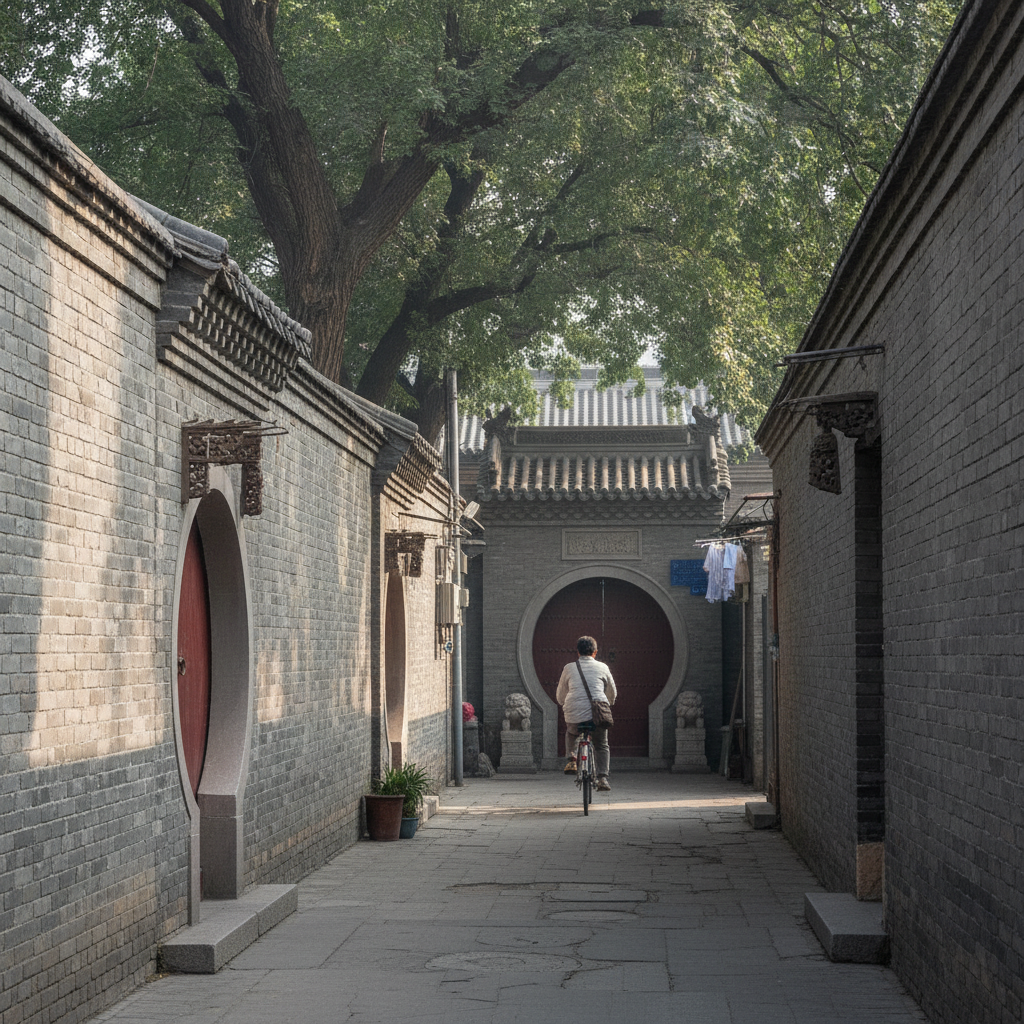
Hutong & Siheyuan — Die Hofhausstadt des Alten Pekings
Die Hutong (胡同 — die engen Altstadtgassen Pekings, im Rasterplan während der Yuan-Dynastie (1271-1368) angelegt) und die Siheyuan (四合院 — das geschlossene Hofhaus mit Gebäuden an allen vier Seiten eines zentralen Hofes) bilden zusammen das historische Stadtgefüge des vormodernen Pekings.
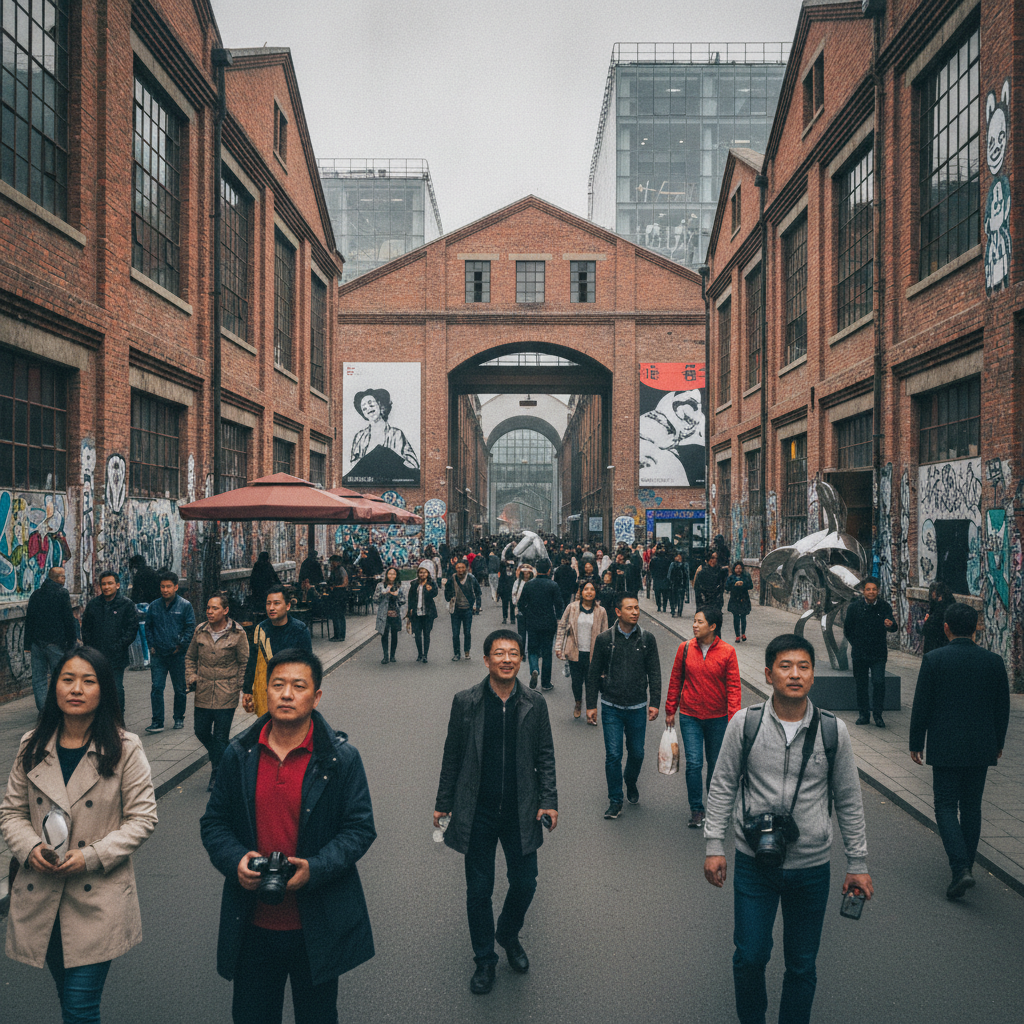
798 Kunstdistrikt & Zeitgenössisches Peking — Chinas Kreative Revolution
798 Art District (798艺术区 — the contemporary art district in the Chaoyang district of northeastern Beijing, in the former buildings of the state-owned 798 Joint Factory (the military electronics factory built with Soviet assistance in the 1950s in the Bauhaus-influenced East German industrial style (designed by East German architects during the 1950s Sino-Soviet friendship period)) — the most important contemporary art district in China and one of the most significant in Asia): the transformation of the factory complex (from 2002, when artists began renting the cheap industrial spaces) into a gallery, studio, and cultural venue complex has made 798 the symbol of China's contemporary art renaissance.
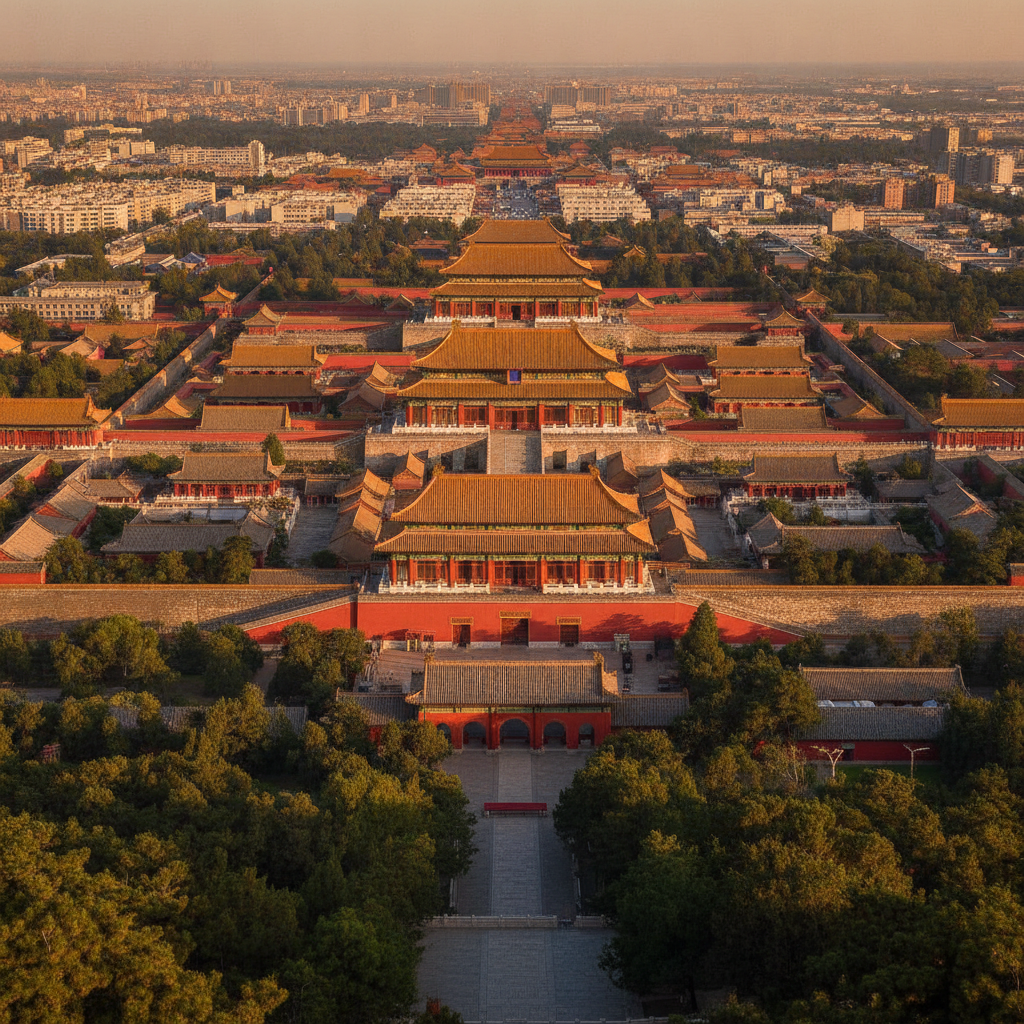
Verbotene Stadt, Tiananmen & das Imperiale Herz Pekings
Peking — die Hauptstadt der Volksrepublik China mit 21 Millionen Einwohnern und Sitz von 24 Kaisern über 491 Jahre in der Verbotenen Stadt — hat in der Verbotenen Stadt und dem Tiananmen-Platz das symbolische und geographische Zentrum einer der ältesten Zivilisationen der Welt.
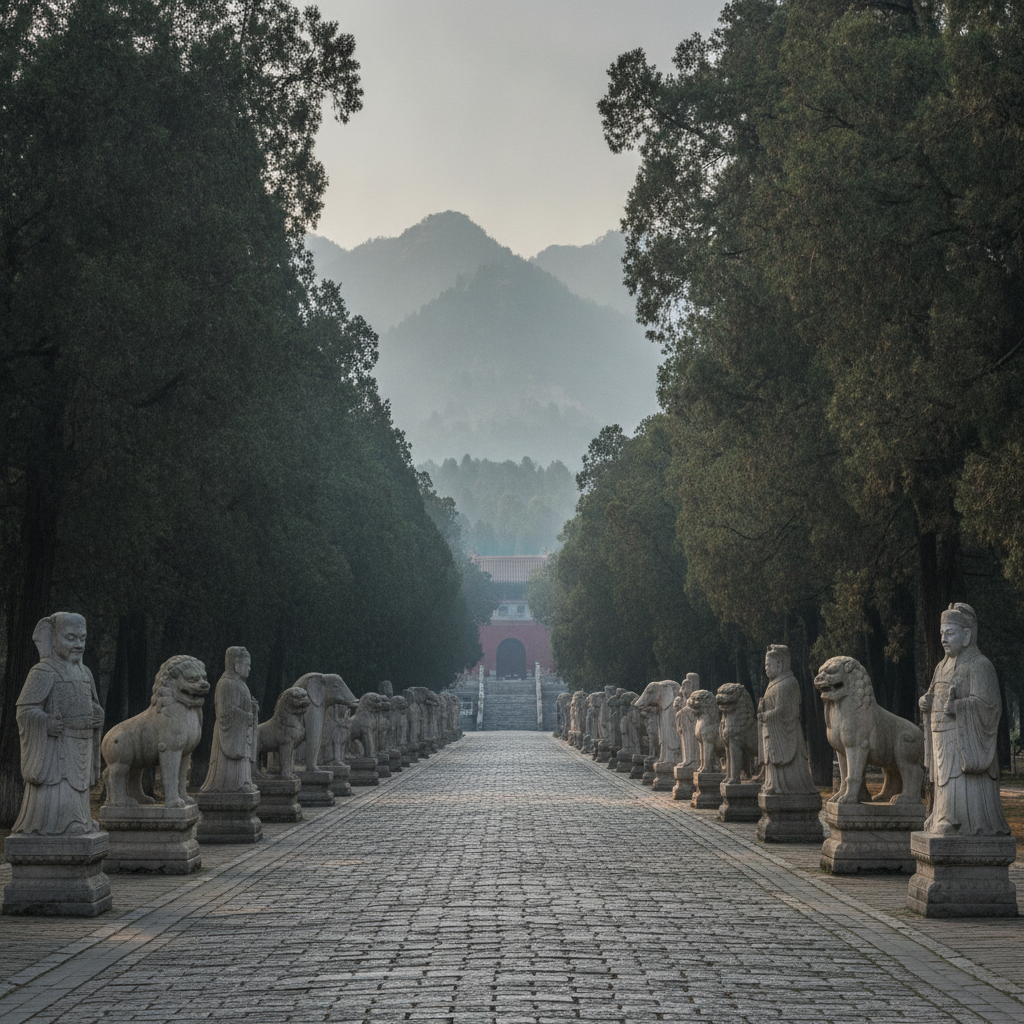
Ming-Gräber & der Heilige Weg — Pekings Kaiserliche Nekropole
The Ming Tombs (明十三陵 — Míng Shísān Líng — 'Ming Thirteen Mausoleums', in the Changping district 50 km north of Beijing — the burial site of 13 of the 16 Ming dynasty emperors (1368-1644), UNESCO World Heritage since 2003 as part of the 'Imperial Tombs of the Ming and Qing Dynasties'): the Ming Tombs complex (covering approximately 120 km² in a horseshoe-shaped valley enclosed by mountains on three sides — the ideal fengshui (风水 — Chinese geomancy) landscape for an imperial necropolis) contains the most extensive surviving collection of Ming dynasty funerary architecture in China.
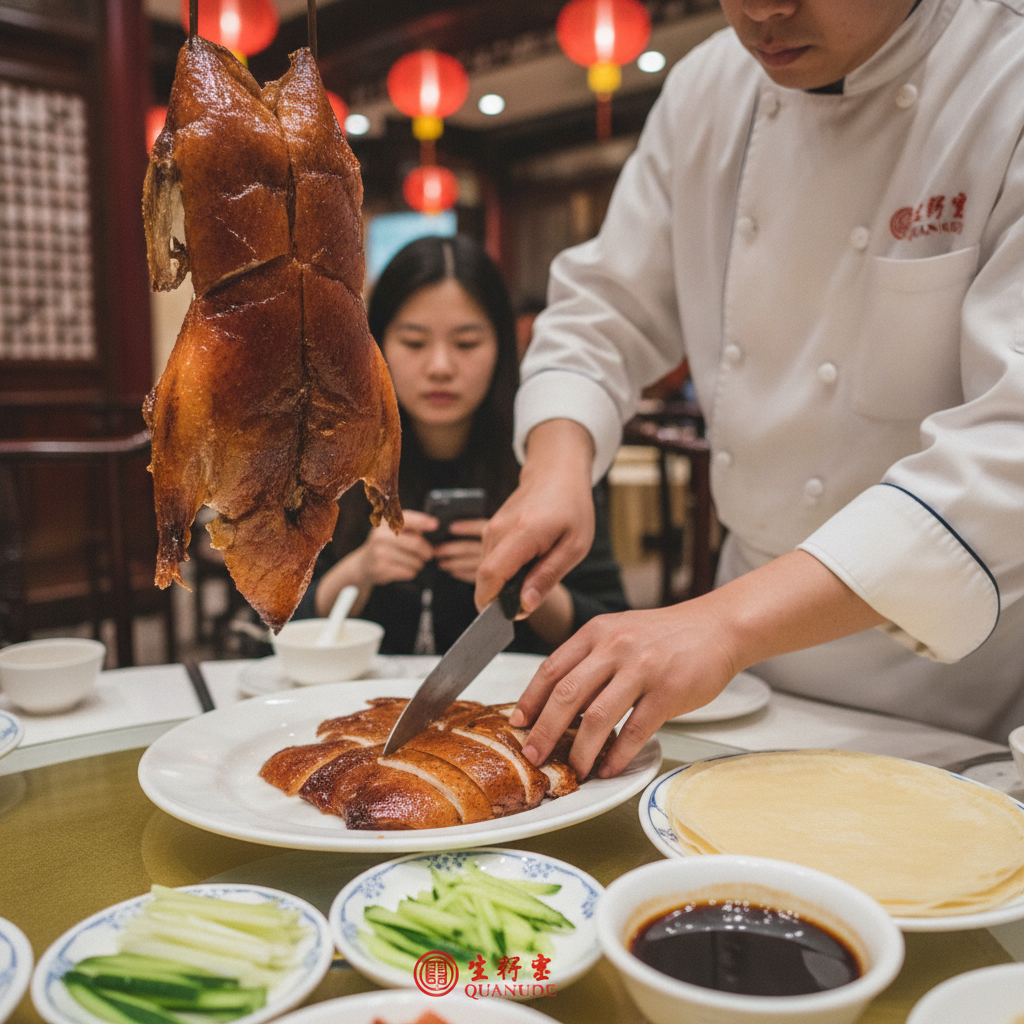
Peking Ente, Jiaozi & die Kaiserliche Gastronomie Pekings
Beijing cuisine (北京菜 — the culinary tradition of China's northern capital, combining the roasted meat traditions of the northern Chinese and Mongolian nomadic heritage (Peking Duck, roasted lamb) with the elaborate court cuisine of the Qing dynasty Imperial Kitchen (御膳房) and the dumpling (饺子 — jiǎozi) culture of northern China): Peking Duck (北京烤鸭) is the most internationally celebrated Chinese dish and the defining food experience of a visit to Beijing.
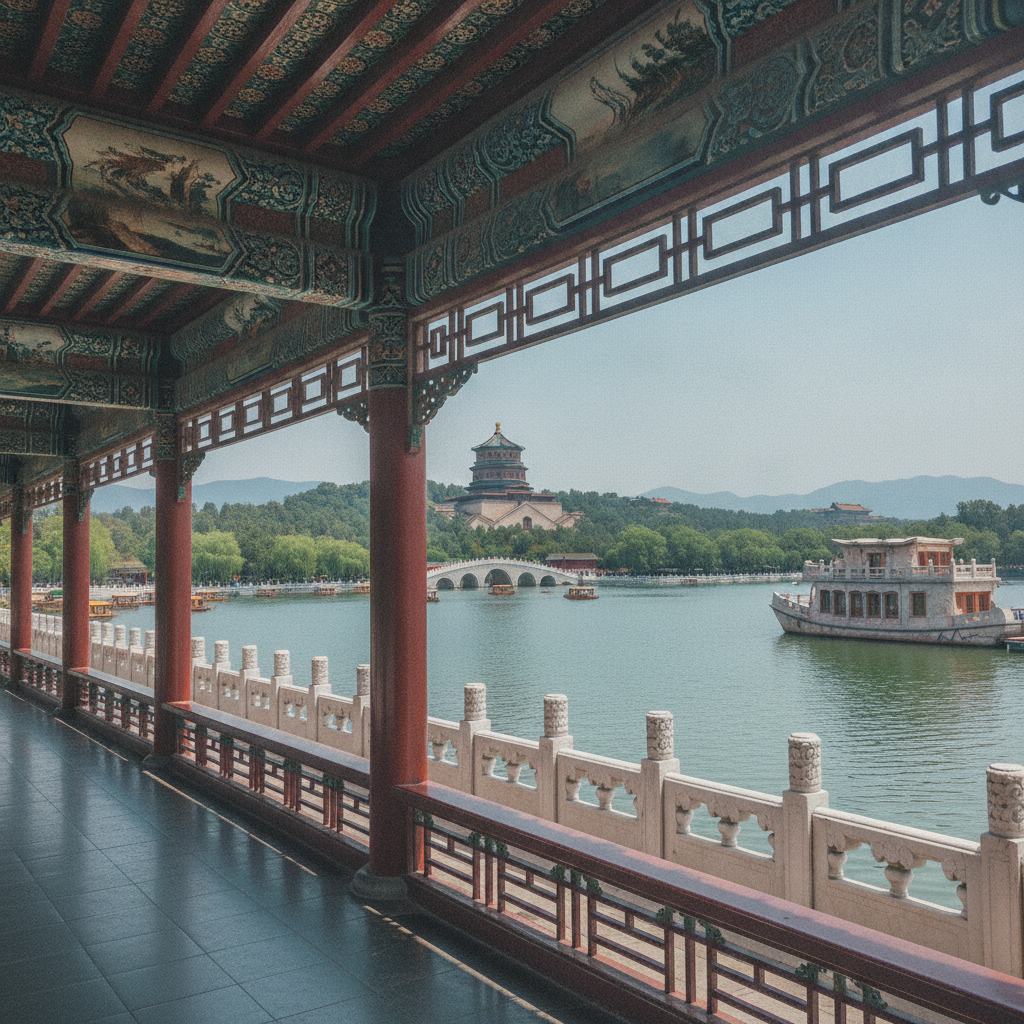
Sommerpalast & Yuanmingyuan — Pekings Kaiserliches Gartenerbe
Der Sommerpalast (颐和园 — der Kaiserliche Garten am nordwestlichen Stadtrand Pekings, mit 290 Hektar, davon 220 Hektar Kunming-See — UNESCO-Welterbe seit 1998) ist das feinste erhaltene Beispiel chinesischen kaiserlichen Gartendesigns und der schönste Einzelort in Peking.
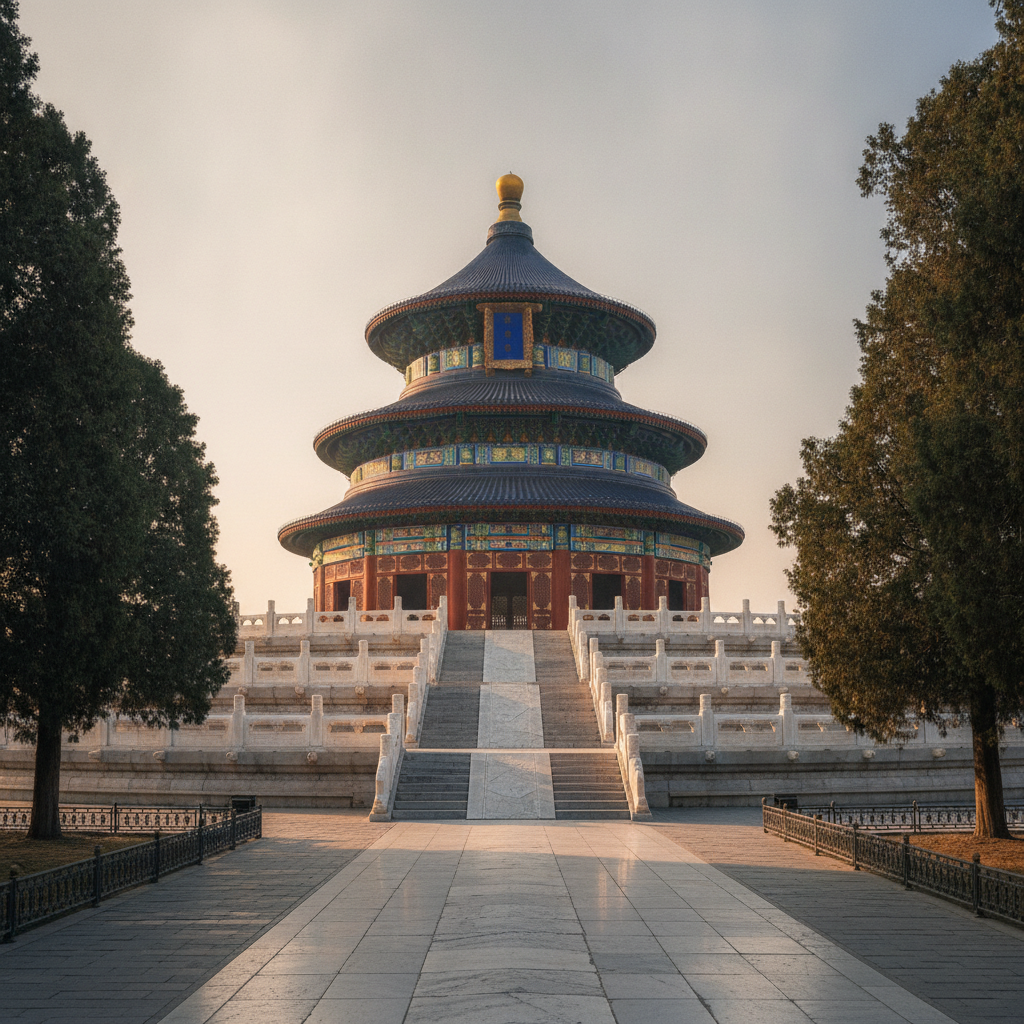
Himmelstempel — Das Heilige Herz des Kaiserlichen Chinas
Temple of Heaven (天坛 — Tiāntán — UNESCO World Heritage since 1998, in the Chongwen district of southern Beijing — the complex of religious buildings where the Ming and Qing emperors conducted the state ceremonies of Heaven worship from 1420 to 1914): the complex (covering 273 hectares, the largest surviving imperial altar complex in China) includes the Hall of Prayer for Good Harvests (祈年殿 — the circular triple-eaved hall on a three-tiered marble platform, built without a single nail, the blue roof tiles representing Heaven — the most photographed building in Beijing other than the Forbidden City) and the Circular Mound Altar (圜丘坛 — the open-air white marble three-tiered circular altar where the emperor performed the Heaven sacrifice).
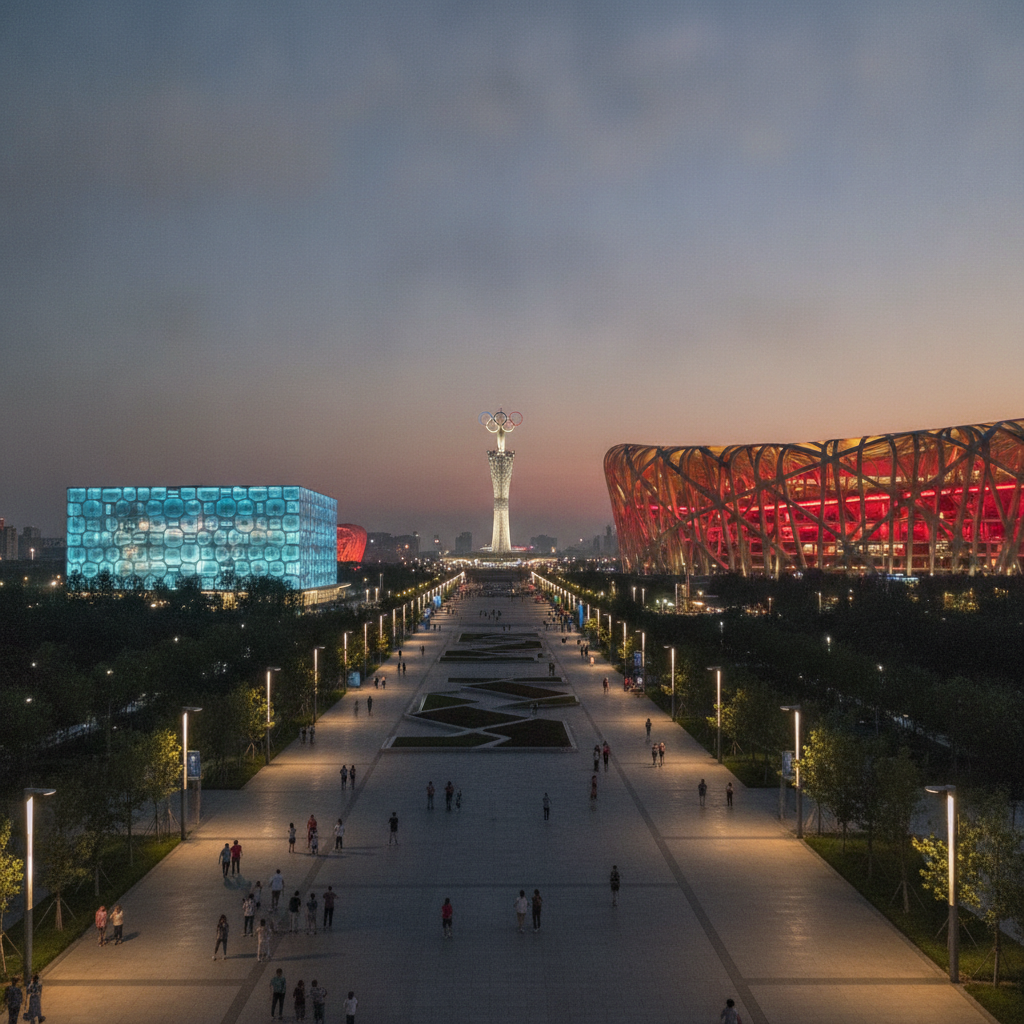
Olympiapark — Das Vogelnest, der Wasserwürfel & das Erbe Pekings 2008
Beijing Olympic Park (北京奥林匹克公园 — the park in the Chaoyang district of northern Beijing that hosted the 2008 Summer Olympics and was also the main venue cluster for the 2022 Winter Olympics — the only city in the world to have hosted both the Summer and Winter Olympics): the National Stadium (国家体育场 — the 'Bird's Nest', designed by Herzog & de Meuron with artist Ai Weiwei as artistic consultant, capacity 91,000) and the National Aquatics Center (国家游泳中心 — the 'Water Cube' / 'Ice Cube', now used as a curling venue) are the architectural centrepieces.
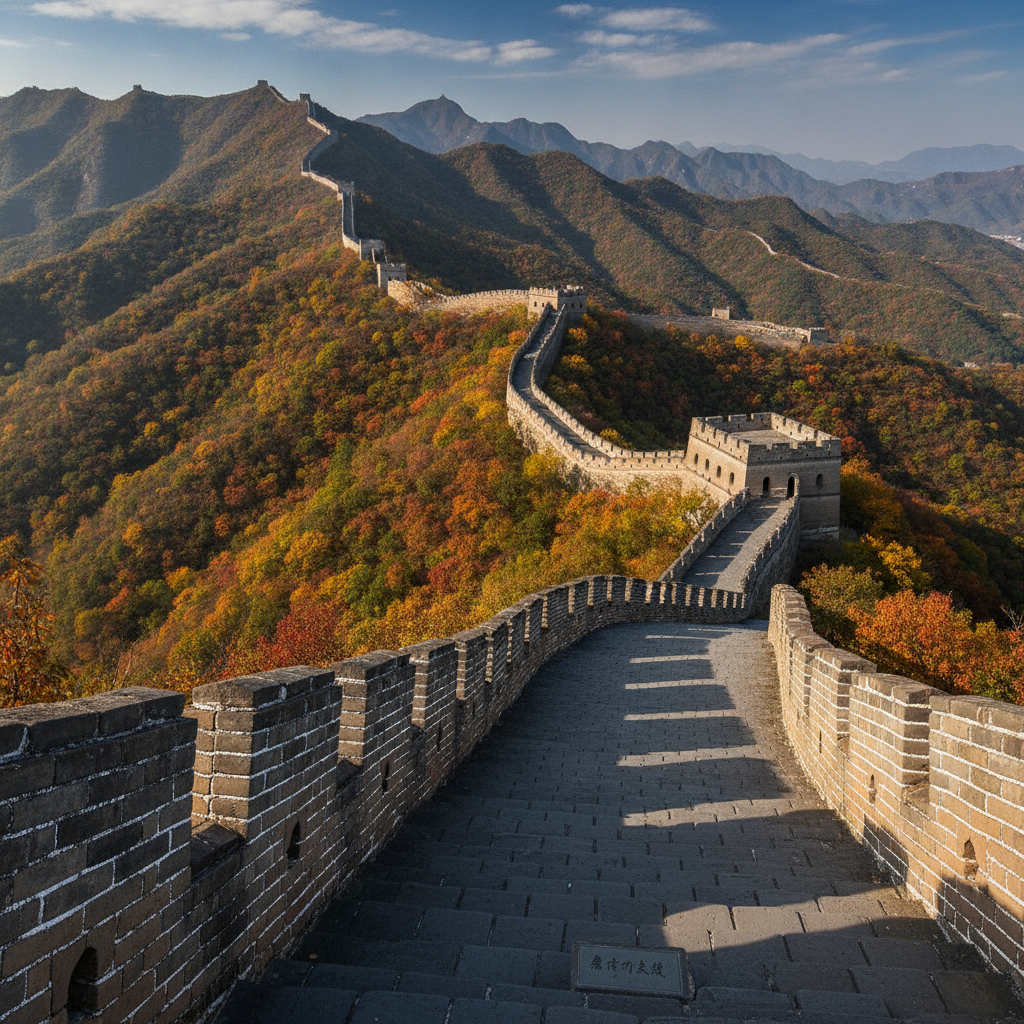
Die Chinesische Mauer — Mutianyu, Badaling & Jinshanling
Die Chinesische Mauer (万里长城 — die Reihe von Befestigungsmauern, die über mehr als 2.000 Jahre durch Nordchina gebaut wurden, UNESCO-Welterbe seit 1987) ist das größte Bauwerk in der Geschichte der Menschheit und das weltweit bekannteste Symbol Chinas.