havana
Entdecke Routen, Sehenswürdigkeiten und Reiseführer in Havana.
9 Routen
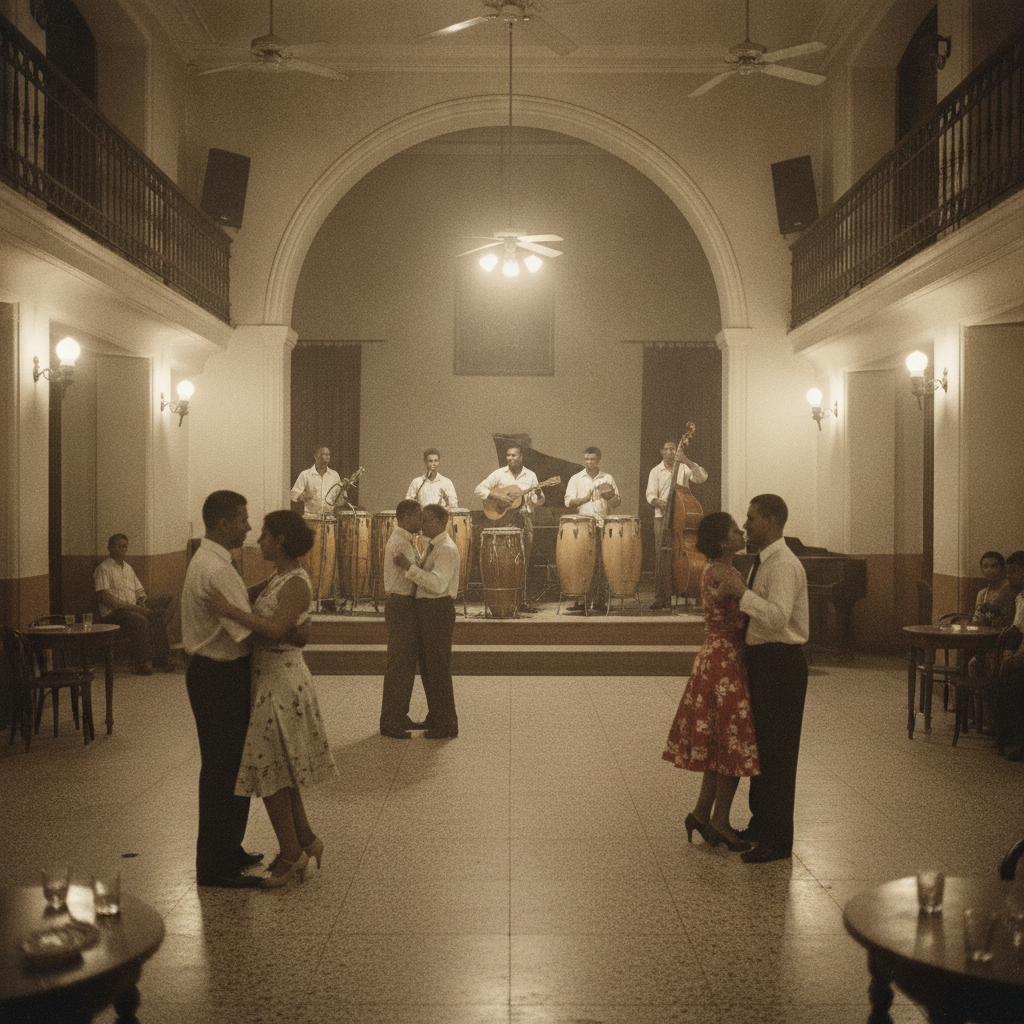
Son Cubano, Salsa & Havannas Lebendige Musikkultur
Havanna (die Stadt, die der Welt den Son Cubano, den Mambo, den Cha-Cha-Chá, den Bolero und die Danzonete schenkte): die Musik Havannas — die lebendige Musikkultur einer Stadt, in der Straßenecken Salsa-Bands haben, Bars Trova-Sänger haben und Grand Hotels Mambo-Orchester haben — ist Kubas mächtigster Kulturexport.
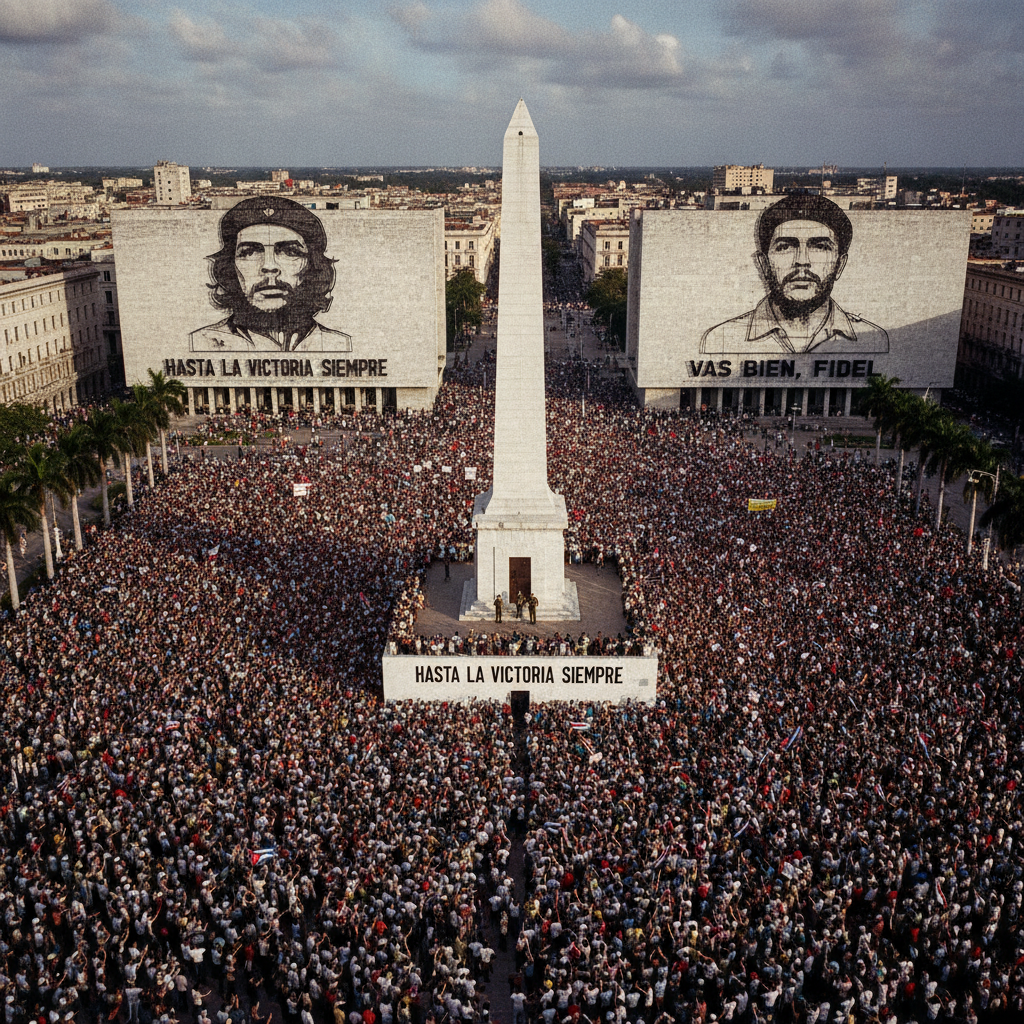
Vedado, Plaza de la Revolución & Havanna im 20. Jahrhundert
Vedado (the upscale 20th-century district west of La Habana Vieja — the district of the Hotel Nacional, the Art Deco apartment buildings, the Universidad de La Habana, and the Coppelia ice cream park) and the Plaza de la Revolución (the enormous civic square with the Che Guevara mural and the José Martí memorial) represent the 20th-century face of Havana, from the opulence of the pre-Revolutionary period to the revolutionary iconography of the post-1959 period.
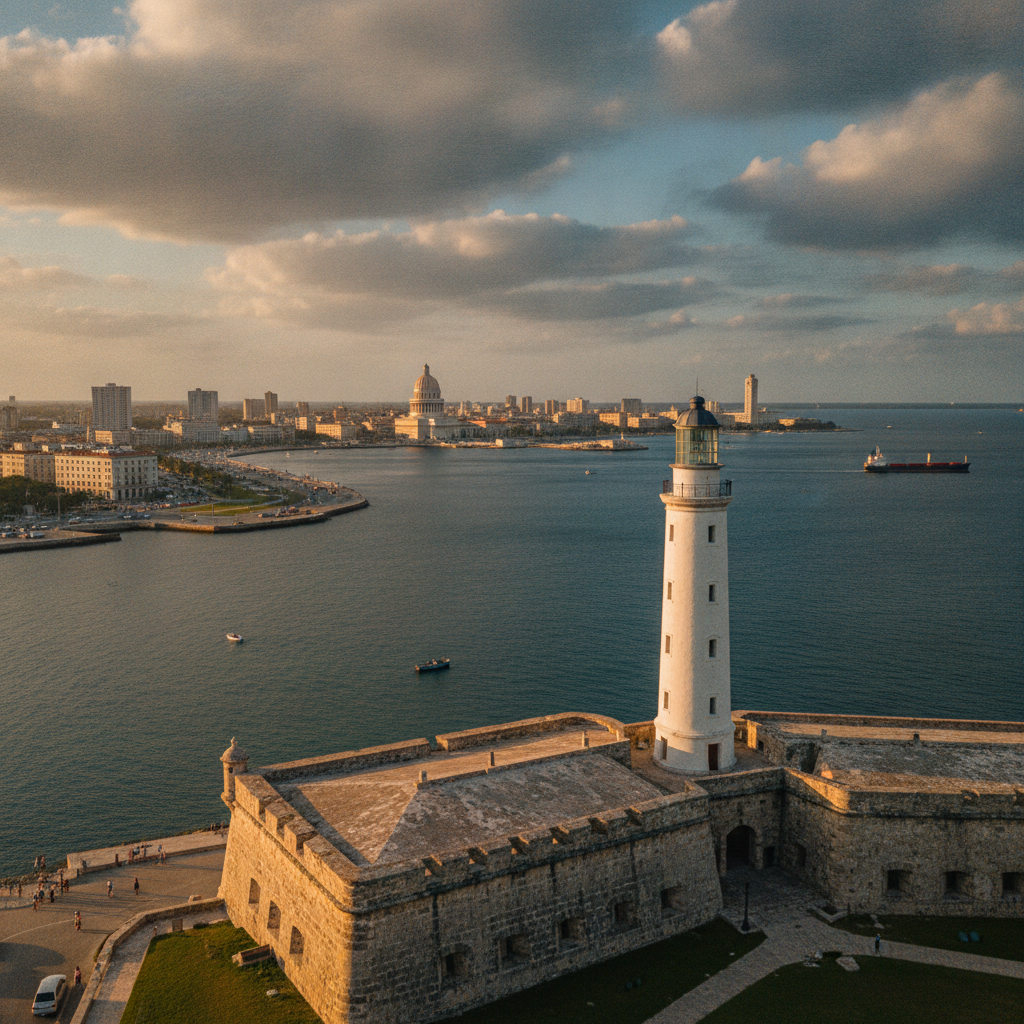
El Morro, Havannas Hafen & Die Bucht
The Castillo de los Tres Reyes del Morro ('El Morro' — the 16th-17th century Spanish colonial fortress on the eastern headland of Havana harbour, the most photographed landmark in Cuba) and the adjoining Fortaleza de San Carlos de la Cabaña (the 18th-century fortress — the largest Spanish colonial fortress in the Americas) together guard the entrance to the Havana Bay, offering the finest panoramic views of Havana and the ritual of the 'Cañonazo' (the nightly 9 PM cannon firing).
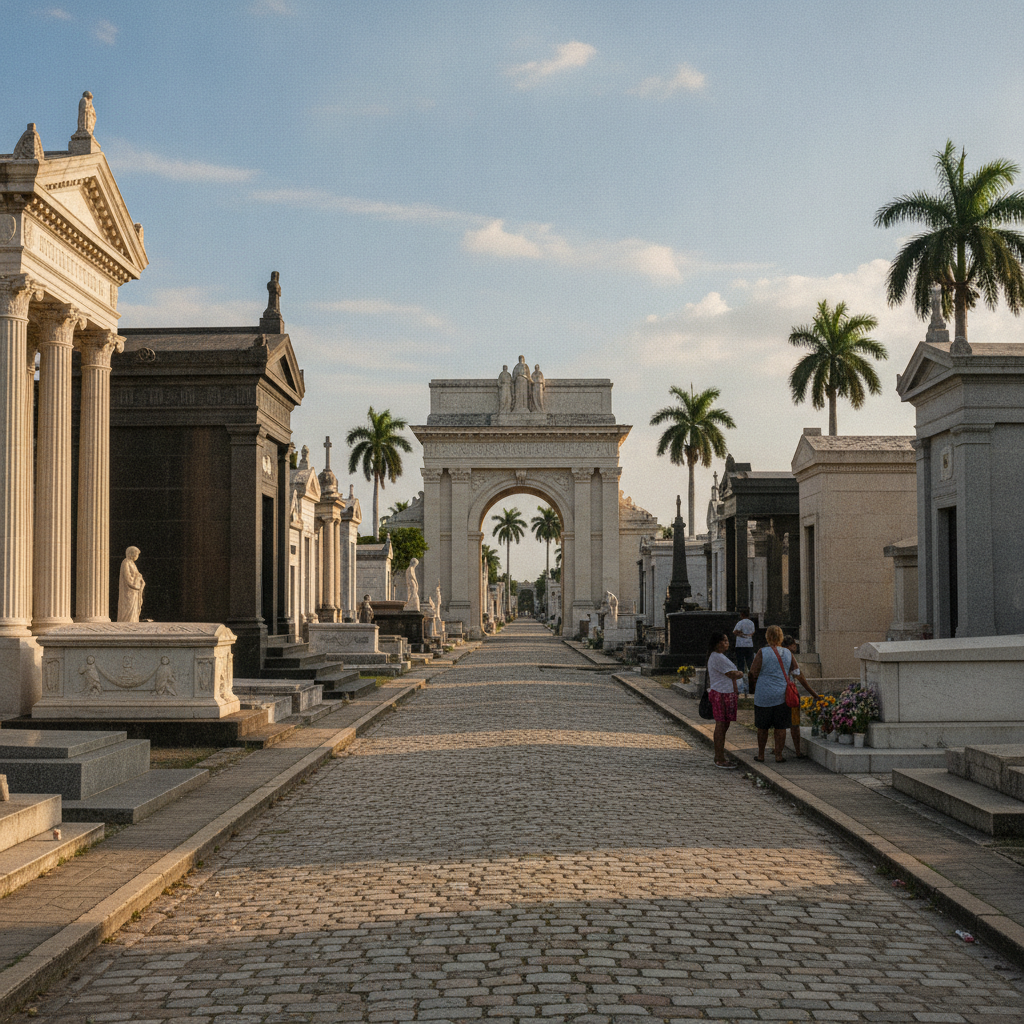
Cementerio de Colón — Havannas Stadt der Toten
The Cementerio de Cristóbal Colón (the 'Christopher Columbus Cemetery' — the vast neoclassical cemetery in the Vedado district of Havana, covering 57 hectares (141 acres) with over 800,000 burial sites) is one of the most remarkable necropoli in the Americas — a city of the dead with the most extraordinary collection of funerary architecture in the Caribbean, from neoclassical mausoleums to Art Deco tombs to modernist memorials.
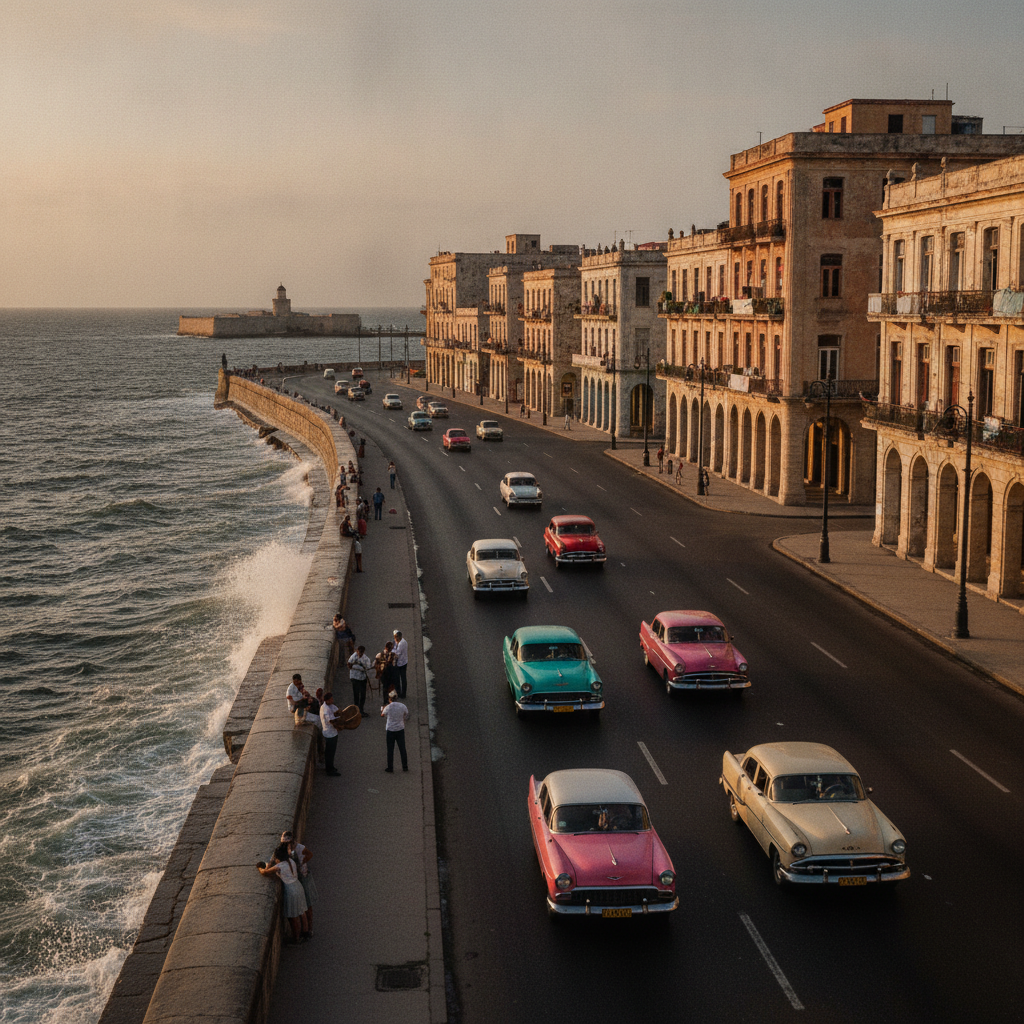
Habana Vieja, der Malecón & Havannas Oldtimer
Havanna (die Hauptstadt Kubas, mit etwa 2,1 Millionen Einwohnern in der Stadt): das UNESCO-Welterbe der Altstadt von Havanna (La Habana Vieja) und der Malecón (die 8 Kilometer lange Uferpromenade — der berühmteste öffentliche Raum Kubas) sind das Herz der Identität Havannas.
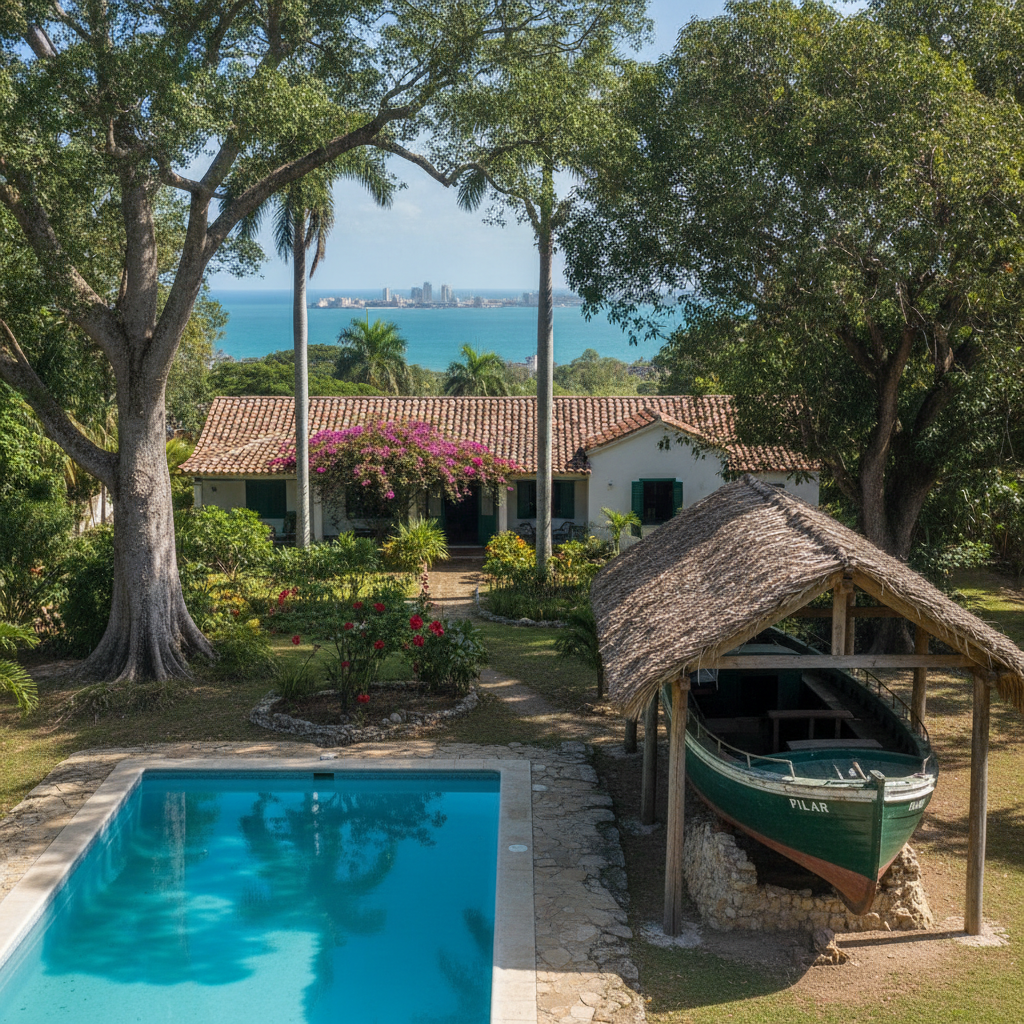
Hemingways Havanna — Finca Vigía, Cojímar & Der Alte Mann und das Meer
Ernest Hemingway lebte 22 Jahre in Kuba (1939-1960), länger als irgendwo sonst auf der Welt — die Jahre, in denen er 'Wem die Stunde schlägt' (1940) und 'Der alte Mann und das Meer' (1952) schrieb, die Novelle, die den Pulitzer-Preis gewann (1953) und bei der Verleihung des Nobelpreises für Literatur an Hemingway (1954) zitiert wurde.
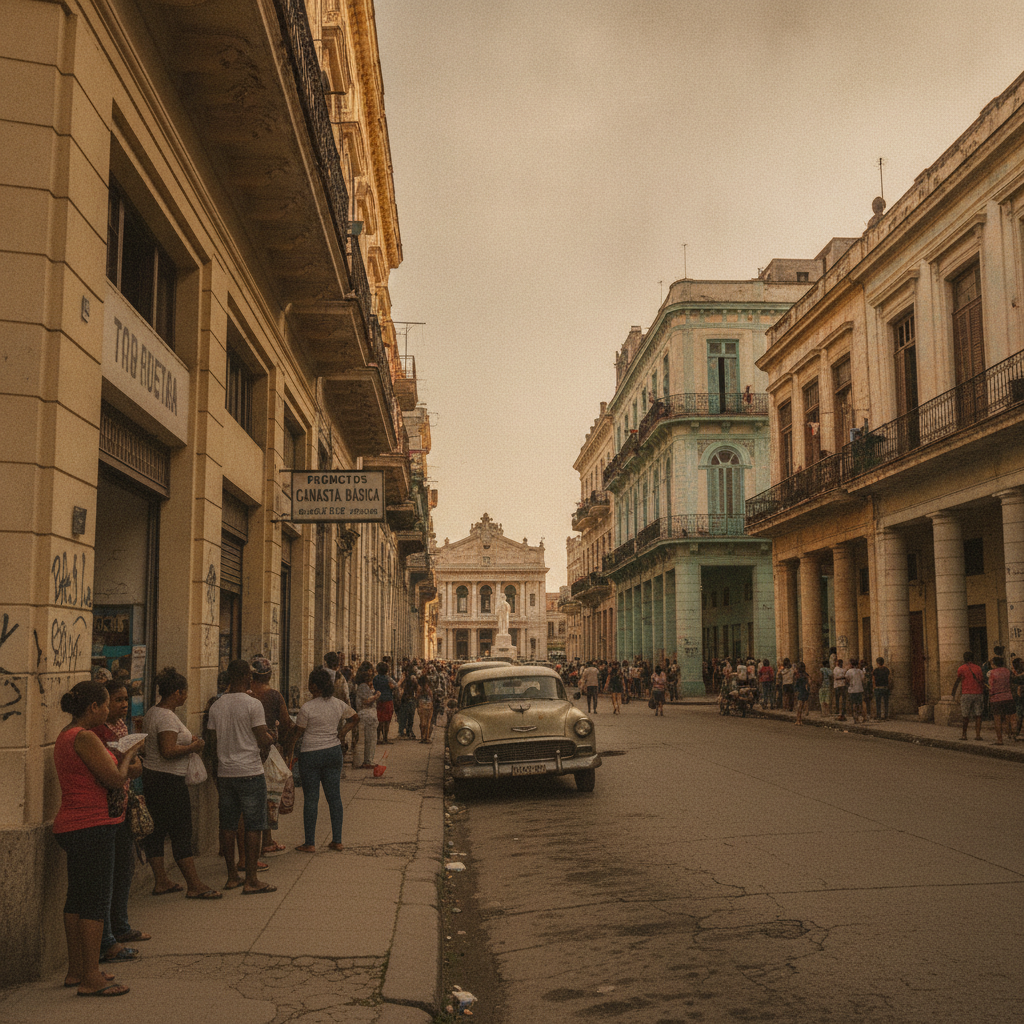
Centro Habana, Barrio Chino & das Leben Zwischen den Monumenten
Centro Habana (the central district of Havana between La Habana Vieja and Vedado — the most densely populated district of the city, the neighbourhood of the ordinary Havanans, with the Barrio Chino (the Chinatown — the largest Chinatown in Latin America in the mid-20th century, now reduced to a few Chinese restaurants and cultural institutions), the Callejón de Hamel (the Afro-Cuban cultural alley), and the Paseo del Prado (the tree-lined boulevard modelled on Las Ramblas in Barcelona)) is the most authentic and least touristy face of contemporary Havana.
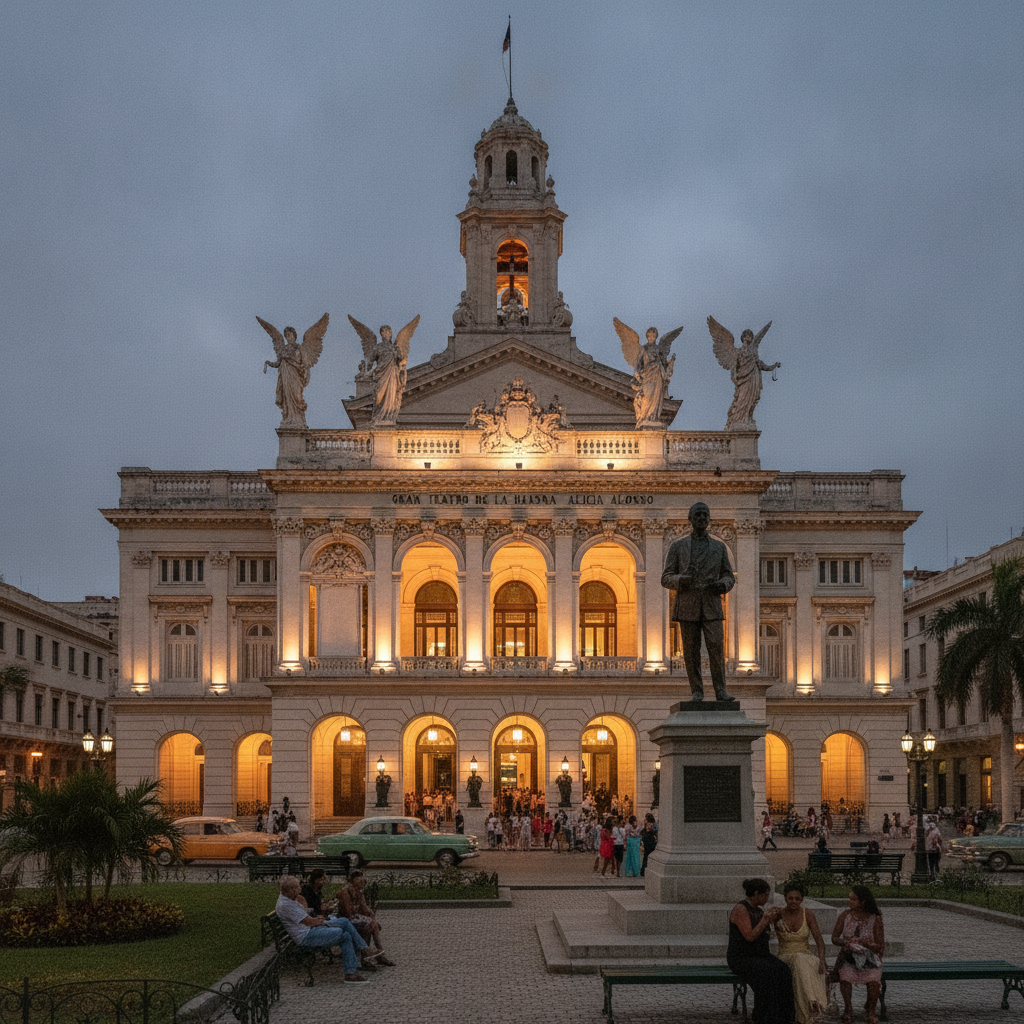
Gran Teatro, Nationalballett & Havannas Darstellende Kunstszene
Das Gran Teatro de La Habana Alicia Alonso und das Ballet Nacional de Cuba (die 1948 von der legendären kubanischen Ballerina Alicia Alonso (1920-2019) gegründete Kompanie, die die Kompanie bis zu ihrem Tod im Alter von 98 Jahren leitete) sind die höchsten Errungenschaften der kubanischen Hochkultur.
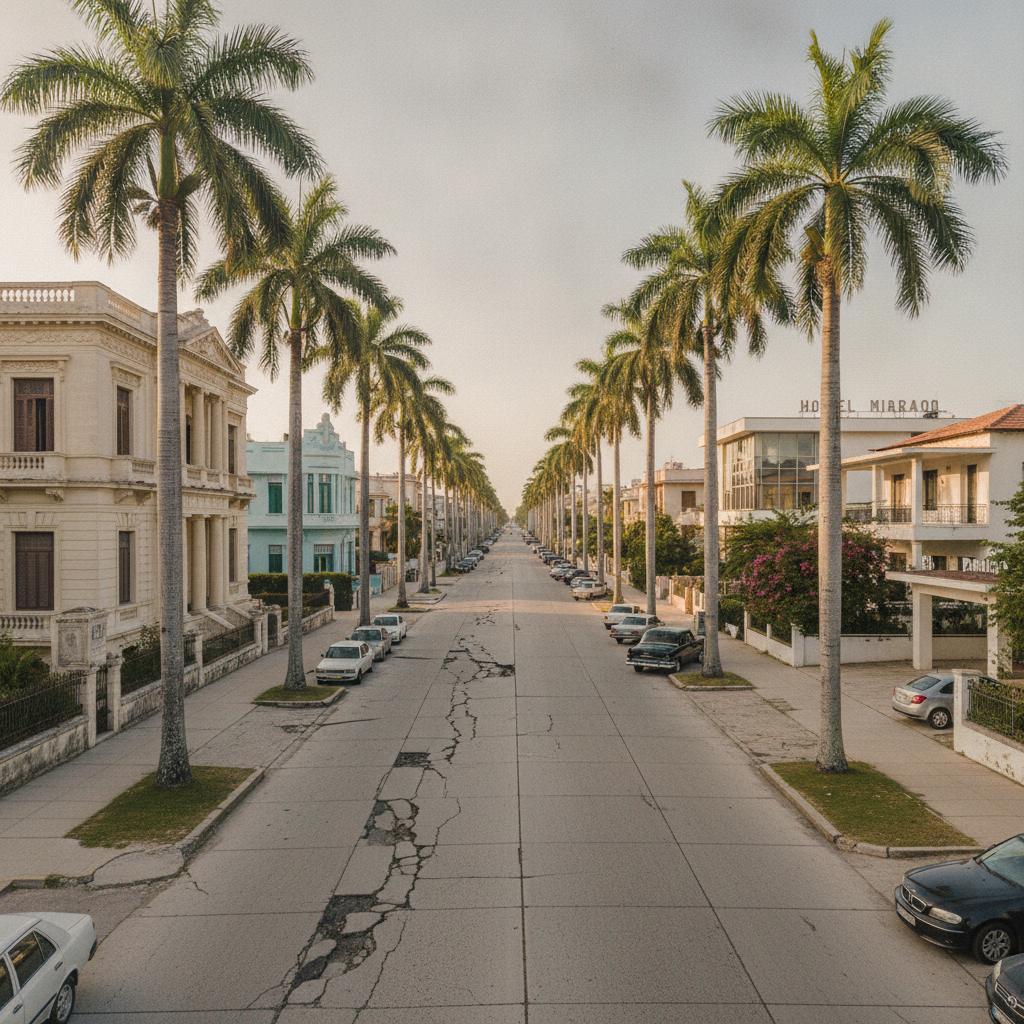
Miramar, Kubanischer Modernismus & Havannas Diplomatisches Viertel
Miramar (the upscale residential district west of Vedado, across the tunnel under the mouth of the Havana harbour — the district of the embassies, the luxury hotels, the finest restaurants, the Marina Hemingway, and the most opulent of the pre-Revolutionary mansions of the Cuban upper class) is the most architecturally diverse district of Havana, with examples of every architectural style from the Beaux-Arts of the 1910s to the 1950s Modernism of the pre-Revolutionary building boom.