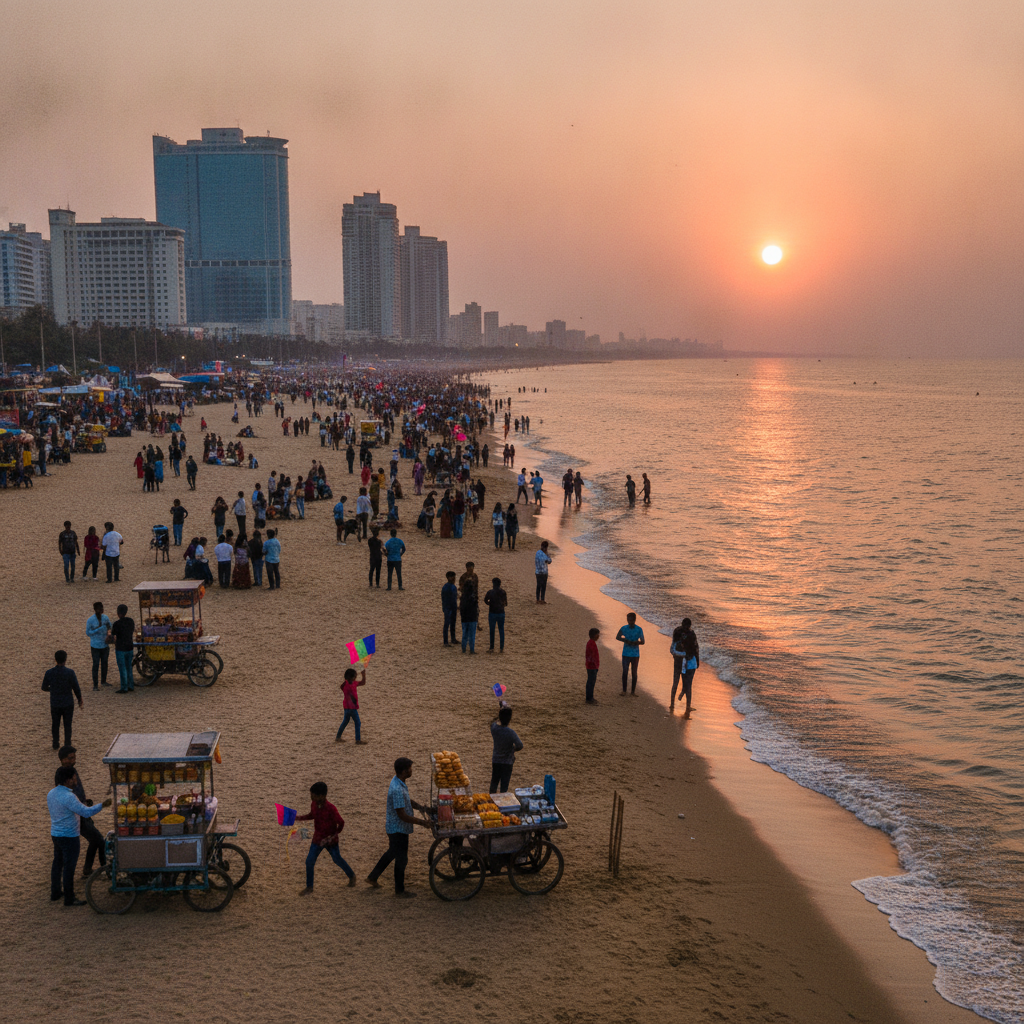
mumbai
Entdecke Routen, Sehenswürdigkeiten und Reiseführer in Mumbai.
9 Routen
Juhu Beach, Bollywood-Villen & die Nordküste Mumbais
Juhu Beach (the 6-kilometre beach in the Juhu suburb of western Mumbai, approximately 25 kilometres from the city centre — the most popular beach in Mumbai and the beach neighbourhood most associated with the Bollywood film industry, whose stars and production houses are concentrated in the adjacent Juhu and Bandra suburbs): Juhu is the beach of middle-class Mumbai, used by families, young people, and weekend visitors from across the city for street food, sand cricket, and an escape from the density of the city.
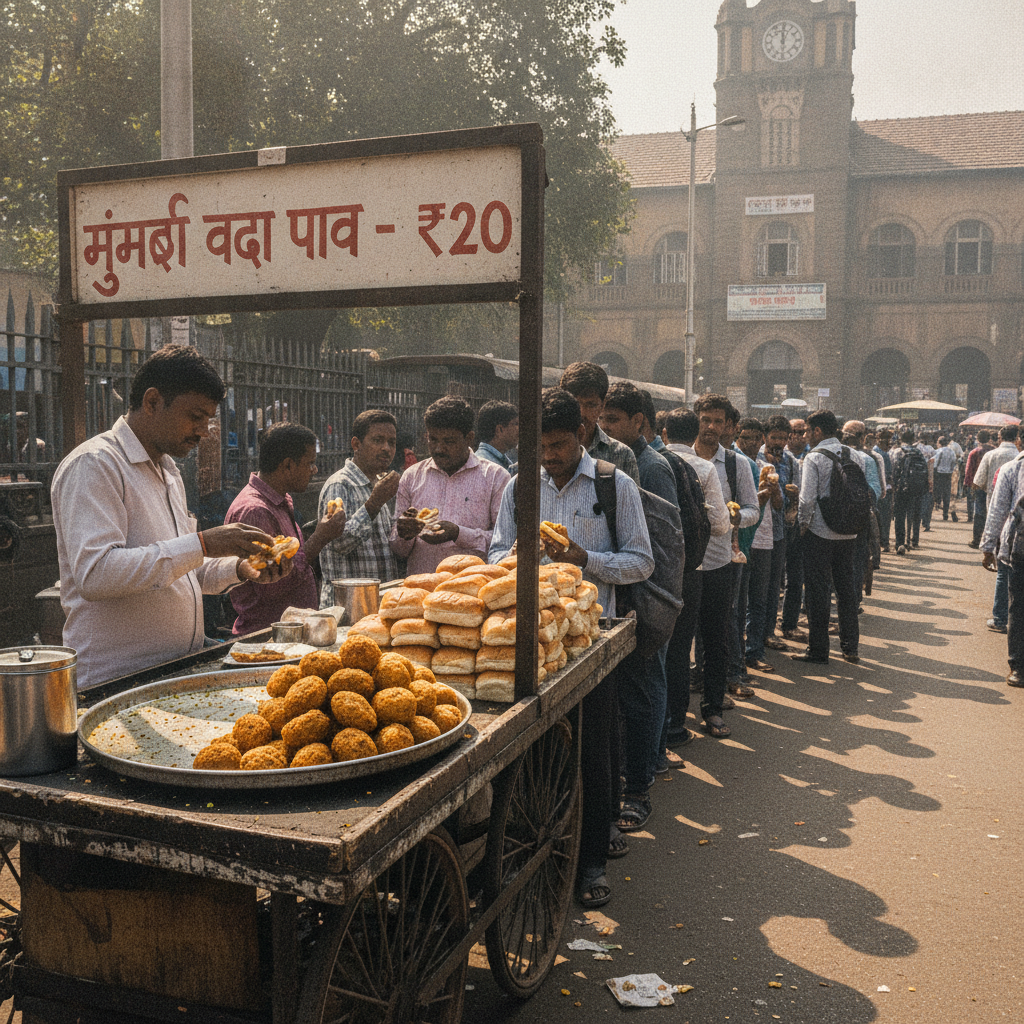
Mumbai Street Food — Vada Pav, Pani Puri, Irani-Cafés & Bombay-Küche
Mumbai street food is one of the world's great street food cultures — the city's position as the primary destination for economic migrants from across India for 150 years has created a food culture that synthesizes the culinary traditions of Maharashtra (the local state), Gujarat, Goa, Karnataka, South India, and the Muslim communities of the city, alongside the distinctive 'Bombay' fusions that emerged from this mixing; the vada pav (the Mumbai-invented spicy potato fritter in a bread roll, the city's unofficial staple food) and the pani puri (the hollow fried wheat shell filled with spiced water and tamarind chutney) are the defining street foods of the city.
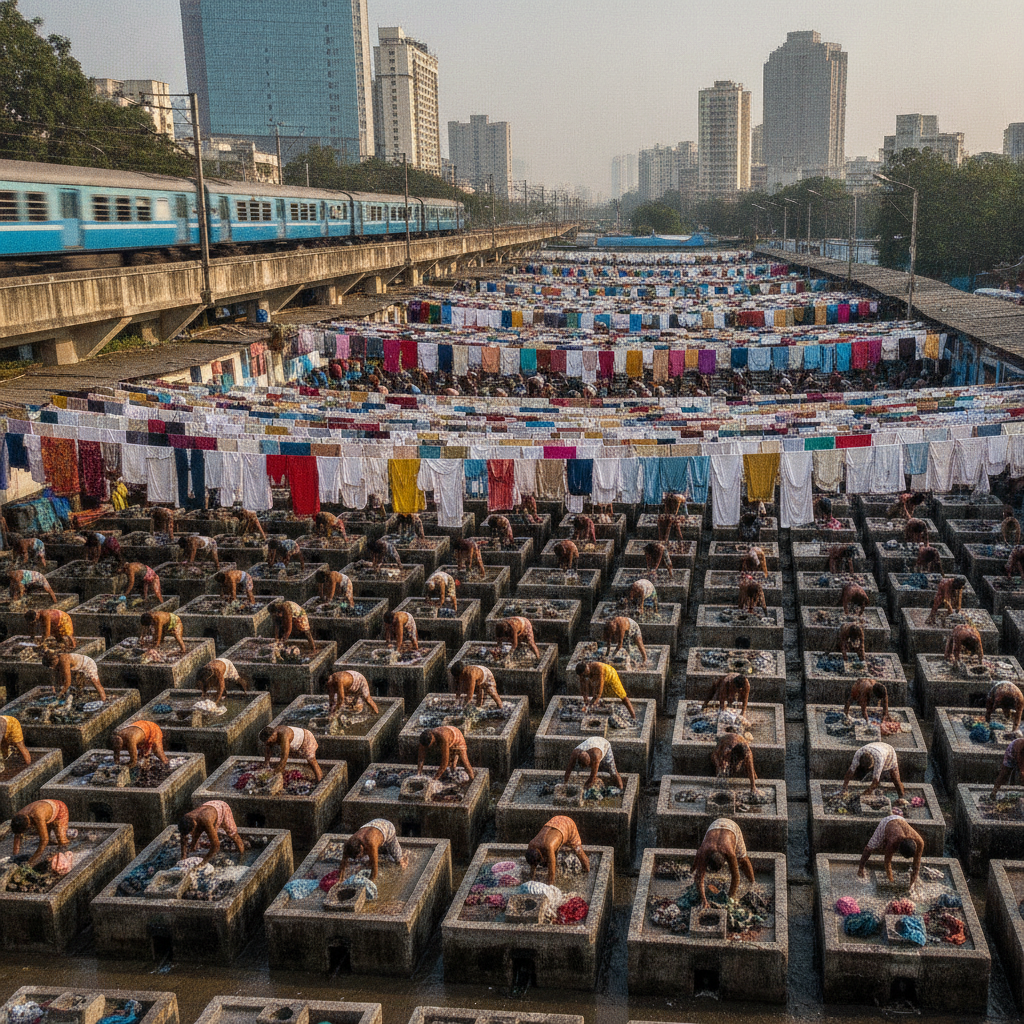
Dharavi, Dhobi Ghat & die Mumbai Local Train — Stadt der außergewöhnlichen Kontraste
Mumbai ist eine Stadt außergewöhnlicher Kontraste — nirgendwo deutlicher sichtbar als in Dharavi (einer der produktivsten informellen Siedlungen Asiens), der Freiluft-Wäscherei Dhobi Ghat und dem legendären Vorortzugnetz (das meistgenutzte der Welt).
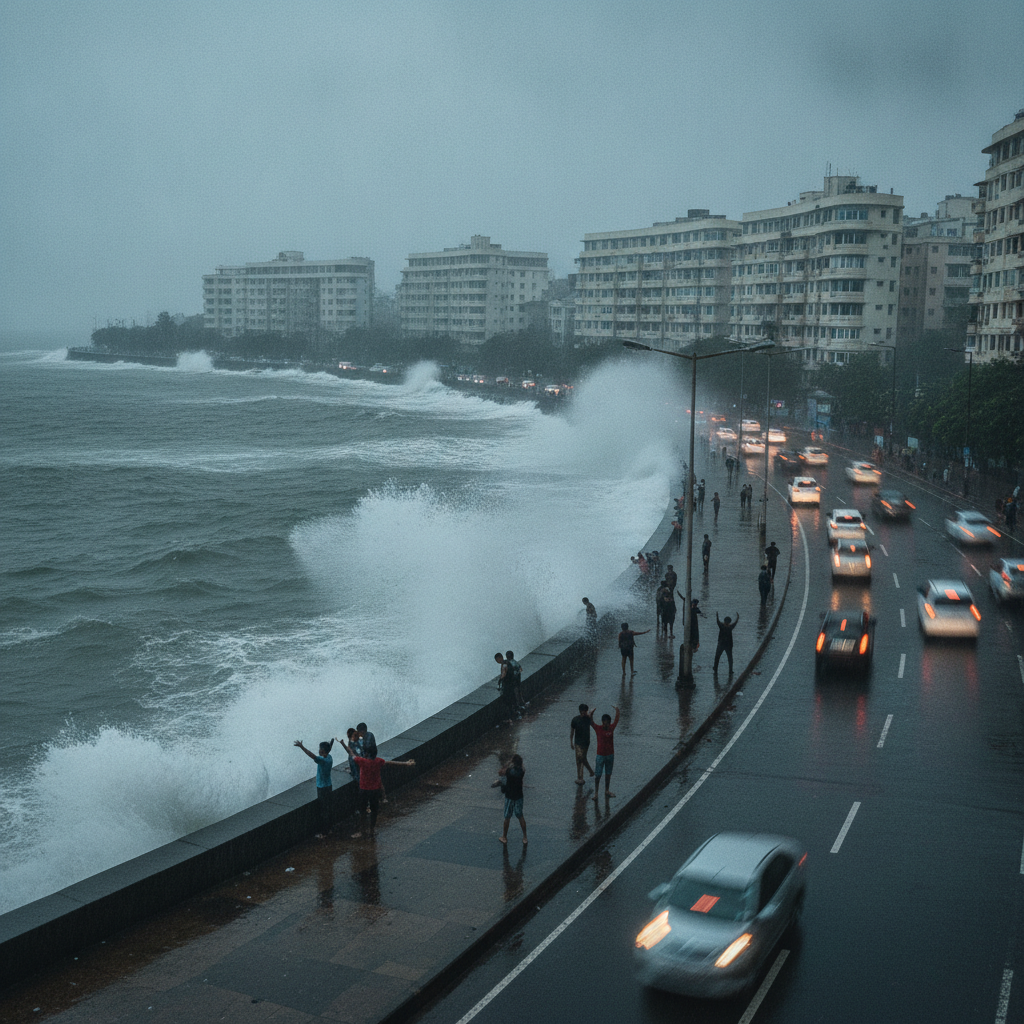
Der Mumbai-Monsun — Die Stadt, Die den Regen Feiert
The Mumbai monsoon (the Southwest Monsoon arriving in Mumbai typically between June 5-15 and lasting until late September, bringing approximately 2,400 mm of rainfall in approximately 100 days — the defining meteorological and cultural event of the Mumbai year): Mumbai receives more rainfall in a single month (approximately 800mm in July) than London receives in a year (approximately 600mm total), and the city's relationship with the monsoon — simultaneously celebratory, resigned, and occasionally catastrophic — is central to the identity of Mumbaikars; the monsoon transforms the city: the coastline becomes dramatic with crashing waves, the national park turns impossibly green, and the streets turn into rivers.
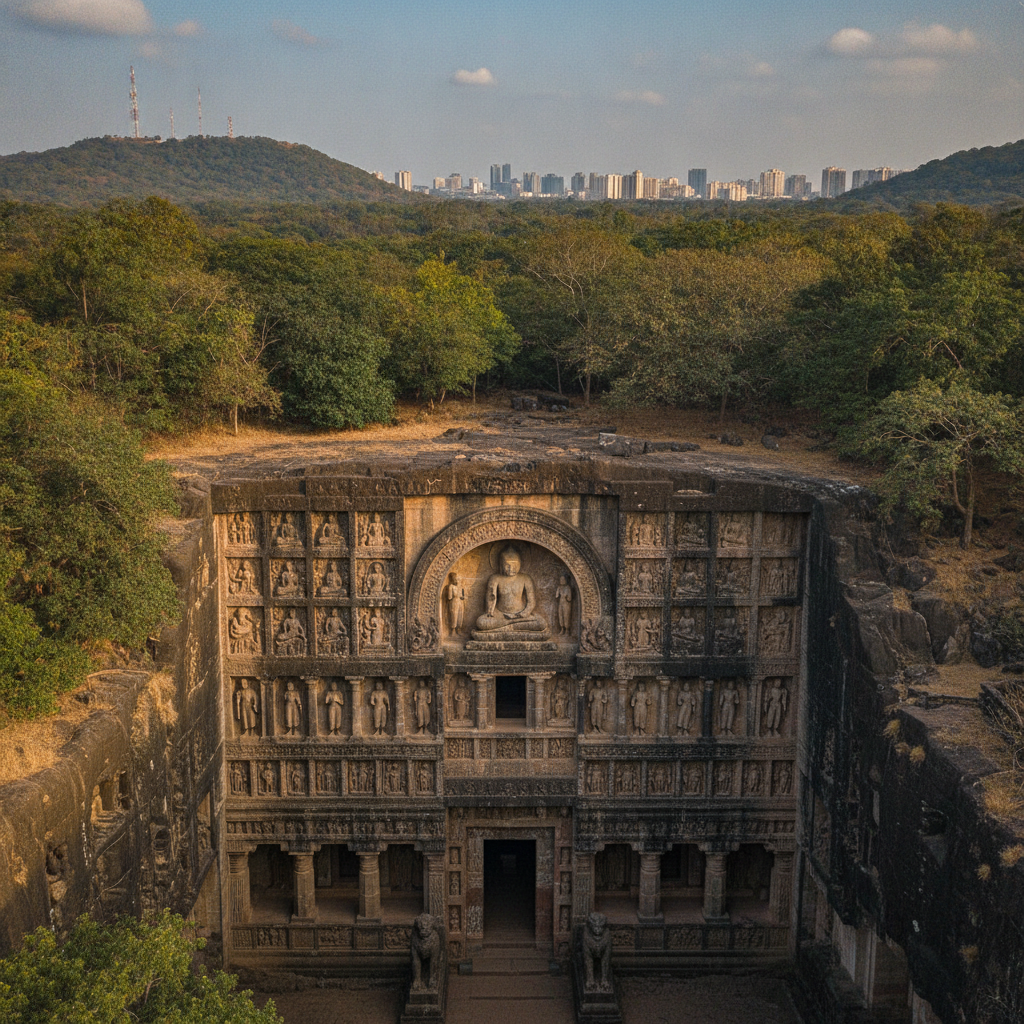
Kanheri Caves, Sanjay-Gandhi-Nationalpark & Mumbais wilde Seite
Sanjay Gandhi National Park (the 104-square-kilometre national park within the Mumbai metropolitan area in the northern suburbs — one of the only national parks in the world entirely contained within a megacity, home to approximately 40-50 leopards that occasionally emerge into the surrounding suburbs at night): the park is not only a critical wildlife habitat (supporting tigers until the 1970s, and currently supporting leopards, spotted deer, sambar, barking deer, jackals, hyenas, and over 250 bird species) but also contains the Kanheri Caves — the largest Buddhist cave complex in the Mumbai region.
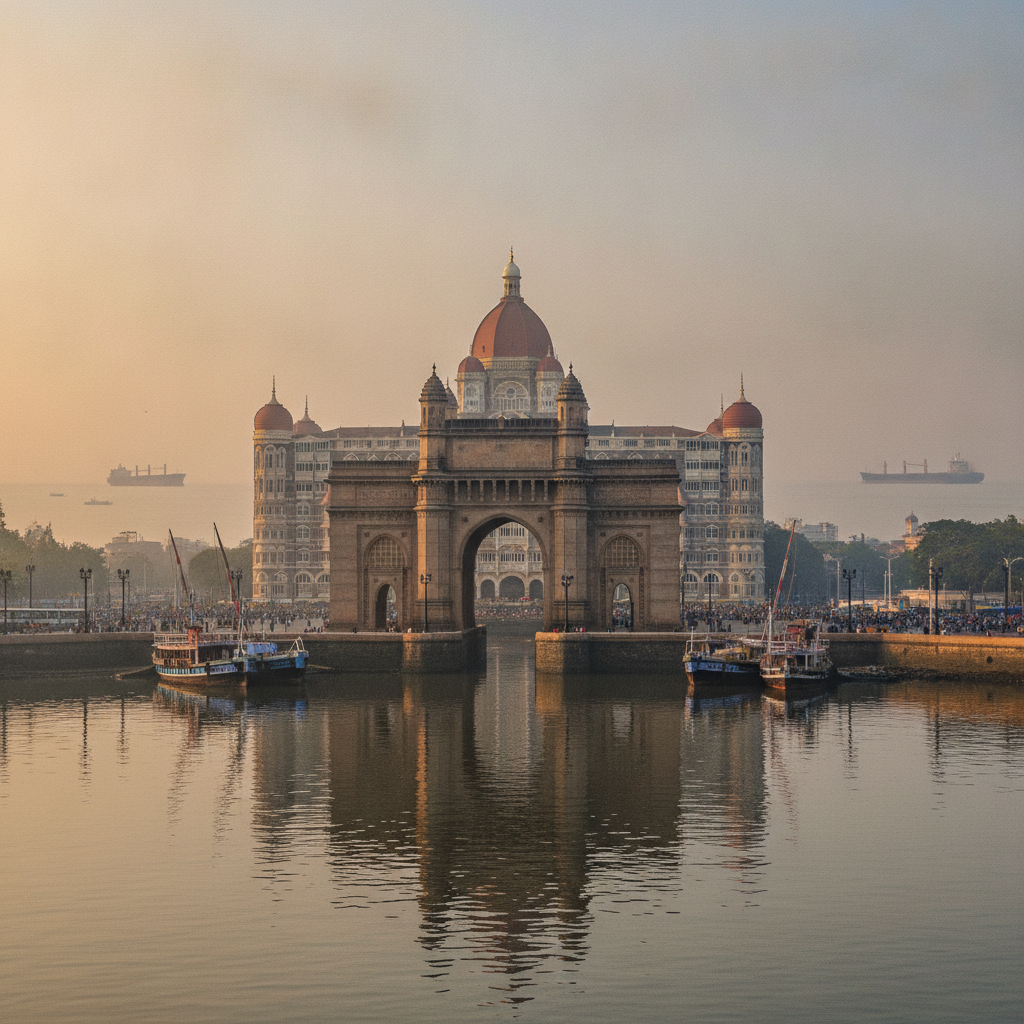
Gateway of India, das Taj Mahal Palace & der Mumbauer Hafen
Das Gateway of India — der indo-sarazenische Triumphbogen am Apollo Bunder, fertiggestellt 1924 — und das angrenzende Taj Mahal Palace Hotel (1903) bilden das ikonischste Ensemble in Mumbai, den symbolischen Eingang zur Stadt und das bleibende Bild der Finanz- und Kulturhauptstadt Indiens.
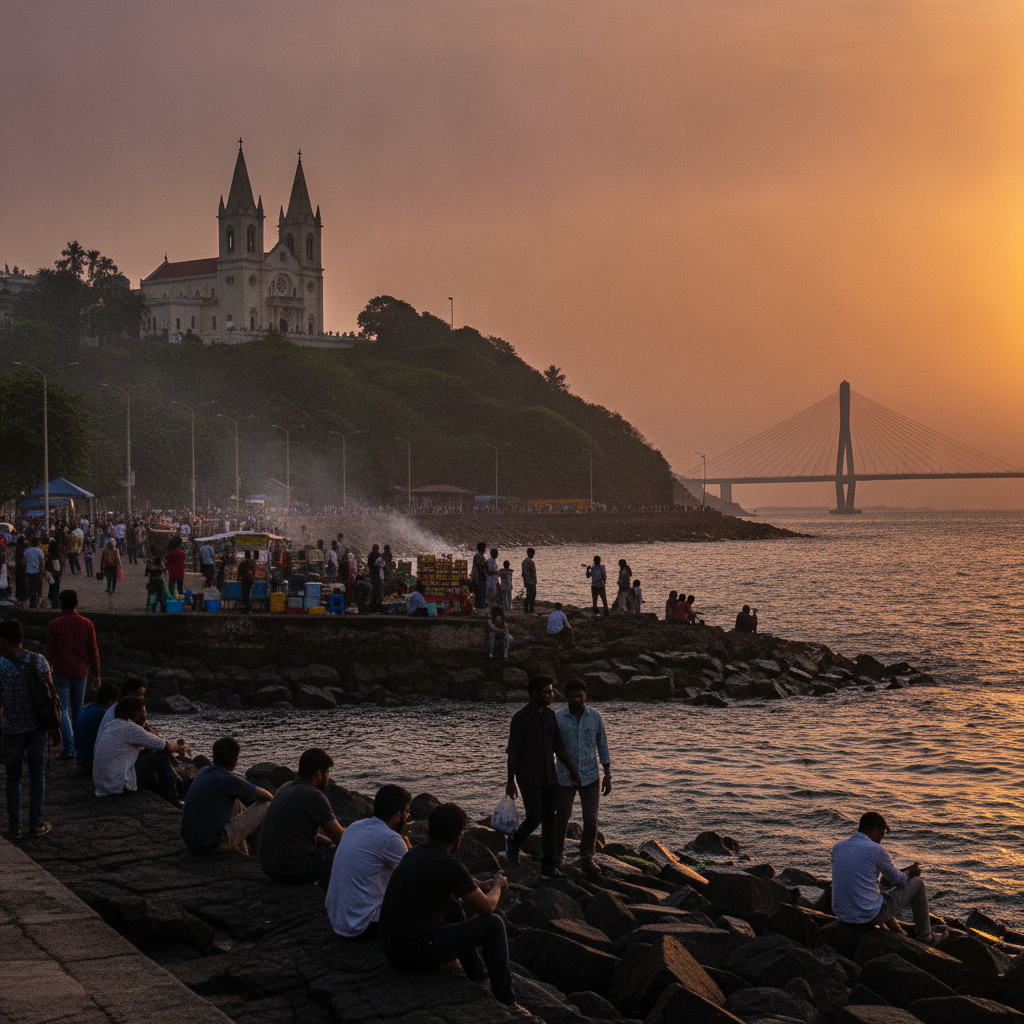
Bandra — Mount-Mary-Kirche, Bandstand-Promenade & Coole Vorortkultur
Bandra (the suburb on the western coast of Mumbai north of Mahim Bay, connected to South Mumbai by the Bandra-Worli Sea Link (2009) — the most fashionable residential and entertainment suburb in Mumbai, home to the highest concentration of Bollywood stars, media personalities, and the Mumbai creative class): Bandra combines a Portuguese Catholic heritage (the neighbourhood was settled by Portuguese missionaries in the 16th century) with the contemporary cultural energy of Mumbai's most bohemian middle-class suburb.
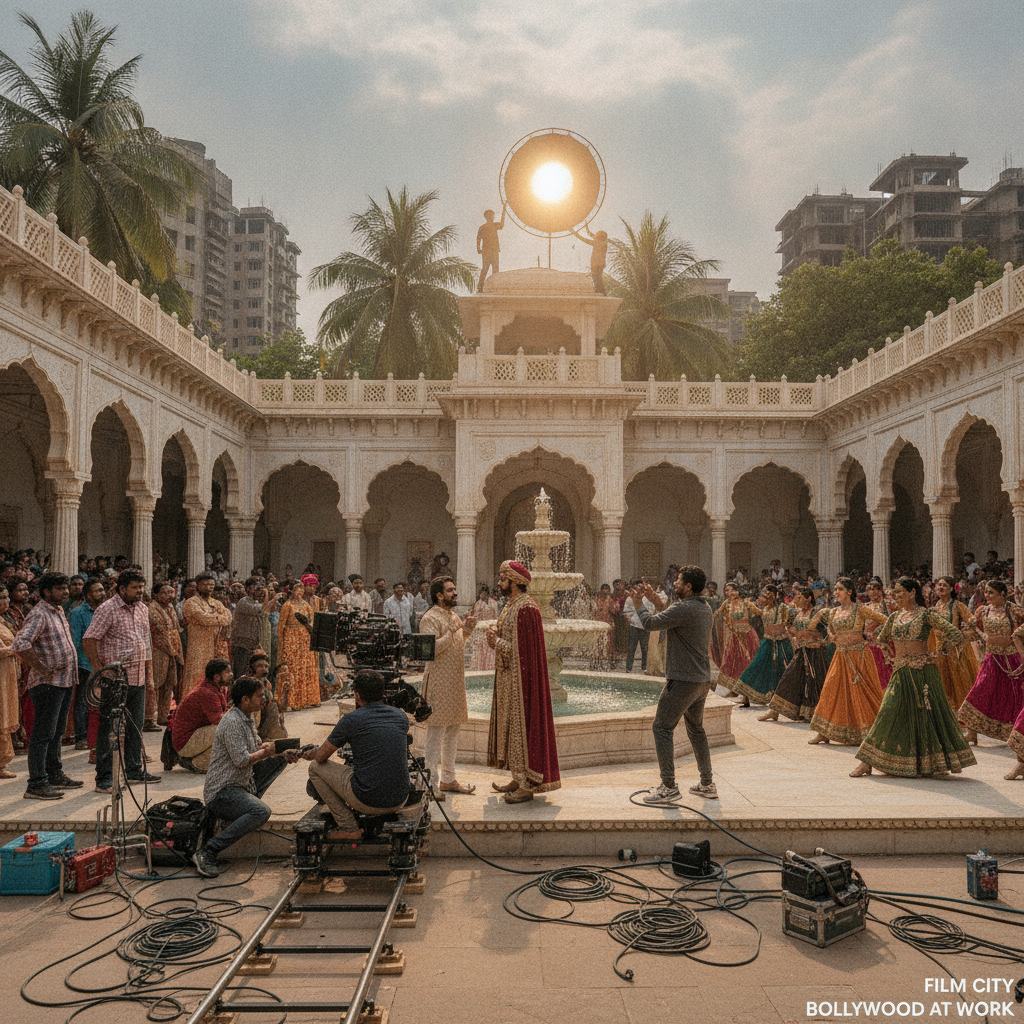
Bollywood — Film City, Studio-Touren & die Weltgrößte Filmindustrie
Bollywood (the Hindi-language film industry based in Mumbai — the world's largest film industry by number of films produced annually, approximately 1,500-2,000 films per year in Hindi and regional Indian languages, compared to approximately 500-600 films per year in Hollywood): Mumbai (Bombay) is the home of the Hindi film industry since the 1930s, when the first Indian talkies were produced at the Bombay Talkies studio; today the industry generates revenues of approximately $2.5 billion annually and is watched by approximately 3.6 billion people (the largest film audience in the world).

Chhatrapati Shivaji Terminus, Art-Déco-Oval Maidan & Marine Drive
Das viktorianisch-gotische und Art-Déco-Architekturerbe Süd-Mumbais — der UNESCO-Welterbe-Bahnhof CST (1888), die Art-Déco-Gebäude des Oval Maidan und die Marine Drive ('Königinnenkette') — bildet eines der schönsten städtischen Architekturensembles des 19. und 20. Jahrhunderts.