osaka
Entdecke Routen, Sehenswürdigkeiten und Reiseführer in Osaka.
9 Routen
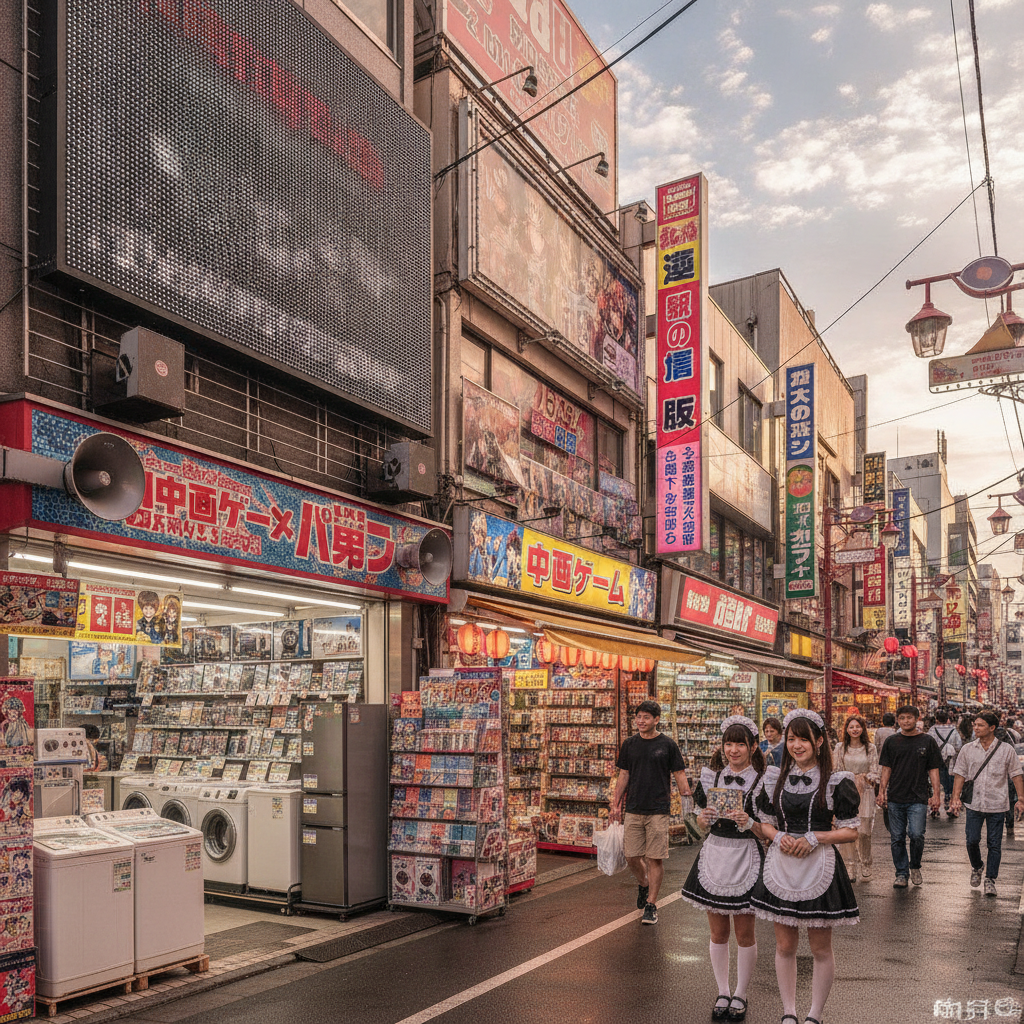
Den-Den Town, Namba & Osakas Einkaufslandschaft
Den-Den Town (でんでんタウン — the electronics, manga, and anime goods district in the Nipponbashi area of southern Osaka, the Osaka equivalent of Tokyo's Akihabara): the Nipponbashi-Denden Town area (the shopping street of Nipponbashi in the Namba area, approximately 600 metres long) is the largest concentration of electronics retailers, manga/anime merchandise shops, vintage game stores, and maid cafes in western Japan — less crowded and less touristified than the Tokyo Akihabara, making it the preferred destination for serious manga/anime collectors.
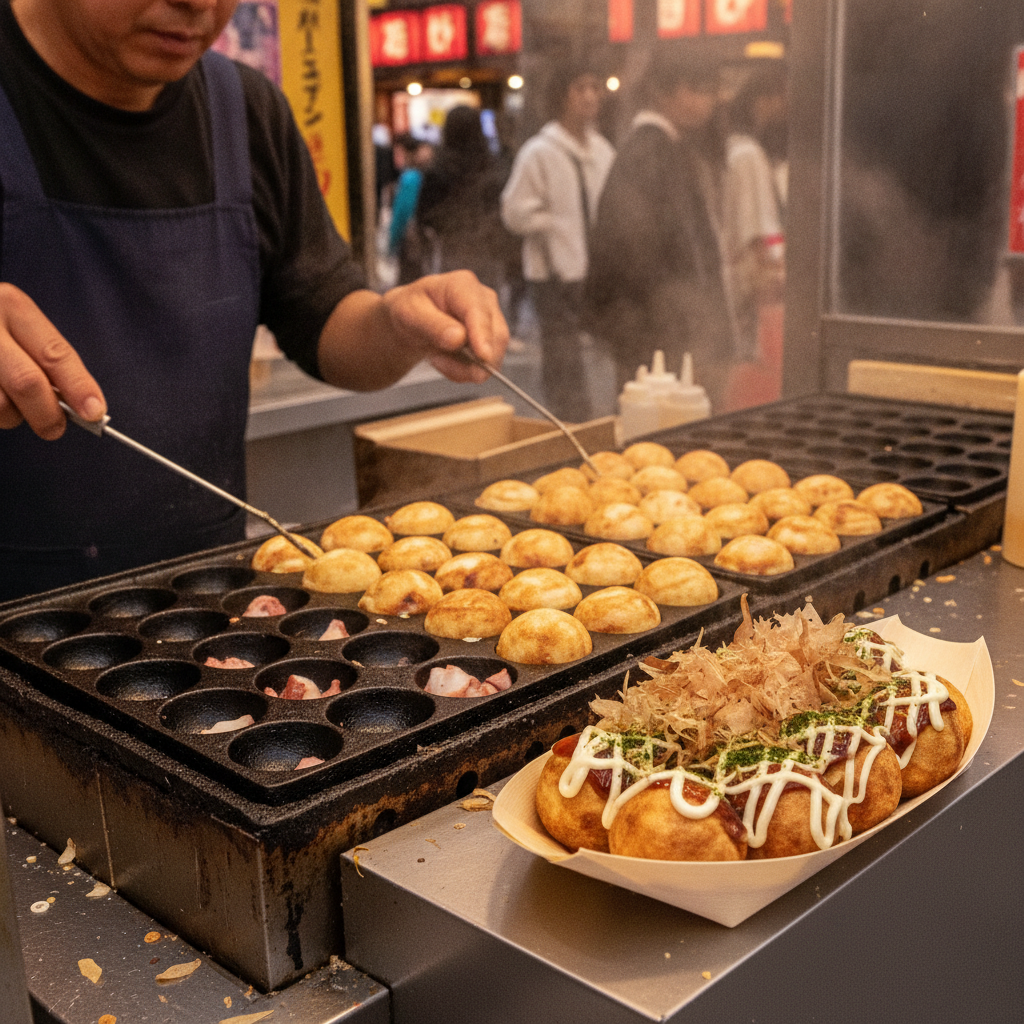
Kulinarische Tieftauchgang durch Osaka — Takoyaki, Ramen & der B-Gourmet-Trail
Osakas Esskultur — die tiefgründigste und enthusiastischste Streetfood-Kultur Japans, zentriert auf dem Konzept des B-Gourmet (die Feier erschwinglicher lokaler Speisen) — lässt sich am besten durch die definierenden Gerichte der Stadt erkunden: Takoyaki, Okonomiyaki, Kushikatsu und die Izakaya-Kultur.
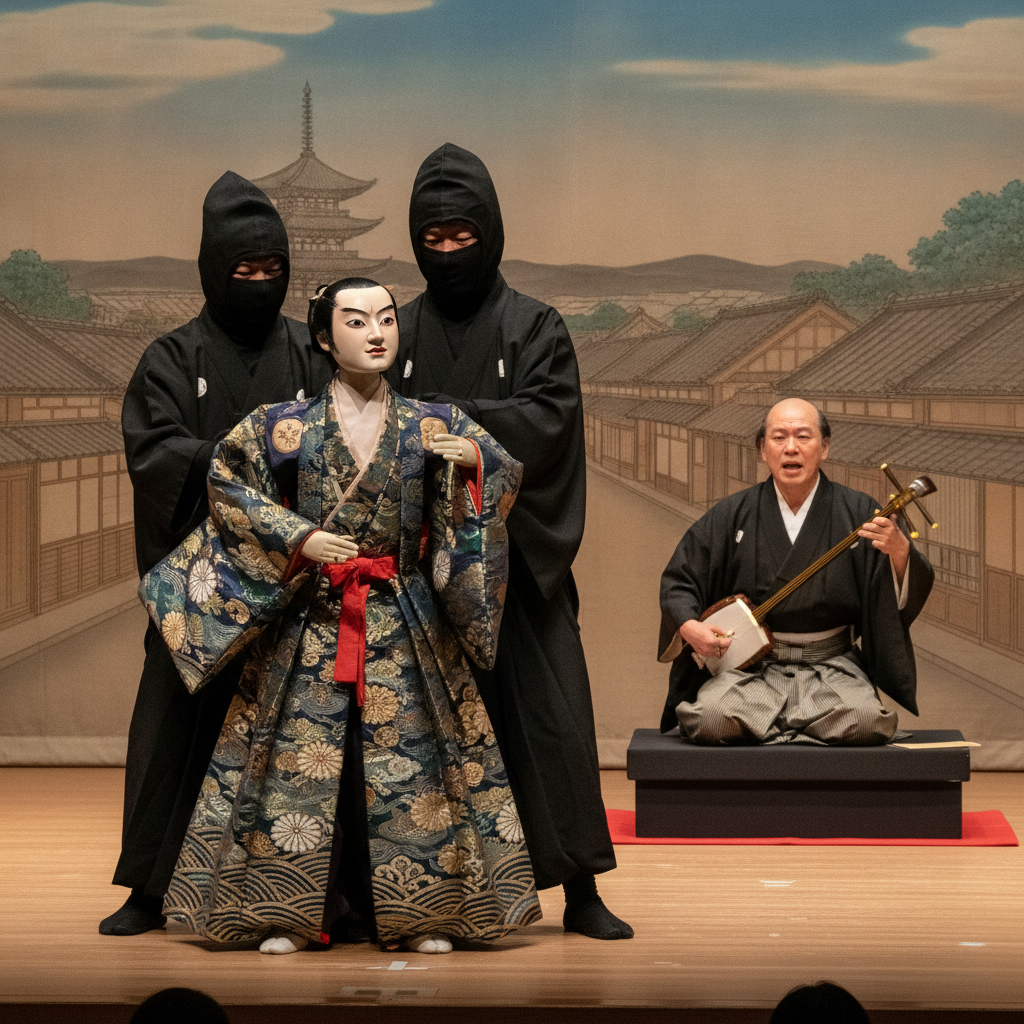
Bunraku, Kabuki & die Traditionellen Darstellenden Künste Osakas
Bunraku (文楽 — the traditional Japanese puppet theatre of Osaka, recognized by UNESCO as an Intangible Cultural Heritage of Humanity in 2003 — the most sophisticated puppet theatre tradition in the world): bunraku puppets (each approximately 1.2-1.5 metres tall, operated by three puppeteers (the omozukai (main operator), hidarizukai (left hand operator), and ashizukai (foot operator)) working in full view of the audience, dressed in black) perform dramatic plays (the texts written for bunraku — including the masterpieces of the playwright Chikamatsu Monzaemon (1653-1724) — 'the Shakespeare of Japan') with a joruri chanter (tayū) and shamisen player providing the music and narration. Osaka is the historical home of bunraku.
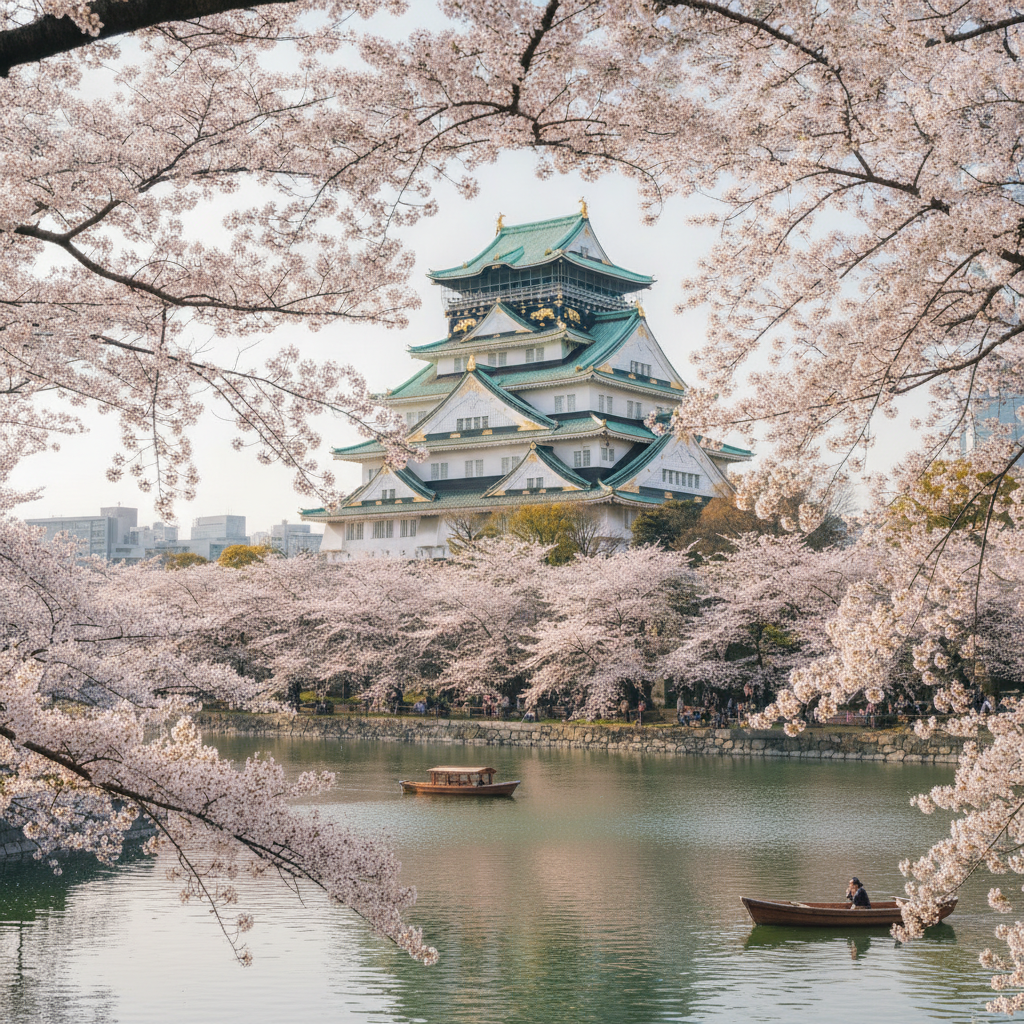
Burg Osaka — Toyotomi Hideyoshis Festung & das Historische Herz der Stadt
Die Burg Osaka (ursprünglich 1583 vom Kriegsherren Toyotomi Hideyoshi als Symbol seiner Vereinigung Japans erbaut) ist das historisch bedeutsamste Burgengelände in Westjapan, das Herzstück des 106 Hektar großen Burgparks, der für seine Kirschblüten berühmt ist.
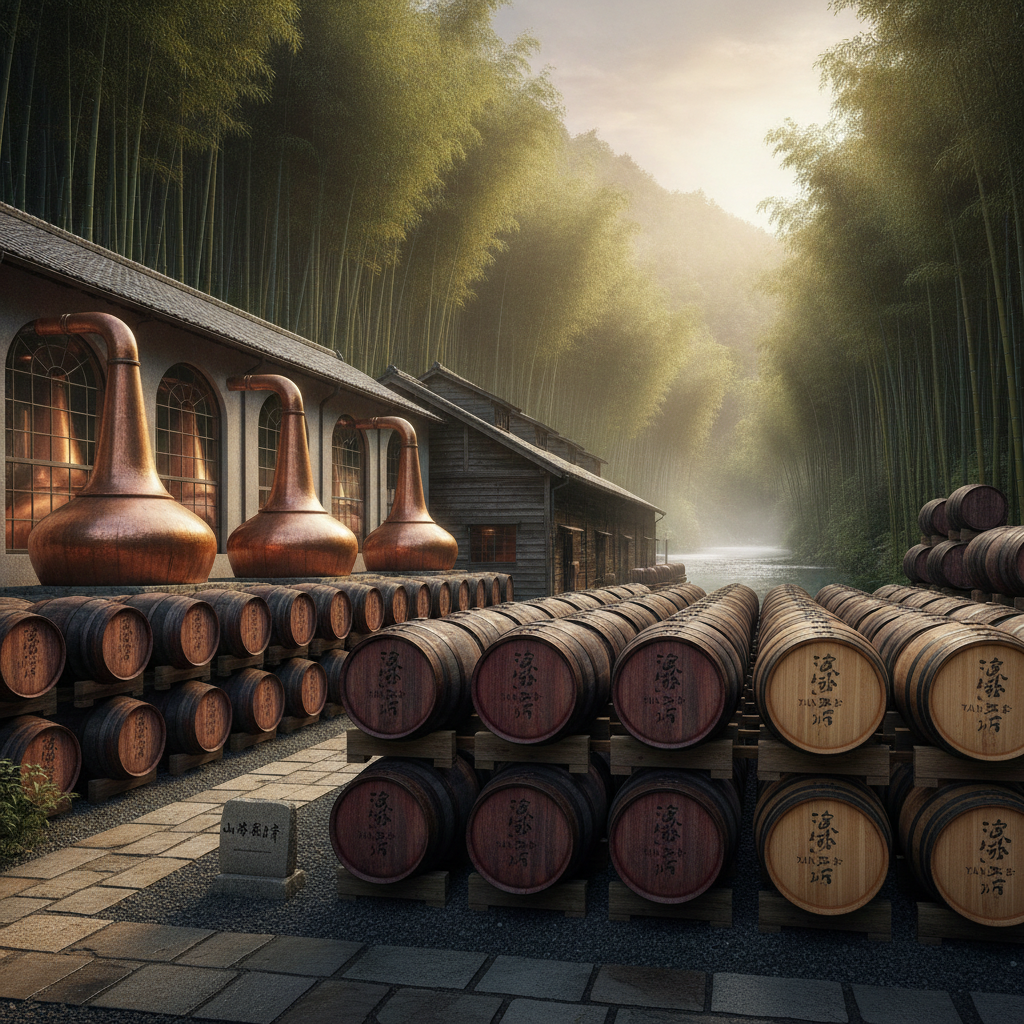
Japanischer Sake, Craft Beer & Suntory Whisky — Osakas Getränkekultur
Osaka's drinks culture (the drinking culture of western Japan's commercial capital, which combines the traditional sake culture of the Nada-Nishinomiya-Itami sake belt (the major sake producing region stretching from Osaka to Kobe), the Suntory whisky culture (the Yamazaki Distillery, the first Japanese whisky distillery, is just 15 minutes from Osaka), and a growing craft beer and craft spirits scene).
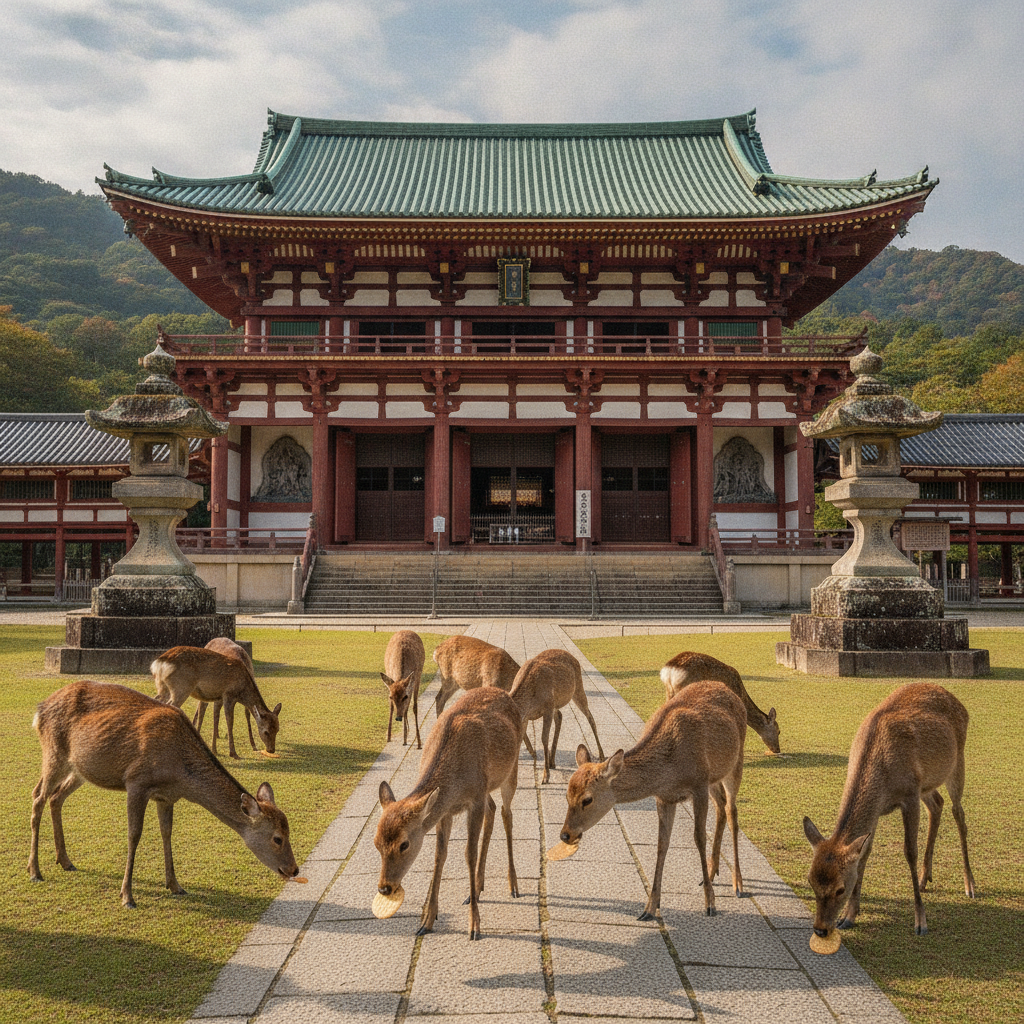
Tagesausflug nach Nara — Heilige Rehe, Todai-ji & Japans Älteste Tempel
Nara (奈良 — the former capital of Japan (710-784), 45 minutes from Osaka by Kintetsu line or JR Yamatoji Line — the oldest imperial capital in Japan and one of the most important UNESCO World Heritage sites in the country (8 monuments designated in 1998)): Nara is famous for the free-roaming sika deer (Cervus nippon) of Nara Park (approximately 1,200 deer that wander freely through the park and approach visitors for the shika senbei (the deer crackers sold at park stalls) — the deer have been considered sacred messengers of the Kasuga Taisha shrine since the Nara period (710-784) and are designated a Natural Monument of Japan.
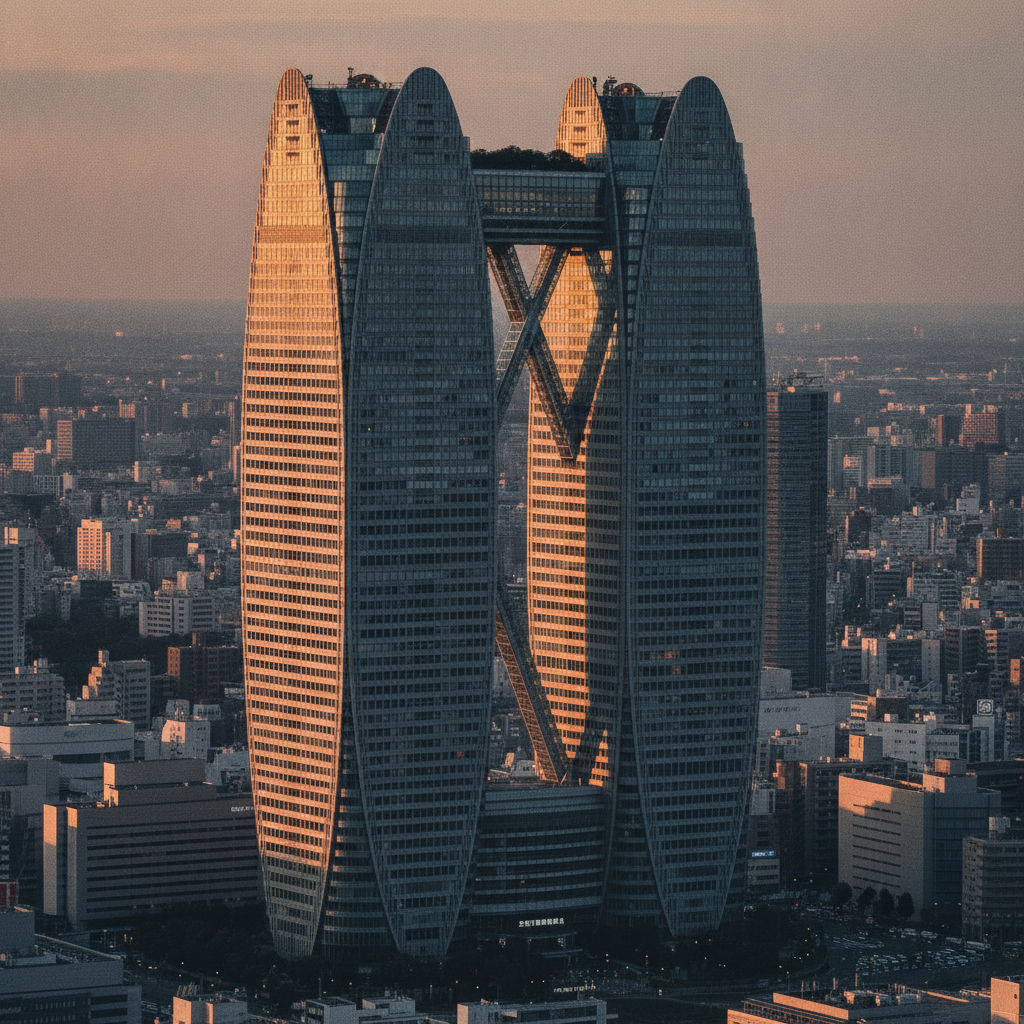
Umeda, das Sky Building & Grand Front — Osakas Nördlicher Hub
Umeda — das wichtigste Handels- und Verkehrszentrum des nördlichen Osaka, zentriert am Bahnhof Osaka/Umeda, dem größten in Westjapan — beherbergt das ikonische Umeda Sky Building, den Einkaufskomplex Grand Front Osaka und die schönsten Ausblicke über die Stadt.
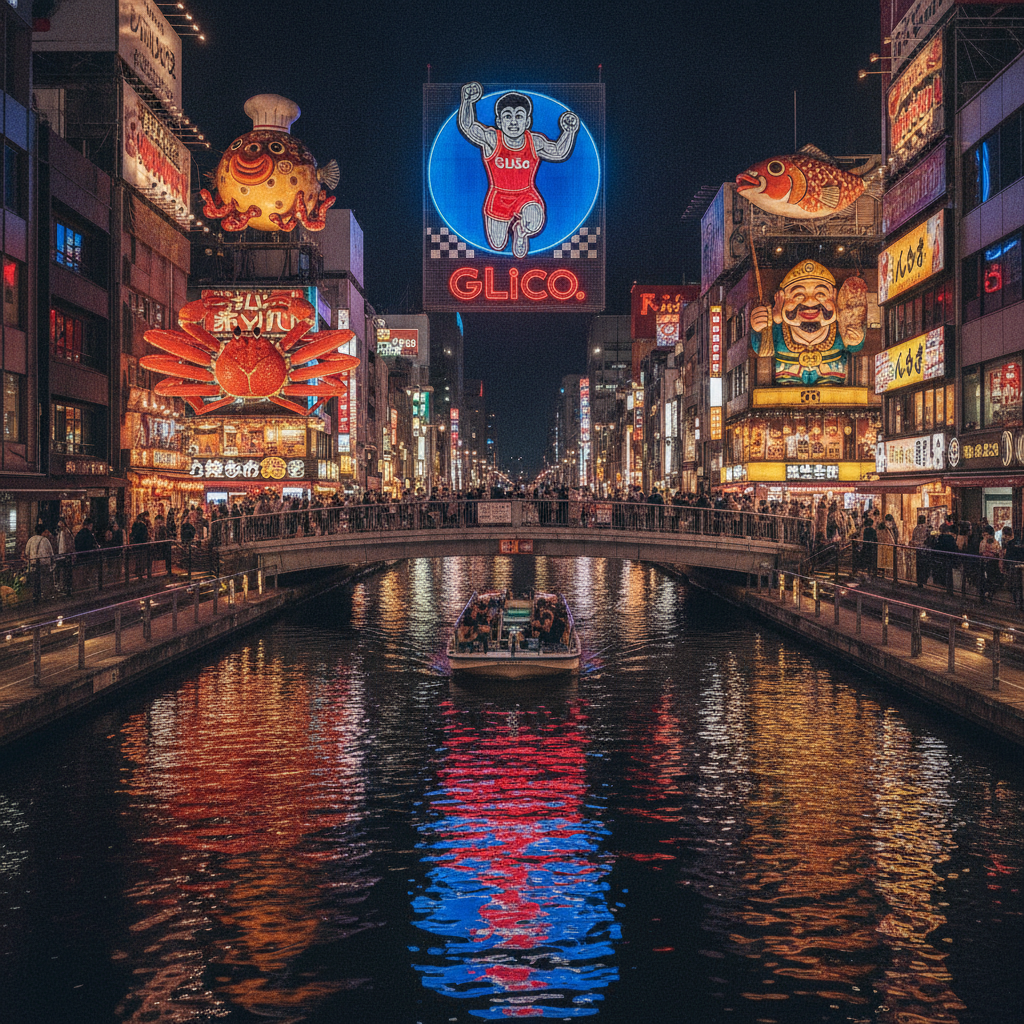
Dotonbori, Namba & Osakas Streetfood — Die Kuidaore-Stadt
Osaka — die kulinarische und kommerzielle Hauptstadt Westjapans, bekannt als die Stadt des 'Kuidaore' (essen bis zum Ruin) — hat in Dotonbori und dem Namba-Viertel sein gastronomisches und Unterhaltungszentrum, mit dem berühmten Glico-Schild und der dichtesten Streetfood-Szene Japans.
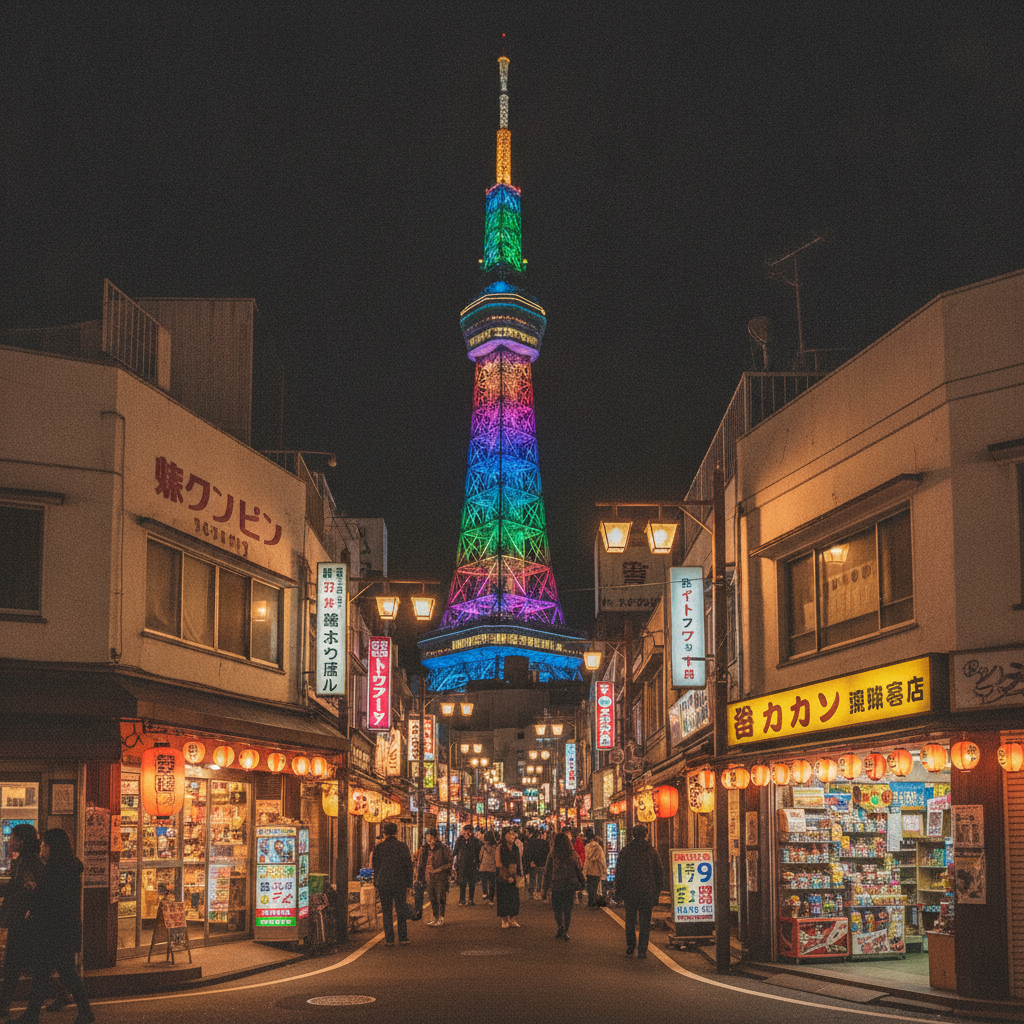
Tennoji, Abeno Harukas & Shinsekai — Die Charakterviertel Süd-Osakas
Tennoji (天王寺 — the southern hub of Osaka, centred on Tennoji Station (the third busiest station in Osaka after Osaka/Umeda and Namba)), is home to Abeno Harukas (あべのハルカス — the 300-metre skyscraper completed in 2014, the tallest building in Japan — housing a department store (Kintetsu), a hotel (Marriott), an art museum, and the Harukas 300 observation deck at 300 metres — the finest high-altitude view over Osaka), the Tennoji Zoo (the third oldest zoo in Japan, established 1915), and the extraordinary retro neighbourhood of Shinsekai.