Königspalast von Caserta — Das Versailles Italiens
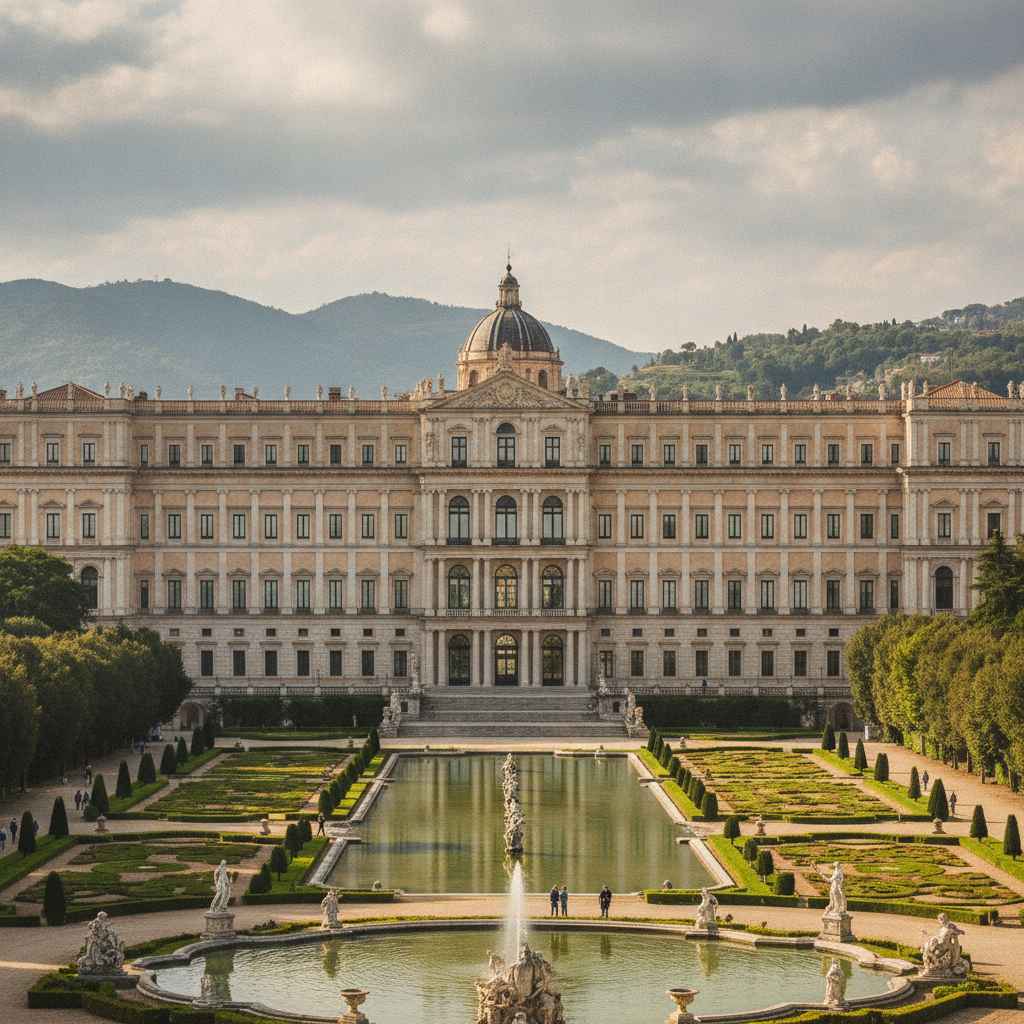
Der Palazzo Reale di Caserta (der Königspalast von Caserta — UNESCO-Weltkulturerbe Bourbonen-Königspalast 30 km nördlich von Neapel, die größte königliche Residenz der Welt nach Volumen (der Palast mit 1.200 Zimmern, 1.790 Fenstern und 34 Treppen, erbaut 1752-1847 für die Bourbonen-Könige beider Sizilien nach dem Entwurf des Architekten Luigi Vanvitelli) und der Park (die englischen und italienischen formalen Gärten, die sich 3 km hinter dem Palast erstrecken, mit dem spektakulären Wasserfall, der 75 Meter über den Hügel fällt).
- 1
Reggia di Caserta — Das Versailles Italiens
Die Reggia di Caserta (Caserta, 30 km nördlich von Neapel, Zug 35 Minuten von Napoli Centrale, UNESCO) ist der größte Königspalast der Welt nach Volumen – 1.200 Zimmer, 5 Hektar Grundfläche, 4 Haupttreppen, 34 Staatsgemächer; 1752 von Karl III. von Bourbon in Auftrag gegeben (Architekt Luigi Vanvitelli), diente er im Zweiten Weltkrieg als alliierter Hauptsitz (Eisenhowers Schreibtisch befindet sich in Raum 22); der Park (3 km lange Kaskade von einem 40 km entfernten Aquädukt, Endbrunnen 78 m breit) dauert 3 Stunden zu Fuß.
- 2
Die Große Treppe und die Königlichen Gemächer
Die Zeremonialtreppe der Reggia (Scalone d'Onore) ist das dramatischste Interieur Süditaliens – vom Vestibül führen zwei symmetrische Marmortreppen zum oberen Vestibül unter einer achteckigen Kuppel; die Staatsgemächer (38 Räume) zeigen die königliche Gemäldesammlung der Bourbonen (einschließlich einer Reihe von Räumen mit flämischen Wandteppichen, die in Brüssel in Auftrag gegeben wurden und drei Räume vom Boden bis zur Decke bedecken); der Thronsaal (Raum 34) ist der prächtigste Raum des Palastes; Audioguide im Eintrittspreis von 16 € enthalten.
- 3
Caserta Vecchia — Die verlassene mittelalterliche Stadt
Caserta Vecchia (8 km oberhalb von Caserta, mit Bus oder Taxi erreichbar) ist der mittelalterliche Vorgänger von Caserta – die Stadt (400 Einwohner) wurde weitgehend verlassen, nachdem Vanvitellis Palastentwicklung die Bevölkerung in die Ebene gezogen hatte; die Kathedrale San Michele (1153, normannisch-arabisch, die wichtigste normannische Kirche in Kampanien außerhalb Palermos) hat einen Apsisturm aus dem 13. Jahrhundert mit ineinandergreifenden Bögen; die verlassenen mittelalterlichen Gassen und die Aussicht aus 400 m Höhe über die moderne Stadt machen sie zur stimmungsvollsten Kulturerbestätte der Region.
- 4
Palazzo Reale di Neapel — Der Königliche Palast an der Piazza del Plebiscito
Der Königliche Palast von Neapel (Palazzo Reale, Piazza del Plebiscito, 1600, Domenico Fontana, die wichtigste königliche Residenz der Bourbonen bis 1861) nimmt die gesamte Westseite des Platzes ein – die 8 Nischen in der Fassade beherbergen jeweils eine Statue eines Königs von Neapel (von Roger II. dem Normannen bis Viktor Emanuel II. des vereinigten Italien); das Innere (42 Zimmer, Nationalmuseum) zeigt die staatliche Kunstsammlung der Bourbonen; das historische Teatro di San Carlo (angrenzend, 1737, das älteste ununterbrochen betriebene Opernhaus der Welt, tägliche Führungen) teilt sich den Komplex.
- 5
Der Bourbonen-Tunnel — Neapels unterirdische Fluchtroute
Der Bourbonen-Tunnel (Vico del Grottone 4, Chiaia, unter der Piazza del Plebiscito) ist ein königlicher Fluchtweg aus dem 17. Jahrhundert, der 1853 von Ferdinand II. in Auftrag gegeben wurde – der Tunnel (500 m lang, 15 m unter Straßenniveau) wurde entworfen, um der königlichen Familie im Falle einer Revolution die Flucht vom Palast zum Meer zu ermöglichen; der Tunnel wurde als Luftschutzbunker im Zweiten Weltkrieg genutzt (Graffiti und Originalmöbel aus dem Jahr 1943 sind erhalten), dann bis 2005 als Lager für beschlagnahmte Kraftfahrzeuge; geführte Touren (10 €, 1 Stunde) beinhalten die Originalbeleuchtung.
- 6
Eisenbahnmuseum Pietrarsa — Die erste Eisenbahn Italiens
Das Nationale Eisenbahnmuseum Pietrarsa (Portici, 10 km östlich von Neapel, erreichbar vom Bahnhof Napoli Porta Nolana) beherbergt die ehemaligen königlichen Eisenbahnwerkstätten (1840), in denen die Lokomotiven für Italiens erste Eisenbahn (Neapel–Portici, 1839, die erste Eisenbahn auf der italienischen Halbinsel) hergestellt wurden – das Museum (das größte Eisenbahnmuseum Europas nach Fläche) zeigt originale Lokomotiven aus der Bourbonenzeit, königliche Zugwagen und die Geschichte der italienischen Eisenbahntechnik; die Werkstattgebäude sind frühe Industriearchitektur.
Walk this route with audio
Stories play automatically as you reach each stop — no tapping needed.
Mehr in naples
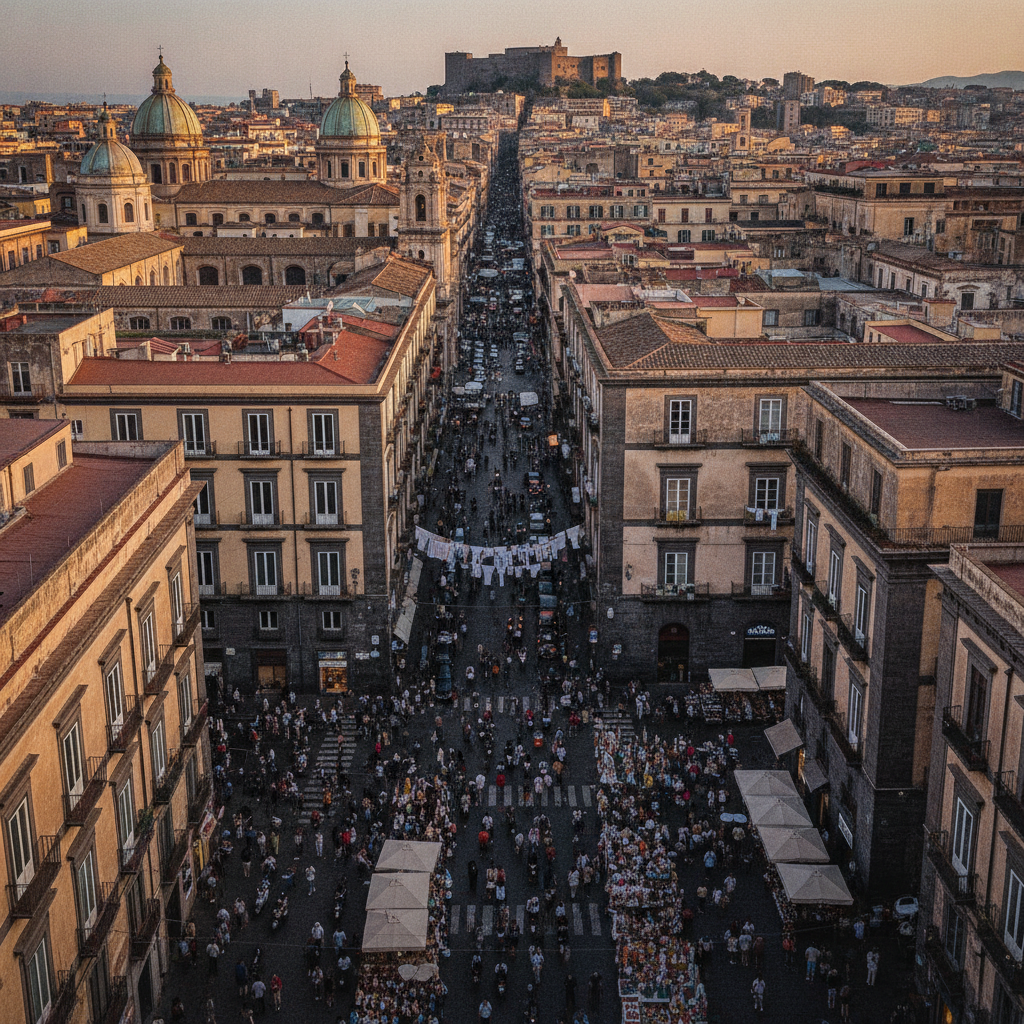
Historisches Zentrum von Neapel, Spaccanapoli & die UNESCO Untergrundstadt
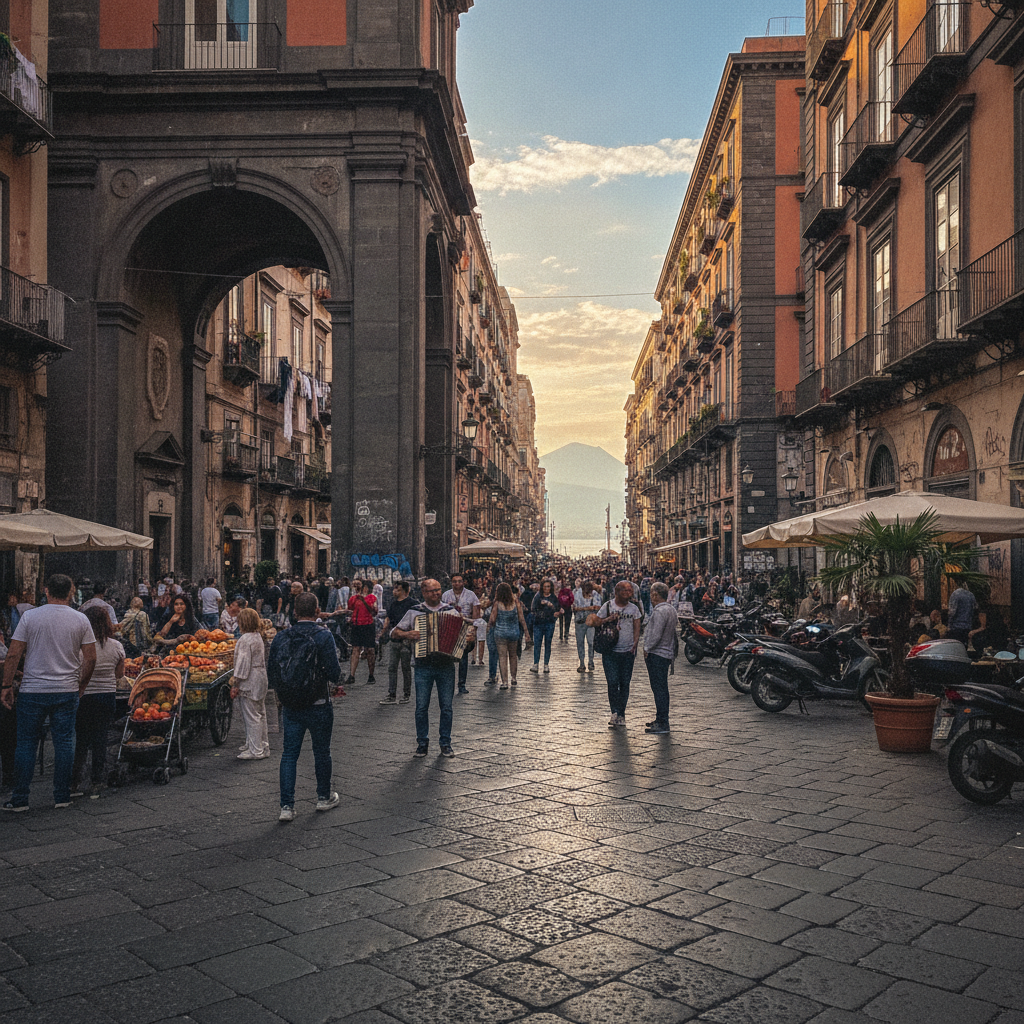
Via Toledo, Spanisches Viertel & neapolitanisches Straßenleben

Pizza Margherita, Street Food & Neapel als gastronomische Hauptstadt Italiens
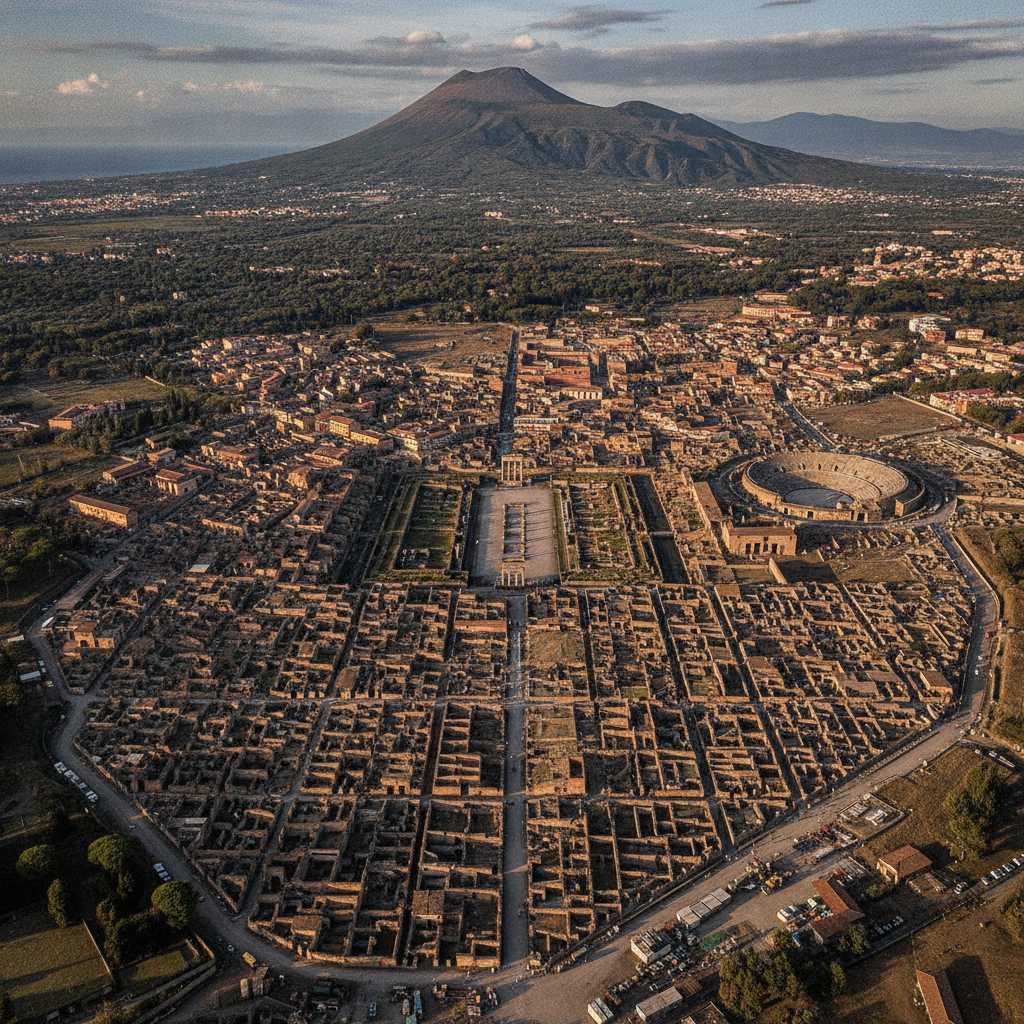
Pompeji, Vesuv & Herculaneum — Städte eingefroren in der Zeit
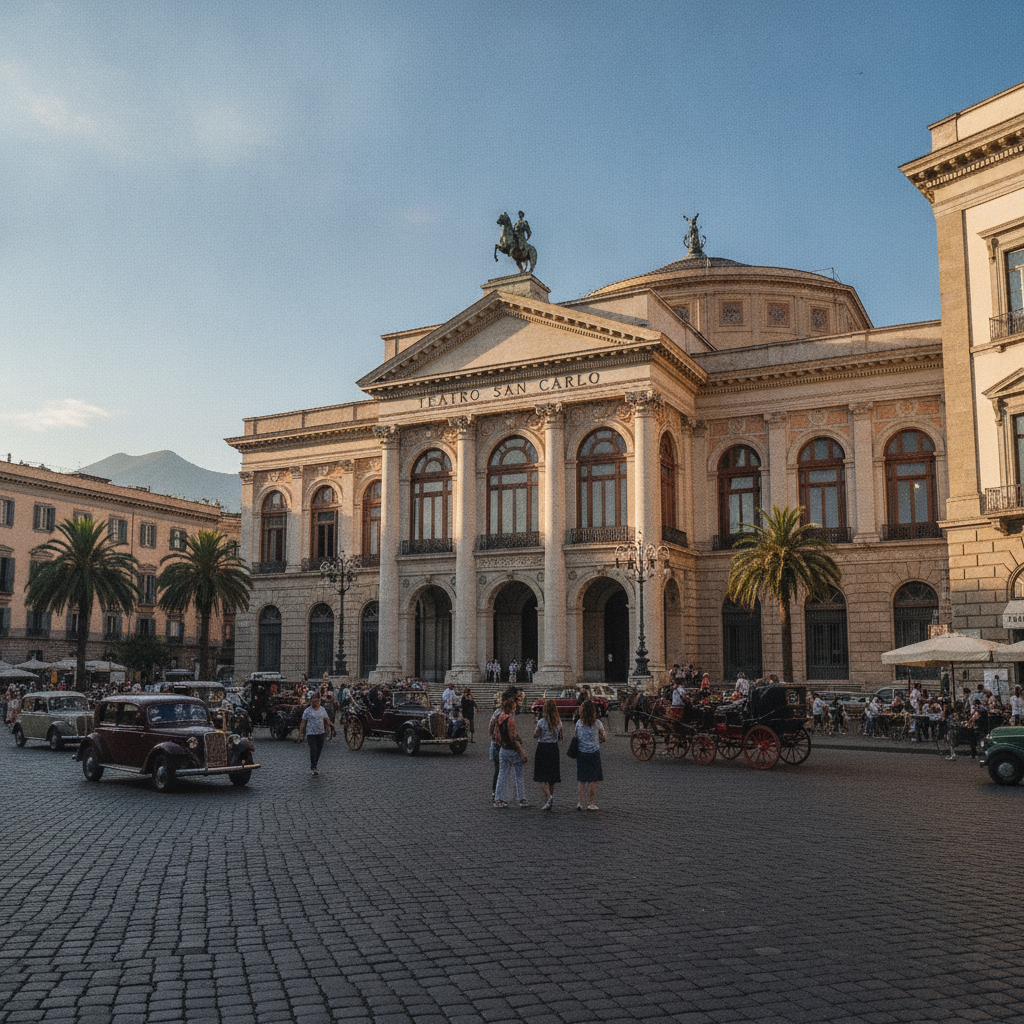
Teatro San Carlo — Das älteste Opernhaus der Welt