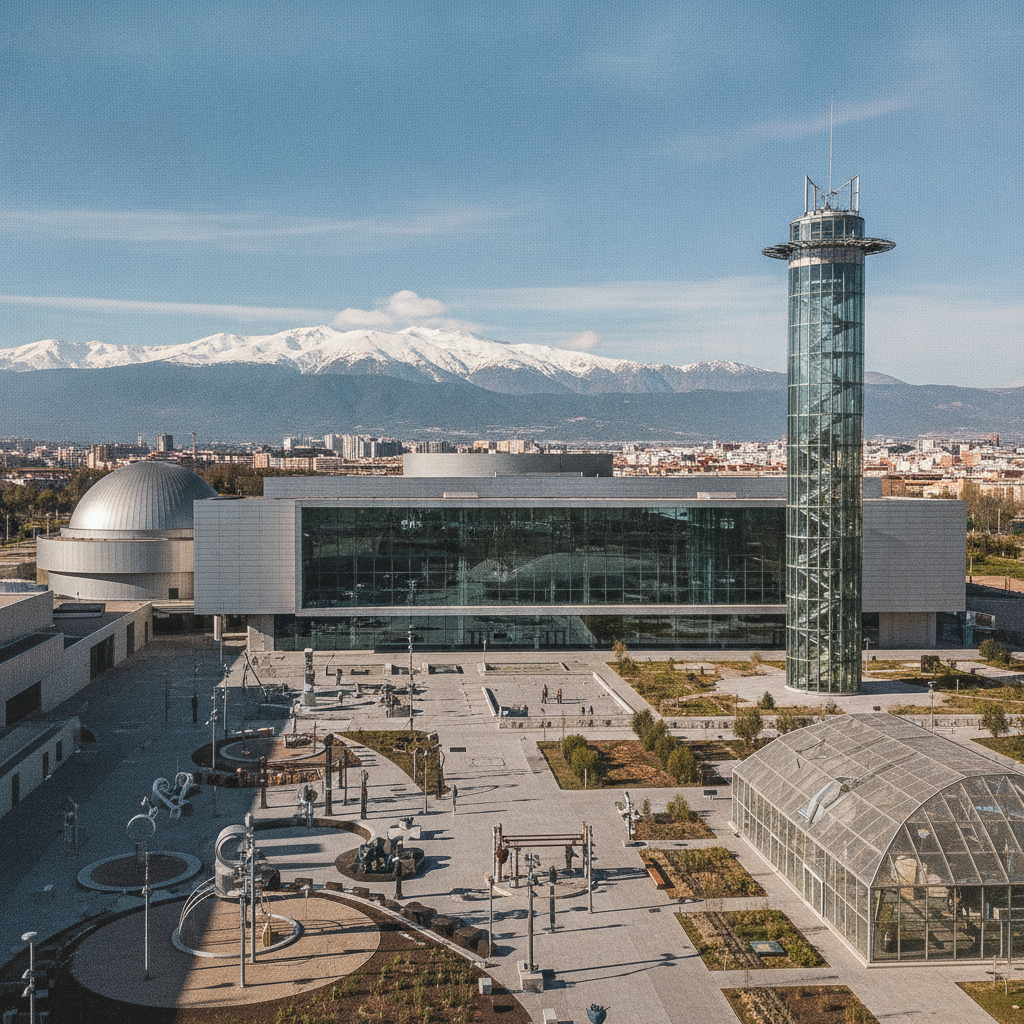
Parque de las Ciencias, Università di Granada e la Città Moderna
Il Parque de las Ciencias de Granada (il più grande museo scientifico interattivo in Andalusia) e l'Università di Granada (fondata nel 1531, una delle università più antiche e più grandi della Spagna, con 55.000 studenti) rappresentano insieme il volto moderno e orientato al futuro di una città definita anche dal suo straordinario patrimonio medievale e islamico.
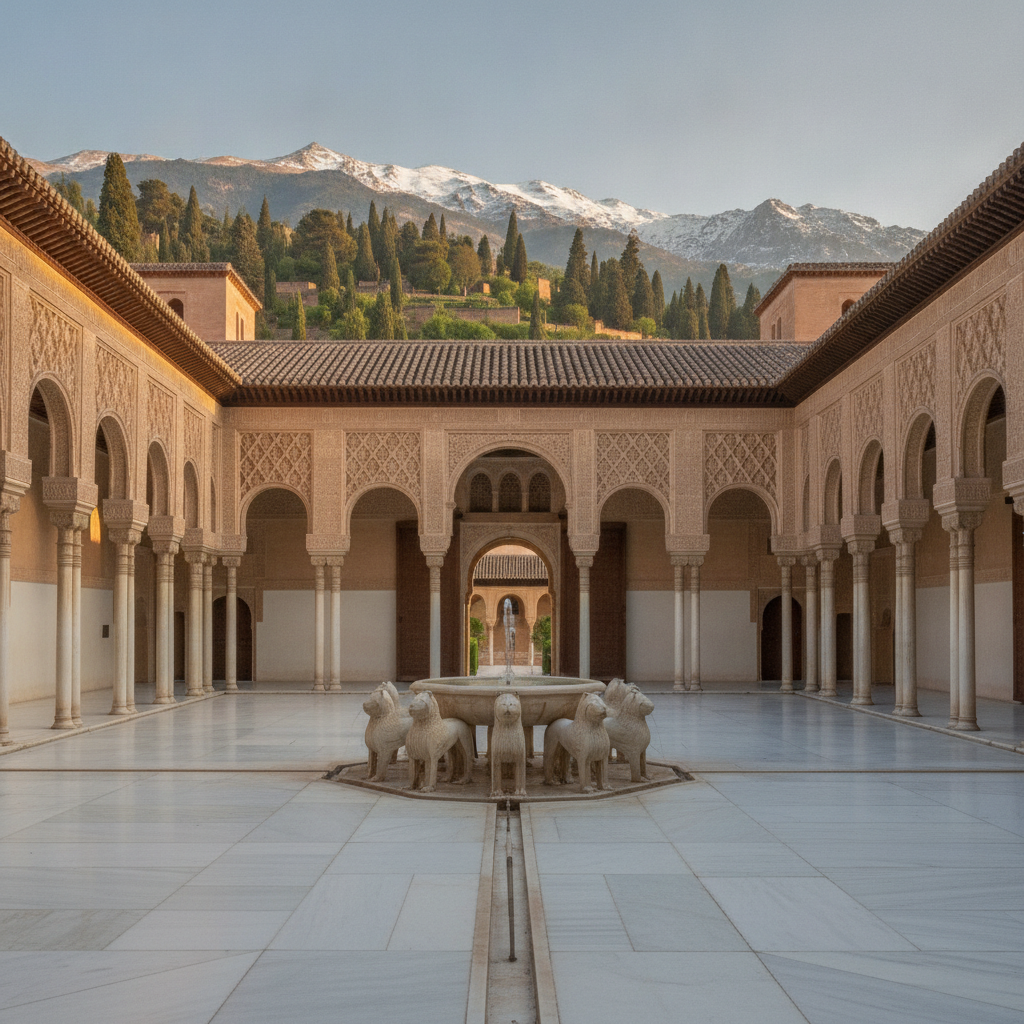
L'Alhambra, i Palazzi Nasridi e i Giardini del Generalife
L'Alhambra di Granada (il Sito del Patrimonio Mondiale dell'UNESCO — il più grande monumento di architettura islamica nel mondo occidentale e il sito turistico più visitato della Spagna): i Palazzi Nasridi, l'Alcazaba, il Generalife e il Palazzo di Carlo V — insieme il monumento più straordinariamente bello della Penisola Iberica.
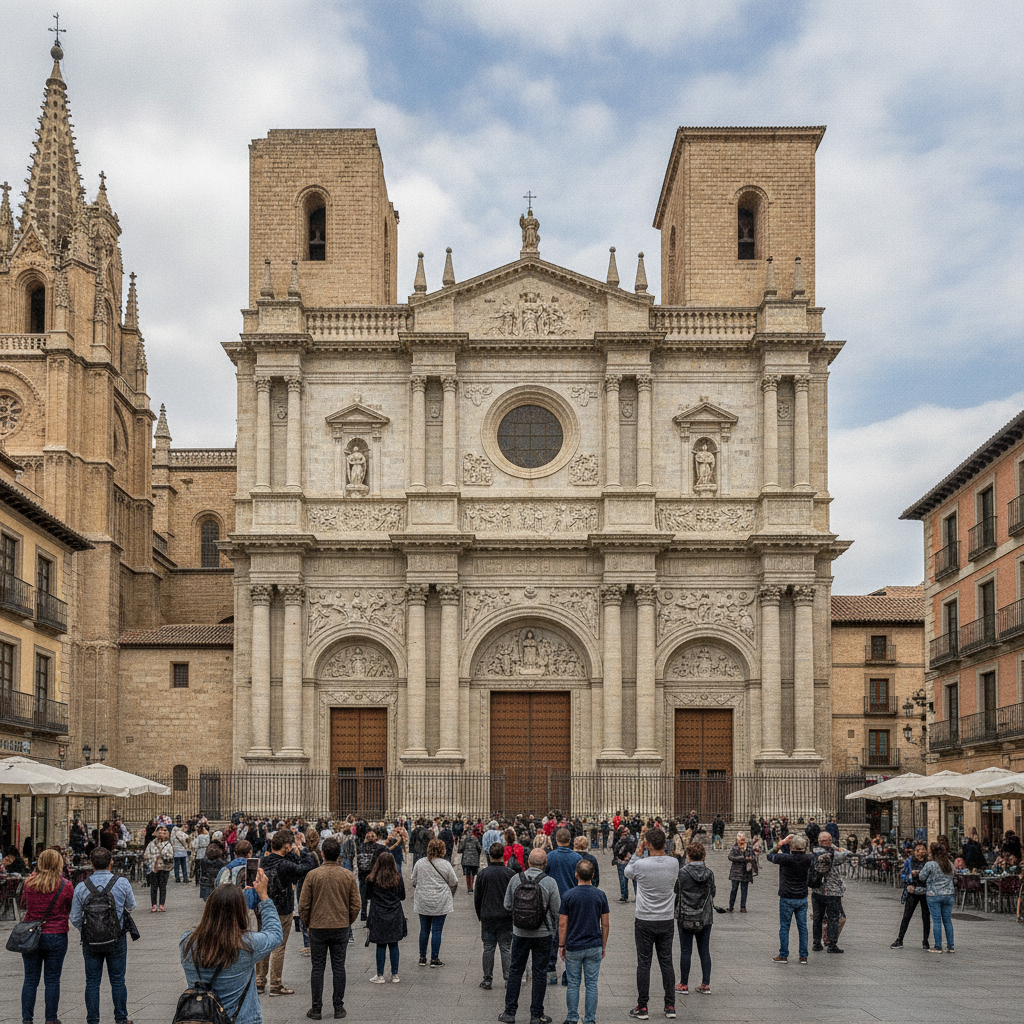
Cattedrale di Granada, Cappella Reale e la Fine della Reconquista
The Catedral de Granada (begun 1523 — the first Renaissance cathedral in Spain, designated on the site of the Great Mosque of the Nasrid Emirate) and the Capilla Real (the Royal Chapel — built 1505-1521 as the mausoleum of the Catholic Monarchs Ferdinand and Isabella, the patrons of Columbus) together mark the moment on January 2, 1492, when Granada fell to the Christian reconquest and Spain's history changed forever.
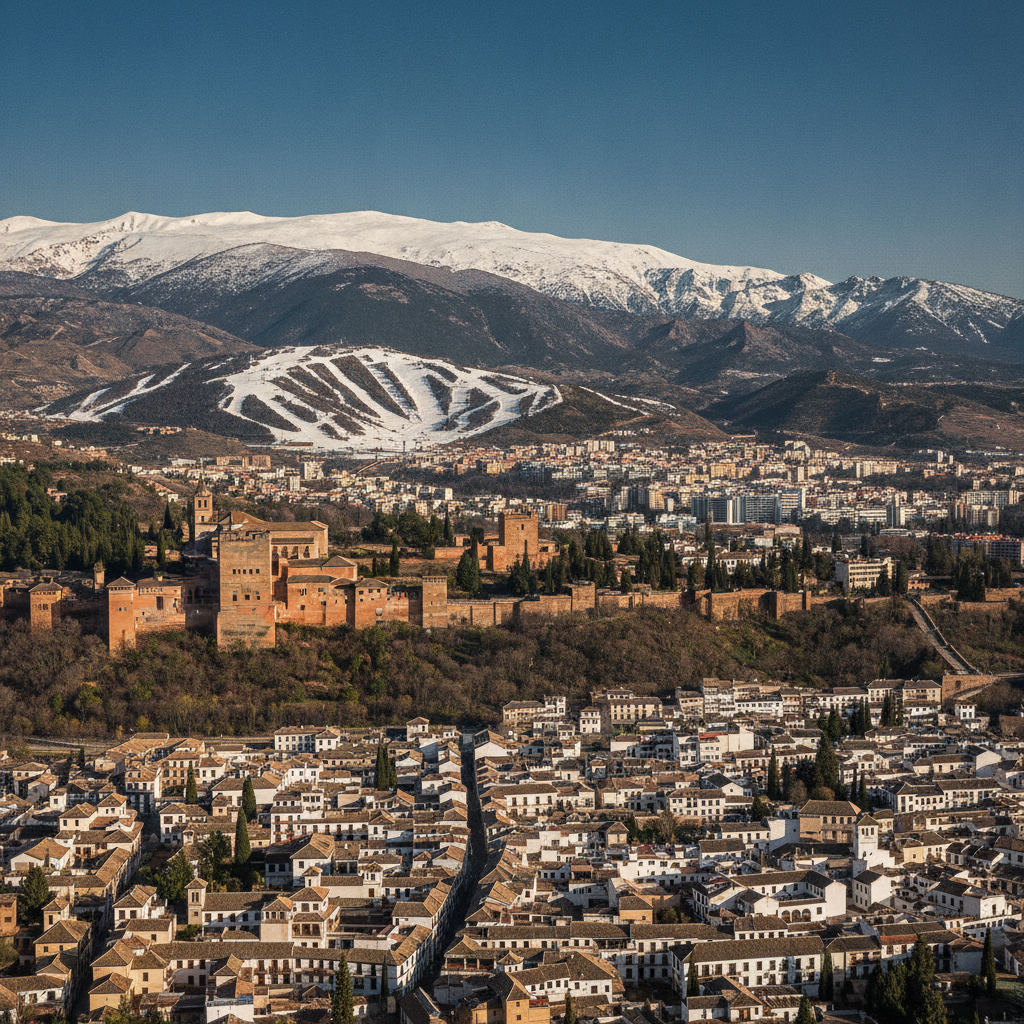
Sierra Nevada, Stazione Sciistica e la Natura Montana di Granada
La Sierra Nevada (la catena montuosa immediatamente a sud di Granada — la catena montuosa più alta della Penisola Iberica, con il Mulhacén (3.479 m — il punto più alto della Spagna continentale)): lo straordinario fatto che Granada è l'unica città in Europa dove si può sciare al mattino e nuotare nel Mediterraneo nel pomeriggio.
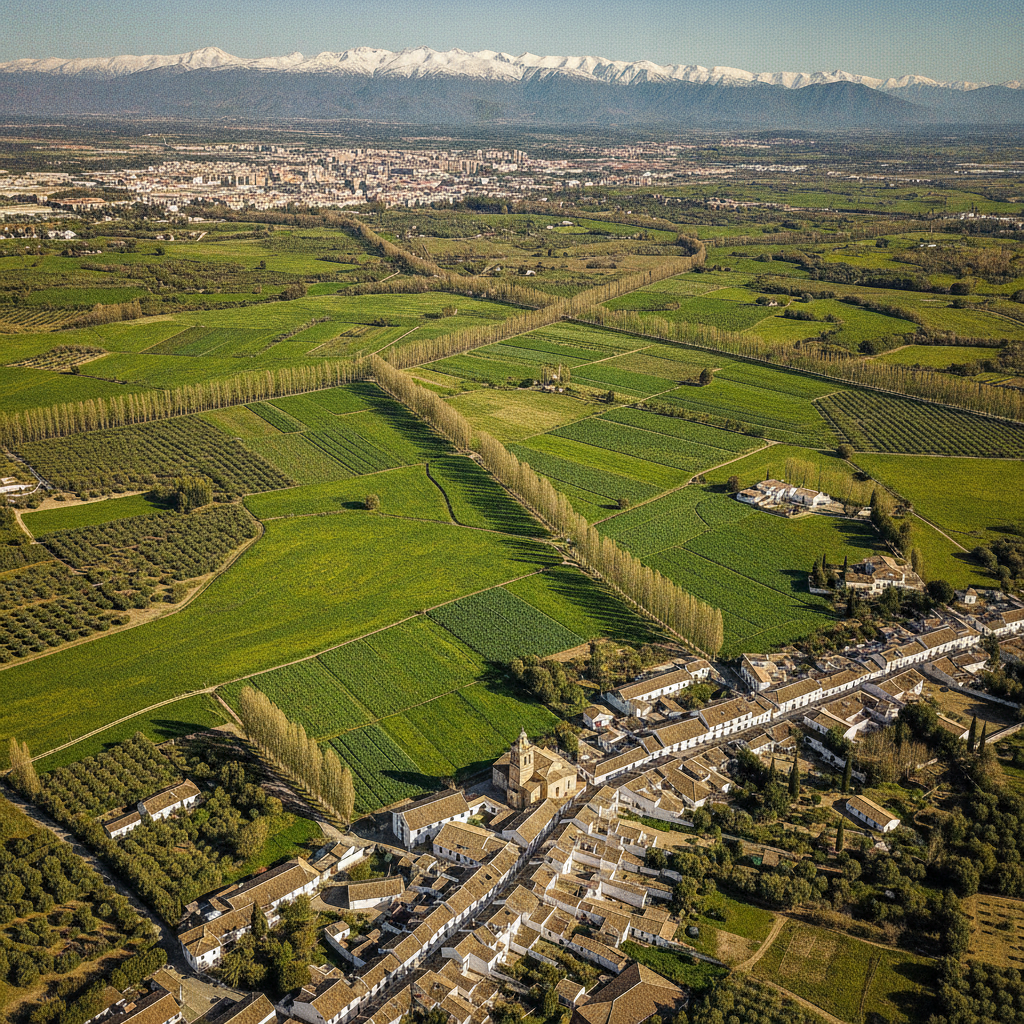
La Granada di Lorca, Fuente Vaqueros e la Vega
The 'Vega de Granada' (the fertile irrigated plain surrounding Granada, the agricultural heartland of the Nasrid Emirate and the landscape that inspired the greatest lyric poetry of Federico García Lorca (1898-1936)) and Fuente Vaqueros (the village 17 km west of Granada where Lorca was born, now the site of his birthplace museum) together form the essential literary and cultural landscape of modern Granada.
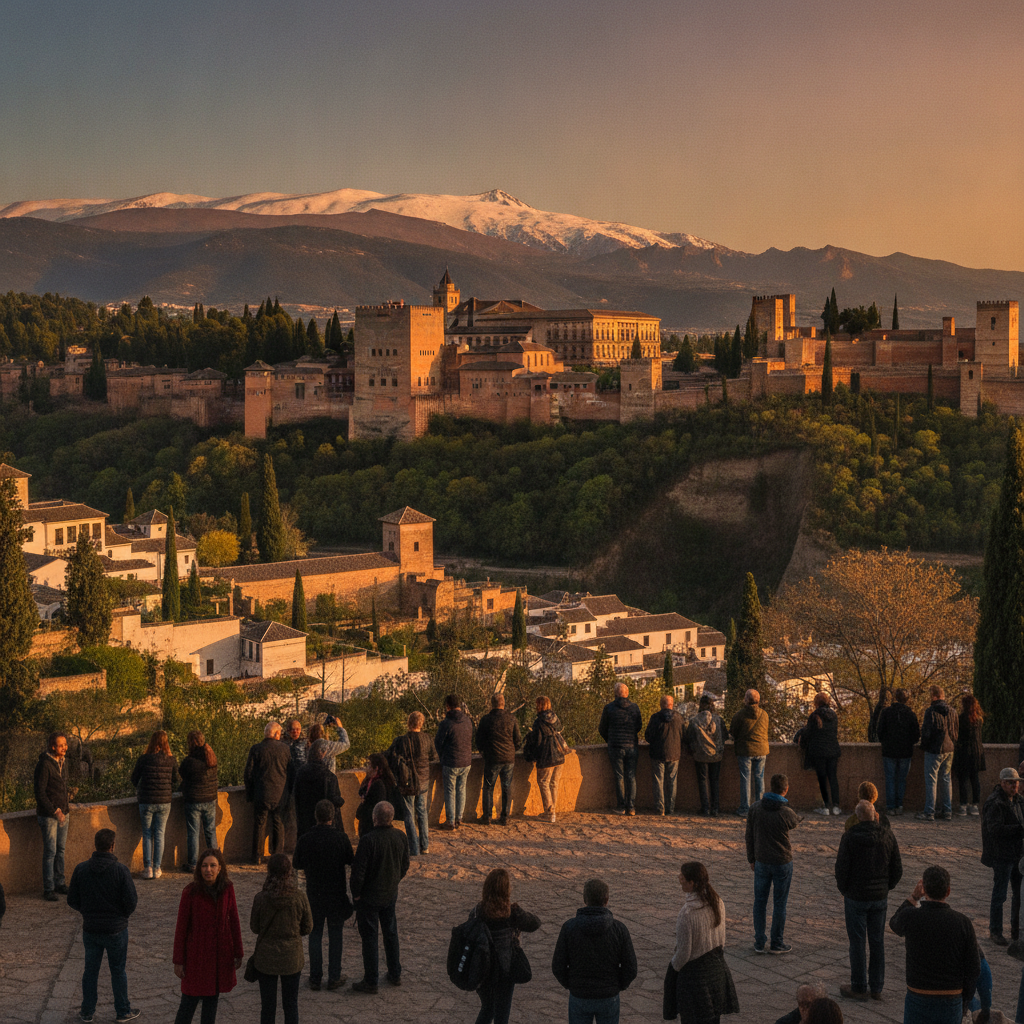
Albaicín, Sacromonte e il Quartiere Moresco di Granada
L'Albaicín (il quartiere moresco di Granada — Sito del Patrimonio Mondiale UNESCO, il quartiere islamico medievale più intatto dell'Europa Occidentale) e il Sacromonte (il quartiere delle grotte della comunità gitana di Granada, culla del flamenco granadino) preservano insieme il patrimonio più straordinario della cultura islamica e gitana in Spagna.
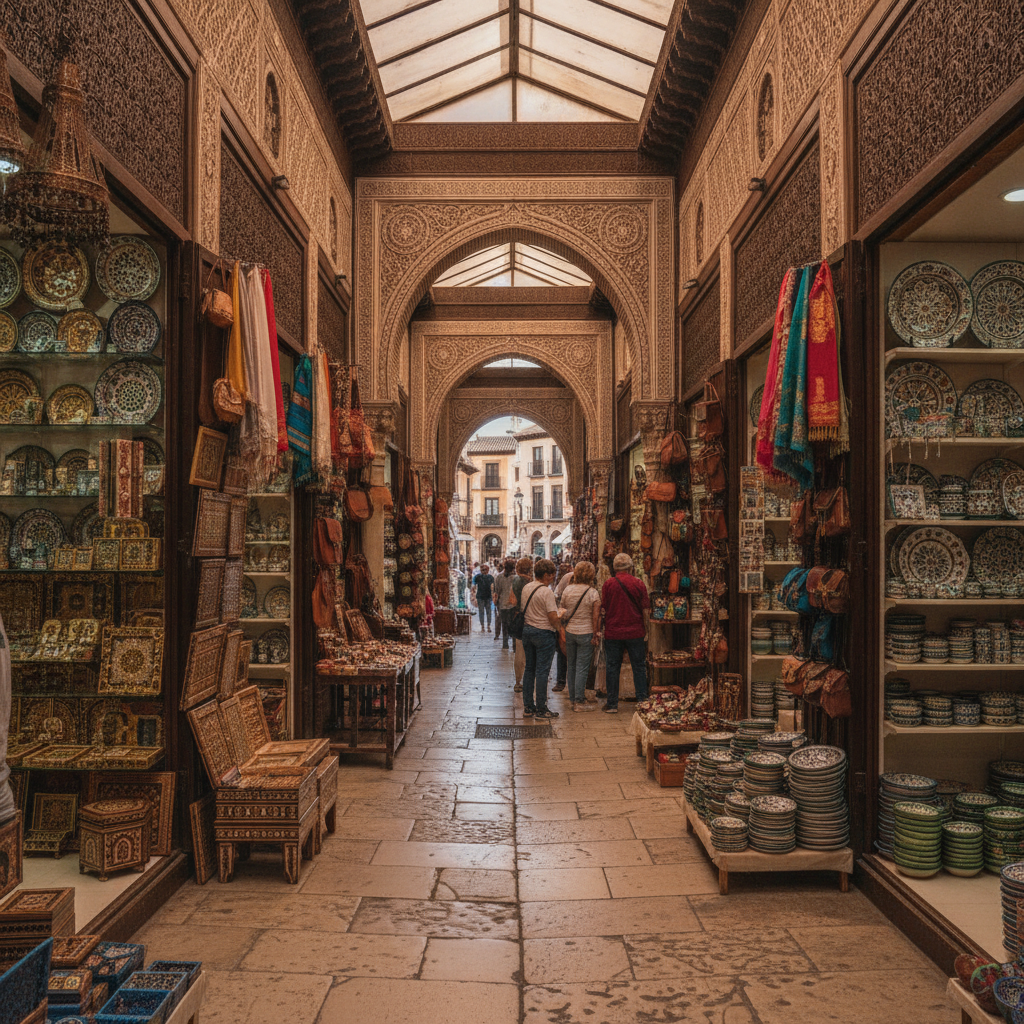
Alcaicería, Bazar Arabo e il Patrimonio del Mercato Islamico di Granada
The Alcaicería (the 'silk market' — the covered market adjacent to the Granada Cathedral, rebuilt in the 19th century on the site of the Nasrid-era royal silk market: the most important commercial district of the Nasrid city of Granada) and the adjacent Calle Calderería Nueva (the 'Moroccan street' with the Moroccan tea houses, the spice shops, and the craft stores) together preserve the commercial spirit of Islamic Granada in the heart of the modern city.
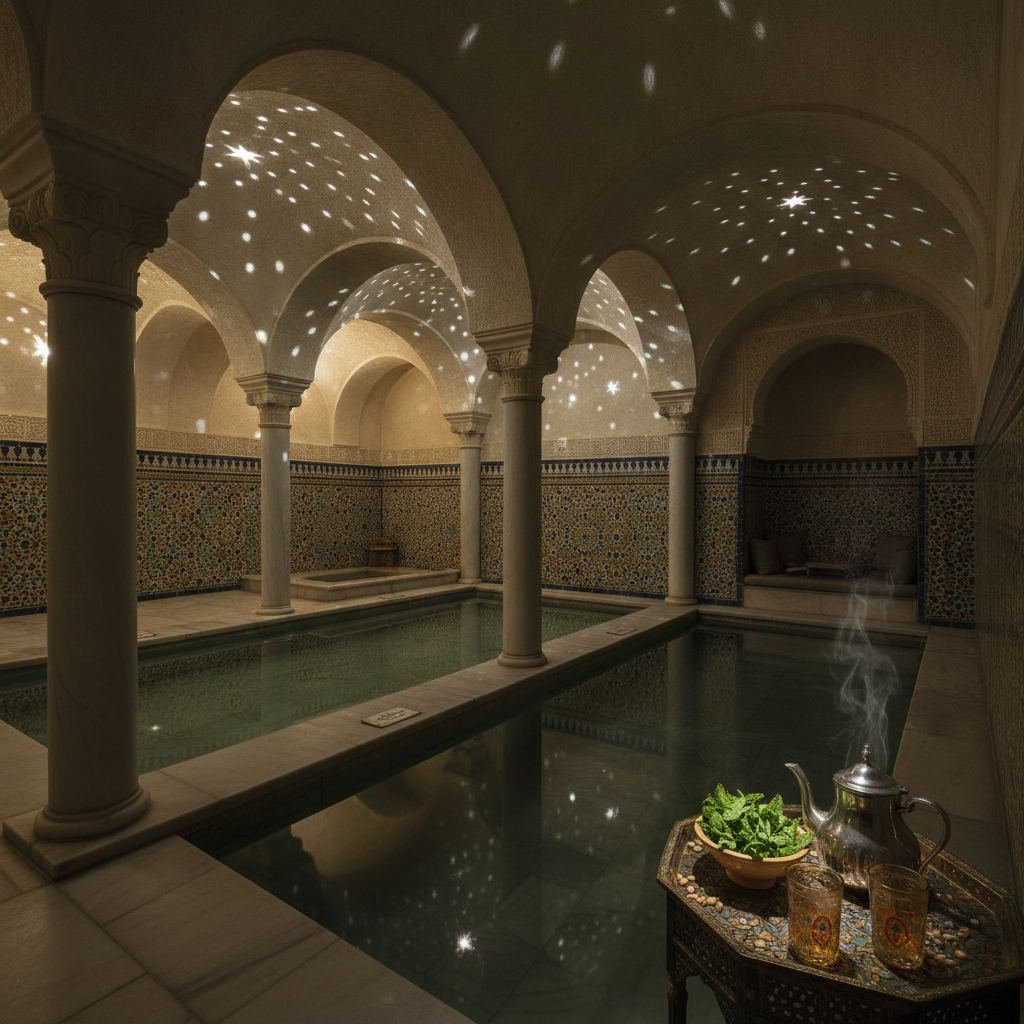
Hammam Al-Ándalus, Bagni Arabi e la Cultura Spa di Granada
The Hammam Al-Ándalus (the Arab baths complex in the Carrera del Darro — the modern recreation of the medieval Islamic hammam tradition in the historic Arab baths building adjacent to the Río Darro) and the 'Bañuelo' (the 11th-century Moorish bath on the Carrera del Darro, the best-preserved Arab bath in Spain) together revive and preserve the tradition of the hammam that was central to the daily life of Islamic Granada for 500 years.
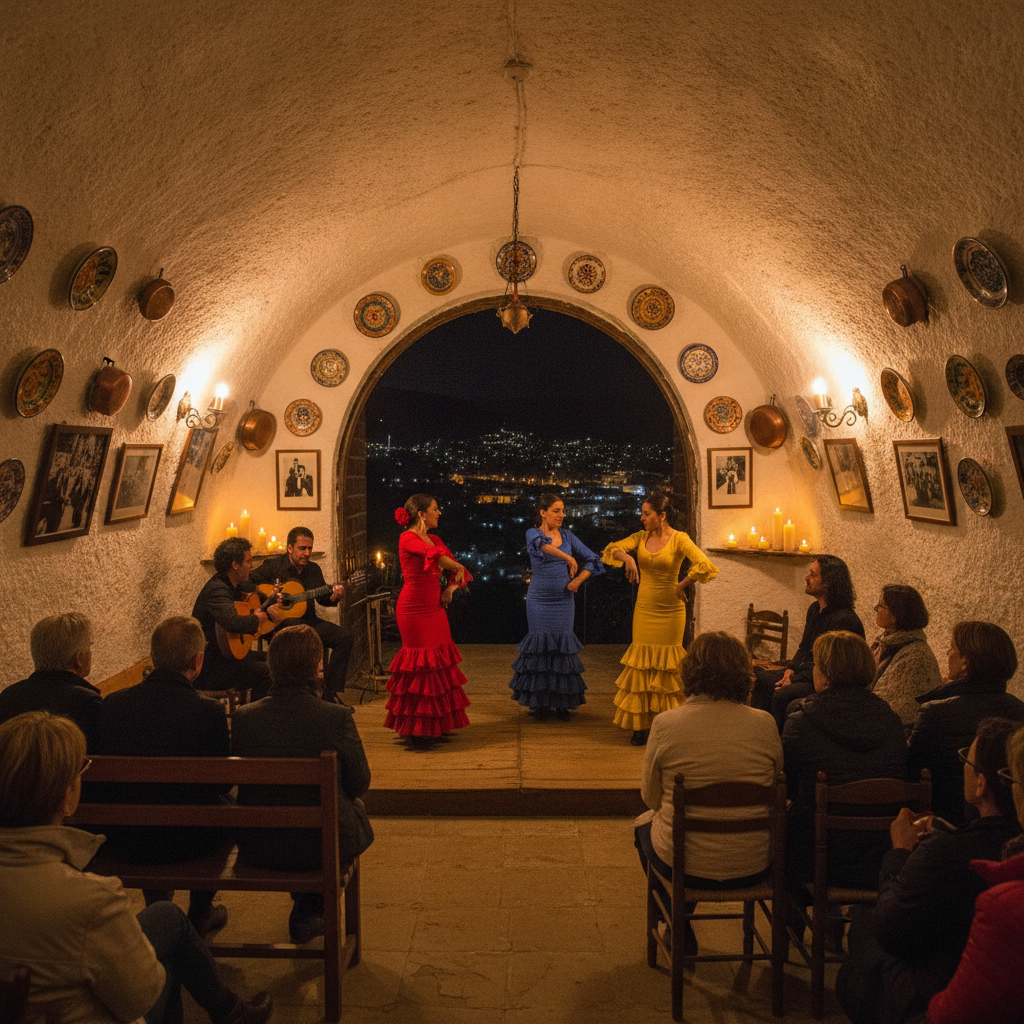
Zambra di Granada, Musica Gitana e le Grotte del Sacromonte
The 'zambra' (the Granada variant of flamenco — the dance form unique to the Sacromonte Gitano community of Granada that combines flamenco with elements of the pre-Islamic Moorish dance tradition) performed in the 'cuevas' (the cave venues of the Sacromonte) is the most distinctive and the most atmospheric live music experience in Granada and one of the most authentic flamenco experiences in Andalusia.