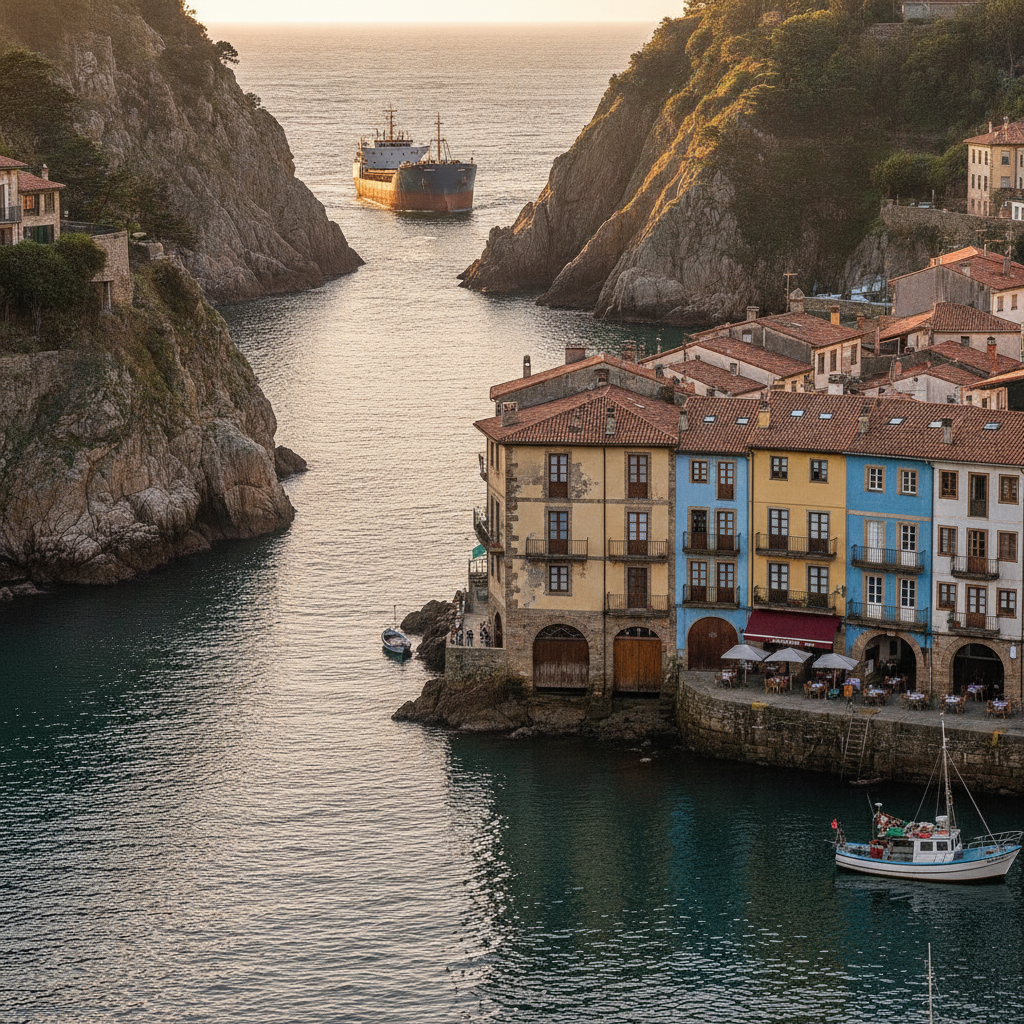
Porto di Pasajes, Hondarribia e la Costa di Confine Basca
Pasajes (the 'Puerto de Pasajes' — the working harbour town 6 km east of San Sebastián, the harbour with the most beautiful natural setting of any port on the Basque coast) and Hondarribia (the medieval fortified town at the mouth of the Bidasoa River, 22 km east of San Sebastián on the French border, the town with the best-preserved medieval walls in the Basque Country) are the essential day trips from San Sebastián for experiencing the authentic maritime and historic culture of the Gipuzkoa coast.
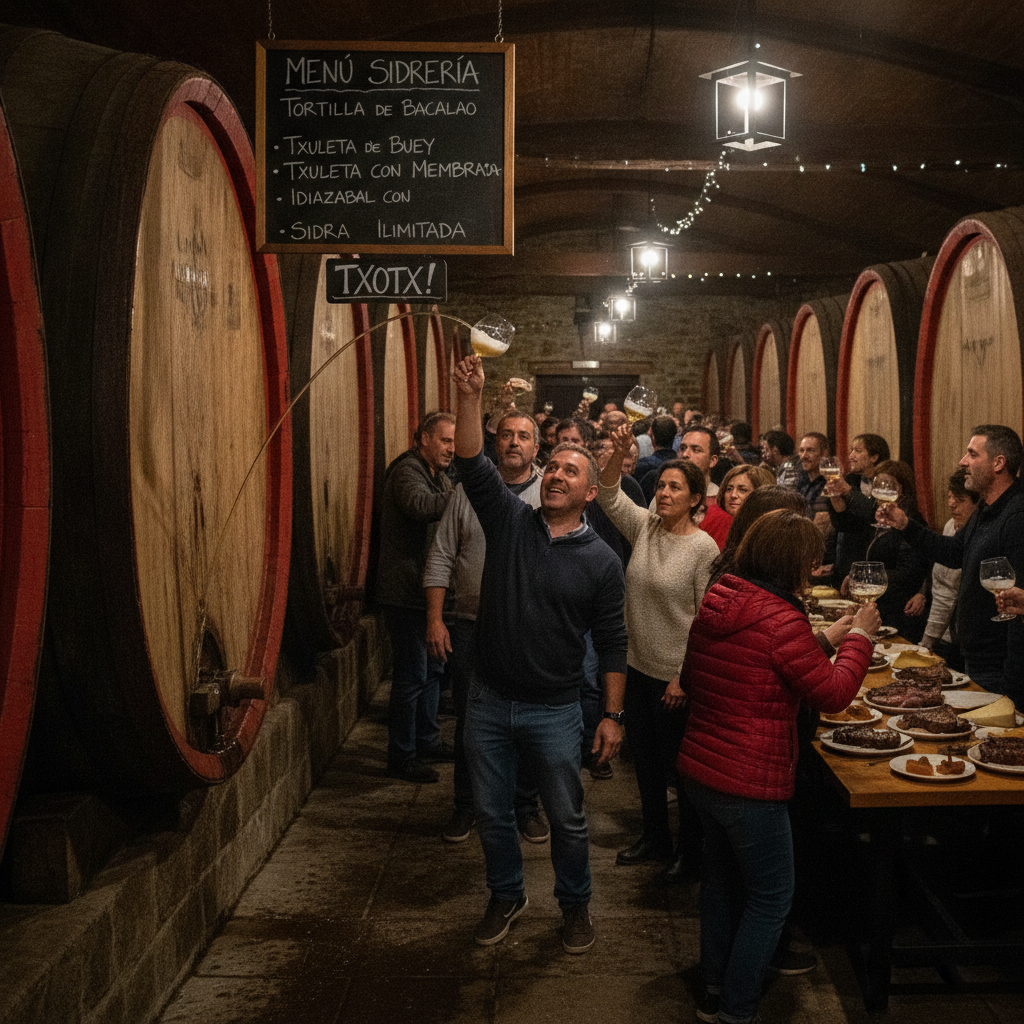
Sagardotegi, Siderie Basche e Tradizioni Stagionali
The 'sagardotegi' (the Basque cider house — the traditional cider producer and restaurant of the Basque Country, the institution that is the most distinctive and the most convivial expression of the Basque food and drink culture outside of the pintxos bar) is one of the essential Basque cultural experiences accessible from San Sebastián, with the majority of the Basque cider houses concentrated in the Astigarraga valley 7 km south of the city.
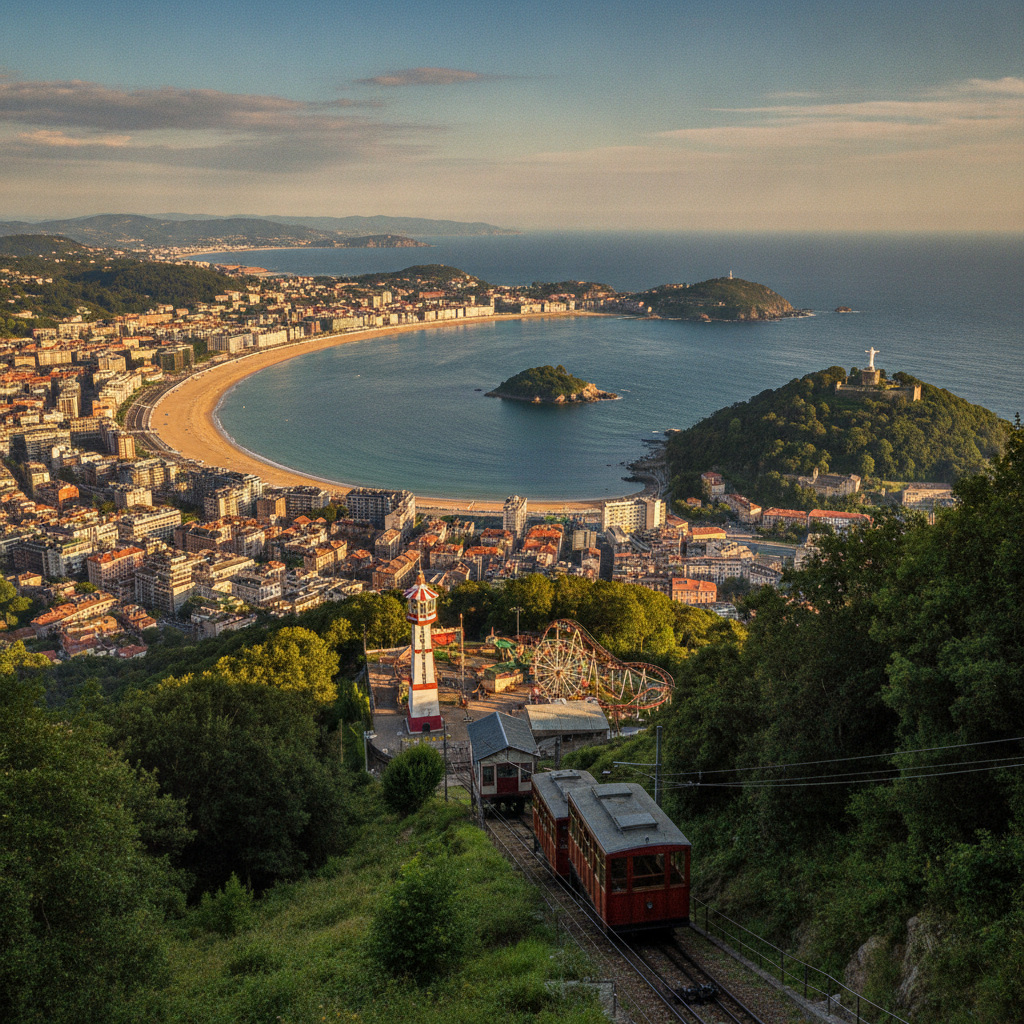
Monte Igueldo, Monte Urgull e le Viste Panoramiche di San Sebastián
The two hills that frame the La Concha bay — Monte Urgull (123 m, topped by the Castillo de la Mota and the Cristo del Castillo) and Monte Igueldo (181 m, accessible by the historic 1912 funicular railway) — offer the most celebrated panoramic views of San Sebastián, the La Concha bay, and the Basque coastline.
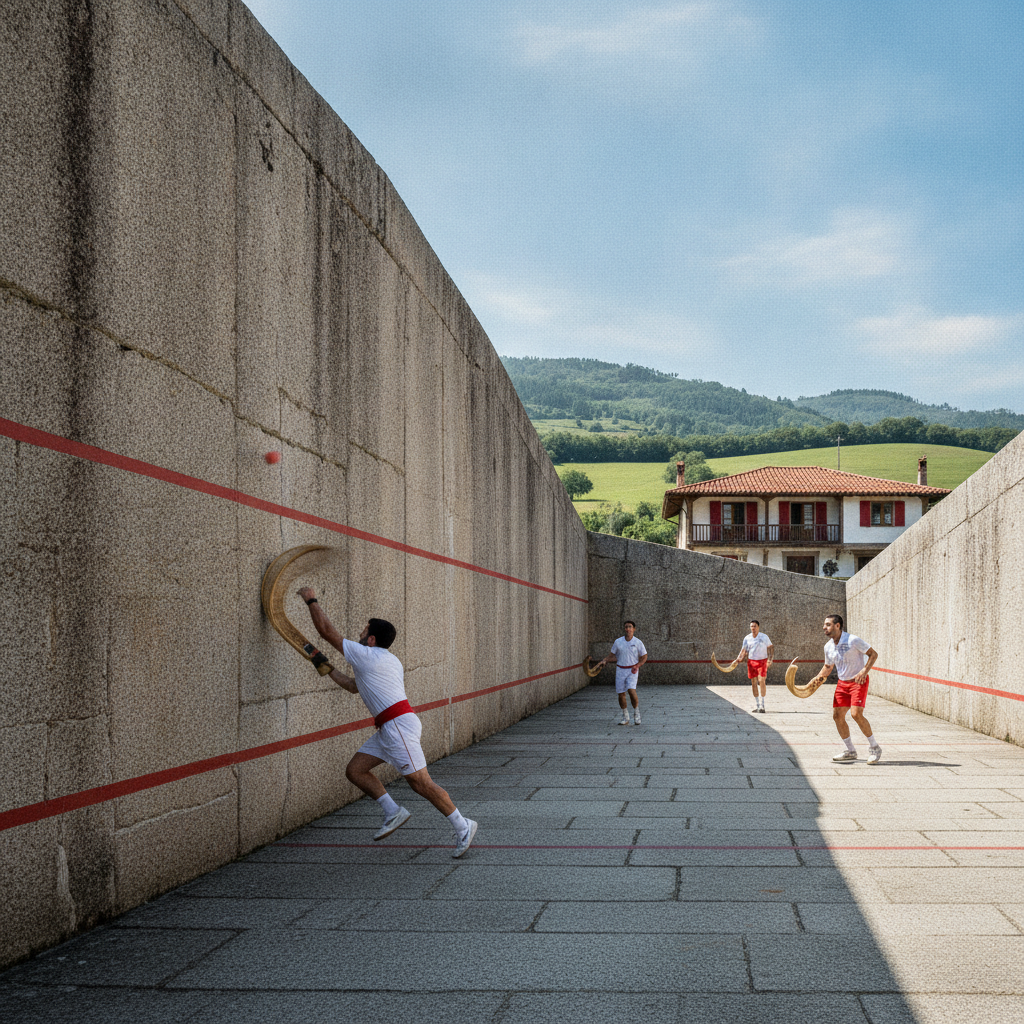
Cultura Basca, Euskara e l'Identità Antica di San Sebastián
Il popolo basco (gli 'Euskaldunak' — i parlanti della lingua basca, i popoli indigeni dei Paesi Baschi: il popolo della cultura più antica dell'Europa Occidentale, la cui lingua 'Euskara' è un isolato linguistico (senza relazioni con nessun'altra lingua al mondo)) e la loro straordinaria cultura sono inseparabili dall'esperienza di San Sebastián.
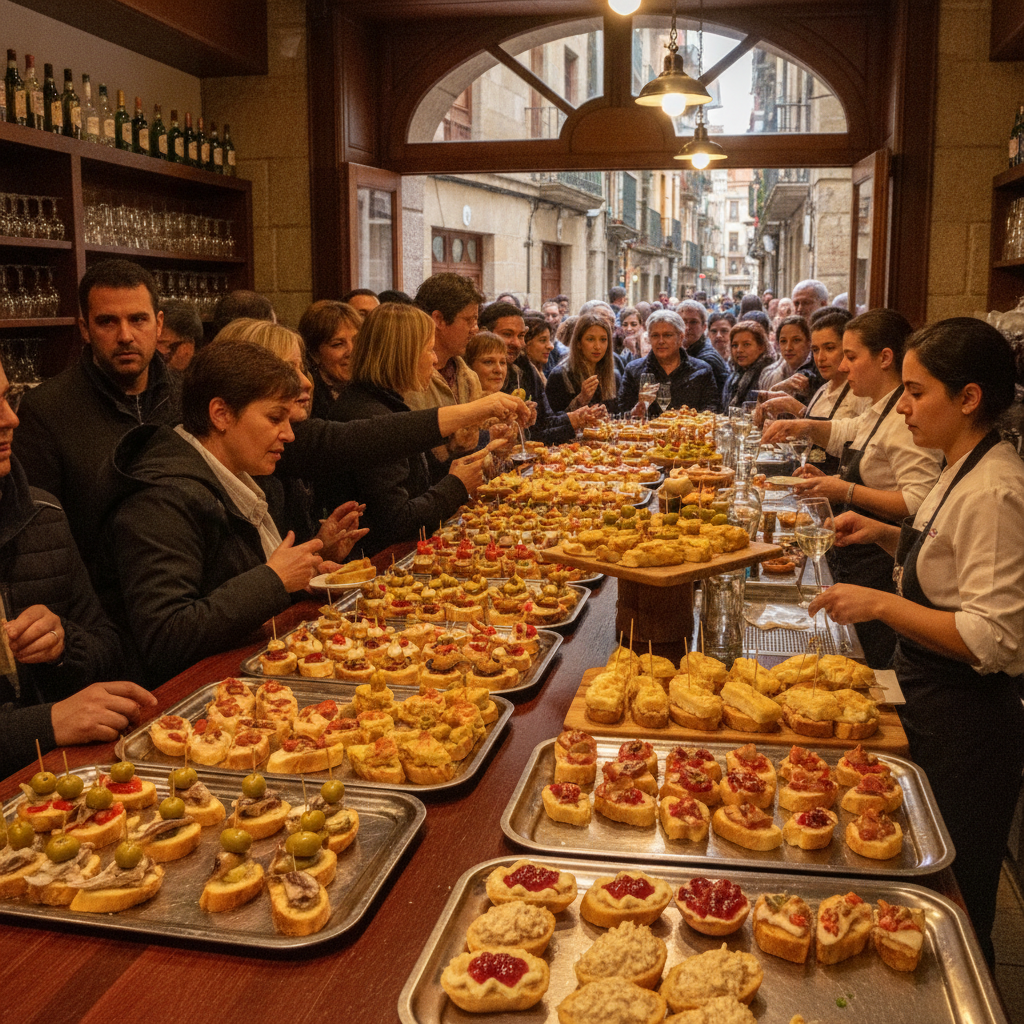
Pintxos, Città Vecchia e la Gastronomia di Classe Mondiale di San Sebastián
San Sebastián (Donostia in basco): la città con la più alta concentrazione di stelle Michelin pro capite di qualsiasi città al mondo, la città la cui Parte Vieja è la più grande concentrazione di cibo straordinario al mondo — è la capitale gastronomica mondiale indiscussa.
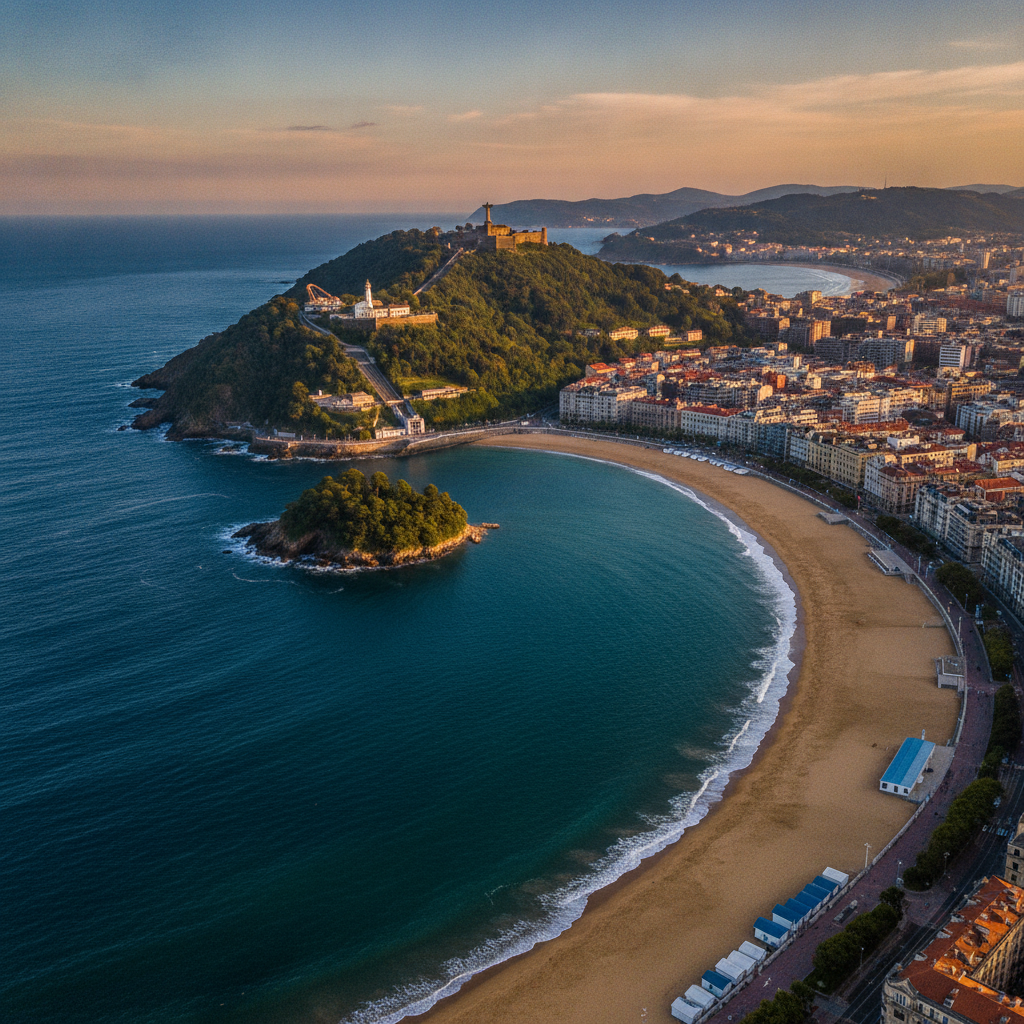
Spiaggia di La Concha, Passeggiata Belle Époque e l'Eleganza di San Sebastián
La Concha (la spiaggia principale di San Sebastián — costantemente votata la più bella spiaggia urbana d'Europa) e il Paseo de la Concha (la passeggiata Belle Époque lungo la spiaggia, l'eredità del periodo in cui San Sebastián era la stazione estiva della famiglia reale spagnola) definiscono insieme il carattere elegante e sofisticato della città.
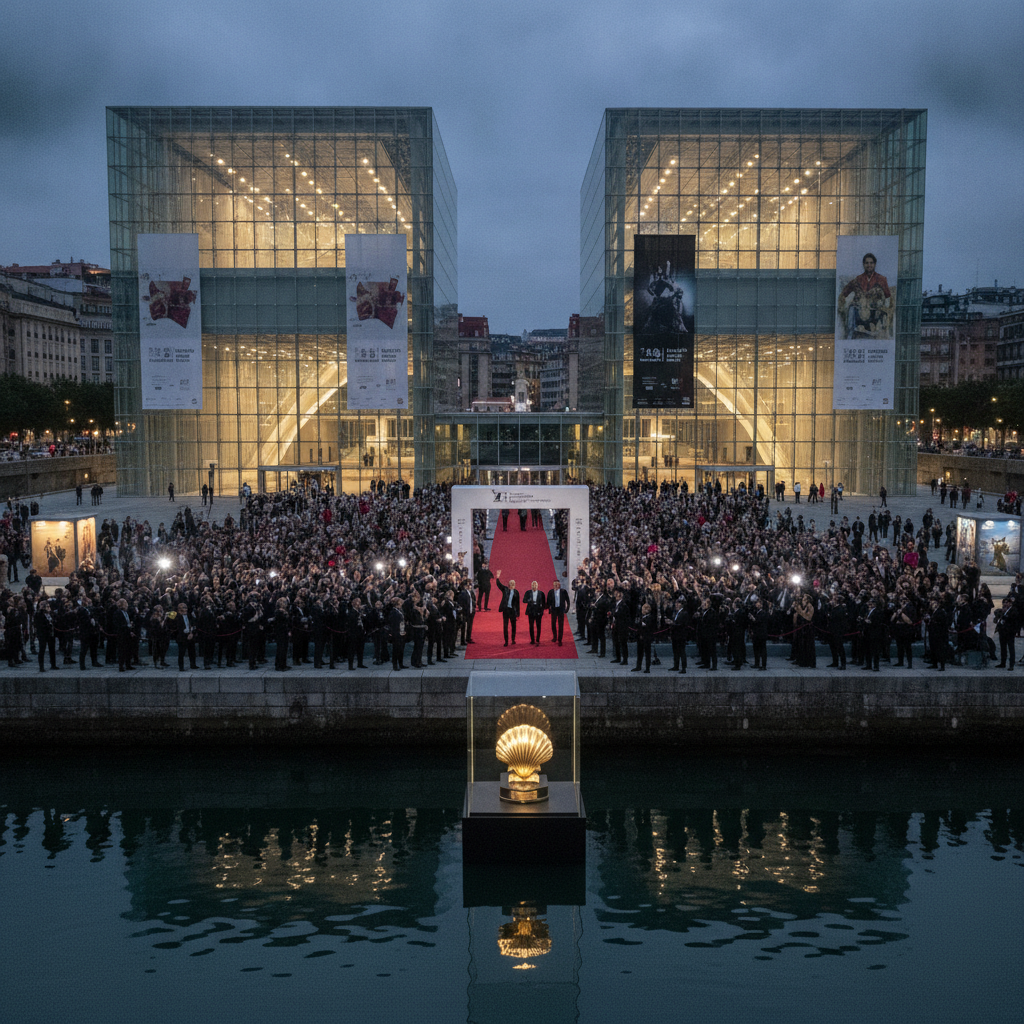
Festival del Cinema di San Sebastián, Arte e Vita Culturale
The San Sebastián International Film Festival (the 'Zinemaldia' — one of the 14 'A-category' film festivals in the world, held annually in the third week of September since 1953) and the broader arts and cultural life of San Sebastián (the Victoria Eugenia Theatre, the Tabakalera Contemporary Culture Centre, the San Sebastián Museum, and the Basque Contemporary Art Scene) make San Sebastián one of the most culturally rich cities of its size in Europe.
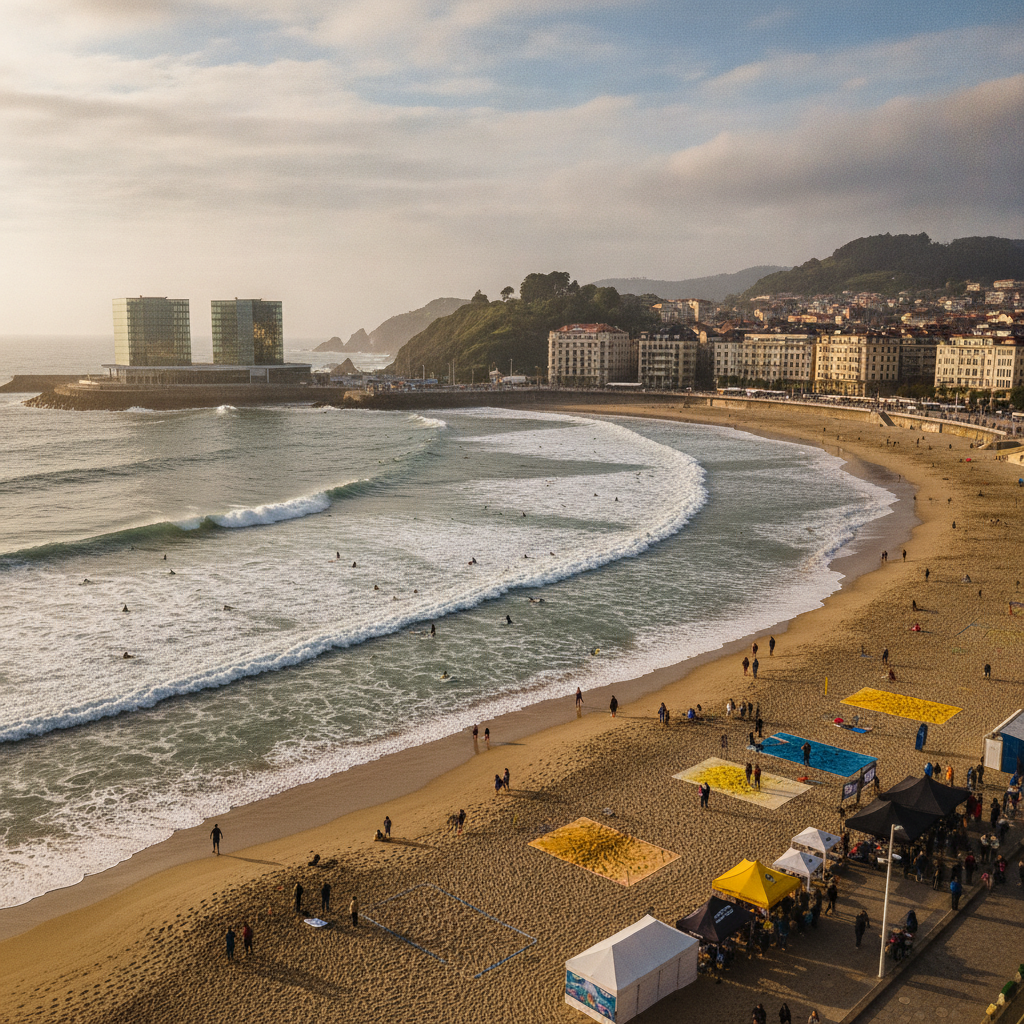
Quartiere di Gros, Spiaggia di Zurriola e la Scena Surf di San Sebastián
The Gros neighbourhood (the young, bohemian district east of the Río Urumea — the most vibrant and the least touristy neighbourhood in San Sebastián, with the highest concentration of independent cafés, pintxos bars, and alternative culture venues) and the Zurriola beach (the surf beach facing the Atlantic swell) together constitute San Sebastián's alternative, local face — the antithesis of the Belle Époque elegance of La Concha.
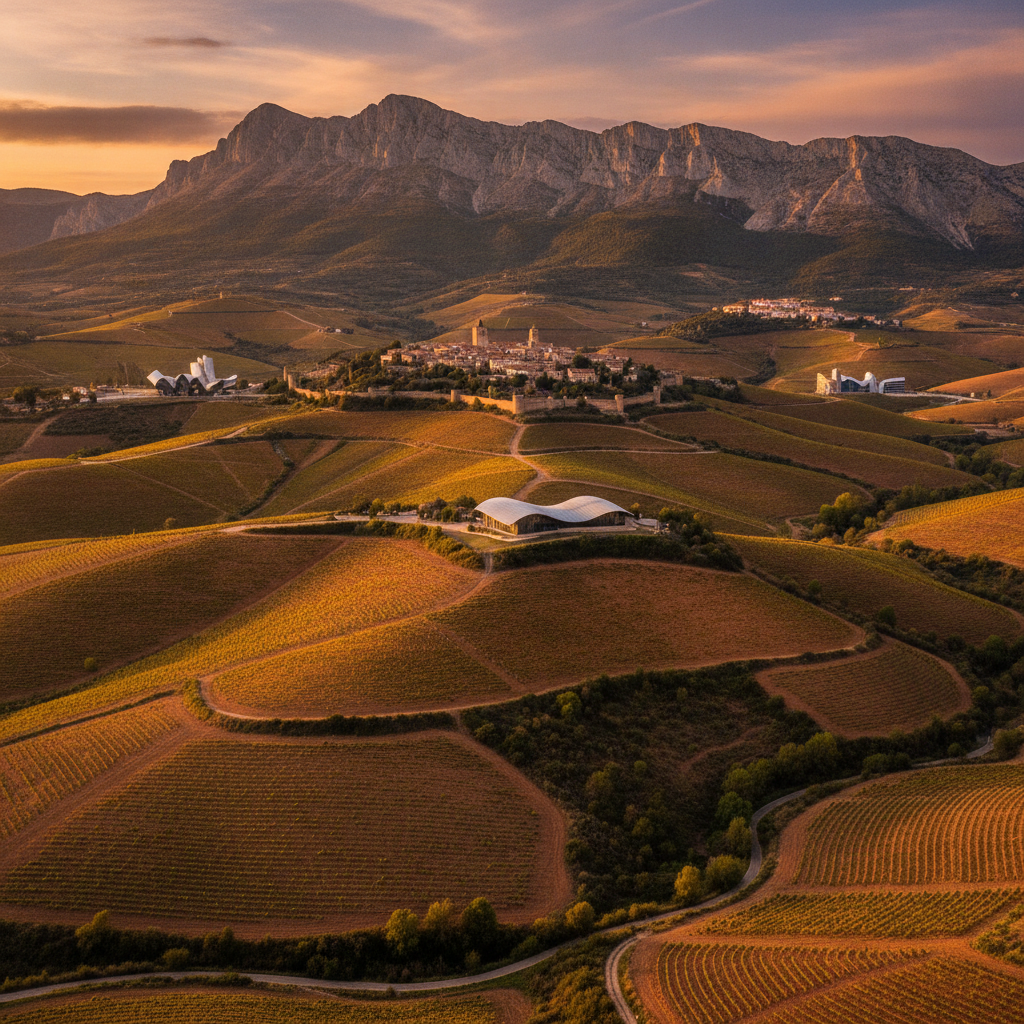
Rioja Alavesa, Laguardia e la Bodega Frank Gehry di Marqués de Riscal
La Rioja Alavesa (la sezione basca della DOCa Rioja — la denominazione di vino rosso più prestigiosa della Spagna): la straordinaria architettura delle cantine ('Bodegas Ysios' di Santiago Calatrava e l'hotel-cantina 'Marqués de Riscal' di Frank Gehry) e il villaggio medievale di Laguardia — tutto accessibile come gita di un giorno da San Sebastián.