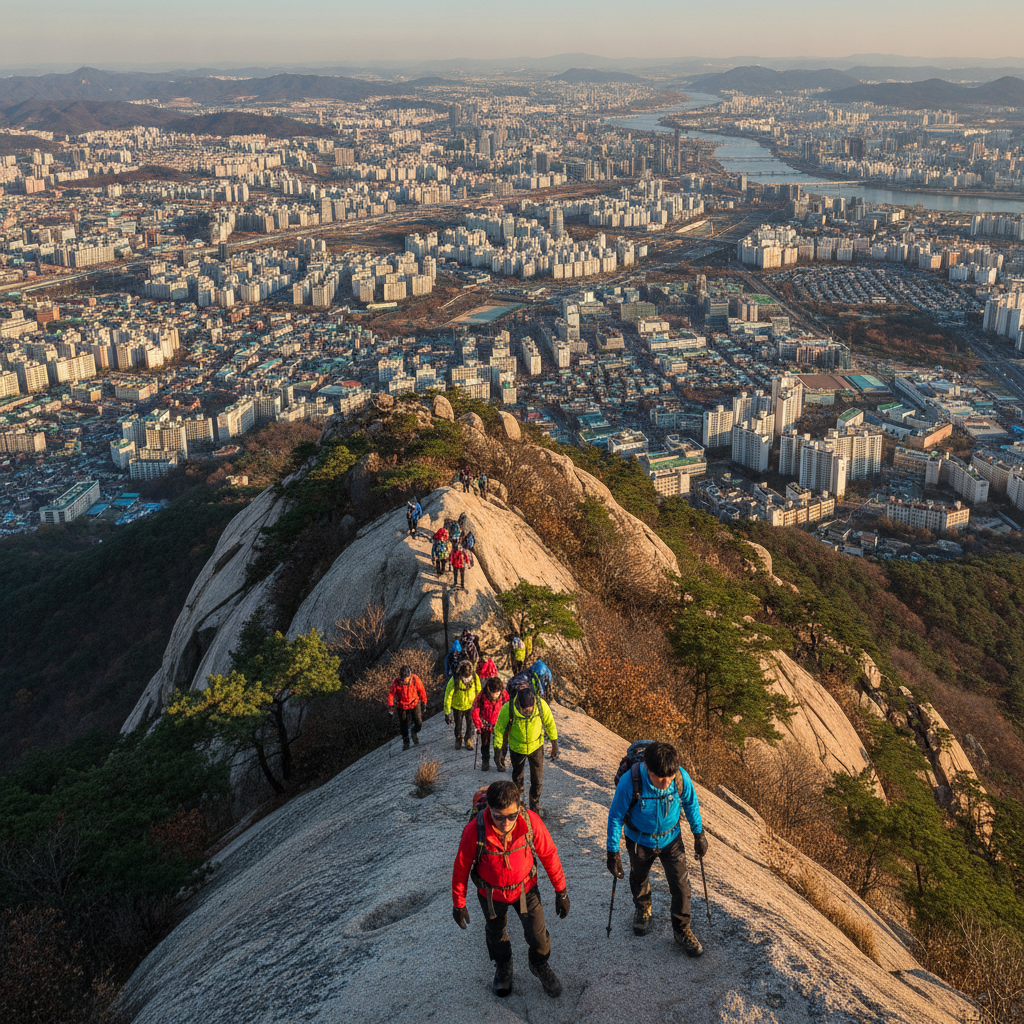
Parco Nazionale di Bukhansan — Vette di Granito e le Mura della Fortezza di Seoul
Bukhansan National Park (북한산국립공원, 'north of the Han Mountain National Park' — the 80-square-kilometre national park in the northern outskirts of Seoul, encompassing the Bukhansan massif (the highest peak Baegundae 836 metres) and the Dobongsan massif (Jaunbong 740 metres) — is the most visited national park in the world per unit area, with over 5 million visitors annually accessing it directly from Seoul's subway system.
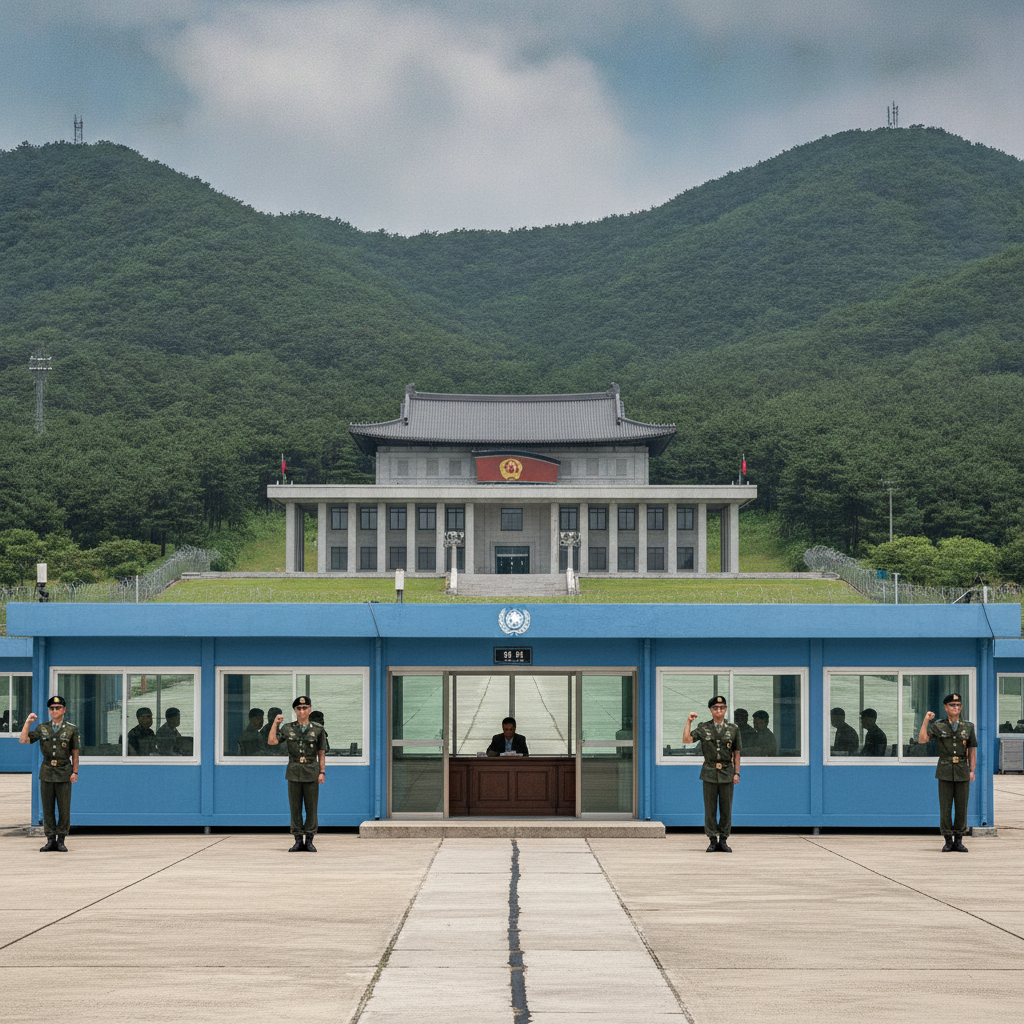
La DMZ, Panmunjom e la Zona di Sicurezza Congiunta — Il Confine Diviso della Corea
The Korean Demilitarized Zone (DMZ) — the 4-kilometre-wide, 248-kilometre-long buffer zone separating North and South Korea, established by the Korean Armistice Agreement of July 27, 1953, which ended the active fighting of the Korean War (1950-1953) without a formal peace treaty — is one of the most heavily militarised borders in the world and one of the most historically significant sites in the Asia-Pacific region, accessible on organized tours from Seoul (approximately 55 kilometres to the south).
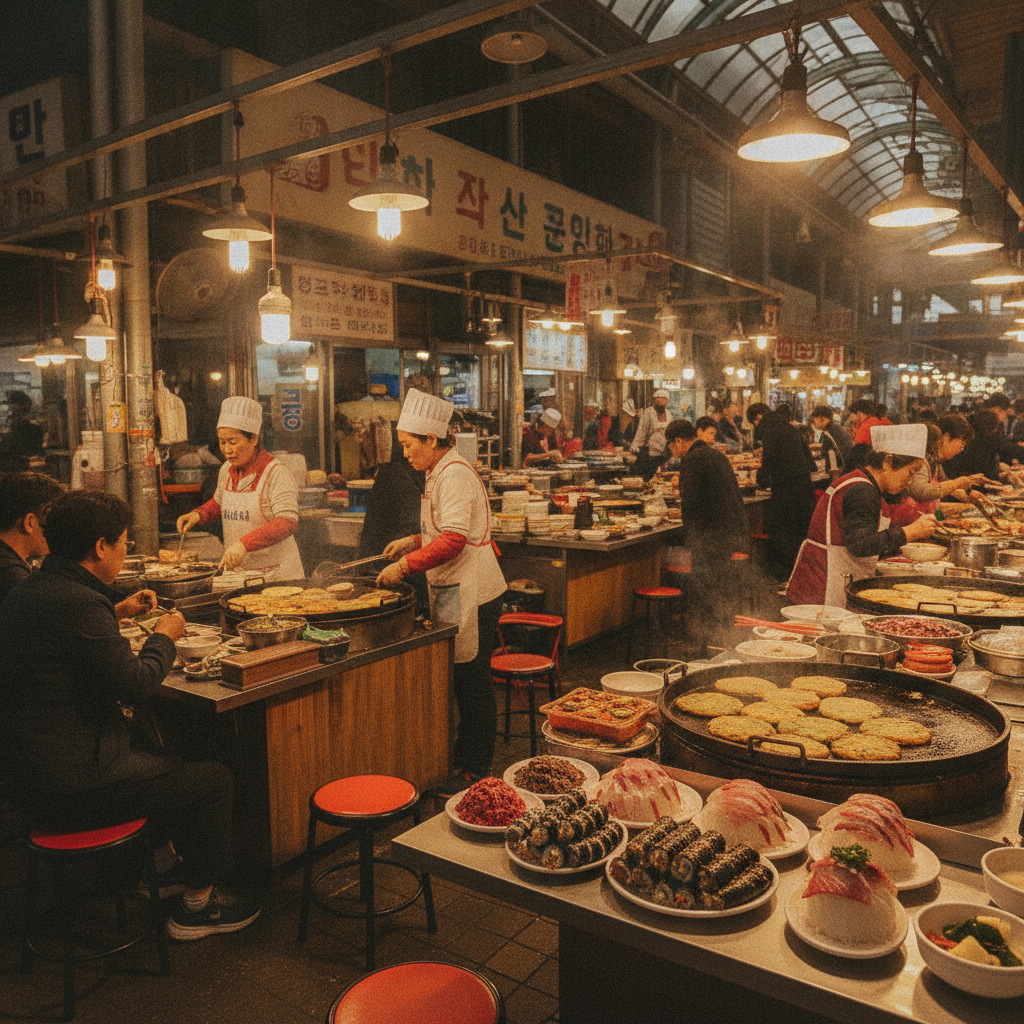
Cultura Gastronomica Coreana — Mercato Gwanjang, Bibimbap, Samgyeopsal e Banchan
Korean cuisine — one of the most distinctive, complex and beloved national cuisines in the world — is centered on the principles of balance (the five flavours of sweet, sour, salty, bitter and spicy; the five colours of red, green, yellow, white and black), fermentation (kimchi, doenjang, ganjang, gochujang), and the communal table (the banchan system of shared small dishes); Seoul is the best place in the world to explore the full range of Korean food culture, from the traditional market food halls of Gwanjang to the Michelin-starred Korean fine dining of Jongno.
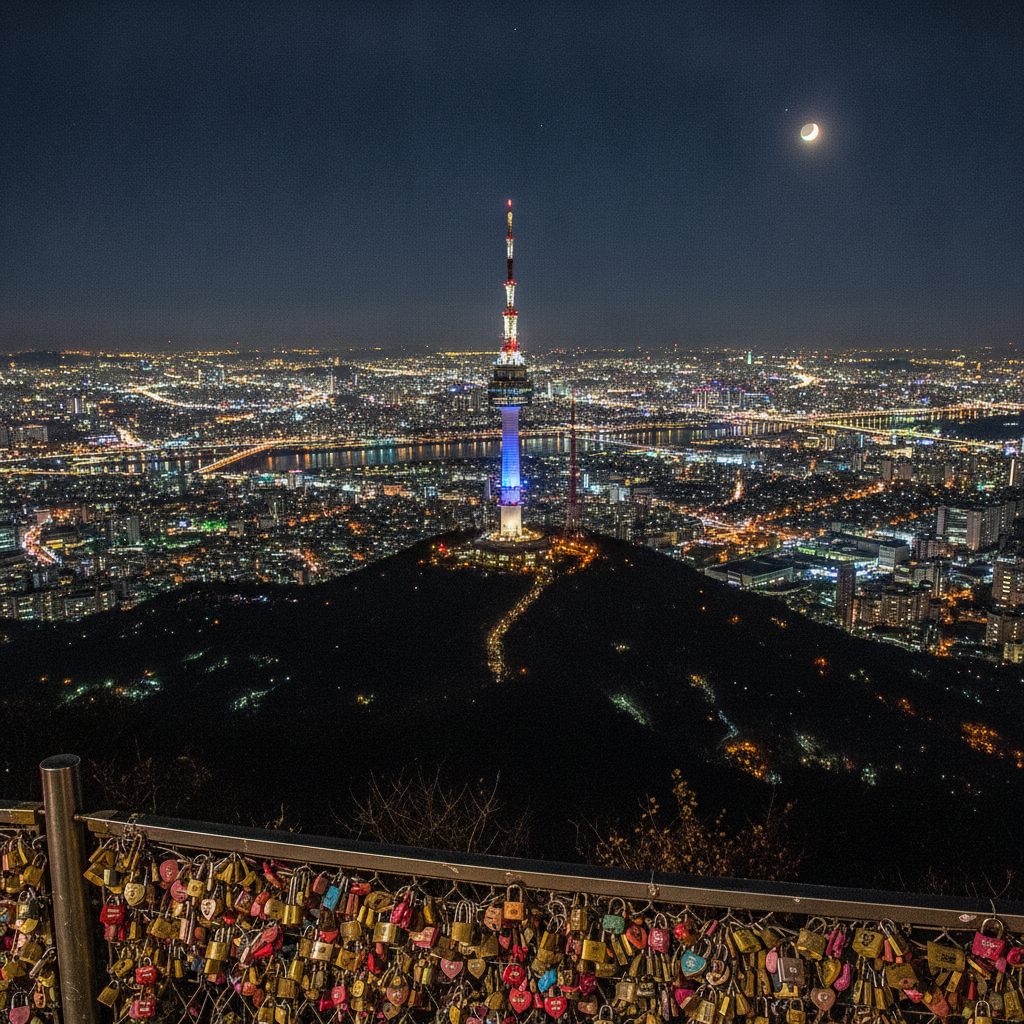
Myeongdong, Mercato Namdaemun, N Seoul Tower e Namsan
Il triangolo formato da Myeongdong, il Mercato Namdaemun e la Montagna Namsan costituisce il corridoio turistico più visitato di Seoul — una progressione senza soluzione di continuità dalla cultura commerciale ipermoderna alle tradizioni di mercato secolari e alle viste panoramiche sulla metropoli del Fiume Han.
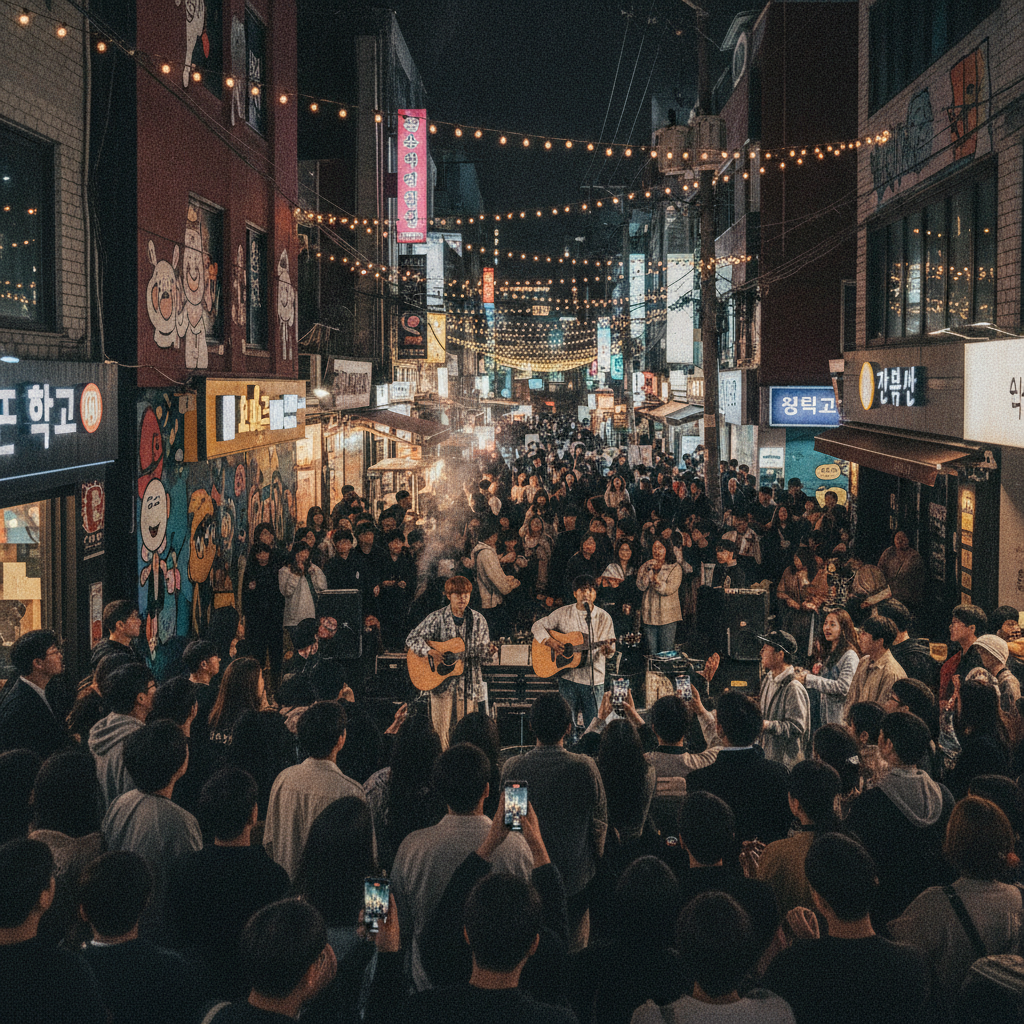
Hongdae, Sinchon e i Quartieri Universitari — Street Art, Club e Cultura Giovanile
Hongdae (홍대, short for Hongik University — the area surrounding Hongik University in Mapo-gu, approximately 6 kilometres west of central Seoul) is Seoul's premier youth culture and nightlife district, combining independent music venues, street performance culture, underground clubs, independent cafés, vintage fashion, and some of the most concentrated street art in Korea in a compact and highly walkable neighbourhood that never really sleeps.
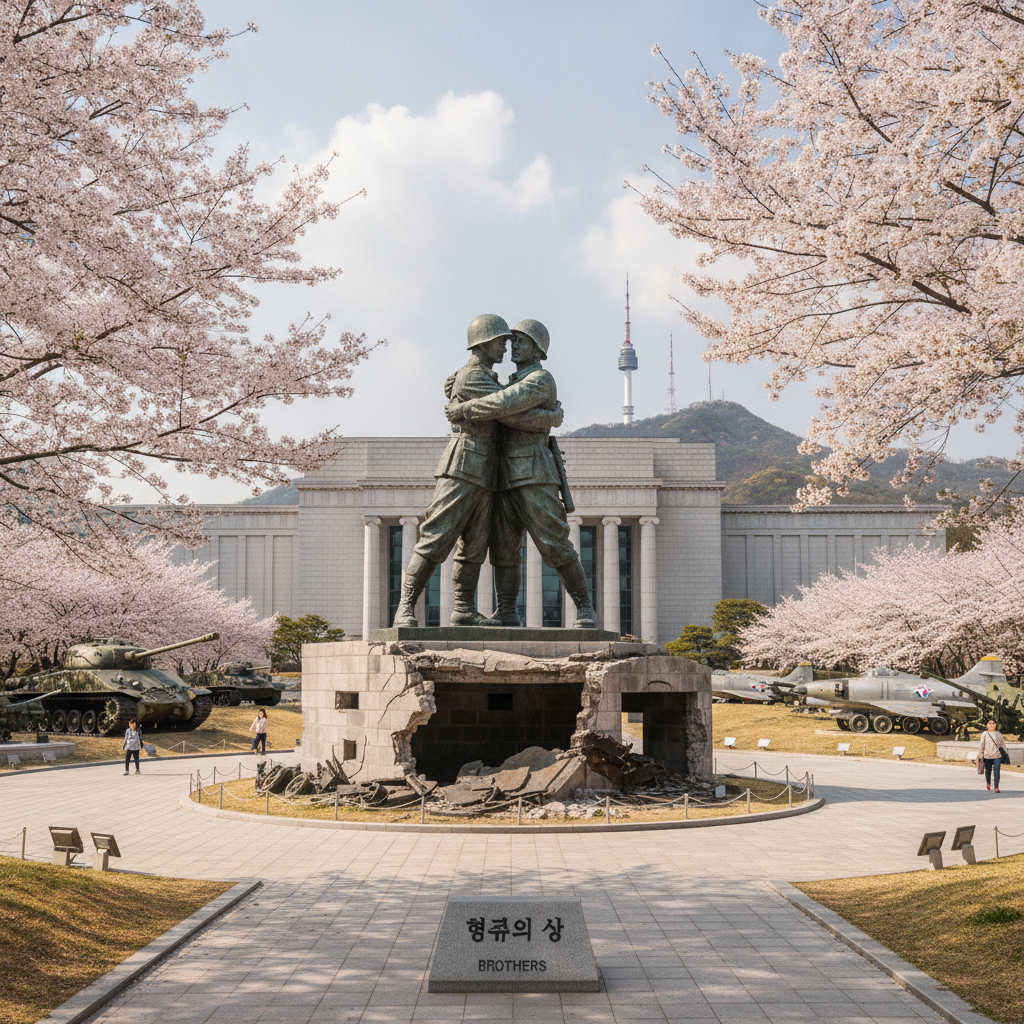
Memoriale di Guerra della Corea, Yongsan e Itaewon — Storia e Seoul Multiculturale
Il distretto di Yongsan — sede del Memoriale di Guerra della Corea, dell'ex quartier generale militare statunitense in Corea e del quartiere internazionale di Itaewon — forma un ponte tra la dolorosa storia del XX secolo di Seoul e il suo presente multiculturale contemporaneo.
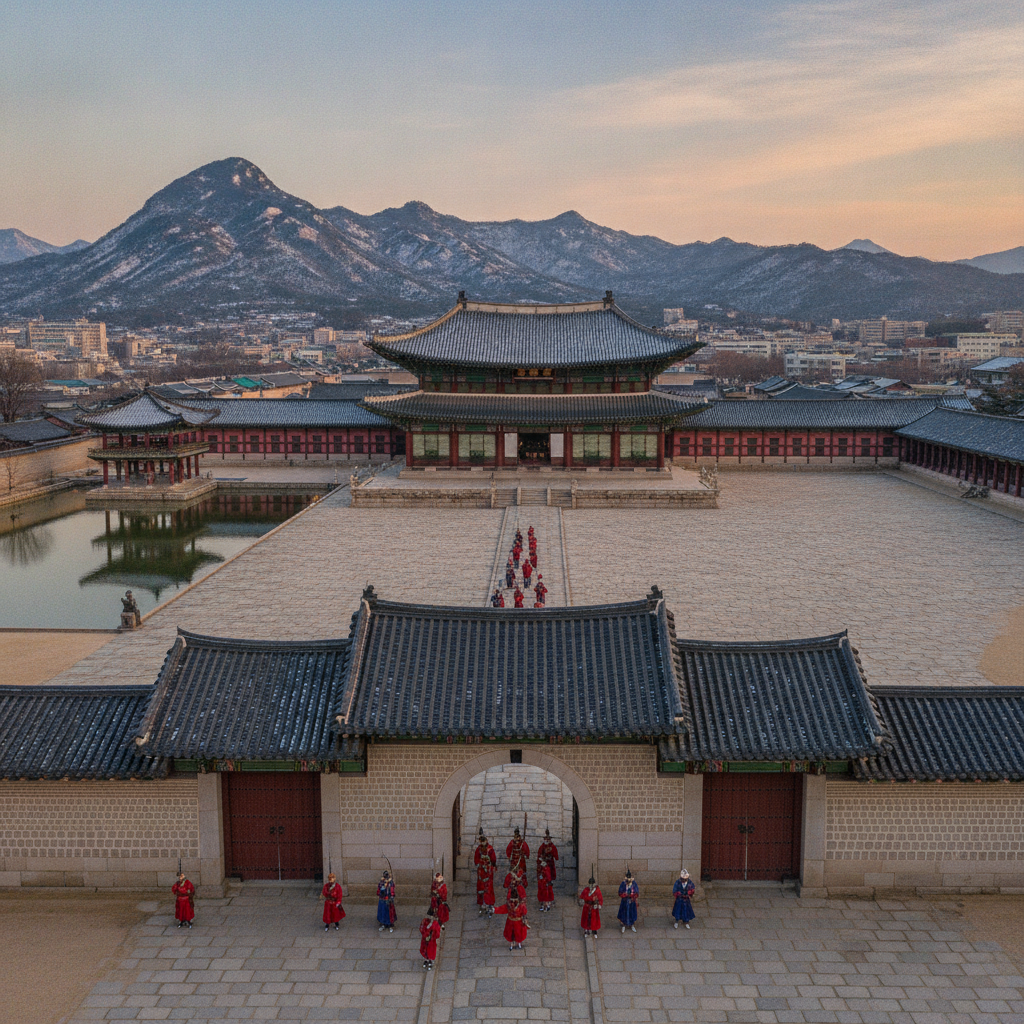
Palazzo Gyeongbokgung, Villaggio Hanok di Bukchon e Changdeokgung
I palazzi reali e il quartiere tradizionale del centro di Seoul preservano il patrimonio vivente della dinastia Joseon (1392-1897) — dal magnifico Palazzo Gyeongbokgung attraverso i vicoli sinuosi del Villaggio Hanok di Bukchon fino al Palazzo Changdeokgung con il suo Giardino Segreto.
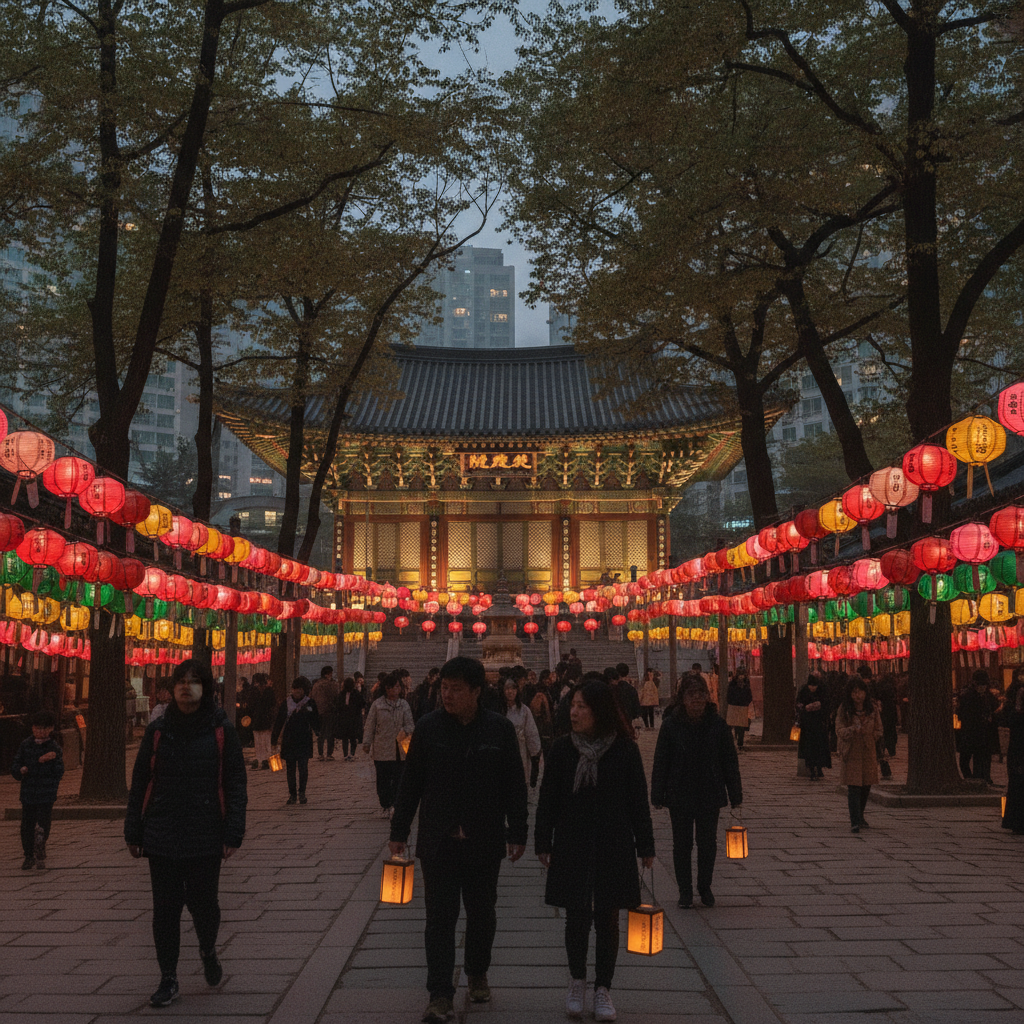
Jongno, Insadong, Parco Tapgol e Tempio Jogye — Il Cuore della Vecchia Seoul
Jongno ('Bell Street') — the east-west artery that was the main commercial street of the Joseon capital Hanyang — runs through the historic heart of Seoul, connecting Gyeongbokgung Palace to the west with the Dongdaemun Gate to the east; the streets surrounding Jongno contain the most significant concentration of Buddhist temples, traditional markets, crafts districts, and historic sites within walking distance of each other in Seoul.
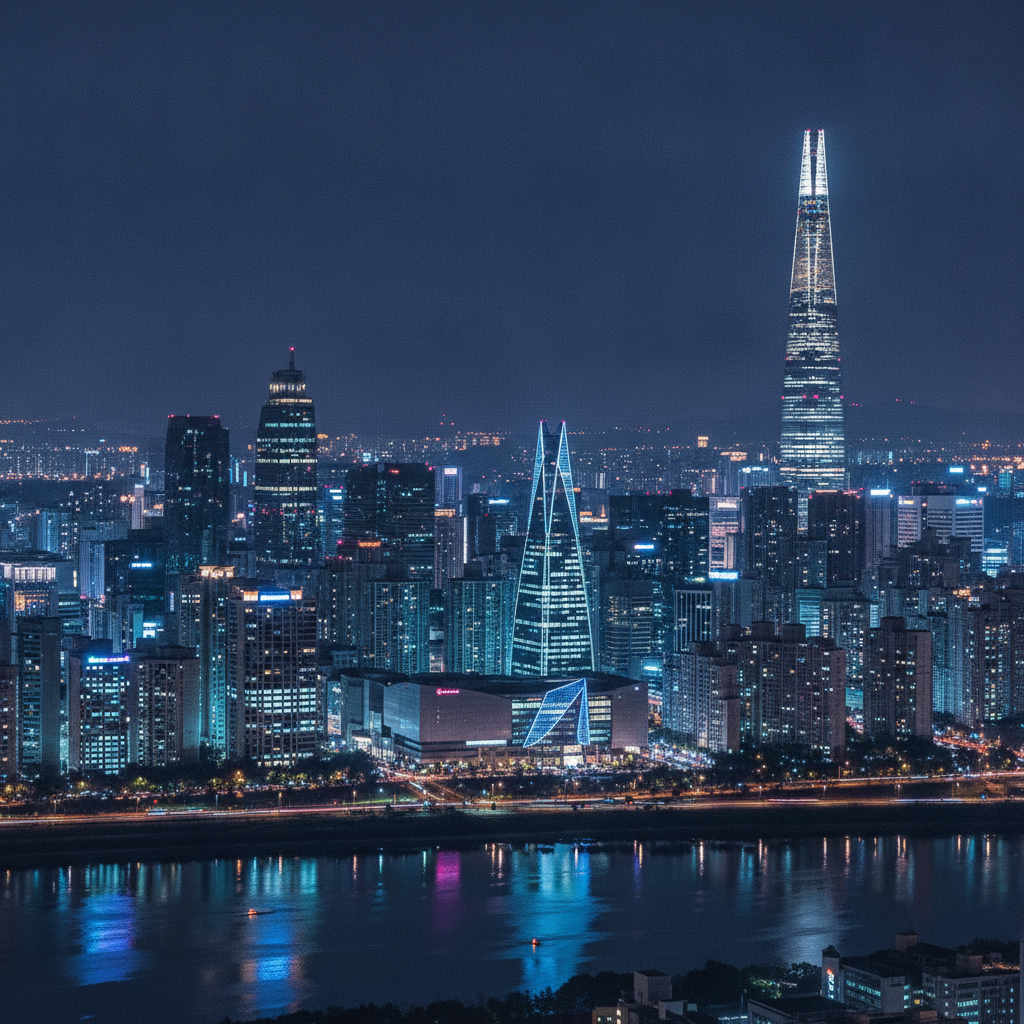
Gangnam, K-Pop, Hallyu e la Nuova Seoul a Sud del Han
Gangnam ('a sud del fiume') — il moderno distretto commerciale e di intrattenimento sviluppato a sud del Fiume Han dagli anni '70, sede delle boutique di lusso, delle agenzie K-pop e della Torre Lotte World — rappresenta il volto del successo economico coreano contemporaneo e il fenomeno globale della K-cultura.