Bishkek
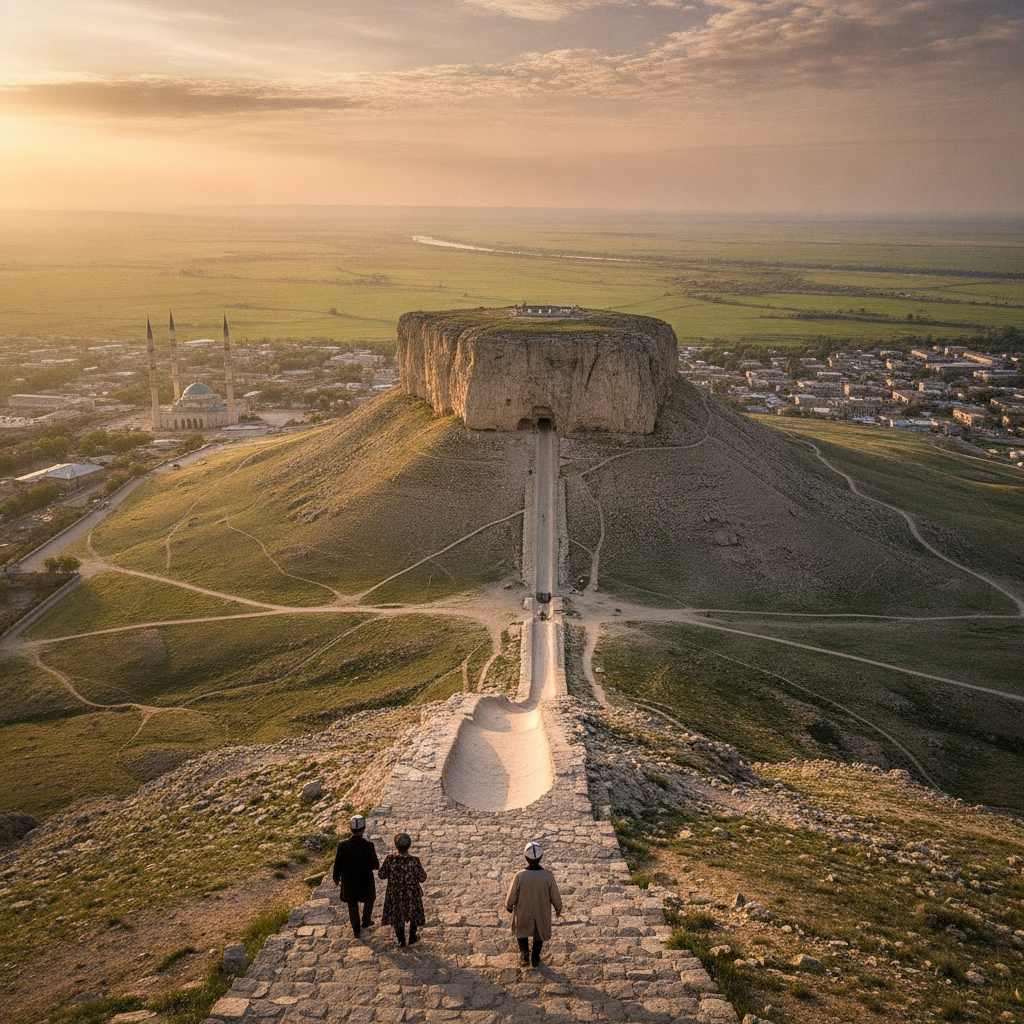
Babur Founded the Mughal Empire After Ruling Osh and Leaving His Mark on the Suleiman-Too Cave Mosque, the Kyrgyz Horse Surviving -40°C by Digging Through Snow (Tebineu) for Frozen Grass & the Burana Tower Oldest Monument in Kyrgyzstan
Babur (future founder of the Mughal Empire) ruling Osh and building the Suleiman-Too cave mosque in 1497 before expanding to Afghanistan and India; the Kyrgyz horse's tebineu technique of digging through snow to reach frozen grass in -40°C winters; the Burana Tower (originally 45m, now 24m after earthquake damage) as the oldest surviving monument in Kyrgyzstan; Sary-Chelek's wild walnut forests as the primary genetic reservoir for cultivated walnut (Juglans regia); the kok-boru goat carcass team sport as Kyrgyzstan's national sport; and the 7-day circuit connecting Bishkek, Issyk-Kul, Son-Kul, and Osh.
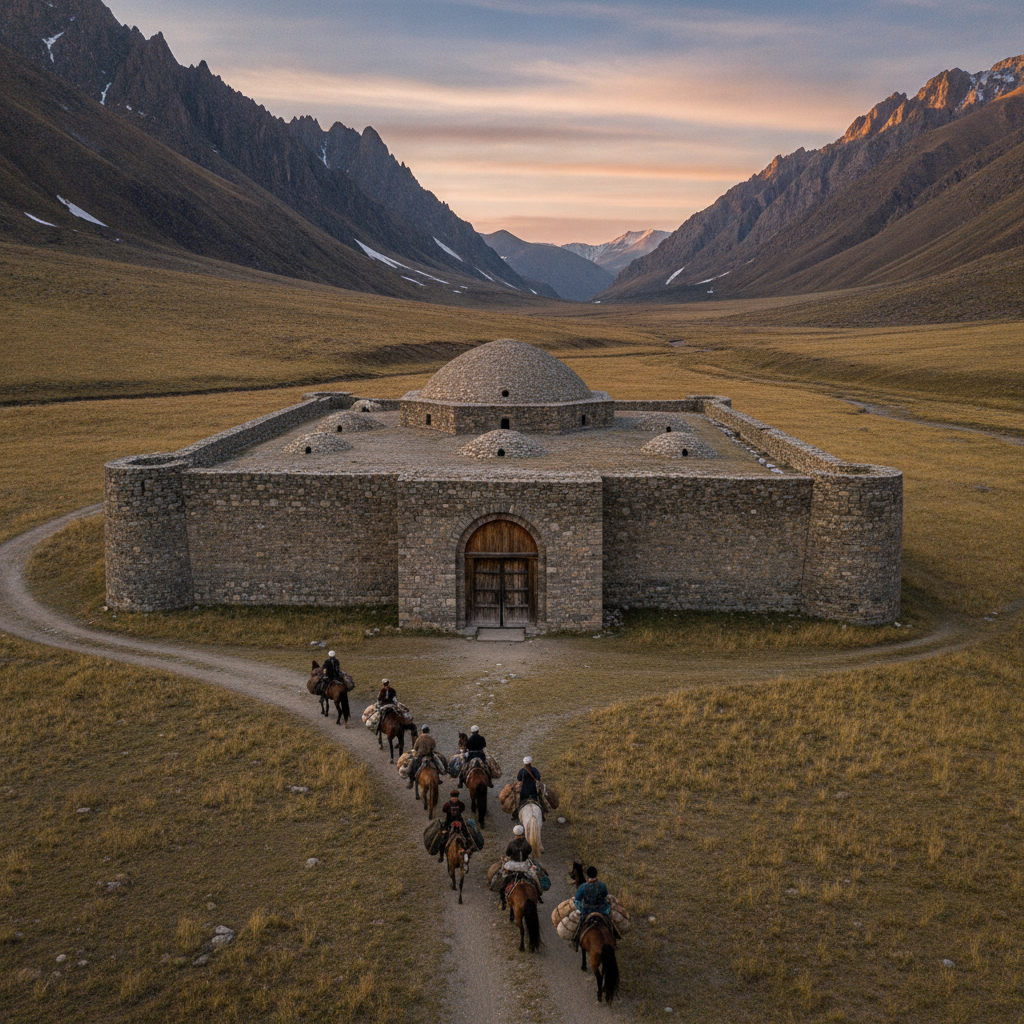
The Battle of Talas 751 CE Where Captured Chinese Papermakers Transferred Paper-Making Technology to the Islamic World, the Tash-Rabat Caravanserai Built at 3,200m Without Mortar & Kyrgyzstan's 700,000 Migrant Workers Sending 35% of GDP Home from Russia
The Battle of Talas (751 CE) halting Tang Dynasty expansion and capturing Chinese papermakers who transferred paper technology to the Islamic world and then to Europe; the Tash-Rabat caravanserai (15th century) at 3,200m built from uncut granite without mortar with its 31 cell rooms still intact; Kyrgyzstan rated the most democratic state in Central Asia but with 30–40% of external debt held by China's Exim Bank; 700,000 Kyrgyz migrant workers in Russia sending remittances equal to 30–35% of GDP; the Kyrgyz Cyrillic alphabet maintaining three unique letters (Ң, Ү, Ө) for sounds absent from Russian; and Bishkek receiving a wave of Russian and Belarusian migrants post-February 2022.
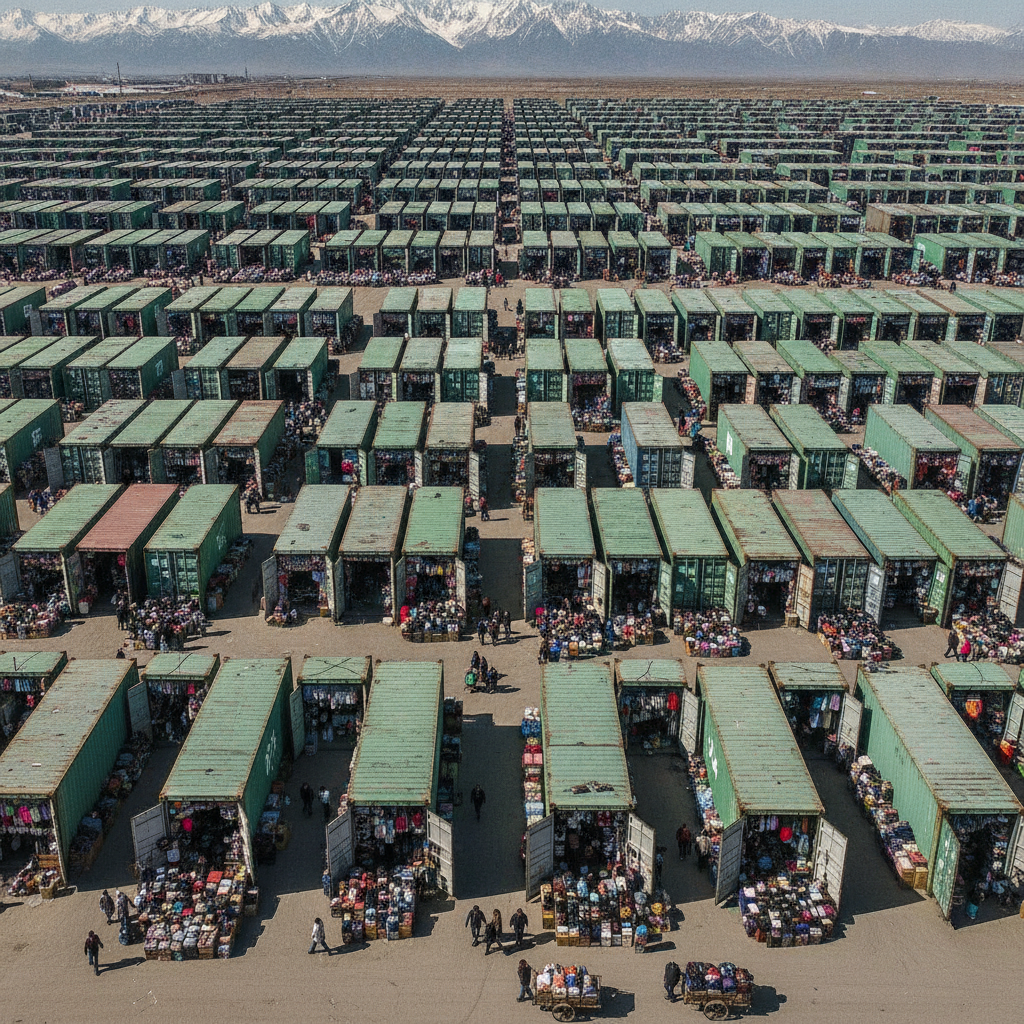
The Dordoi Bazaar 30,000 Container Stalls Handling USD 3-5 Billion Annually, Kyrgyz Yenisei Khaganate Briefly the Largest Turkic State in 840 CE & the CKU Railway Planned Since the 1990s Still Unbuilt
The Dordoi Bazaar 30,000 container stalls processing USD 3–5 billion in annual trade (a multiple of Kyrgyzstan's formal GDP); the Yenisei Kyrgyz Khaganate destroying the Uyghur Khaganate in 840 CE to briefly control the largest territory of any Turkic state in history; the 1916 Kyrgyz uprising against Russian conscription killing or displacing 150,000 people; the Torugart Pass (3,752m) Silk Road crossing requiring special IDP permits; the China-Kyrgyzstan-Uzbekistan railway discussed since the 1990s and still unbuilt; and Bishkek's digital nomad community attracted by visa-free entry and USD 10–15/month fiber internet.
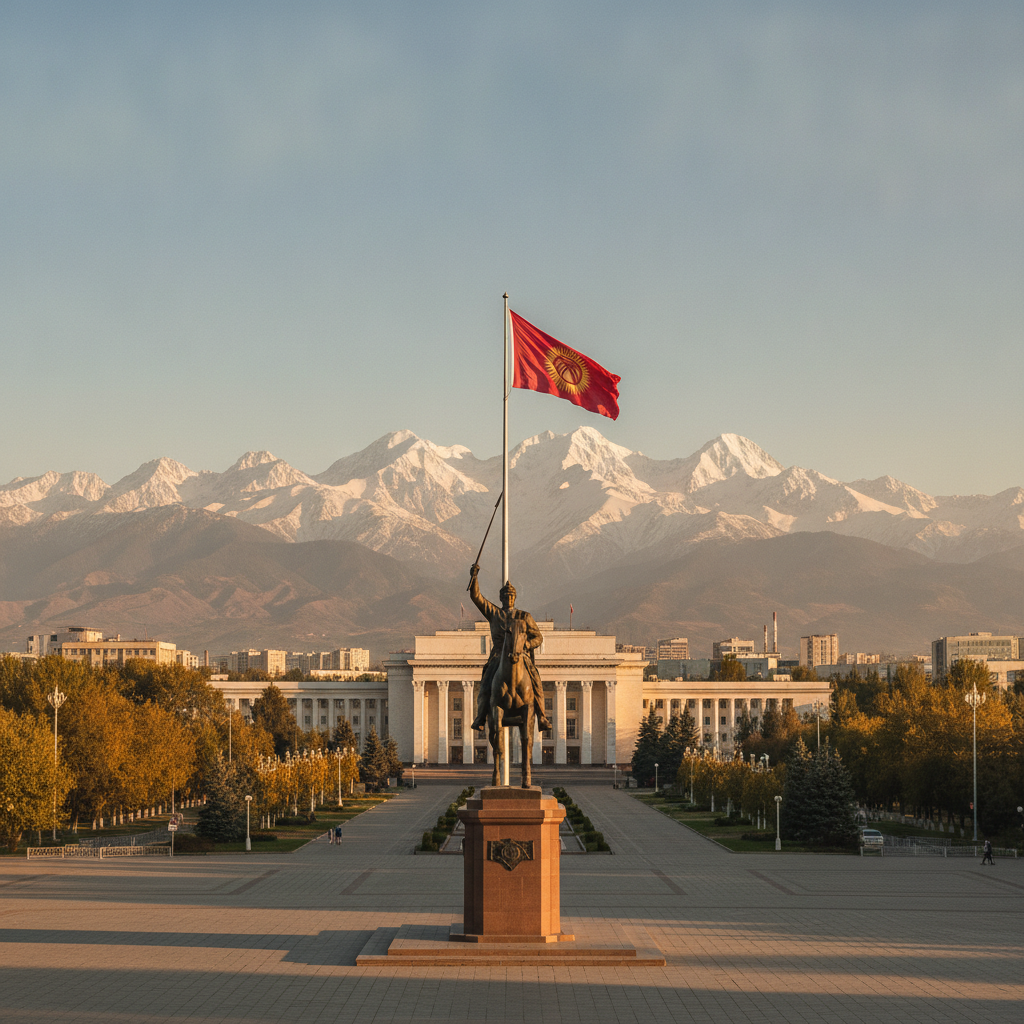
The Kyrgyz Tunduk Roof Ring on the National Flag, the Osh Bazaar Kumys Fermented Mare's Milk & Ala-Archa Glacier 45 km from Central Bishkek
Ala-Too Square with Manas statue replacing the 1984 Lenin statue removed in 1991; the Osh Bazaar dried kurut sour milk balls as the primary Kyrgyz portable food; the tunduk central yurt ring ring on the Kyrgyz flag representing the 40-ray celestial vault; the Berkutchi eagle hunters training golden eagles for fox and wolf hunting (UNESCO 2016); Soviet Bishkek renamed Frunze 1926–1991 after the Red Army conqueror of Central Asia; and Ala-Archa National Park with the Ak-Sai glacier accessible by a 4-hour hike from 45 km south of the city center.
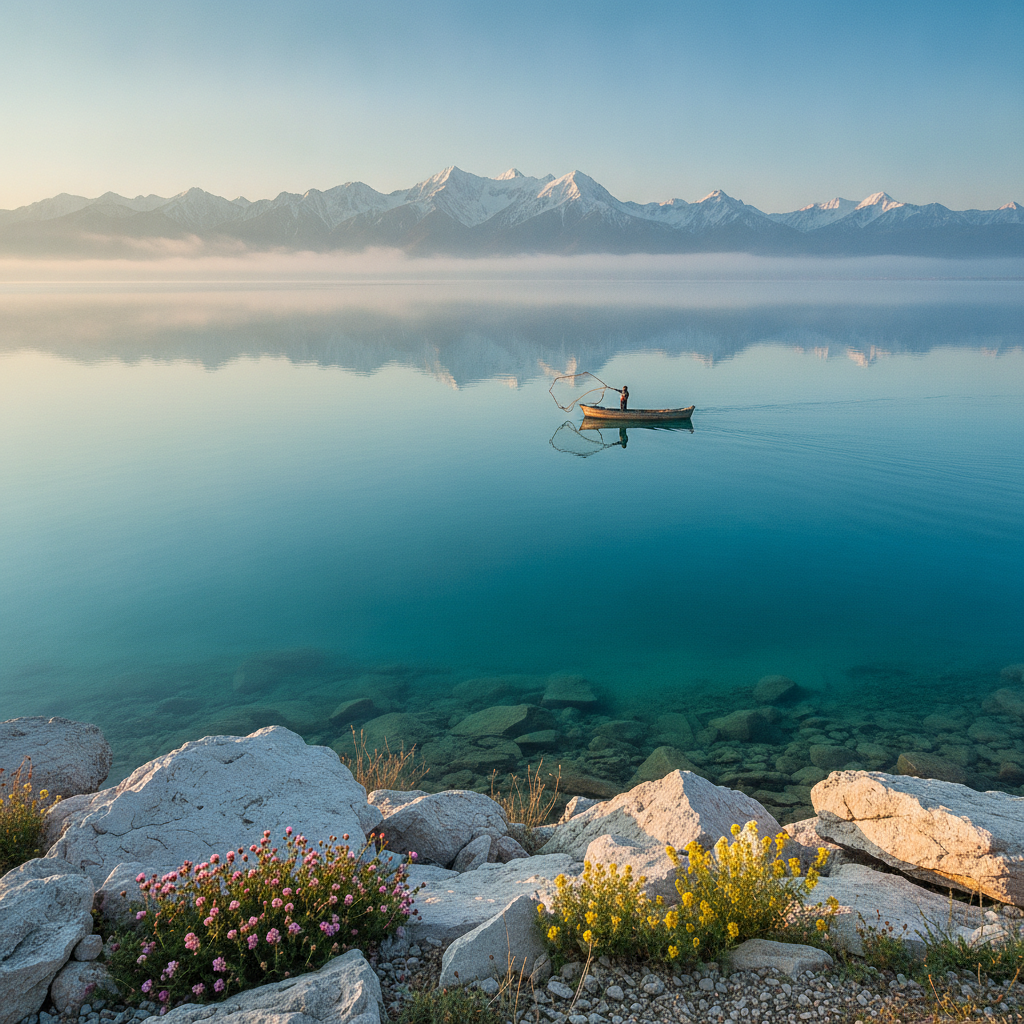
The Manas Epic at 500,000+ Lines Longer Than the Iliad and Mahabharata Combined, Issyk-Kul Never Freezes at 1,608m Due to Its 668m Depth & Son-Kul Summer Yurt Camps at 3,016m
Manaschi Sayakbay Karalaev performing 500,000+ line Manas epic from memory (the Soviet folklorists recording over 2 million total Manas verses); Issyk-Kul never freezing despite Tian Shan winters because its 668m depth acts as a thermal reservoir; the beshbarmak sheep's head ceremony distributing the eye to the youngest for vision and the ear to the elderly for hearing; shyrdak patchwork felt carpets (UNESCO 2012) requiring 15–20 hours of work per carpet; Kyrgyzstan's unique record of two presidents removed by popular uprising (2005 Tulip Revolution, 2010 April Revolution); and Son-Kul high-altitude pasture with bar-headed geese crossing the Himalayas during migration.
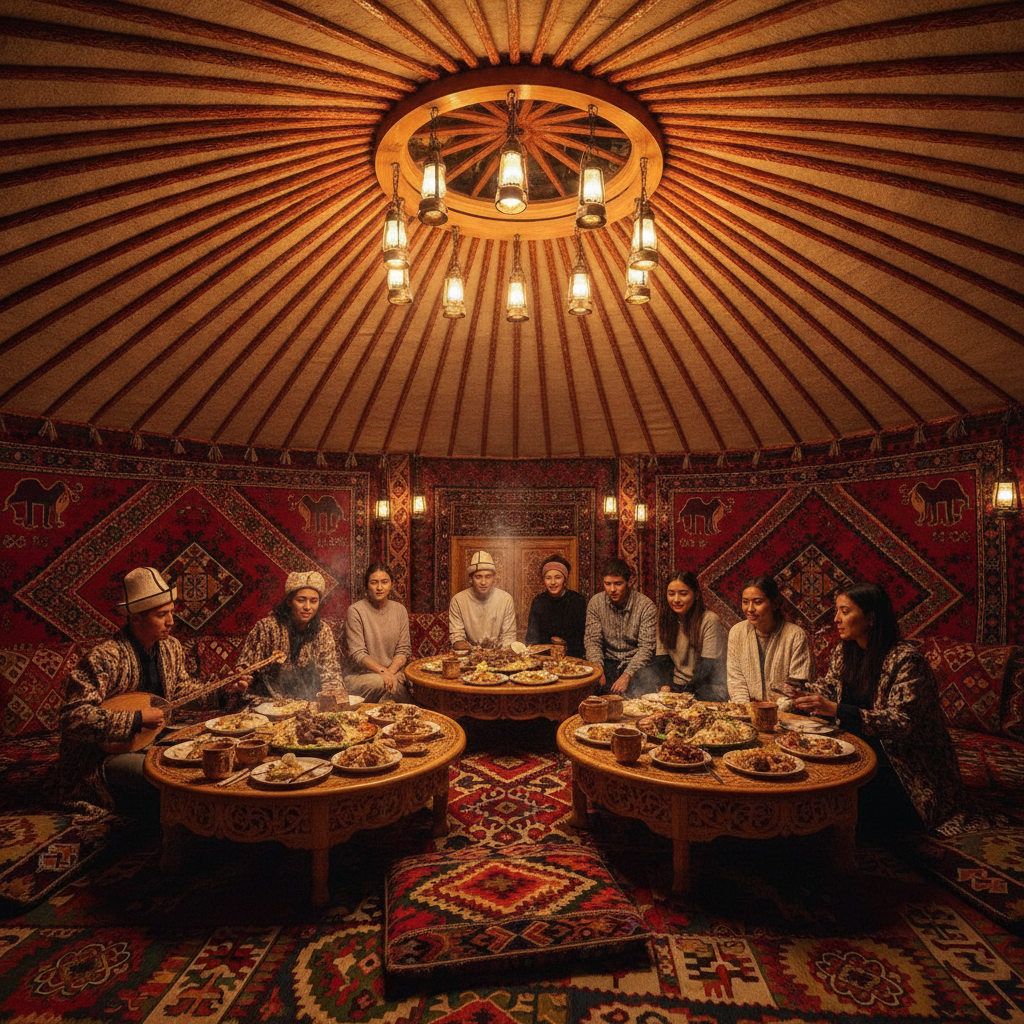
Aitmatov's Jamila Called the Most Beautiful Love Story in World Literature by Louis Aragon, the Karakol Dungan Mosque Built in Chinese Pagoda Style for Chinese Muslim Refugees & the Marshrutka at USD 0.17 the Cheapest Urban Transport in the Former USSR
Chingiz Aitmatov's Jamila (1958) called the most beautiful love story in world literature by Louis Aragon and his novels translated into 150+ languages; the Karakol Dungan Mosque (1907) combining Chinese pagoda architecture with Islamic prayer hall function built by Hui refugees from the 1862–1877 Gansu rebellions; Przhevalsky's horse (Equus ferus przewalskii) named for the Russian explorer who died at Karakol in 1888; the marshrutka shared minibus at KGS 15–20 (USD 0.17) as the cheapest urban transport in the former USSR; the ala kachuu bride kidnapping revival since 1991 as a post-Soviet phenomenon incorrectly framed as traditional; and the Kyrgyz New Wave cinema screened at Cannes and Berlin.