Carthage
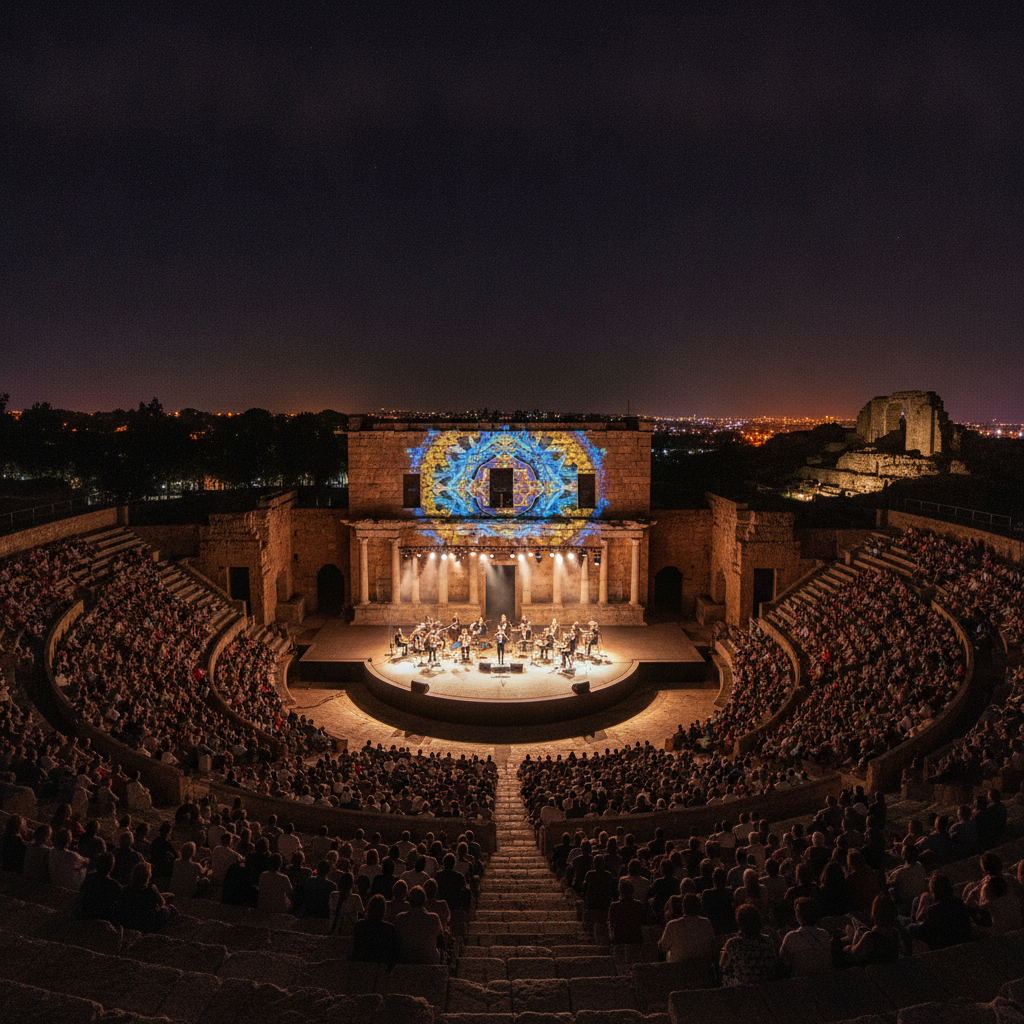
Hanno the Navigator Led a Fleet of 60 Galleys with 30,000 Colonists Along West Africa Around 500 BCE and His Word Gorillai Became the Scientific Name Gorilla Gorilla in 1847; Tertullian of Carthage Invented the Latin Theological Words Trinity, Person (in the theological sense), and Sacrament; Dido's Curse in Virgil's Aeneid (Let There Arise From My Bones Some Avenger) Is Read as Predicting Hannibal
Hanno's gorillai word becoming Gorilla gorilla in 1847 when Thomas Savage named the great ape; Tertullian of Carthage coining the Latin theological terms Trinity (Trinitas), Person (Persona), and Sacrament (Sacramentum); the three Punic Wars' total Roman death toll approaching 100,000-150,000 killed mostly at Trebia, Lake Trasimene, and Cannae; Dido's curse in Virgil (Let there arise from my bones some avenger) predicting Hannibal; the Phoenician tin route to Cornwall as the world's first trans-continental commodity supply chain; and the Carthage International Festival in the Roman Theatre.
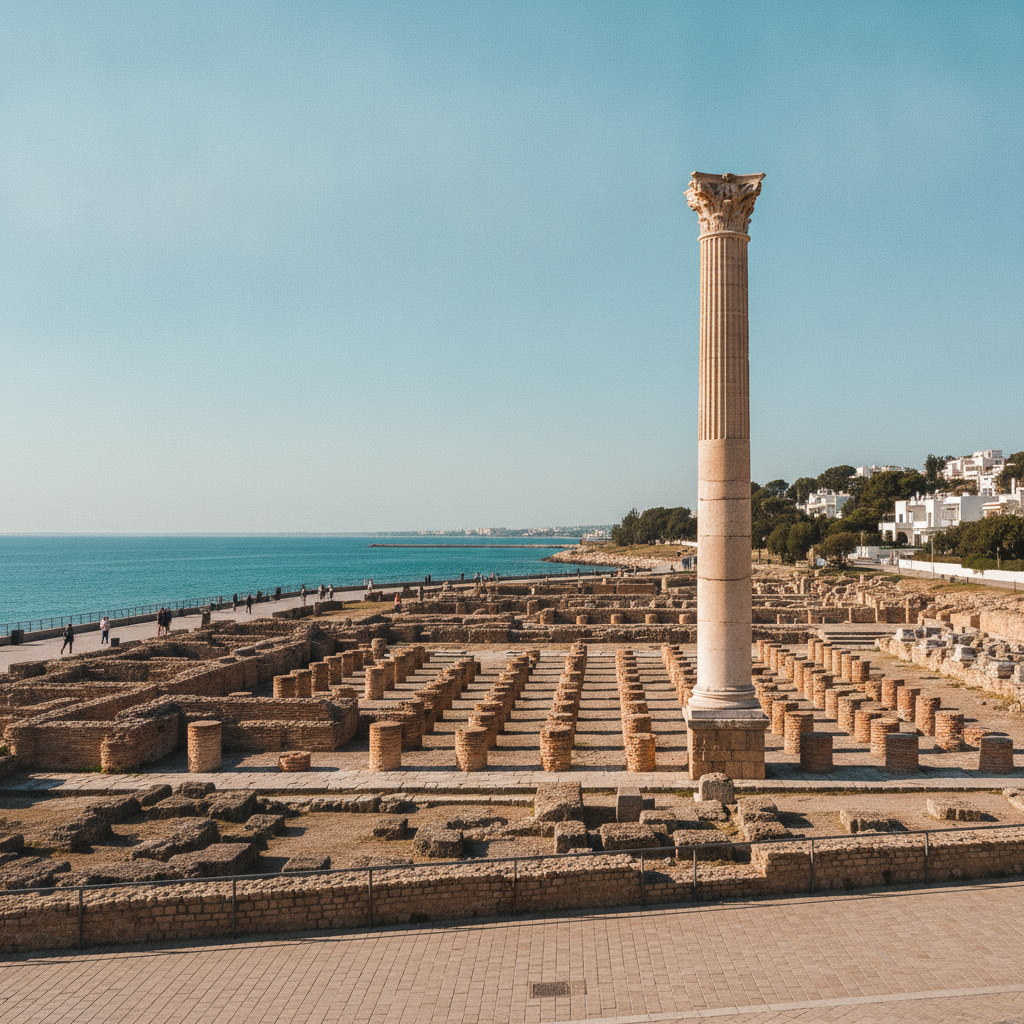
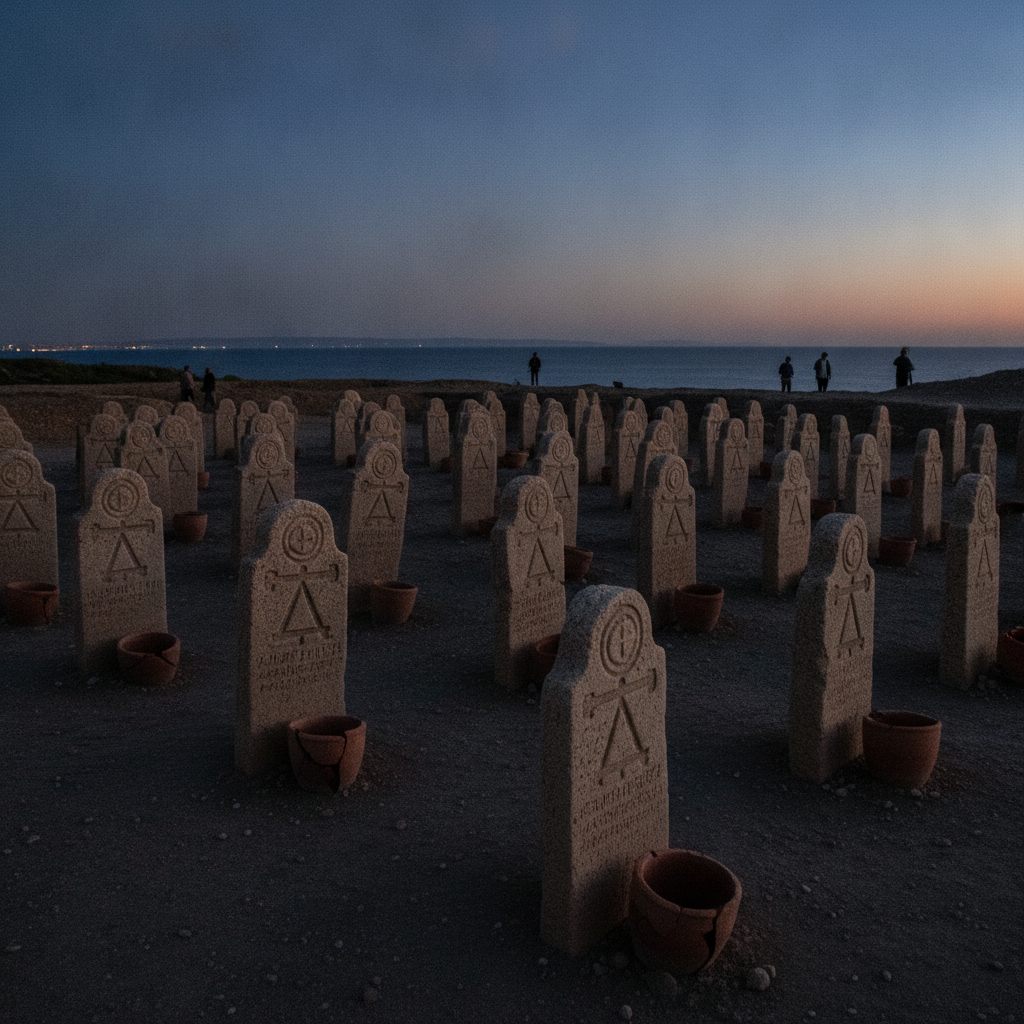
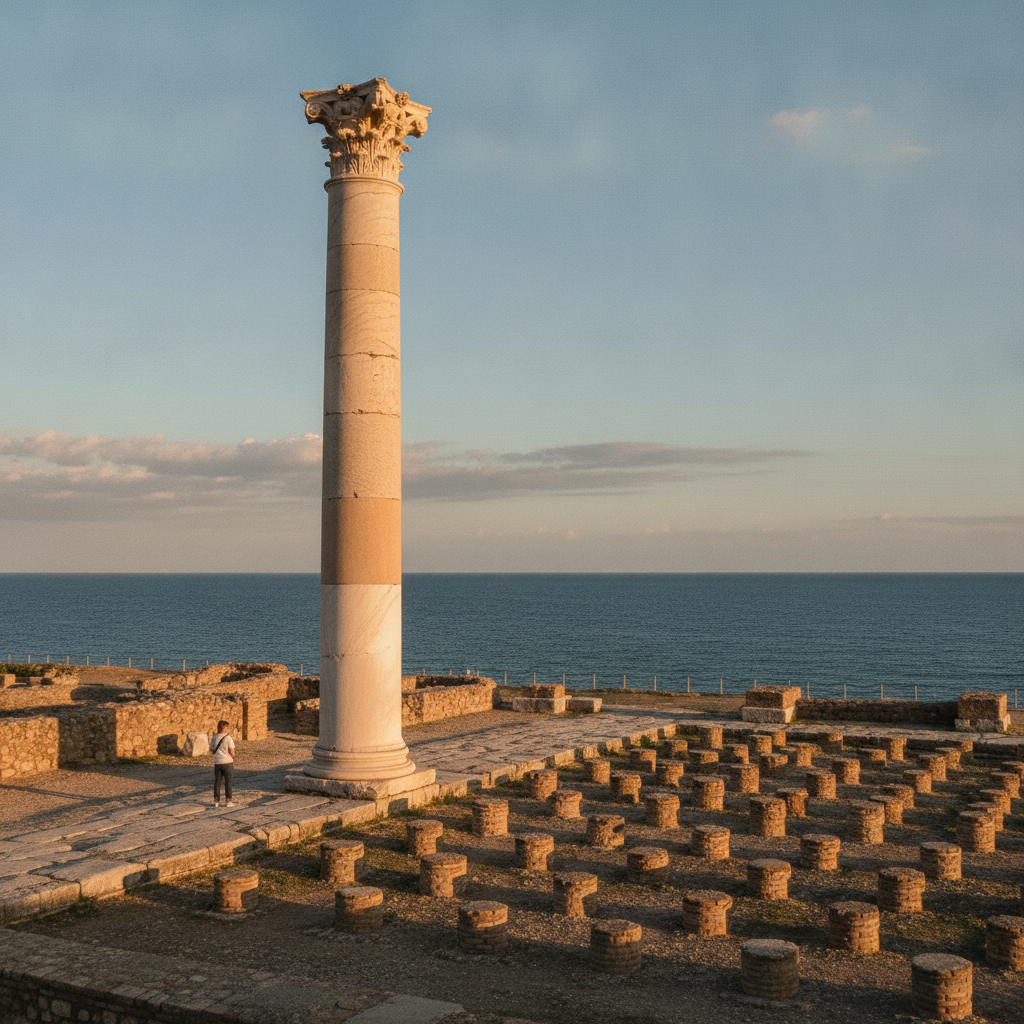
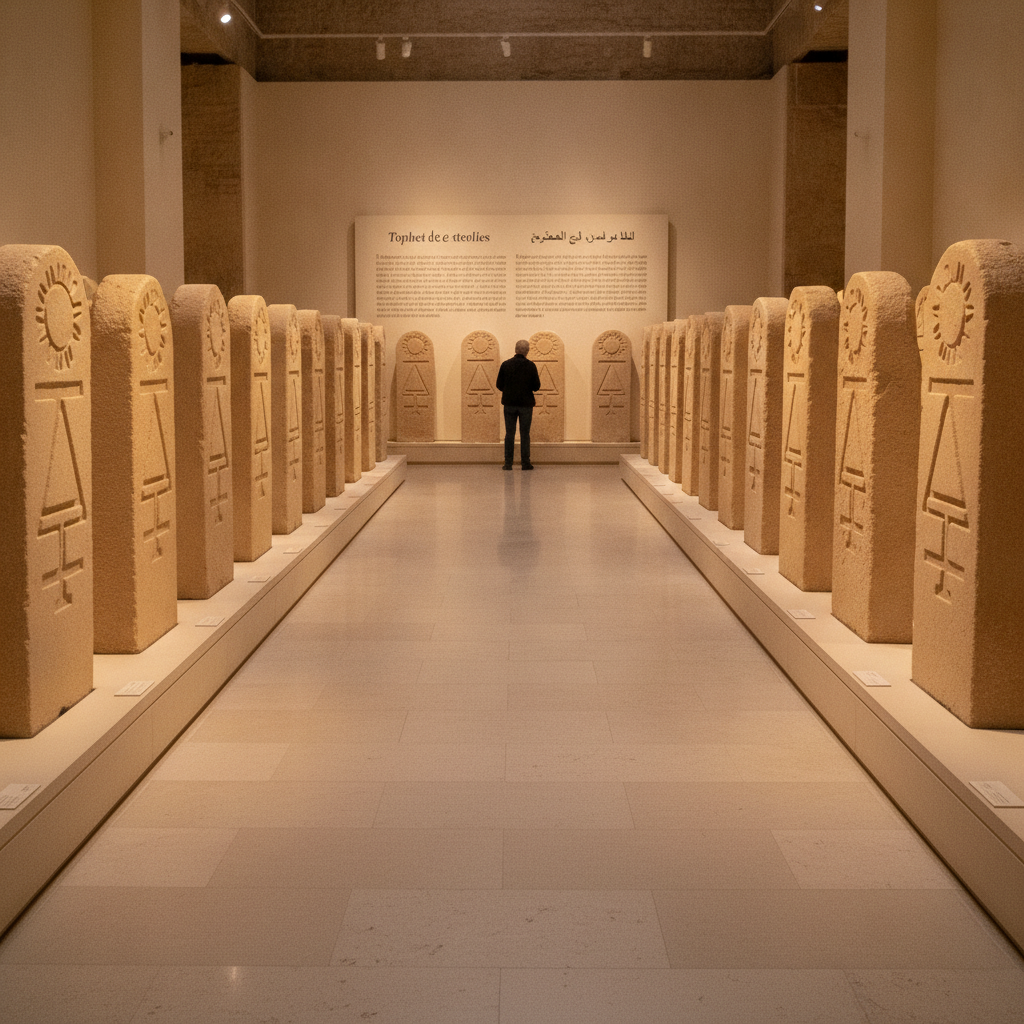
Dido Cut an Ox-Hide Into the Thinnest Possible Strips to Encircle Carthage's Founding Hill (Byrsa) and the Tophet Contains the Most Controversial Archaeological Debate in Mediterranean History; The Antonine Baths Were the Third Largest Roman Baths in the Empire and Their Single Re-Erected Column Represents a Frigidarium Once 52m x 42m; Perpetua's Prison Diary (203 CE) Written Before Her Execution in the Carthage Amphitheatre Is the Earliest Known Text Written by a Christian Woman
Dido encircling Carthage's Byrsa Hill with ox-hide strips in the founding legend; the Tophet as the site of the most controversial archaeological debate (child sacrifice vs natural infant burials) with the 2014 Oxford Journal of Archaeology study supporting limited sacrifice alongside natural deaths; the Antonine Baths being the third largest in the Roman Empire (35,000 square meters); Perpetua's prison diary (203 CE) as the earliest known text by a Christian woman before her execution in the Carthage amphitheatre; the Punic military harbor's 220 warship shipshed capacity; and the complete Carthage practical guide using the TGM suburban railway.
The Romans Captured a Beached Carthaginian Quinquereme and Built 120 Copies in 60 Days to Create the Navy That Won the First Punic War; Augustine of Hippo Wrote the First Autobiography in Western Literary Tradition (Confessions, 397 CE) Having Studied Rhetoric in Carthage; Cato the Elder Reportedly Ended Every Senate Speech With Carthage Must Be Destroyed After Returning With Fresh Carthaginian Figs to Show the Senate How Close Carthage Was to Rome
Romans capturing a Carthaginian quinquereme and building 120 copies in 60 days; the Battle of the Aegates Islands (241 BCE) being confirmed by a bronze ship ram discovered by archaeologists in 2012; Augustine writing the first Western autobiography (Confessions, 397 CE) after studying in Carthage; Cato the Elder ending every Senate speech with Carthage must be destroyed after returning with fresh Carthaginian figs; the Battle of Zama (202 BCE) where Scipio used lanes in his formation to funnel Hannibal's war elephants to the flanks; and the Mago agricultural treatise as the only major surviving Carthaginian text (28 books on farming).
The Roman Senate Ordered the Mago Agricultural Treatise Translated Into Latin After Destroying Carthage Because It Was Too Valuable to Lose; Gaiseric's Vandals May Have Brought the Jerusalem Temple Menorah to Carthage in 455 CE Before Belisarius Captured It for Constantinople in 533 CE; Cato the Younger at Utica Re-Read Plato's Phaedo on the Immortality of the Soul Then Stabbed Himself Rather Than Submit to Julius Caesar
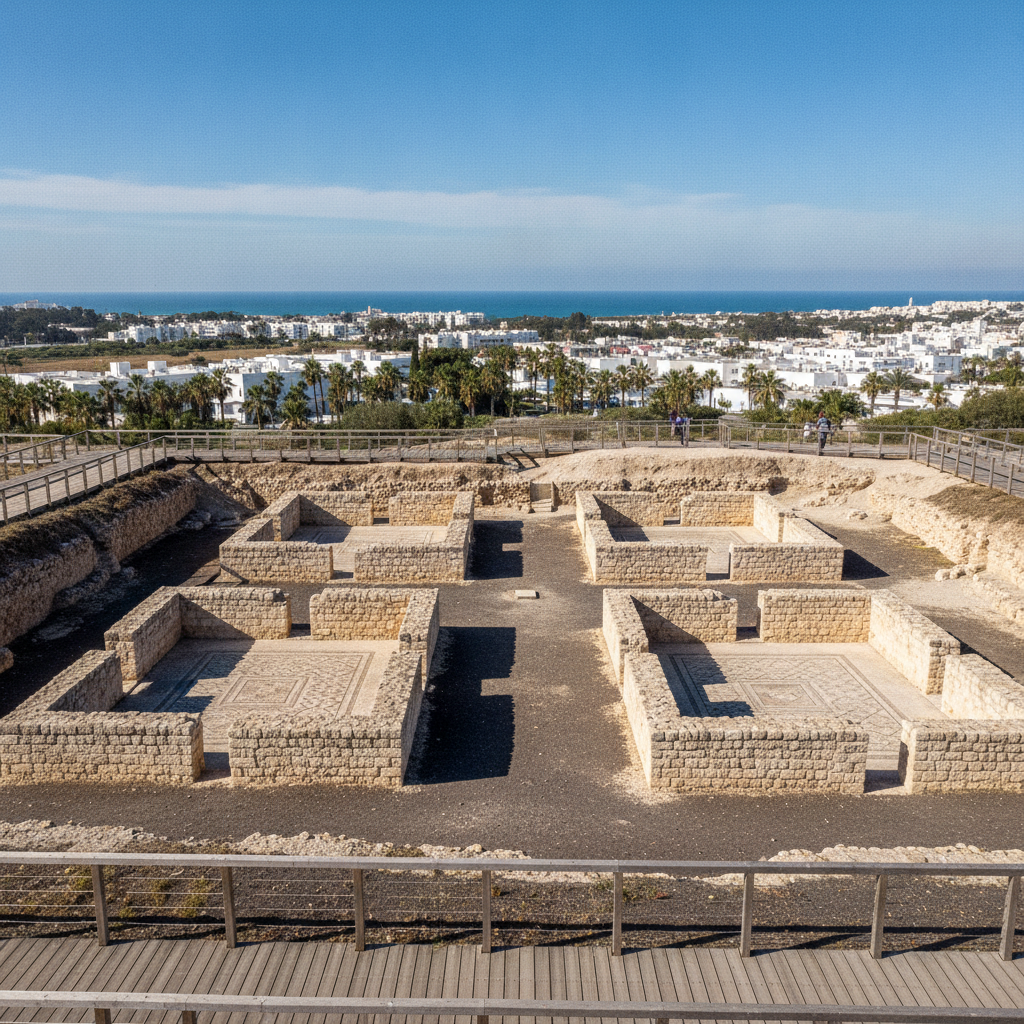
The Roman Senate translating Mago's 28-book agricultural treatise after destroying Carthage because it was too valuable to lose; Gaiseric potentially bringing the Jerusalem Temple Menorah to Carthage in 455 CE with Procopius recording it in Constantinople's triumph in 534 CE; Cato the Younger at Utica re-reading Plato's Phaedo then stabbing himself and tearing out the stitches doctors applied; the Carthage Circus Maximus holding 45,000-60,000 spectators for chariot racing; the Acropolium (former French cathedral) on the Byrsa Hill as a concert venue among Punic ruins; and the Carthage photography guide for the single re-erected Antonine column at sunset.
The Word Africa Derives From Afri the Berber-Punic People Near Carthage Making the Entire African Continent Named for a Carthaginian-Adjacent People; Purcell's Dido and Aeneas (1689) Aria When I Am Laid in Earth Is One of the Most Celebrated Baroque Arias; Tertullian of Carthage Coined Trinity, Person, and Sacrament and Cyprian's Extra Ecclesiam Nulla Salus (Outside the Church No Salvation) Shaped Catholic Theology for 1,600 Years
The word Africa deriving from Afri (Berber-Punic people near Carthage) naming the entire continent; Purcell's When I am laid in earth from Dido and Aeneas (1689) as one of the most celebrated baroque arias; Tertullian coining Trinity, Person, and Sacrament while Cyprian's Extra ecclesiam nulla salus shaped Catholic theology; Flaubert visiting Carthage in 1858 to research Salammbo; the Gorilla genus named for Hanno's word gorillai from 500 BCE; and the complete Carthaginian legacy in agriculture, navigation, language, religion, military tactics, and literature.
The Numidian Cavalry Rode Without Saddles, Bridles, or Stirrups Using Only a Stick and Their Legs and Were the Decisive Factor in Hannibal's Victories at Trebia, Lake Trasimene, and Cannae; Scipio Aemilianus Wept as Carthage Burned in 146 BCE and Quoted Homer's Description of the Fall of Troy; the Tuareg People of the Sahara Still Use the Tifinagh Script Derived from the Ancient Punic-Phoenician Alphabet as Their Everyday Writing System
Numidian cavalry riding without saddles or bridles using only a stick — the decisive factor in Hannibal's three great victories; Scipio Aemilianus weeping as Carthage burned and quoting Homer's Troy; the Tuareg Sahara nomads using the Tifinagh script derived directly from the ancient Phoenician-Punic alphabet in daily use; the UNESCO Save Carthage campaign (1972-1992) with 20 national archaeological teams excavating simultaneously; the 220 confirmed Punic warship shipsheds matching ancient literary descriptions; and the complete Carthage 8-site UNESCO circuit guide with TGM station stops.