 Mexico
Oaxaca
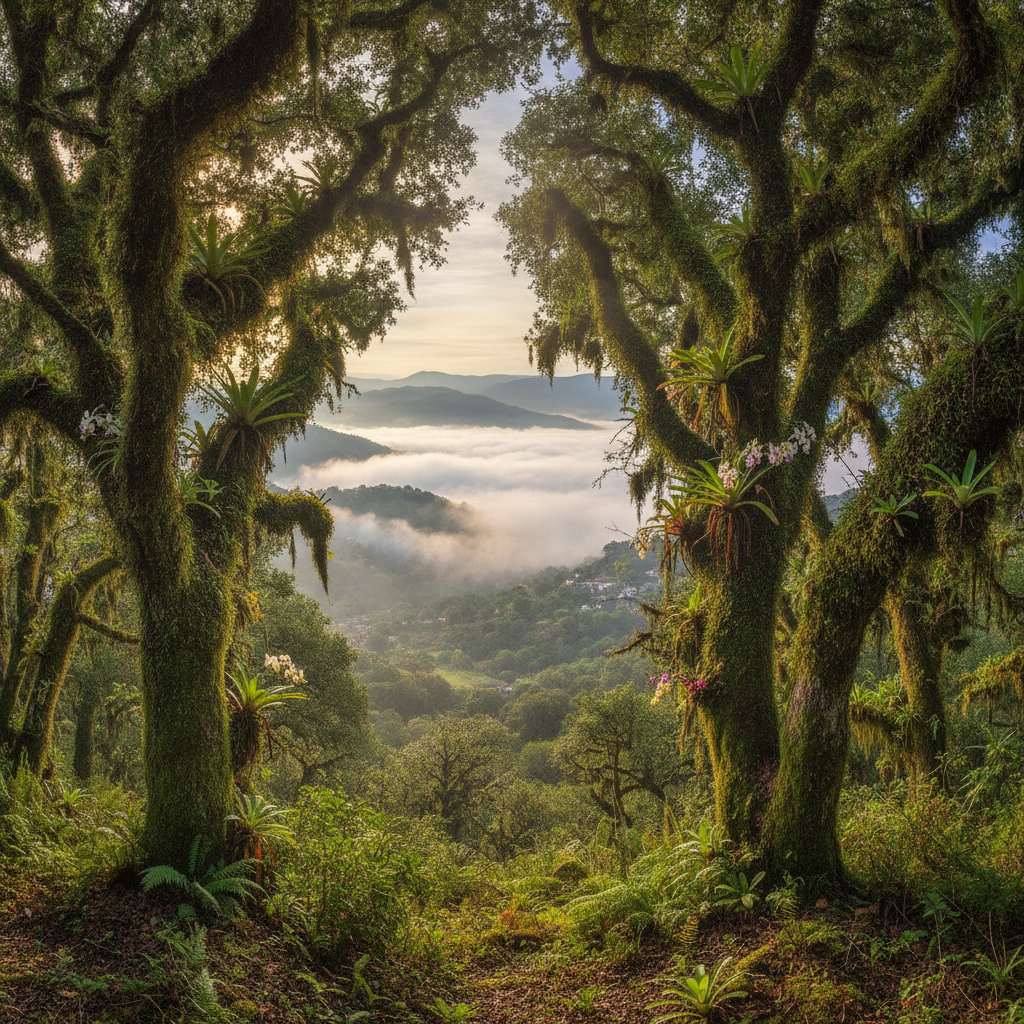
Oaxaca Landscape and Ecology: Cloud Forest Orchids in the Sierra Norte, the Monarch Butterfly Corridor Through the Sierra Sur, the Pacific Coast Turtle Nesting at Mazunte and the Lachatao Archaeological Botanical Garden
Oaxaca state is the most ecologically diverse state in Mexico, containing more plant species, animal species, and ecosystem types within its borders than any other Mexican state and more species of tree, bird, and reptile than most countries of equivalent area, a biodiversity record generated by the topographic complexity of a state that rises from sea level on both the Pacific and Gulf coasts to mountain peaks above 3,700 metres within horizontal distances of 150 kilometres. The combination of the Sierra Norte, Sierra Sur, and Sierra Mixe mountain systems with the Valley of Oaxaca lowland and the Pacific coastal lowland creates what ecologists call a biodiversity hotspot, a region where species diversity is extraordinarily high and endemic species — species found nowhere else on Earth — are concentrated in numbers disproportionate to the land area. The Sierra Norte cloud forest, the mountain ecosystem above 2,000 metres where perpetual mist maintains conditions for epiphytic plants including hundreds of orchid and bromeliad species growing on every tree surface, is accessible from Oaxaca city through the community ecotourism network of the Pueblos Mancomunados. The Pacific coastal lagoons of the state, particularly the Lagunas de Chacahua and the Ventanilla mangrove lagoon, provide critical nesting and feeding habitat for crocodiles, sea turtles, and migratory birds. The monarch butterfly migration passes through the Sierra Sur of Oaxaca during the October through November southbound migration, providing one of the most dramatic wildlife spectacles accessible from Oaxaca city.
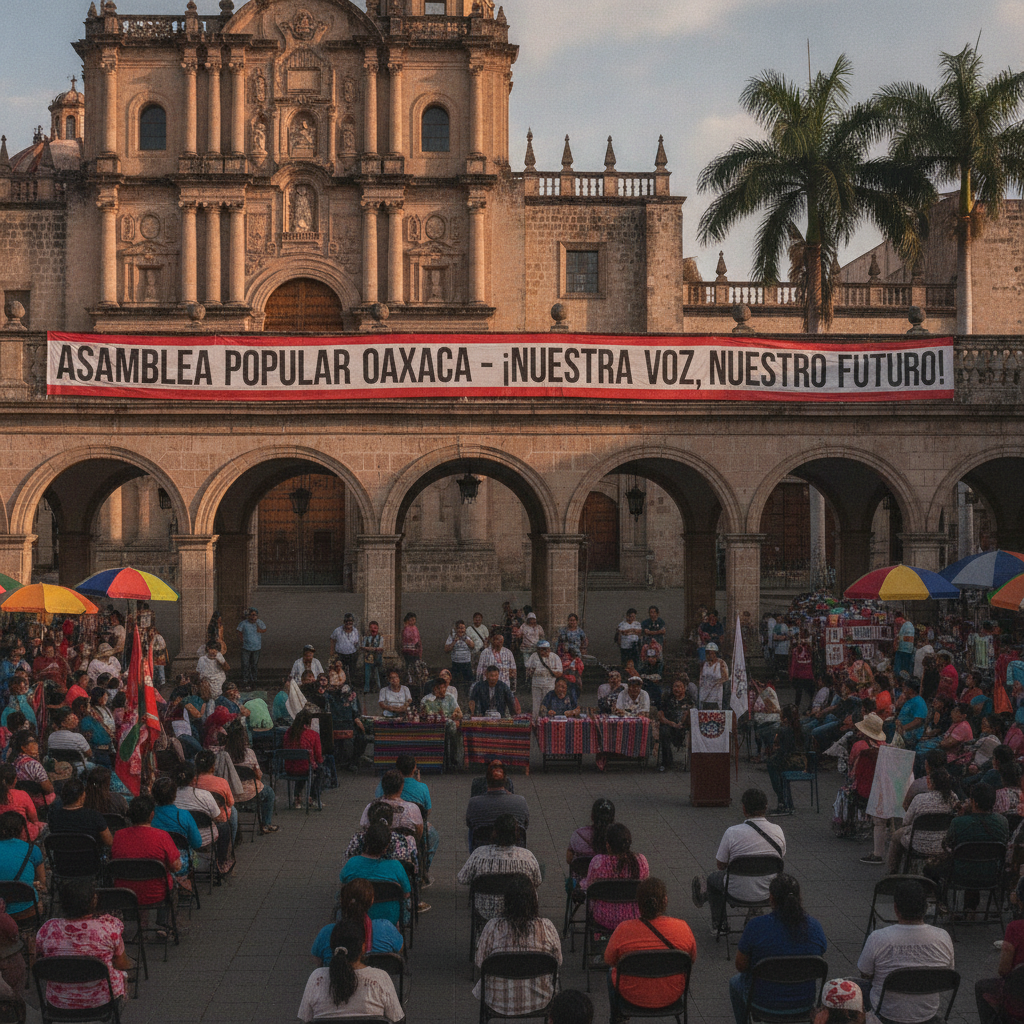
Oaxaca 2006 Uprising and the APPO: When Teachers Occupied the Zocalo for Six Months and the State Government Lost Control of Its Capital City in a Social Movement That the Rest of Mexico Watched and the International Press Covered as a Revolution
In May 2006 the teachers union of Section 22 of the SNTE union, which had occupied the Oaxaca Zocalo every year since 1981 in its annual June wage negotiation with the state government, established a tent encampment in the plaza that the state governor Ulises Ruiz Ortiz attempted to evict by police force on June 14, 2006, sending 3,000 police with tear gas, water cannons, and helicopters to clear the encampment in the early morning. The police action failed: teachers and residents from surrounding neighborhoods counterattacked the police with rocks, fireworks, and determination, forcing the police to retreat and leaving Section 22 in control not only of the Zocalo but of an expanding zone of the historic center that included the state television and radio stations taken over by the striking teachers as communication tools. The Popular Assembly of the Peoples of Oaxaca, the APPO, formed in the days after the failed police eviction as a coalition of teachers, indigenous community organizations, women's groups, human rights organizations, and left political parties that demanded the resignation of Governor Ulises Ruiz and managed the occupied zone through assembly democracy for six months. The federal government of President Vicente Fox sent the Federal Preventive Police in late October 2006, retaking the Zocalo and dispersing the APPO encampment in violent confrontations that resulted in several deaths including US journalist Brad Will shot by paramilitary gunmen on October 27. The 2006 Oaxaca commune, as it was called by its international supporters, was the most significant urban uprising in Mexico in the period between the 1994 Zapatista rebellion and the 2017 earthquakes.
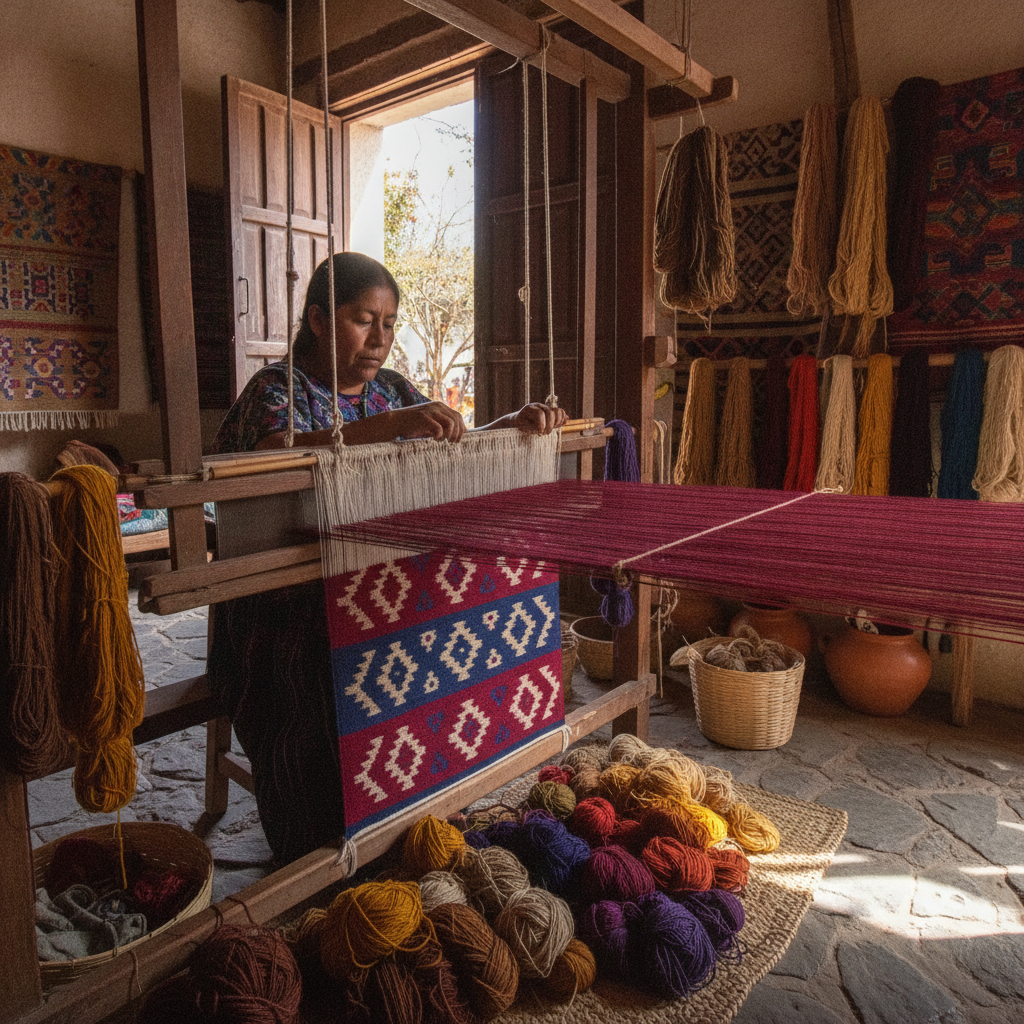
Oaxacan Textiles Alebrijes and Black Clay: The Village Craft Traditions That Survived Because They Were Too Remote for Factory Competition and Now Feed a Global Market That Values Handmade More Than Ever
The craft production of Oaxaca state operates through a geographic specialization system in which different villages have maintained exclusive competence in different craft traditions for centuries: Teotitlan del Valle for hand-woven wool tapestry using natural dyes; San Bartolo Coyotepec for the black clay barro negro pottery produced without a wheel and fired to a metallic sheen; San Martin Tilcajete and Arrazola for the painted wood alebrijes, the fantastical animal sculptures created by Zapotec carvers; Ocotlan for a different textile tradition of embroidered blouses; and dozens of other communities for basketry, palm weaving, leather goods, and the specific regional food products that complement the craft market. The system has persisted partly because geographic isolation in the Oaxacan mountains protected these village industries from factory competition during the period when industrial production destroyed craft traditions throughout Mexico in the early 20th century, and partly because the craft traditions were embedded in community social structures — the tequio communal labor obligation, the cooperative management of craft cooperatives, the family workshop transmission of skills — that made individual defection from the craft tradition socially costly. The global market transformation that arrived in Oaxaca as tourism and export demand for authentic handmade craft objects from the 1970s onward found these village industries intact and available for commercial partnership, producing an economic relationship that has been genuinely beneficial for many craft producers while generating the familiar tensions of external market dependence that any traditional production system faces when it becomes commercially successful.
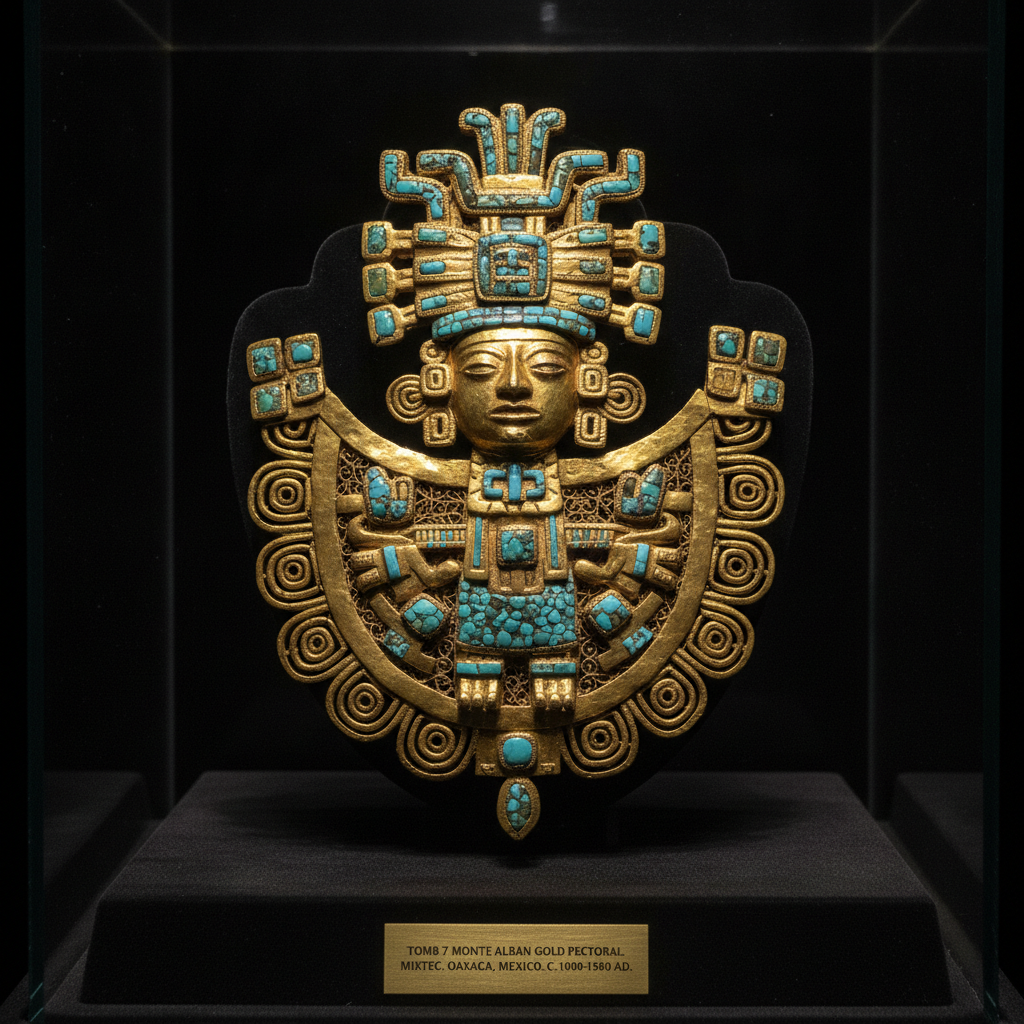
Zapotec and Mixtec Civilization: The Cloud People Who Built Monte Alban Before Rome Was an Empire, the Mixtec Codices That Are the Only Pre-Columbian Books Surviving Complete, and the Tomb 7 Gold That Changed What Scholars Knew About Pre-Columbian Metalwork
The Zapotec civilization that built Monte Alban around 500 BCE was one of the earliest urban societies in the Americas, establishing a hierarchical city-state in the Oaxacan valley 200 years before Rome became a major Mediterranean power and contemporaneous with the flourishing of Athenian democracy and the early Zhou dynasty in China, making it a genuinely ancient civilization by any standard of comparison, and yet it remains far less known internationally than the Aztec or Maya cultures that produced the visual material most familiar to museum visitors outside Mexico. The Zapotec called themselves Be'ena'a, meaning the cloud people, and built not only Monte Alban but a network of secondary ceremonial centers including Yagul, Lambityeco, Dainzu, and Zaachila throughout the Oaxacan valley, each with architectural programs of pyramid platforms, ball courts, and carved stone stelae that document the political history, ritual calendar, and cosmological beliefs of a civilization that maintained cultural continuity in the Oaxacan valley from approximately 500 BCE to the Spanish conquest in 1521, nearly 2,000 years of documented presence. The Mixtec, the neighboring civilization of the western Oaxacan mountains who created the most sophisticated pre-Columbian pictorial manuscripts in existence, invaded the Valley of Oaxaca around 900 CE and occupied Mitla and other Zapotec centers, producing the cultural hybrid of Zapotec-Mixtec interaction that generates the most extraordinary artistic output in Oaxacan pre-Columbian history: the gold jewelry of Tomb 7 at Monte Alban, buried by a Mixtec lord in a previously Zapotec tomb, discovered in 1932 by the archaeologist Alfonso Caso.
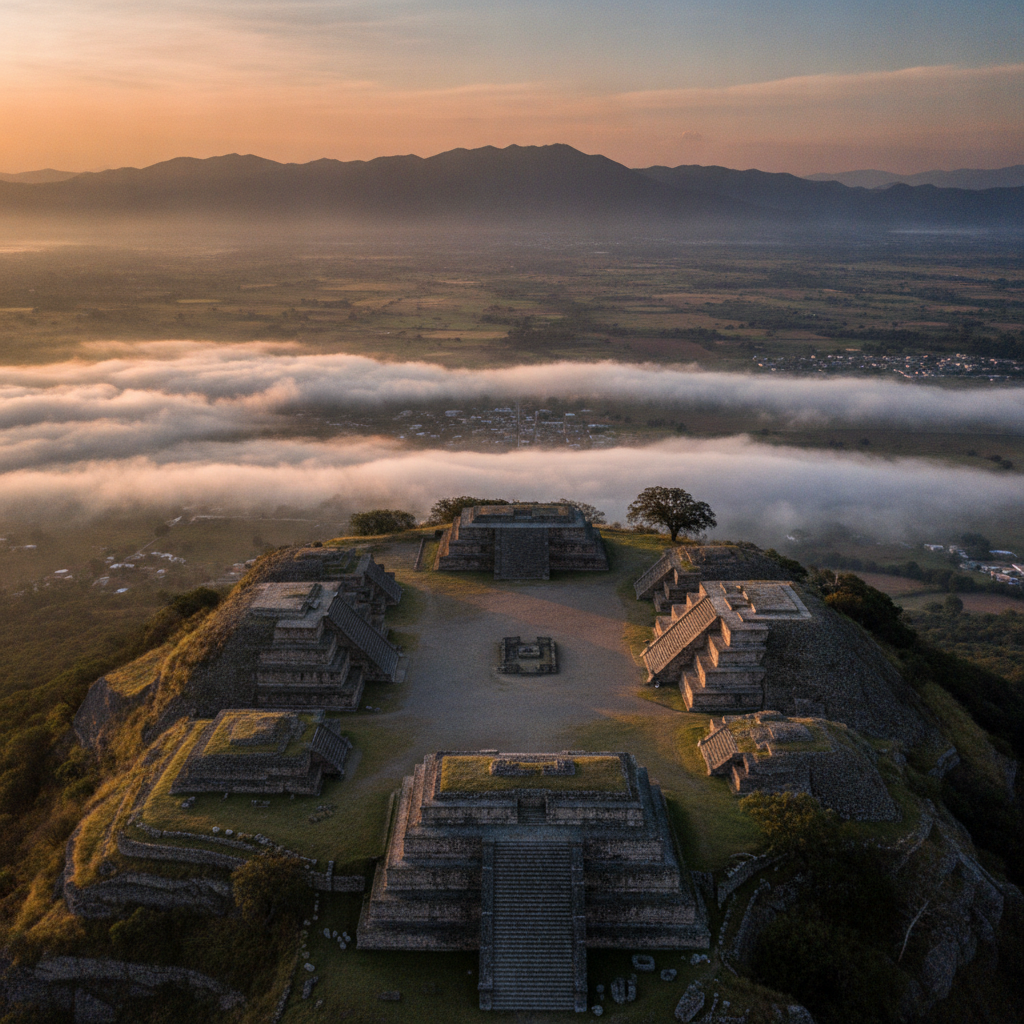
Oaxaca: The Valley City Below Monte Alban Where Zapotec Civilization Built Its Pyramid Capital, Where Mole Negro Takes Three Days to Make, and Where Every Street Has More Indigenous Cultural Survival Than Any Other City in Mexico
Oaxaca de Juarez, the colonial capital of the southern Mexican state of Oaxaca at 1,550 metres elevation in the Valley of Oaxaca surrounded by the Sierra Norte and Sierra Sur mountain ranges, is the city where the visitor encounters the most complete intersection of pre-Columbian indigenous civilization, Spanish colonial architecture, contemporary indigenous art and craft, and the most complex regional cuisine in Mexico: the seven moles of Oaxaca, of which the mole negro with its 30-plus ingredients including chocolate, chile mulato, chile negro, and toasted chile chihuacle negro takes three days of preparation and represents the most sophisticated single dish in the Mexican culinary tradition. The city of 300,000 sits 9 kilometres from Monte Alban, the hilltop ceremonial center of the Zapotec civilization founded around 500 BCE and occupied continuously for 1,000 years as the largest and most powerful urban center in Mesoamerica before its collapse around 700 CE, leaving a complex of temples, ball courts, carved stone monuments, and an astronomical observatory that makes it the most significant pre-Columbian archaeological site visible from a major Mexican city. The 34 indigenous languages spoken in the state of Oaxaca, a number that exceeds the total indigenous language count of any other Mexican state, reflects the extraordinary ethnic and linguistic diversity of the Oaxacan mountain communities that maintained their separate identities through Zapotec imperial domination, Aztec expansion, Spanish colonial rule, and 20th-century Mexican nationalism without assimilating completely into any of these political systems.
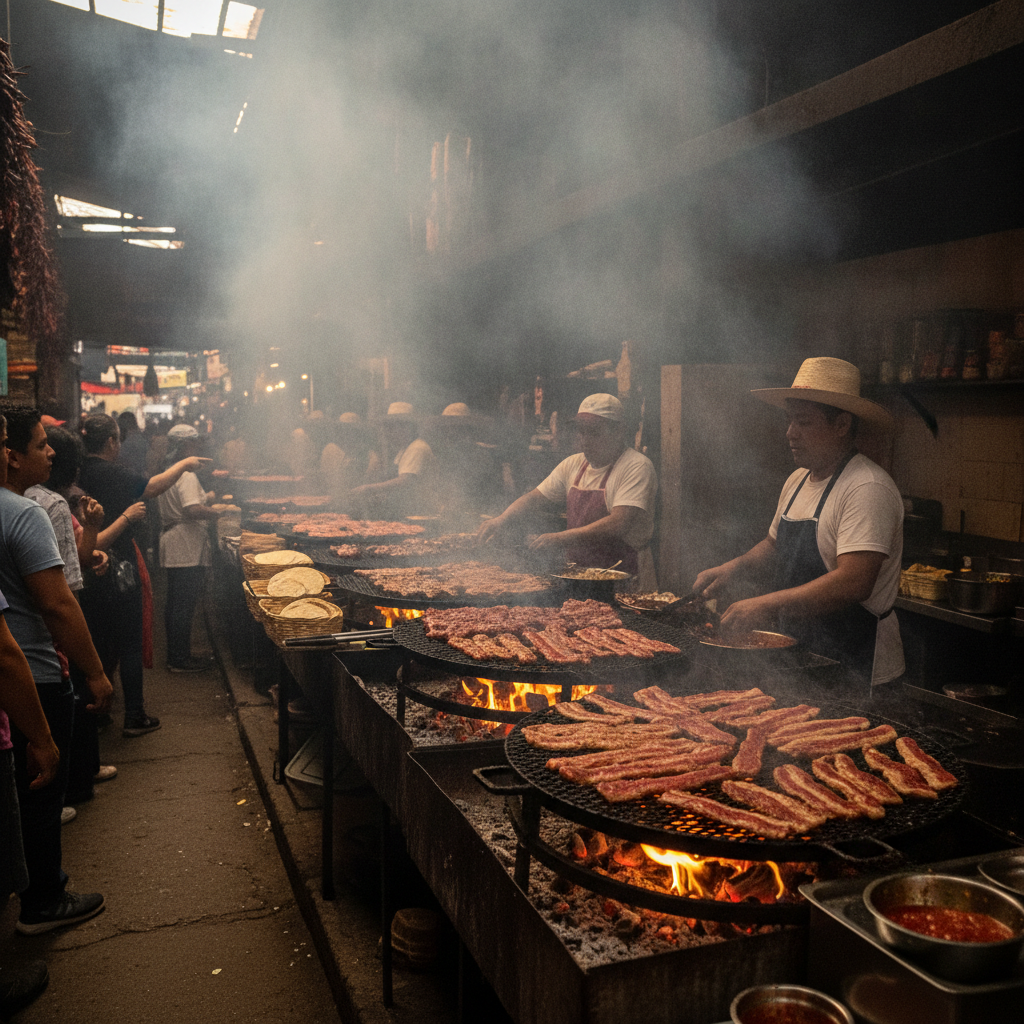
Oaxacan Markets Chocolate and Chapulines: The Mercado 20 de Noviembre Charcoal Corridor, the Chocolate Mills of the Mina Street and the Grasshopper Tradition That Foreign Food Writers Use as a Shortcut to Oaxaca and That Oaxacans Find Exhausting
The market culture of Oaxaca operates through a system of overlapping institutions that serve different functions within the local food economy: the Mercado Benito Juarez handles the general grocery market for the surrounding neighborhoods with fresh produce, meat, cheese, and the specialized Oaxacan ingredients including the dried chiles, the grinding corn pastes, and the chocolate tablets that every Oaxacan kitchen requires; the Mercado 20 de Noviembre across the street specializes in prepared food with the central charcoal corridor where vendors grill tasajo, cecina, and chorizo to order while customers carry their grilled meat to tables where market women bring them tortillas, salsas, and garnishes; and the periodic tianguis markets outside the city in communities including Tlacolula, Ocotlan, Ejutla, and Zaachila each offer the agricultural and craft products of their specific region on their specific market day, creating a regional food system that has operated in recognizably similar form since the pre-Columbian period when the same valleys traded the same products through the same system of rotating market days. The chocolate of Oaxaca, produced by the specialty mills of Calle Mina near the Mercado 20 de Noviembre where the roasted cacao beans are ground with almonds, cinnamon, and sugar on stone mills to produce the coarse, aromatic chocolate tablets dissolved in hot water for the morning drink or used in the mole negro, represents an ingredient tradition of pre-Columbian origin that has been transformed by Spanish additions — the sugar, the cinnamon, the almonds — into something uniquely Oaxacan.
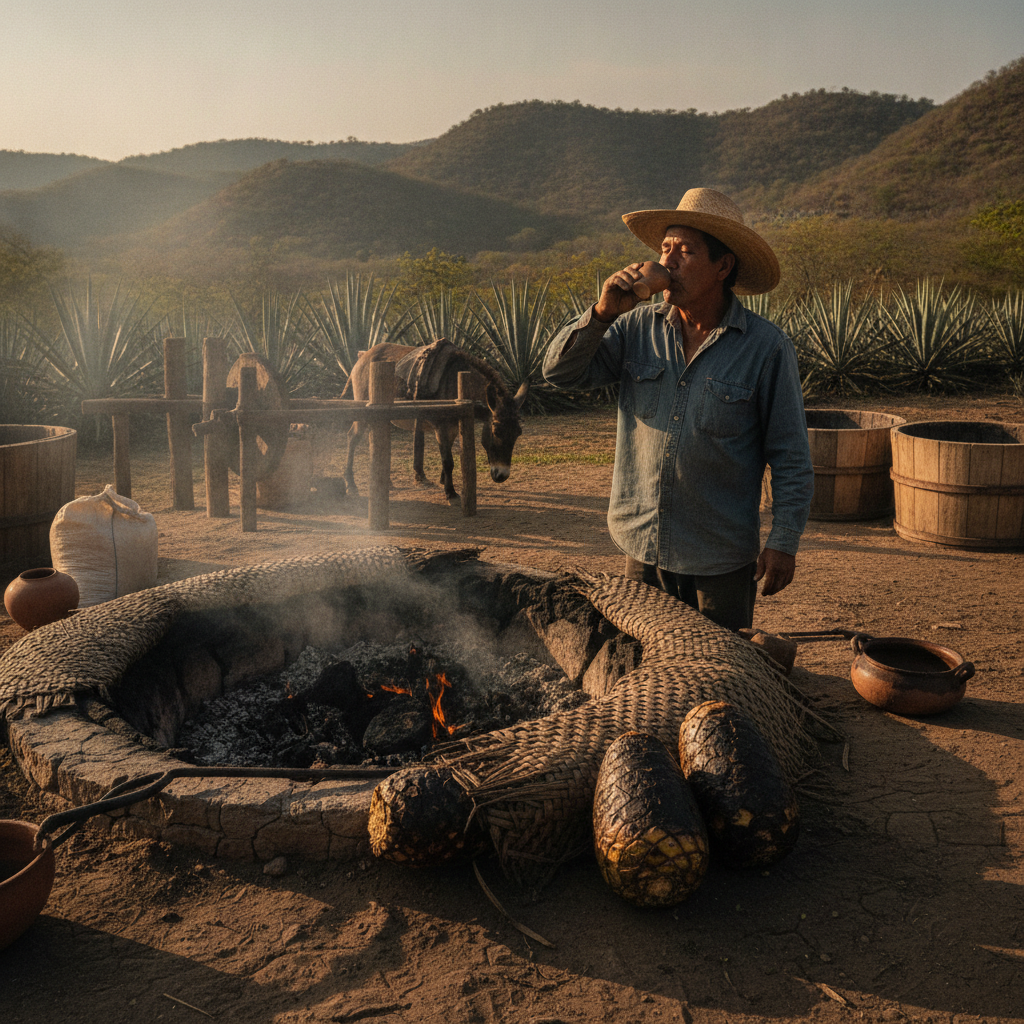
Mezcal in Oaxaca: The Ancestral Distillation of Wild Agave in Clay Pot Stills, the Palenque Villages of the Miahuatlan Valley and Why the Spirit That Was Illegal to Export Until 1994 Became the Defining Drink of Global Cocktail Culture
Mezcal, the agave distillate that encompasses every spirit made from agave species outside the specific denomination of tequila, was produced in Oaxaca villages using ancestral techniques unchanged since the colonial period — roasting the agave hearts in underground earth ovens, crushing the roasted pulp with a horse-drawn stone tahona wheel, fermenting in open wooden vats with wild yeasts, and distilling twice in clay or copper pot stills — for four centuries before the Denominacion de Origen Mezcal was established in 1994, legal exportation became possible, and a global craft spirits market discovered that the smoky, complex, terroir-expressing spirit in those clay pots was exactly what it had been looking for as an alternative to Scotch whisky and Japanese whisky in the premium spirits category. The mezcal boom of the 2010s and 2020s transformed the economic reality of the Oaxacan village palenques, the small distilleries where maestro mezcaleros using recipes passed through families for generations suddenly found their production insufficient to meet orders from New York, London, and Tokyo bars paying premium prices for handmade, low-volume spirits with documented indigenous production credentials. The transformation also threatened the very qualities that made artisanal mezcal distinctive: wild agave populations that take 25 years to mature are being harvested faster than they can reproduce, young producers are finding industrial shortcuts to ancestral methods to meet demand, and the terroir differences between valley, mountain, and coastal mezcals are being homogenized as successful flavor profiles are duplicated across regions.
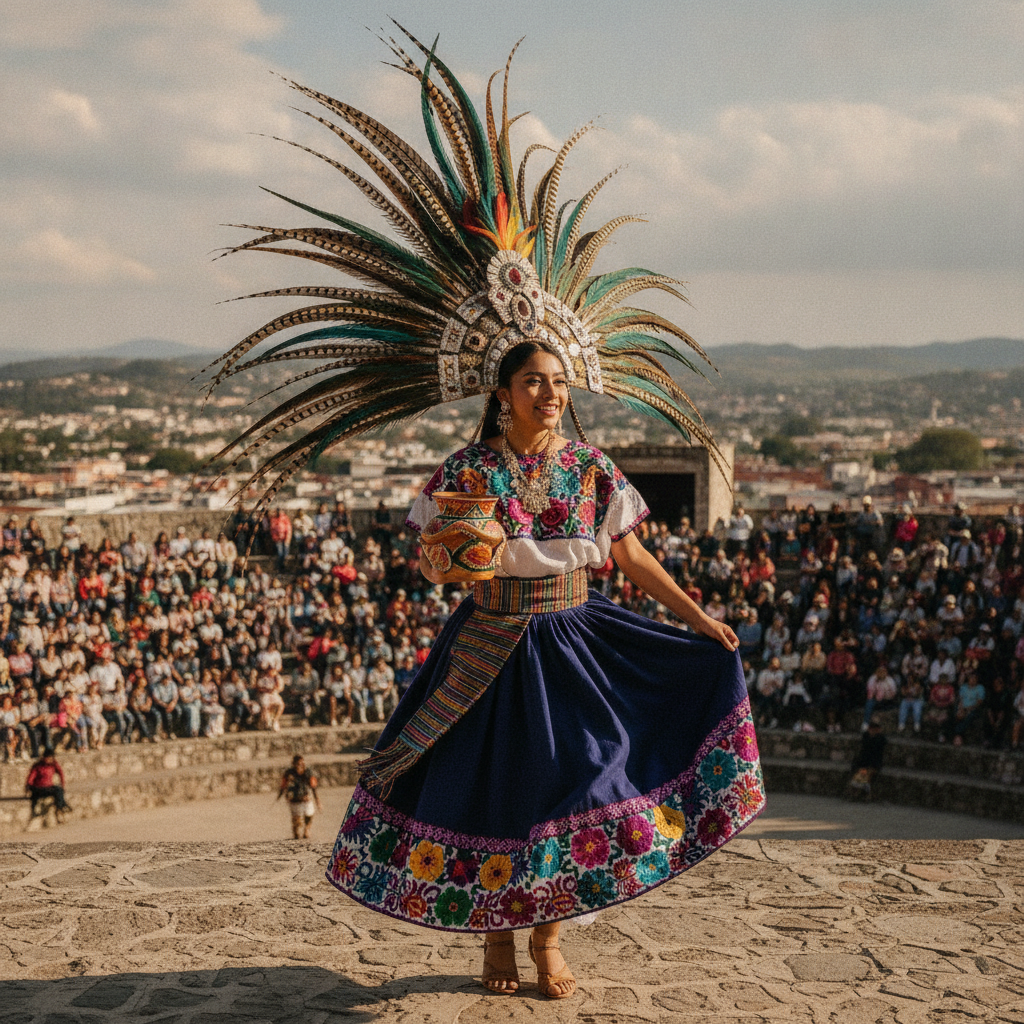
Guelaguetza Festival and the Dance Traditions of Oaxaca: How Sixteen Indigenous Communities Gather Each July at the Cerro del Fortin Amphitheater to Perform the Ceremonial Dances That Were Never Destroyed by the Spanish Conquest
The Guelaguetza, the annual festival held on the two Mondays following July 16 at the Cerro del Fortin amphitheater above Oaxaca city, in which sixteen indigenous communities from the eight regions of Oaxaca state each send delegations in traditional dress to perform regional dances and distribute regional products to the audience, is both the largest indigenous cultural festival in Mexico and the most studied and contested festival in the country because it sits at the intersection of authentic indigenous cultural expression, state-funded tourism promotion, and the political dynamics of who gets to define and control indigenous cultural presentation in a state where indigenous communities constitute the majority of the population. The word Guelaguetza comes from the Zapotec language and means reciprocal exchange or cooperative sharing, reflecting the pre-Hispanic Zapotec custom of community members sharing labor and resources at significant life events, a tradition that the festival incorporates through the ceremony of distributing regional products from each community to the audience. The dances performed at the Guelaguetza — the Flor de Pina pineapple dance of the Tuxtepec region, the Jarabe del Valle central valley dance, the Danza de la Pluma feather dance representing the conquest of Mexico, the Chilena dance of the Costa region with its African-derived rhythms — each carry specific historical and ceremonial meaning within their communities of origin that the festival context compresses into a performative display, a reduction that indigenous communities alternately accept as necessary for cultural visibility and resist as a distortion of living practice.