Dubai
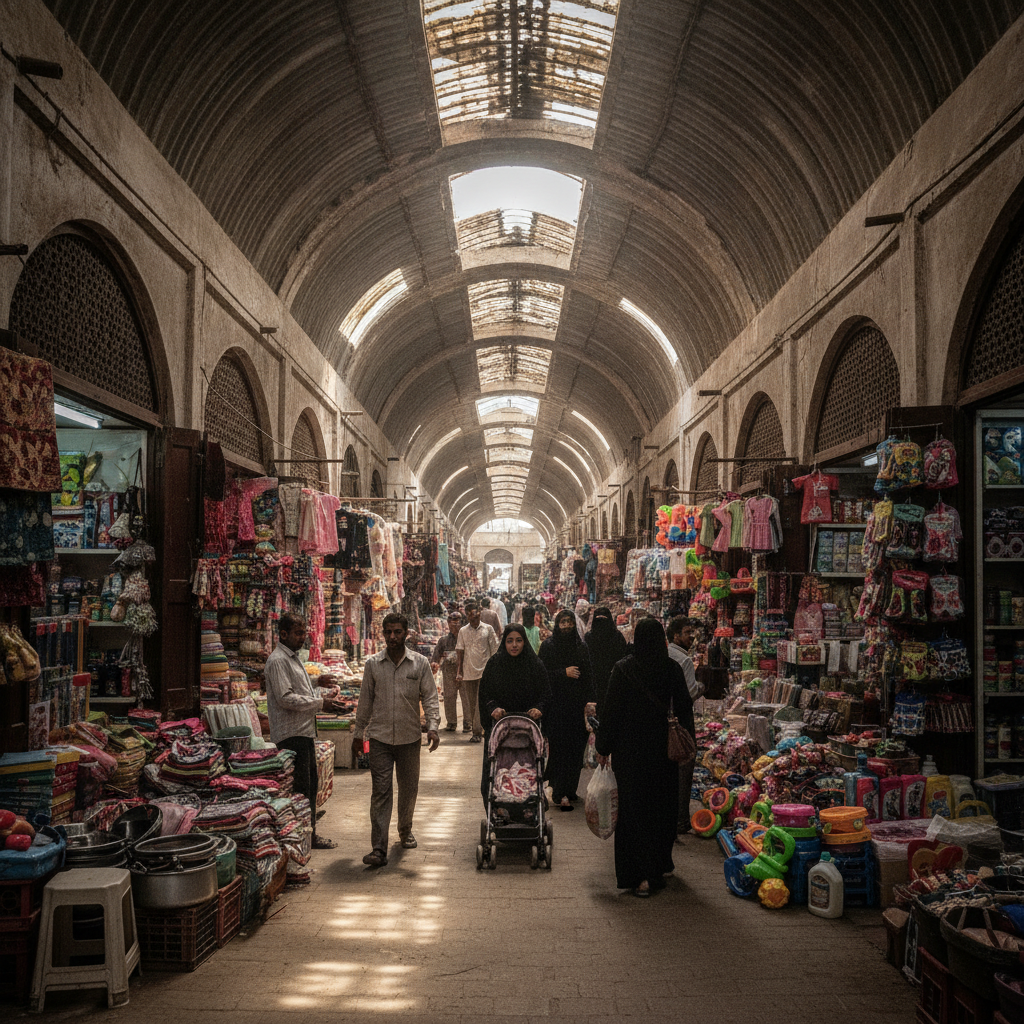
Deira: Heritage Markets, Naif Square & the Multicultural Old Quarter
Deira, the district on the eastern bank of the Dubai Creek, was the commercial heart of Dubai from the late 19th century until the oil boom of the 1970s shifted development southward to Jumeirah, Sheikh Zayed Road, and eventually Downtown. Today Deira is still the most densely commercial and multicultural area in the emirate: the Gold Souk and Spice Souk (both in the district's southern waterfront section, covered in the Al Fahidi route), the Naif Souk (the oldest market in Dubai, 1958), the Deira City Centre, the wholesale electronics markets of Al Ras, and the Gold Land Building where Sri Lankan, Indian, and Pakistani merchants have traded electrical goods since the 1980s. The residential streets of Deira — Al Muteena, Al Rigga, Naif — are home to the most diverse urban population in the UAE: Emiratis (a small minority), Iranians, Indians, Pakistanis, Bangladeshis, Egyptians, Yemenis, Somalis, Filipinos, and Sri Lankans living within blocks of each other in a density and multicultural mix that has no equivalent in the Gulf.
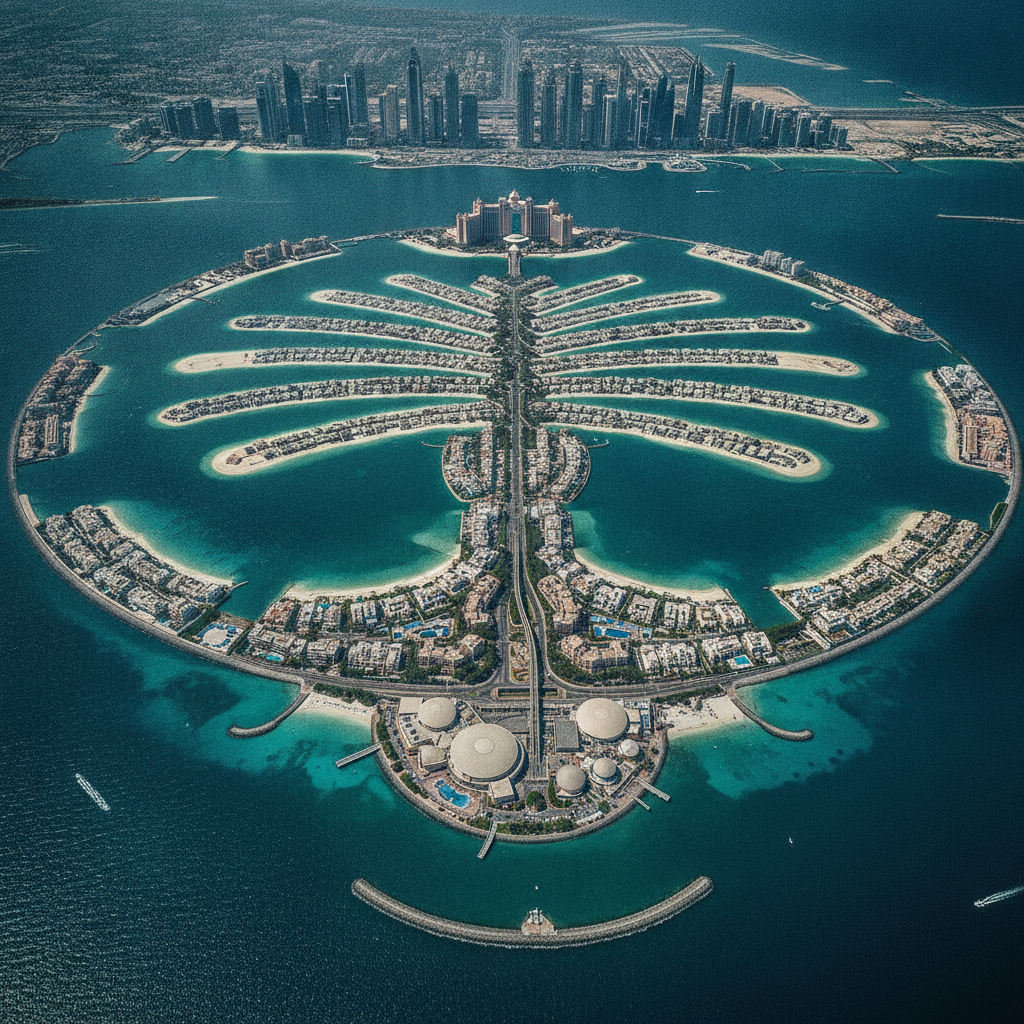
Palm Jumeirah: The World's Largest Artificial Island
The Palm Jumeirah, a palm-tree-shaped artificial island extending 5 kilometers into the Arabian Gulf off the coast of Dubai's Jumeirah district, was the world's largest land reclamation project when it was built by Nakheel Properties between 2001 and 2006 using 94 million cubic meters of sand dredged from the Gulf floor and 5.5 million tons of rock. The island added 78 kilometers of artificial coastline to Dubai's 67-kilometer natural shoreline — more than doubling the emirate's beach frontage — and created space for the Atlantis The Palm resort (1,500 rooms, the largest hotel in the Middle East when it opened in 2008), the Palm Monorail (the first monorail in the Arabian Peninsula), and approximately 4,000 residential villas and apartments across the 17 fronds of the palm shape.
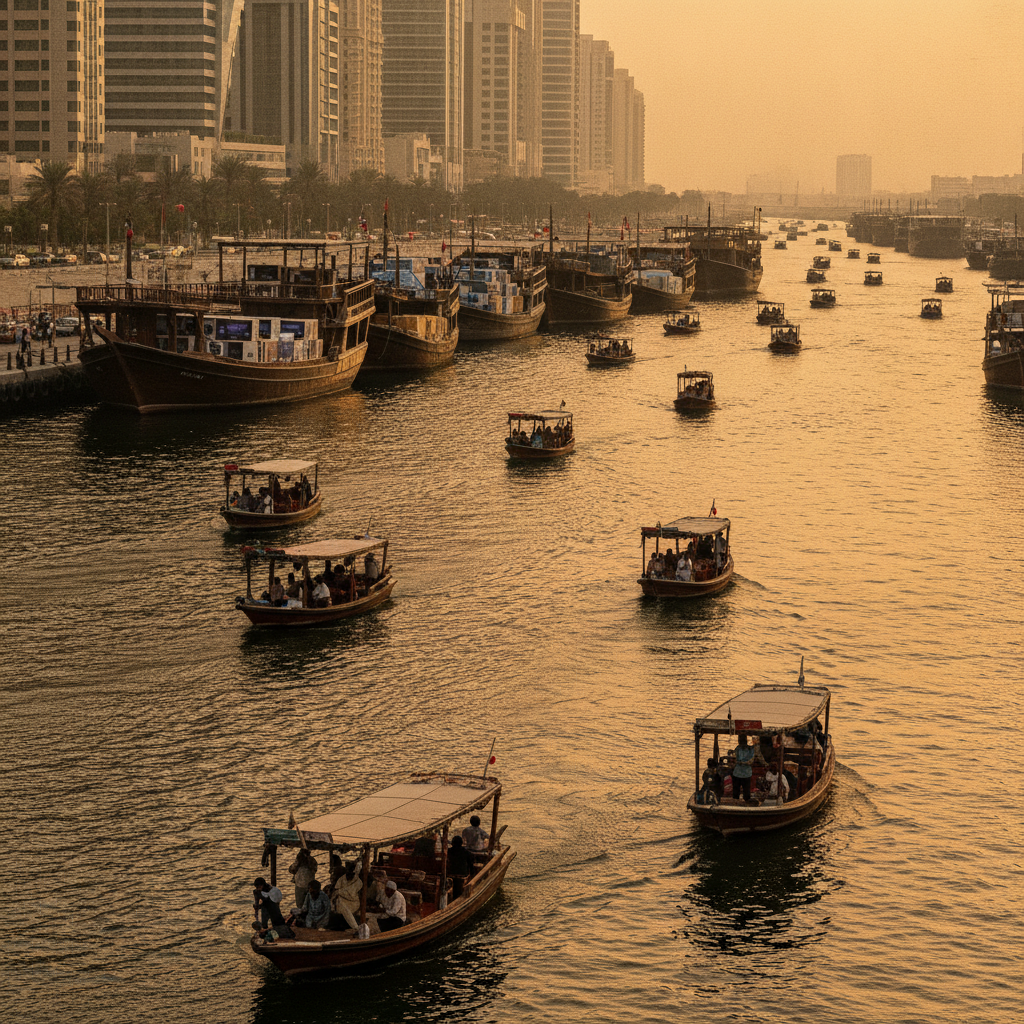
Al Fahidi, Dubai Creek & the Gold Souk: Dubai Before Oil
The Dubai Creek — a natural inlet of the Persian Gulf that divides Dubai into its two historic halves, Bur Dubai (the western bank) and Deira (the eastern bank) — was the reason Dubai existed at all: a natural harbor that attracted pearl divers, fishermen, and traders from the Persian coast, the Musandam Peninsula, and Balochistan in the 18th century. The area around the Creek, and particularly the Al Fahidi Historical Neighbourhood on the Bur Dubai bank, is the only part of Dubai that preserves the architectural character of the city before the oil boom — a dense collection of coral-stone and gypsum buildings with wind towers (barjeel), courtyard houses, and merchant storage rooms that date from the late 19th and early 20th centuries. On the Deira side: the Gold Souk (the world's largest single gold retail market), the Spice Souk (cardamom, saffron, frankincense), and the dhow wharfage where traditional wooden cargo ships continue to operate the same re-export trade routes that made Dubai prosperous long before petroleum.
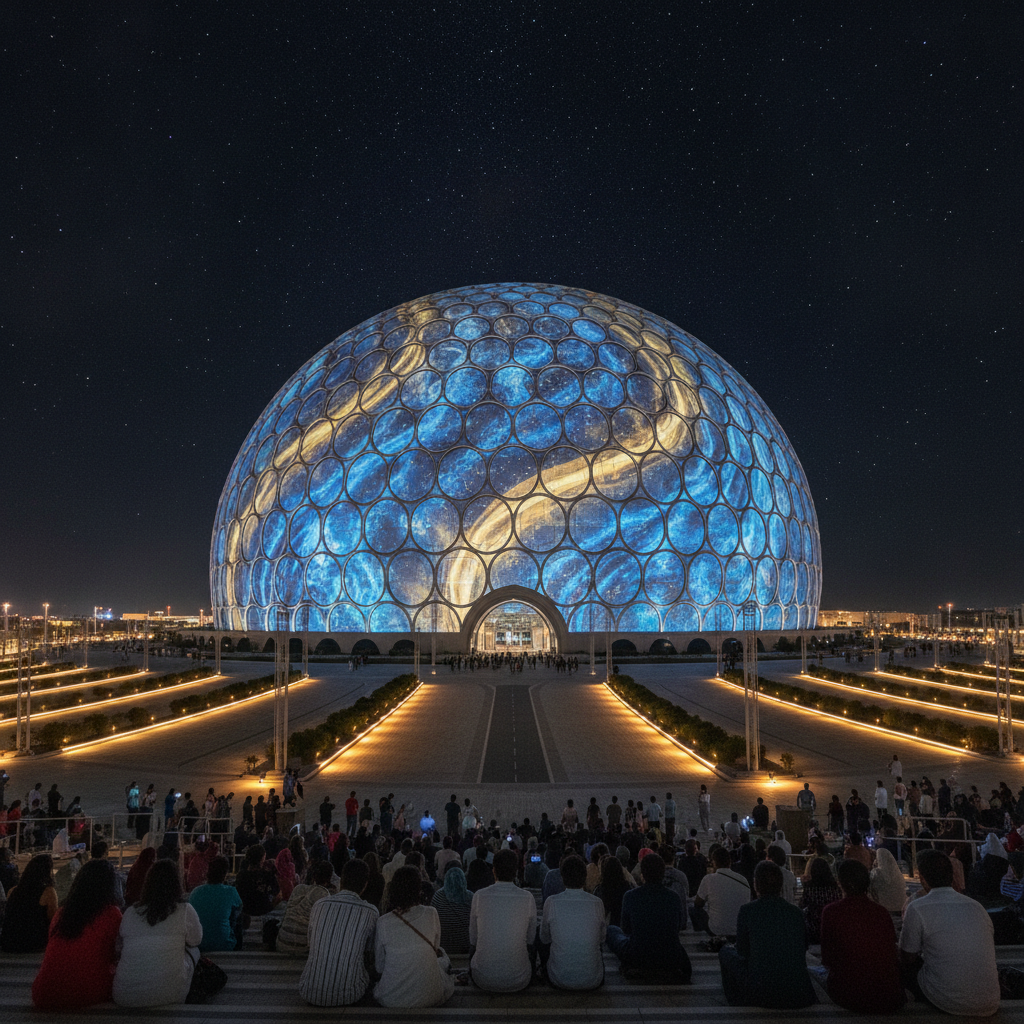
Expo City Dubai: The World's Fair Becomes a Permanent City
Expo City Dubai, built on a 438-hectare site in the Dubai South district near Al Maktoum International Airport, hosted World Expo 2020 (delayed to 2021–2022 due to the COVID-19 pandemic) and was subsequently repurposed as a permanent mixed-use urban district — the only World's Fair site in history to have been fully converted to permanent use rather than demolished or partially preserved. The site, which hosted 192 national pavilions and 24.1 million visits during the Expo period, now contains the Al Wasl Plaza (a permanent cultural and events venue centered on the 130-meter projection dome), the Expo City residential district (housing for 35,000 residents by 2025), the Dubai Exhibition Centre, the Museum of the Future annex, and 18 permanent legacy pavilions maintained by their respective countries.
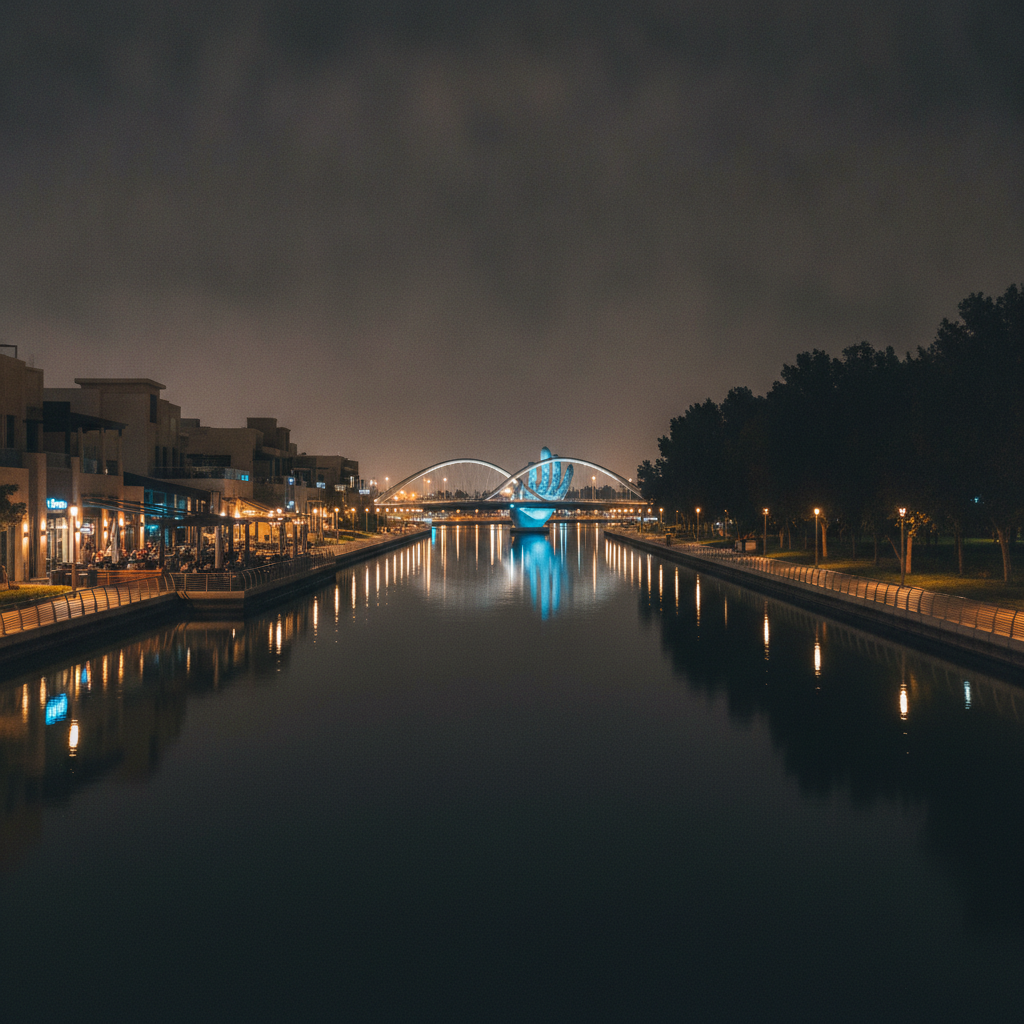
Business Bay, Dubai Canal & Design District: The Creative and Commercial New Center
Business Bay, a 64-million-square-foot mixed-use development between Downtown Dubai and the Ras Al Khor wildlife sanctuary, is Dubai's primary commercial real estate district outside Downtown: 240 towers planned (approximately 170 built), housing financial services firms, professional services companies, and the headquarters of international businesses that prefer Business Bay's connectivity (Dubai Metro Business Bay station, Sheikh Zayed Road) to Downtown's higher rents. The Dubai Water Canal (2016), a 3.2-kilometer inland waterway excavated through Business Bay, Safa Park, and the Jumeirah coastal district, connects Business Bay to the Arabian Gulf and created 6.4 kilometers of new canal-front walking and cycling promenade. Adjacent to Business Bay: the Dubai Design District (D3), a creative hub for fashion, design, and technology companies — 100+ studios, showrooms, and ateliers across 10 buildings.
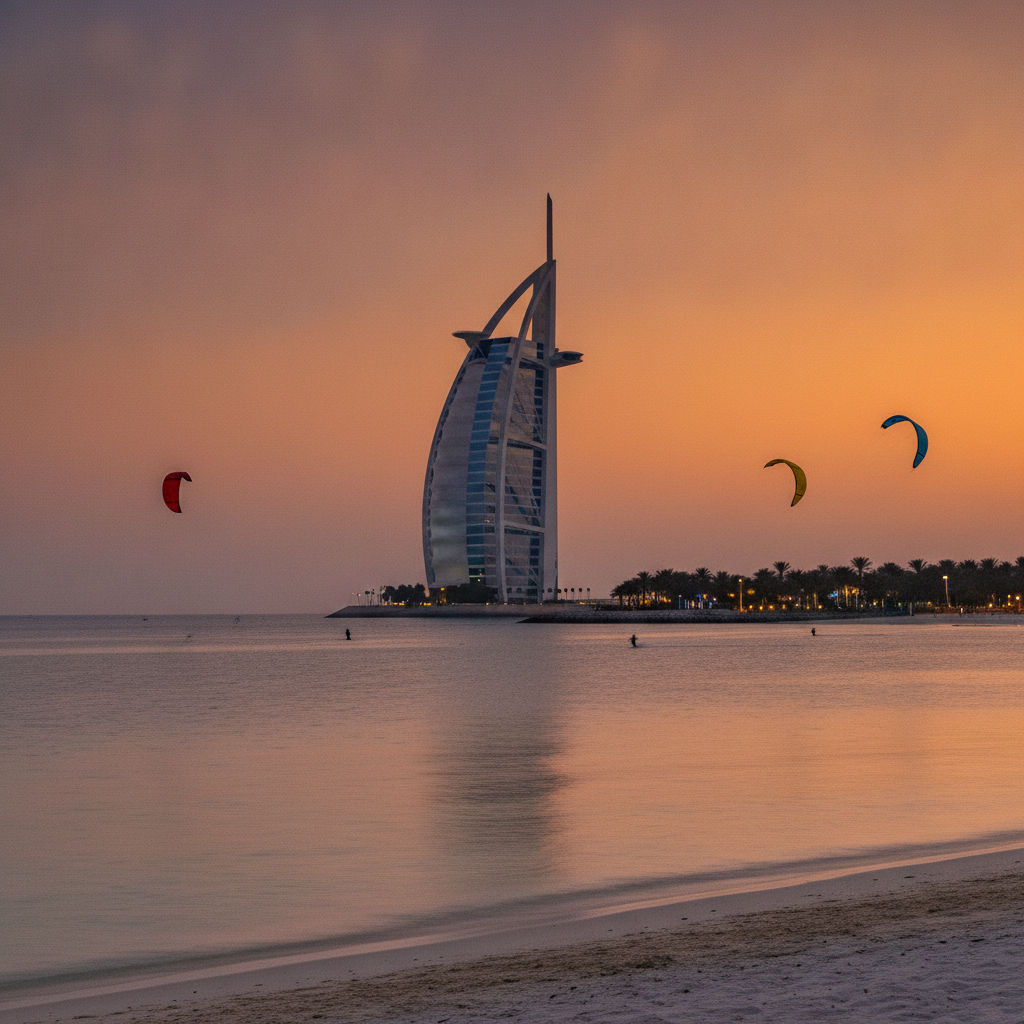
Jumeirah Beach Road, Kite Beach & Burj Al Arab: Old Dubai Meets the Sea
The Jumeirah Beach Road (also Jumeirah Road), running south from the Dubai city center along the Arabian Gulf coast for approximately 15 kilometers from Al Wasl Road to the Umm Suqeim area, is Old Dubai's beach strip: a residential and retail corridor lined with villas, schools, local cafés, and the Jumeirah Mosque (the most architecturally celebrated mosque in Dubai), fronted by a continuous beach of public parks and white sand. At its southern end: Kite Beach (one of Dubai's best public beaches, popular with kiteboarding, beach volleyball, and food trucks) and the Burj Al Arab, the sail-shaped hotel on a private island that is the most recognized architectural symbol of Dubai's transformation from trading port to luxury tourism destination.
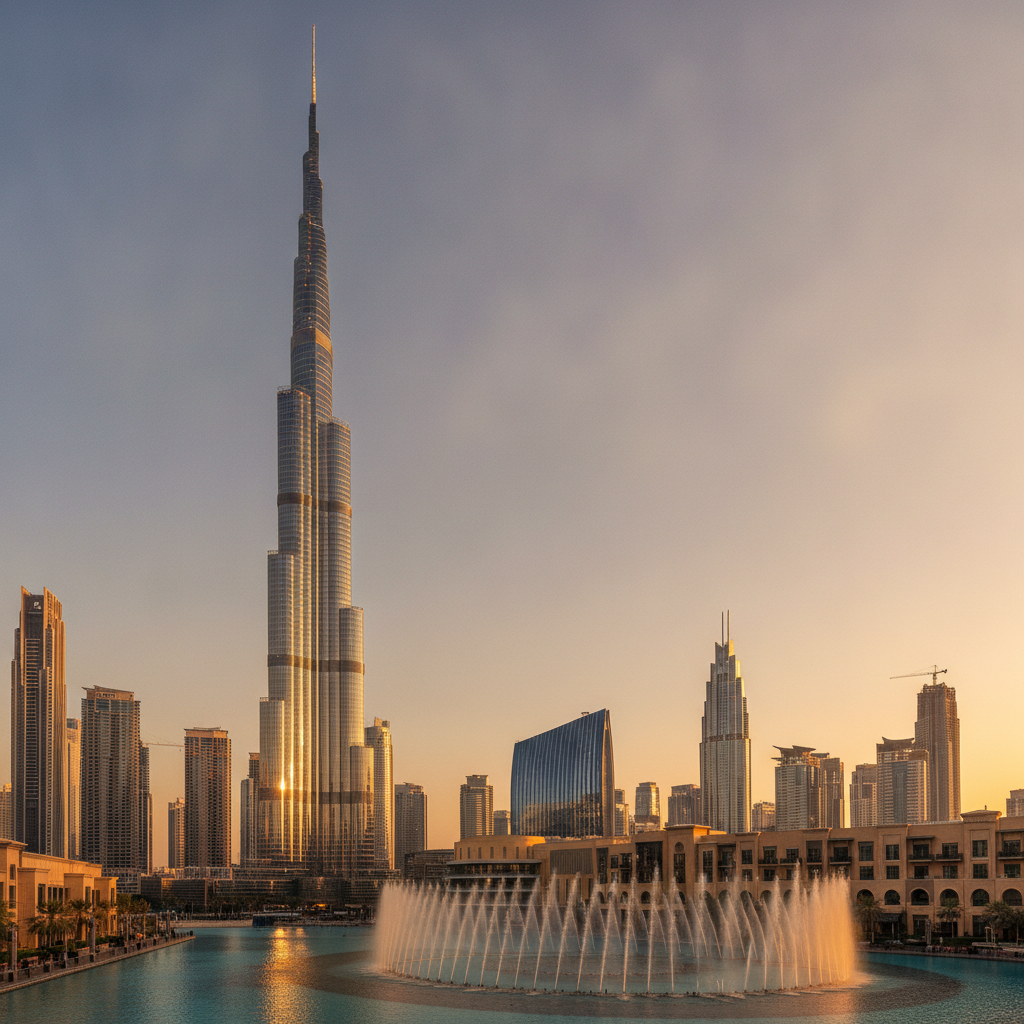
Burj Khalifa, Dubai Mall & the Fountain: The Heart of Downtown Dubai
Downtown Dubai, built on a 2-square-kilometer plot of desert reclaimed from the land between Sheikh Zayed Road and the Dubai Creek in the early 2000s, is the most concentrated expression of Dubai's architectural ambition: the Burj Khalifa (828 meters, the world's tallest building since 2010), the Dubai Mall (the world's largest shopping mall by total area, 1.1 million square meters of retail), the Dubai Fountain (the world's largest choreographed fountain system, 275 meters long), and the Burj Khalifa Lake, a 12-hectare artificial lake at the center of it all. The district was developed by Emaar Properties and opened in stages between 2009 and 2012; it has since become the most visited urban destination in the Middle East, with an estimated 100 million visitors per year to the Dubai Mall alone.
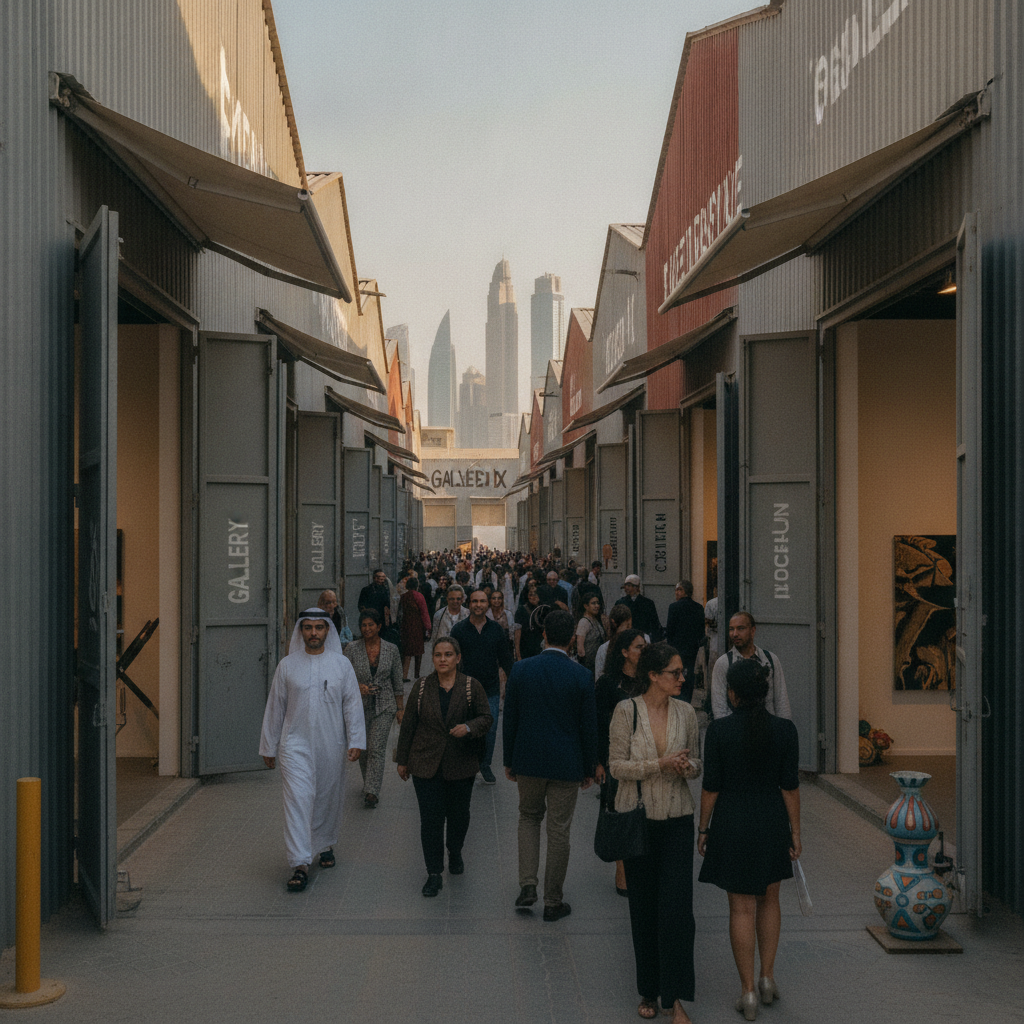
Al Quoz & Alserkal Avenue: Dubai's Art District in an Industrial Neighborhood
Al Quoz, Dubai's main industrial district — a grid of warehouses, workshops, car repair shops, and light industrial units south of Sheikh Zayed Road between the Safa Park area and the Nad Al Sheba district — contains, improbably, Dubai's most significant art district: Alserkal Avenue, a 1-kilometer boulevard of converted warehouse galleries, artist studios, cinema, theater, and creative businesses that has become the center of the contemporary art scene in the Middle East since its development from 2008. The Alserkal Avenue model — converting industrial buildings to cultural use without demolishing or architecturally transforming them — is a departure from Dubai's dominant approach of building new and spectacular, and its success (100+ galleries and creative businesses, 40 million dirhams in annual art sales, 500,000 annual visitors) has influenced subsequent creative district development in the Gulf.
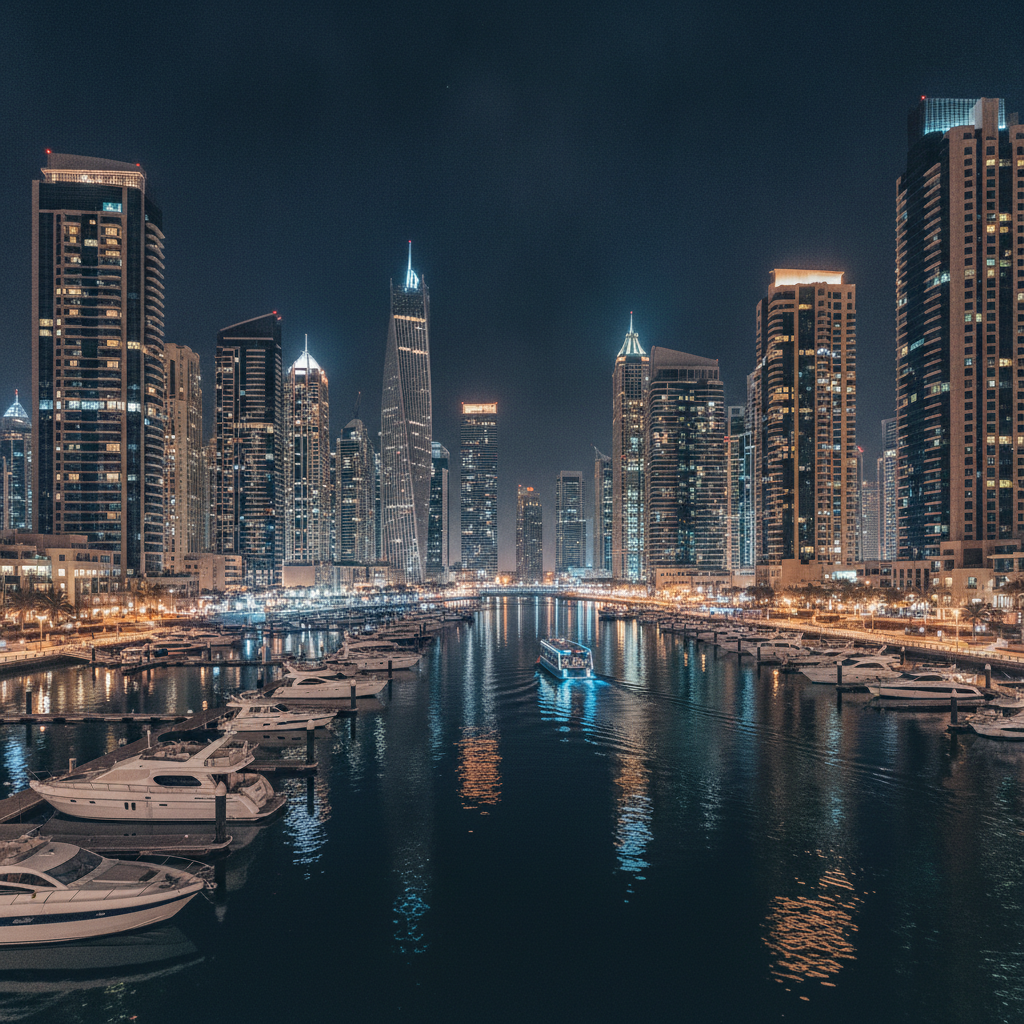
Dubai Marina & JBR: The Waterfront City Within a City
Dubai Marina, a 3.5-kilometer man-made marina channel cut through coastal desert south of the Palm Jumeirah between 2003 and 2008, is surrounded by approximately 200 residential towers (making it one of the world's densest high-rise residential clusters) and the Marina Walk, a 7-kilometer promenade along the marina's edge lined with restaurants, cafés, and yacht berths. Adjacent to the Marina: Jumeirah Beach Residence (JBR), a 1.7-kilometer beachfront development consisting of 40 towers (home to approximately 15,000 residents) behind a beach promenade (The Walk at JBR) and the Ain Dubai observation wheel on Bluewaters Island. Together, the Marina and JBR form a self-contained urban district — with its own tram system, metro stations, beach, and marina — that functions as an alternative downtown for Dubai's western residential population.