Tokyo
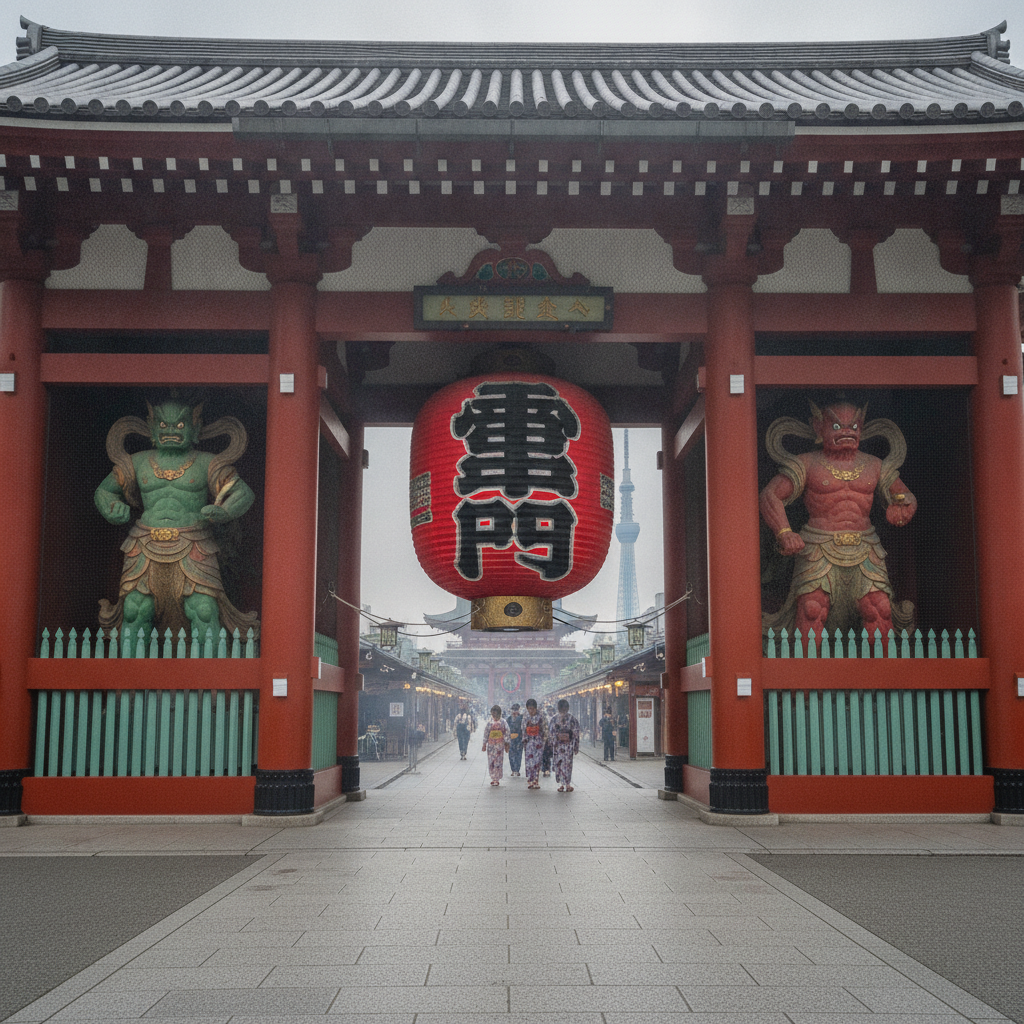
Asakusa & Tokyo Skytree: Ancient Temple, Nakamise Street & the World's Tallest Tower
Asakusa is the oldest surviving district of Edo-era Tokyo (the city was called Edo before it became Tokyo in 1868): Senso-ji, the Buddhist temple at its heart, was founded in 628 AD and is the most visited temple in the world, drawing over 30 million visitors annually. The streets around it—Nakamise shopping street, Denpoin Street with its art installations, the Hoppy Street izakaya alley—preserve a scale and texture that is unlike any other neighborhood in central Tokyo: low buildings, wooden shopfronts, rickshaws. Five minutes to the east, the Tokyo Skytree (634 meters, the world's tallest tower and second tallest structure) provides the modern counterpoint.
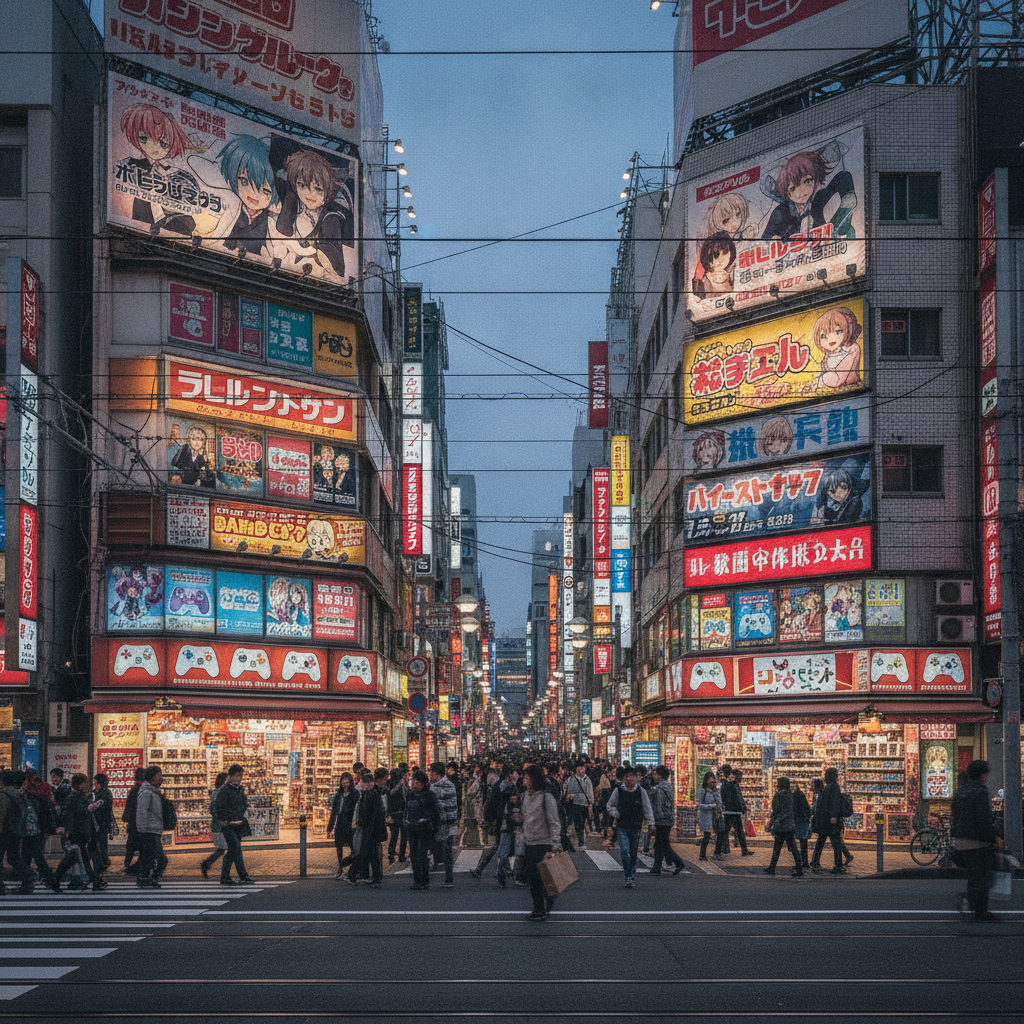
Akihabara & Ueno: Electric Town, Japan's Greatest Museum Mile & Ameyoko Market
The Akihabara-Ueno corridor, running between two of Tokyo's most distinct neighborhoods, covers two completely different sides of Japanese popular culture: Akihabara ('Electric Town') is the global center of anime, manga, video gaming, and consumer electronics—a vertical city of specialist retailers stacked eight stories high; Ueno is the cultural and intellectual center of eastern Tokyo, containing Japan's greatest concentration of national museums (five in one park), Ueno Zoo (Japan's oldest, 1882), and Ameyoko—a street market descended directly from the black market that operated on this spot after World War II.
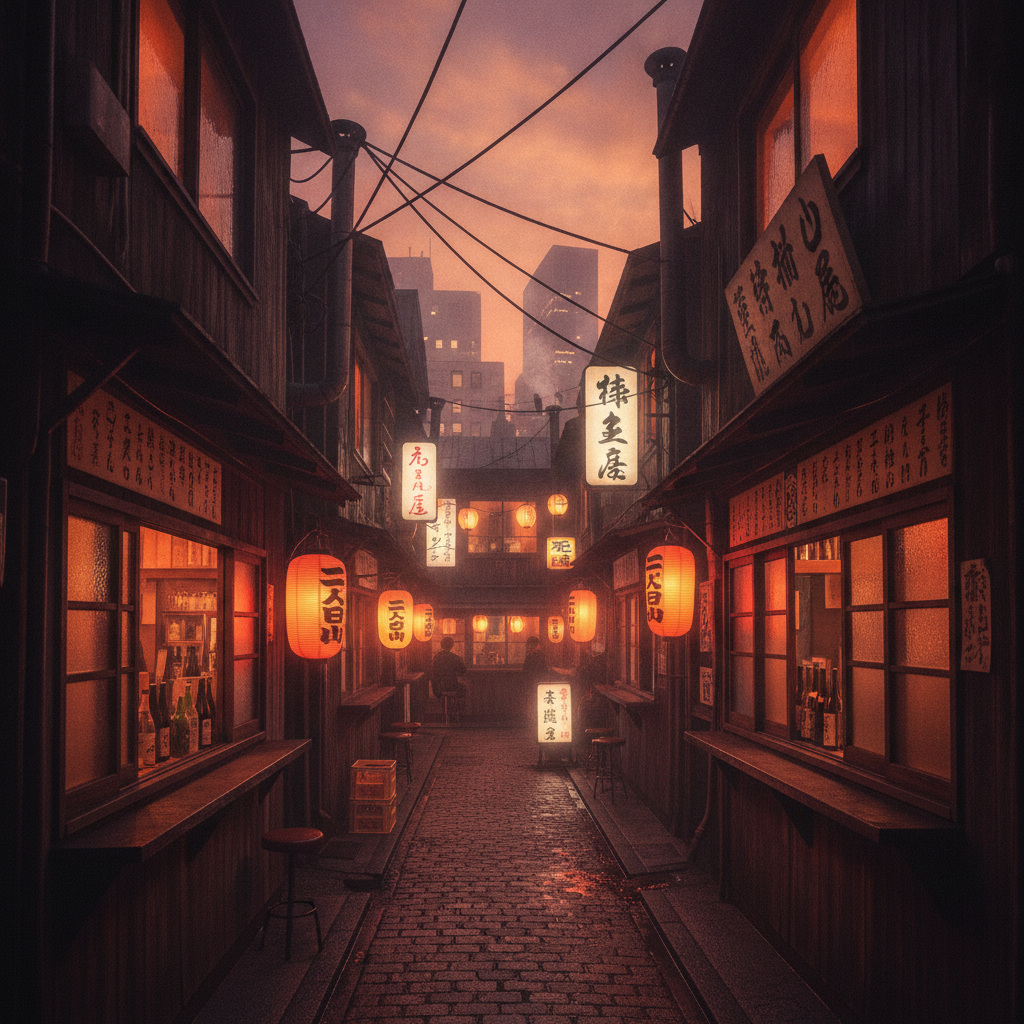
Shinjuku: Golden Gai, Kabukicho & the Garden at the Heart of the Neon City
Shinjuku handles more than 3.5 million passengers per day—more than any other train station on Earth—and the district around it is a compressed universe of contradictions: the world's largest red-light district (Kabukicho), a warren of 200 tiny bars that has survived 70 years of urban development (Golden Gai), the quietest and most beautiful garden in central Tokyo (Shinjuku Gyoen), the tallest skyscraper observation deck in the city (Tokyo Metropolitan Government Building, free of charge), and an underground warren of ramen shops so old they have no ventilation (Omoide Yokocho, 'Memory Lane').
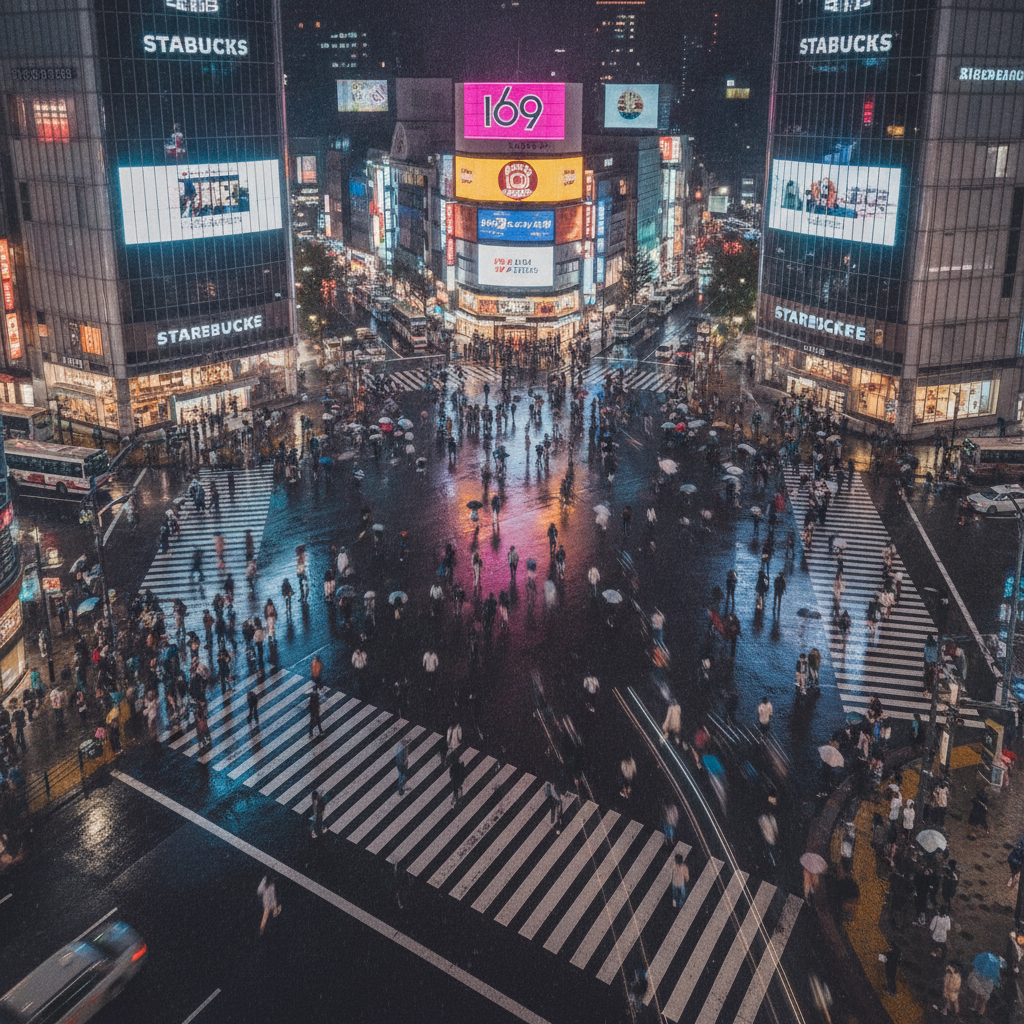
Shibuya & Harajuku: Youth Culture, Sacred Forests & the World's Busiest Crossing
The Shibuya-Harajuku axis—the stretch of western Tokyo between Shibuya Station and Harajuku Station along the Yamanote Line—is the global capital of youth fashion, street culture and consumer spectacle. Shibuya Crossing (the 'scramble' intersection outside Shibuya Station) is the busiest pedestrian crossing in the world, with up to 3,000 people crossing simultaneously from all directions every two minutes. Five minutes north, behind the neon and fashion towers, lies Meiji Shrine—2.2 million trees planted in 1920 to create an artificial ancient forest in the middle of the city. This walk moves between the sacred and the secular, the ancient and the hypermodern.
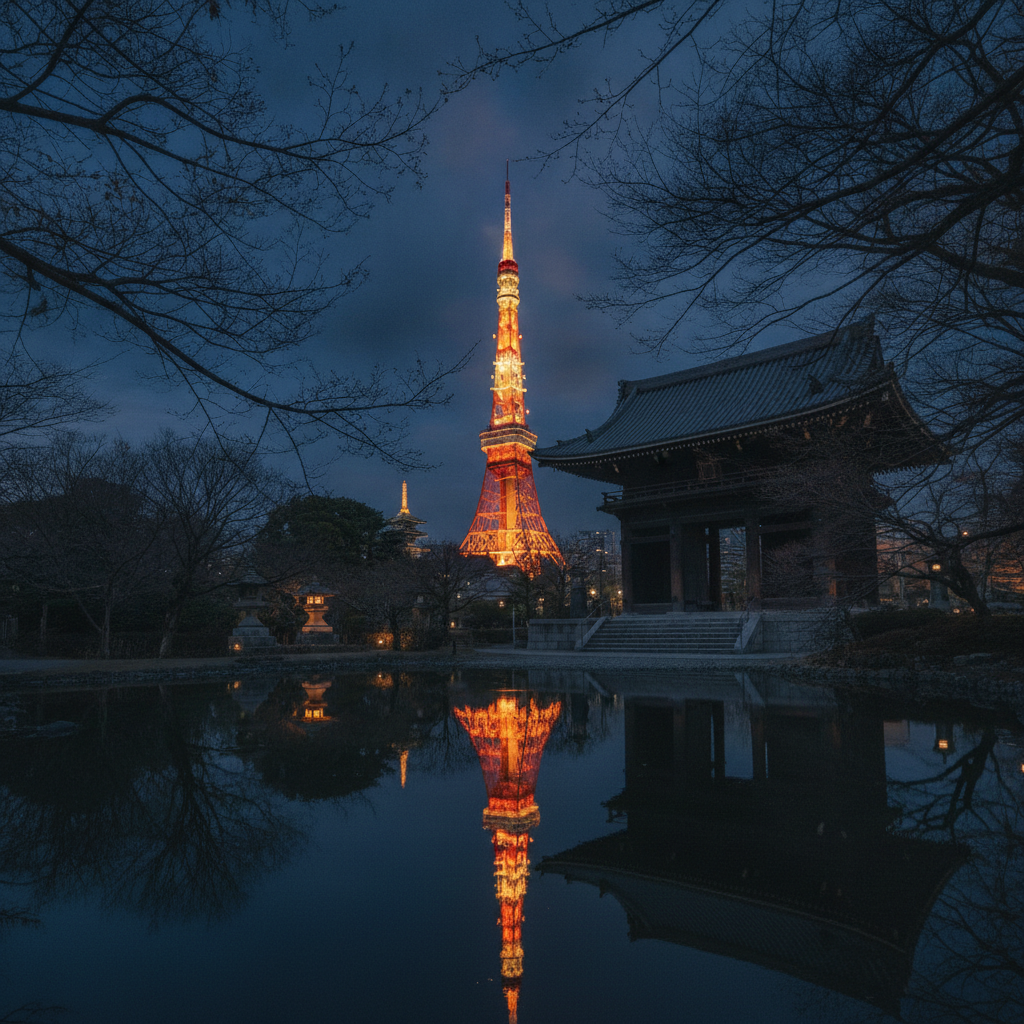
Roppongi Arts District & Tokyo Tower: World-Class Museums, Contemporary Architecture & the City's Most Iconic Silhouette
Roppongi has two distinct identities that occupy the same few square kilometers: the nightclub district (one of the most concentrated entertainment zones in Tokyo, with hundreds of clubs, bars and live music venues) and the arts district—specifically the 'Roppongi Art Triangle' formed by three world-class contemporary art and architecture institutions: Mori Art Museum (in Roppongi Hills), 21_21 Design Sight (in Tokyo Midtown), and the National Art Center. The route also passes Tokyo Tower—the 333-meter orange broadcast tower built in 1958, modeled on the Eiffel Tower but taller, which was the defining image of postwar Tokyo's economic miracle and remains the most romantic nighttime view in the city.
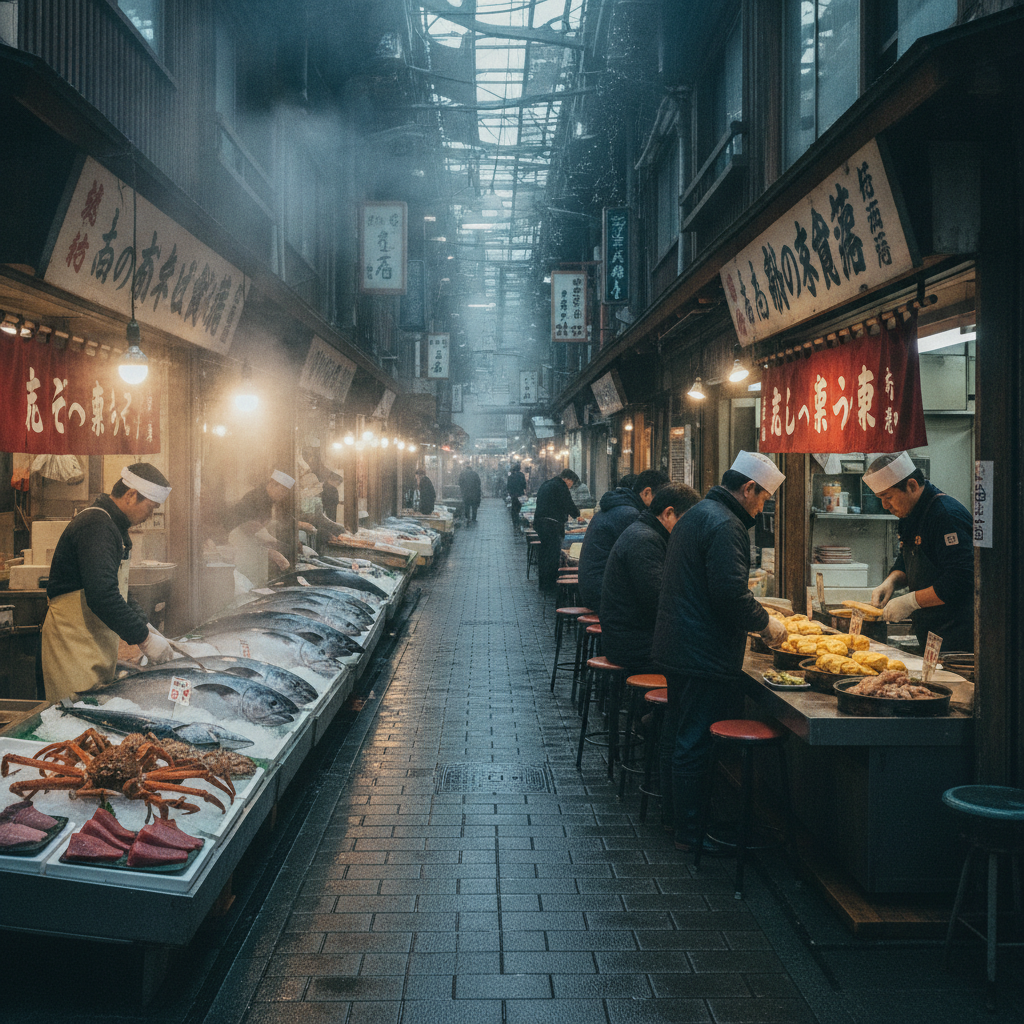
Tsukiji, Hamarikyu & Ginza: Dawn Seafood, the World's Most Expensive Shopping Street & a Garden by the Bay
The waterfront arc from Tsukiji to Ginza to Hamarikyu covers three of Tokyo's most distinct experiences: the Tsukiji Outer Market (the surviving public market of the world's most famous fish market, still operational every morning from 4 AM), Hamarikyu Gardens (a 17th-century shogunal garden that contains Tokyo's only tidal pond—still fed directly from Tokyo Bay—surrounded on three sides by skyscrapers), and Ginza (Japan's most prestigious shopping and dining district, where rents exceed US$300 per square meter per month and where the world's leading architects have built their most extravagant Tokyo flagship stores).
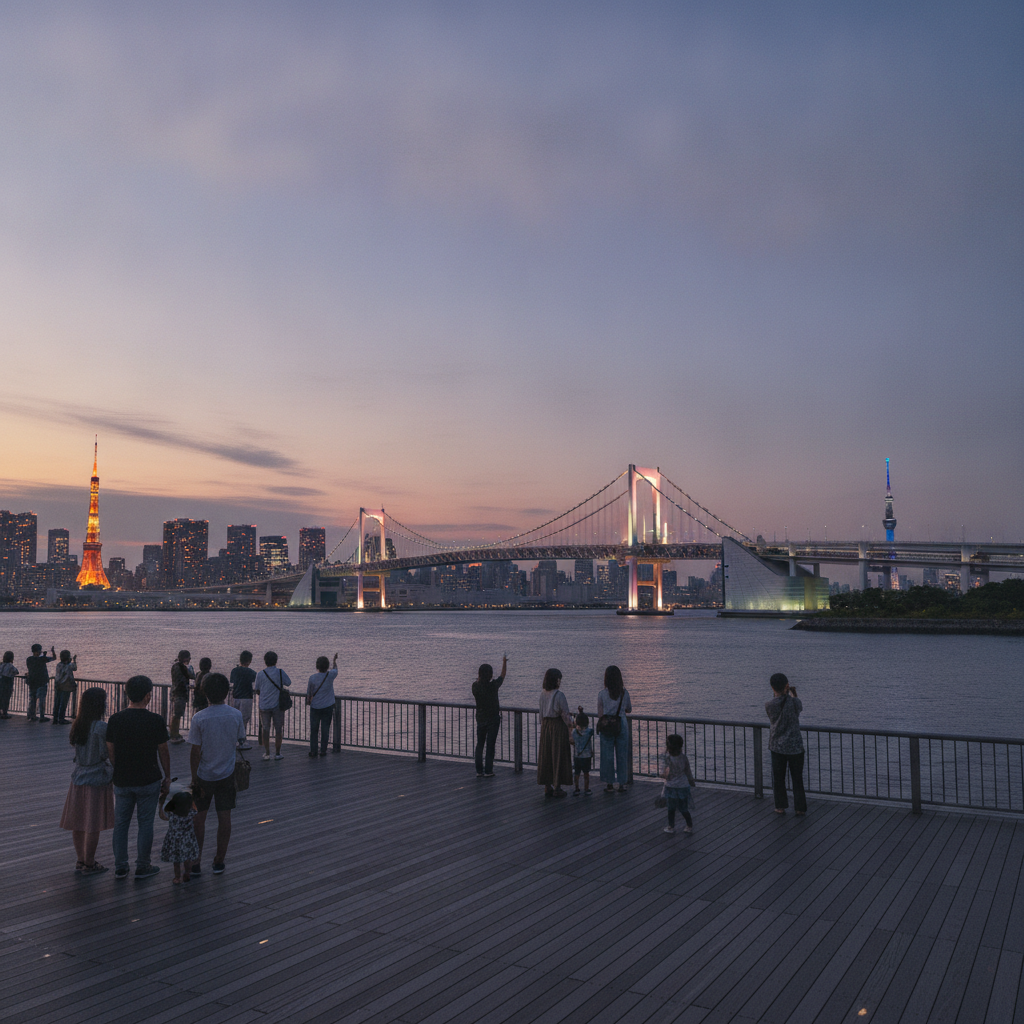
Odaiba & Tokyo Bay: Rainbow Bridge, Futuristic Architecture, Science Museums & the Best View of the City
Odaiba is a man-made island in Tokyo Bay, created by reclaiming land from the bay in the 1850s for coastal defense fortresses (the 'Daiba', or 'gun batteries') and expanded massively in the 1980s–1990s as a futuristic urban development zone. The result—connected to central Tokyo by the Rainbow Bridge and the Yurikamome automated rail line—is a landscape unlike anywhere else in Japan: broad waterfront boulevards, futuristic convention centers and shopping malls, science museums, a massive Gundam statue, and the finest panoramic view of Tokyo's skyline available from any publicly accessible location.
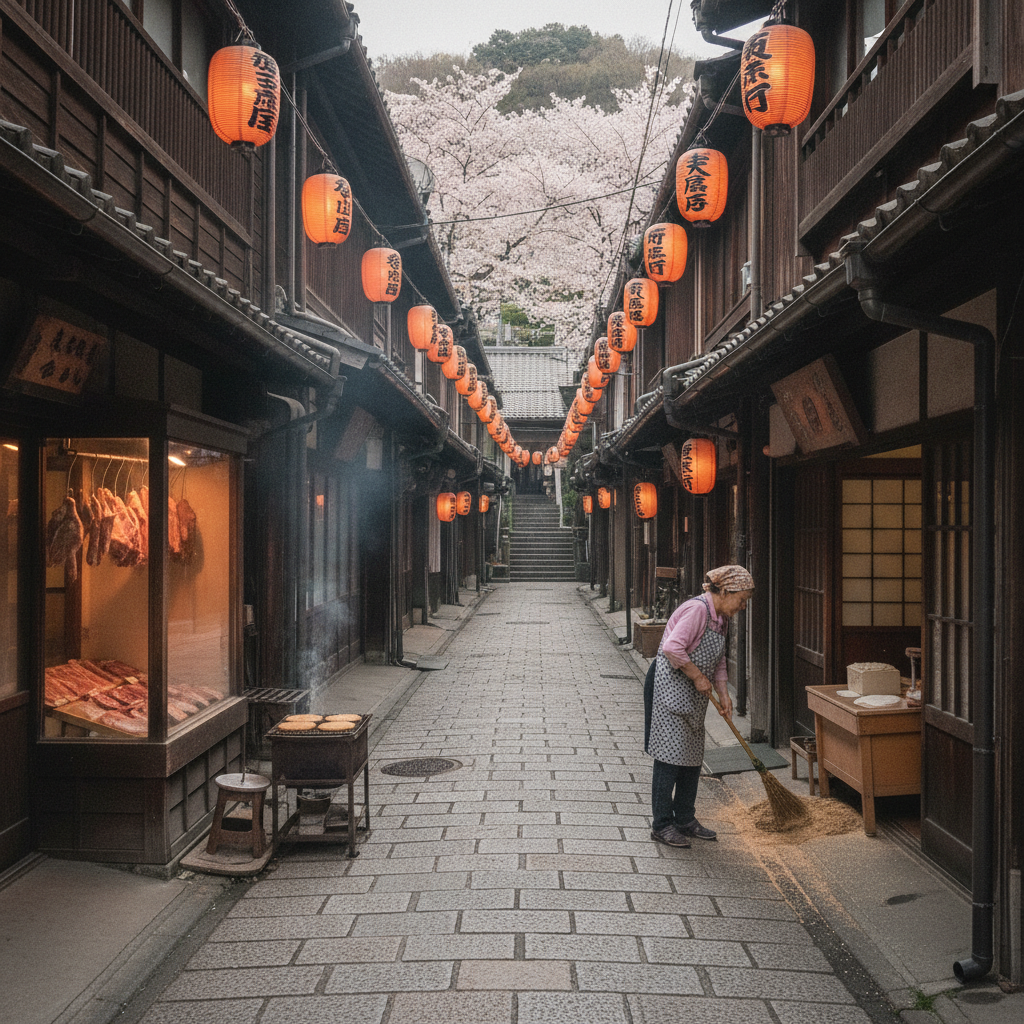
Yanaka, Nezu & Sendagi: Old Tokyo's Surviving Village, Traditional Shrines & the Cemetery at Cherry Blossom Time
The Yanaka-Nezu-Sendagi triangle (locally called 'Yanesen') is the most intact surviving section of pre-modern Tokyo: one of the few areas of the city that survived both the 1923 Great Kanto Earthquake (which destroyed or damaged most of central Tokyo) and the firebombing raids of 1945 (which destroyed most of what the earthquake had spared) largely intact, and consequently preserves the street patterns, building scale, and neighborhood texture of the Meiji and Taisho eras. Walking here—through narrow lanes of wooden townhouses, family-run tofu makers and sembei rice cracker shops, past Buddhist temples and old cemetery walls—provides the clearest sense anywhere in Tokyo of what the city looked like before modernization.