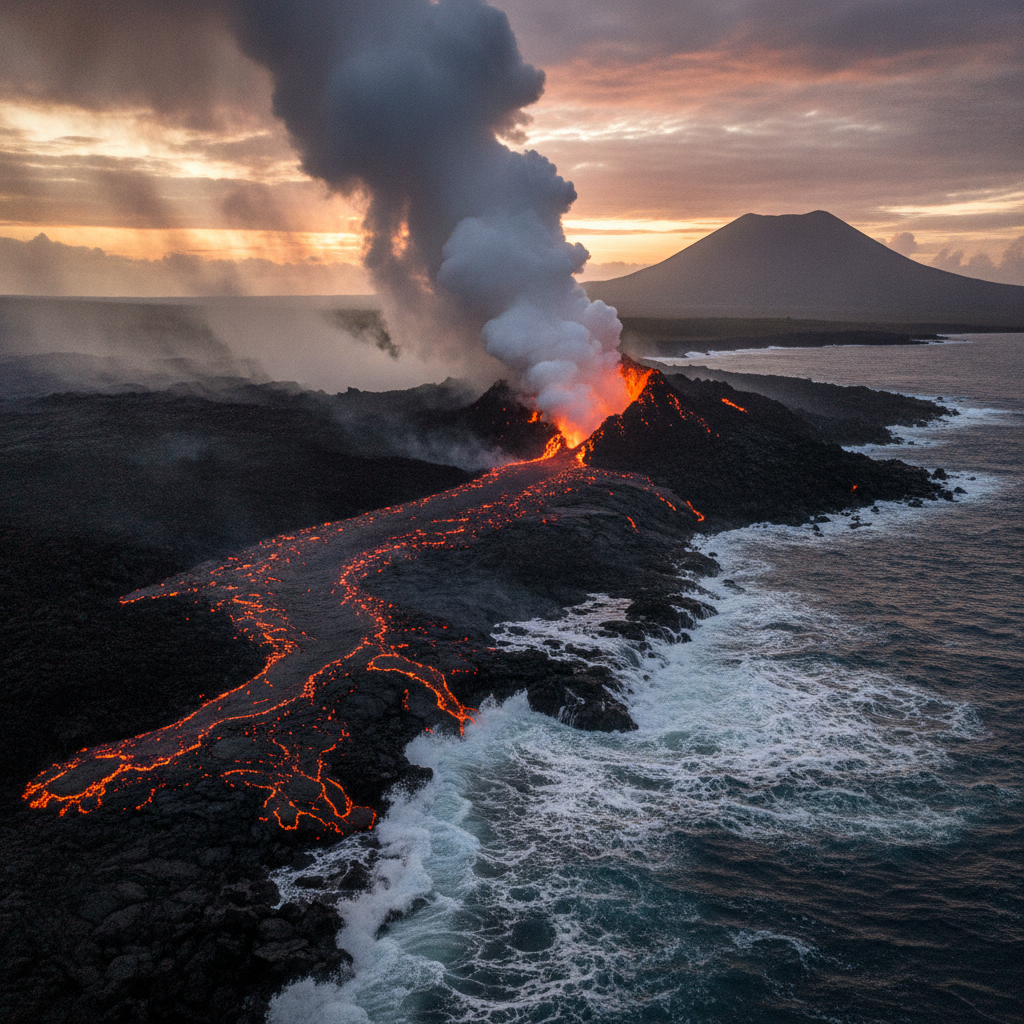

Galapagos Geology: Hotspot Volcanism and the Making of the Islands
The Galapagos Islands were formed by a volcanic hotspot, a fixed point of intense heat in the mantle over which the Nazca tectonic plate moves eastward at approximately 7 centimeters per year. The oldest islands in the southeast have been moving away from the hotspot for millions of years and are eroded and low; the youngest islands in the northwest, Fernandina and Isabela, remain directly over the hotspot and are still volcanically active. This conveyor belt of island formation means the archipelago is a geological time machine, with older eastern islands showing the progressive stages of erosion, subsidence, and eventual disappearance beneath the sea. The same geological forces that created the islands also created the unique isolation that drove the distinctive evolution of the Galapagos species.
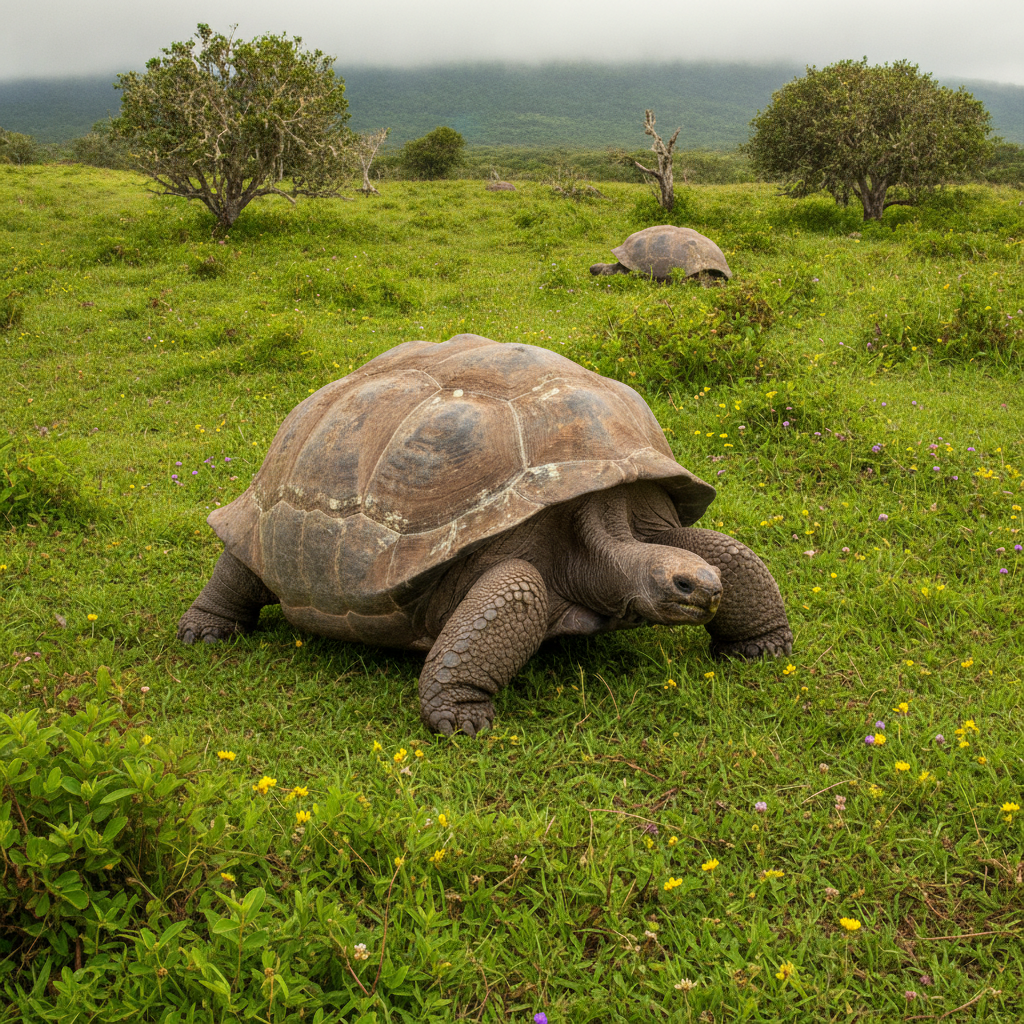
Galapagos Giant Tortoises: Natural History, Near Extinction, and Recovery
The giant Galapagos tortoises, the largest living tortoises on earth and among the longest-lived vertebrates with individuals confirmed at over 170 years old, are the emblematic animals of the archipelago and the source of its name: galapago is an old Spanish word for saddle, describing the shape of some tortoise shells. Fourteen subspecies evolved on different islands, each with distinctive shell shape and body size adapted to local vegetation and terrain. By the 19th century, whalers and pirates had removed hundreds of thousands of tortoises for meat during voyages; introduced rats, pigs, and goats further devastated the populations. Conservation efforts since the 1970s have prevented the extinction of all remaining subspecies and some populations have recovered substantially.
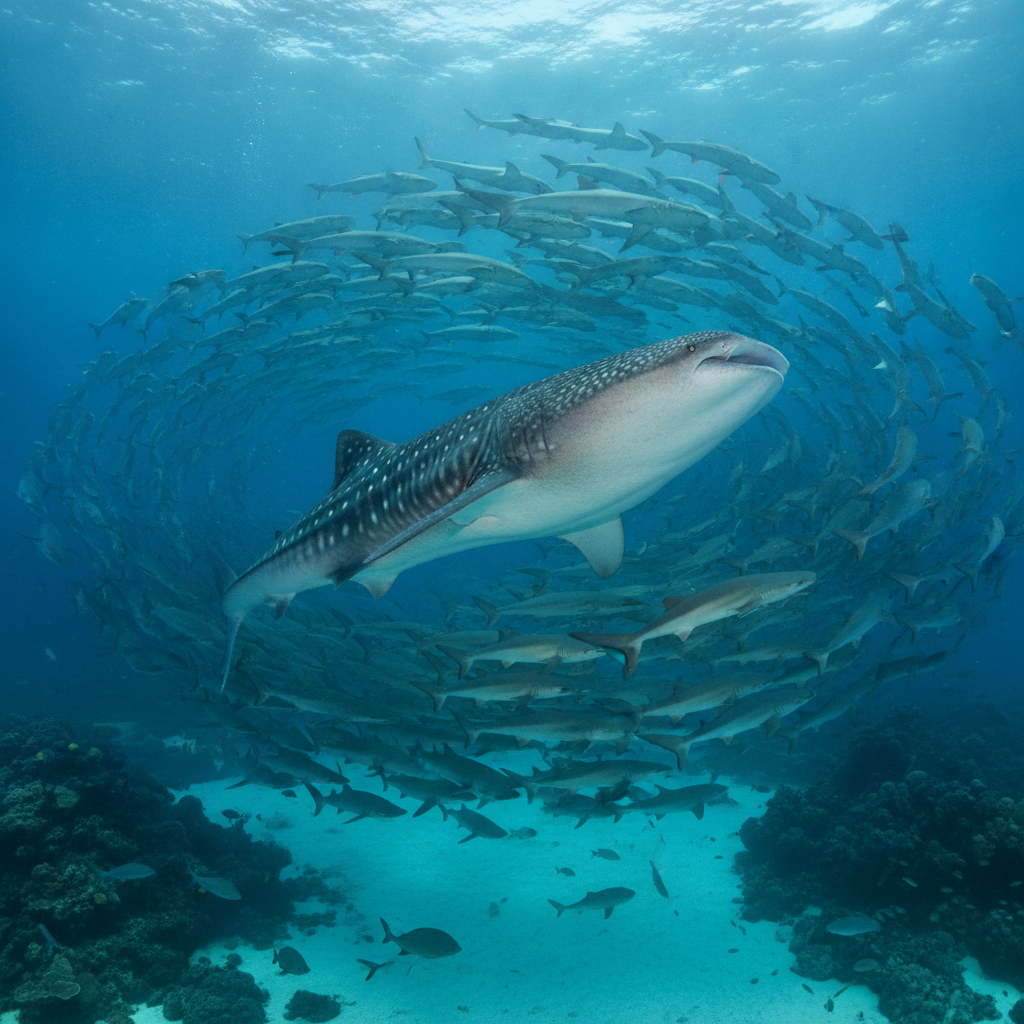
Galapagos Diving and Snorkeling: Shark Aggregations and Underwater Wildlife
The waters of the Galapagos Marine Reserve are among the most biodiverse in the world, combining the cold nutrient-rich upwelling currents with equatorial warmth to create conditions that support exceptional concentrations of large marine animals. Snorkeling at virtually any visitor site provides encounters with sea turtles, rays, sea lions, and tropical fish. The advanced dive sites at Darwin and Wolf islands in the far north are considered among the top five dive sites on earth, with regular sightings of whale sharks from June through November and schools of hundreds of hammerhead sharks year-round. This route covers both the accessible snorkeling experiences and the serious diving logistics for visiting the northern dive-only sites.
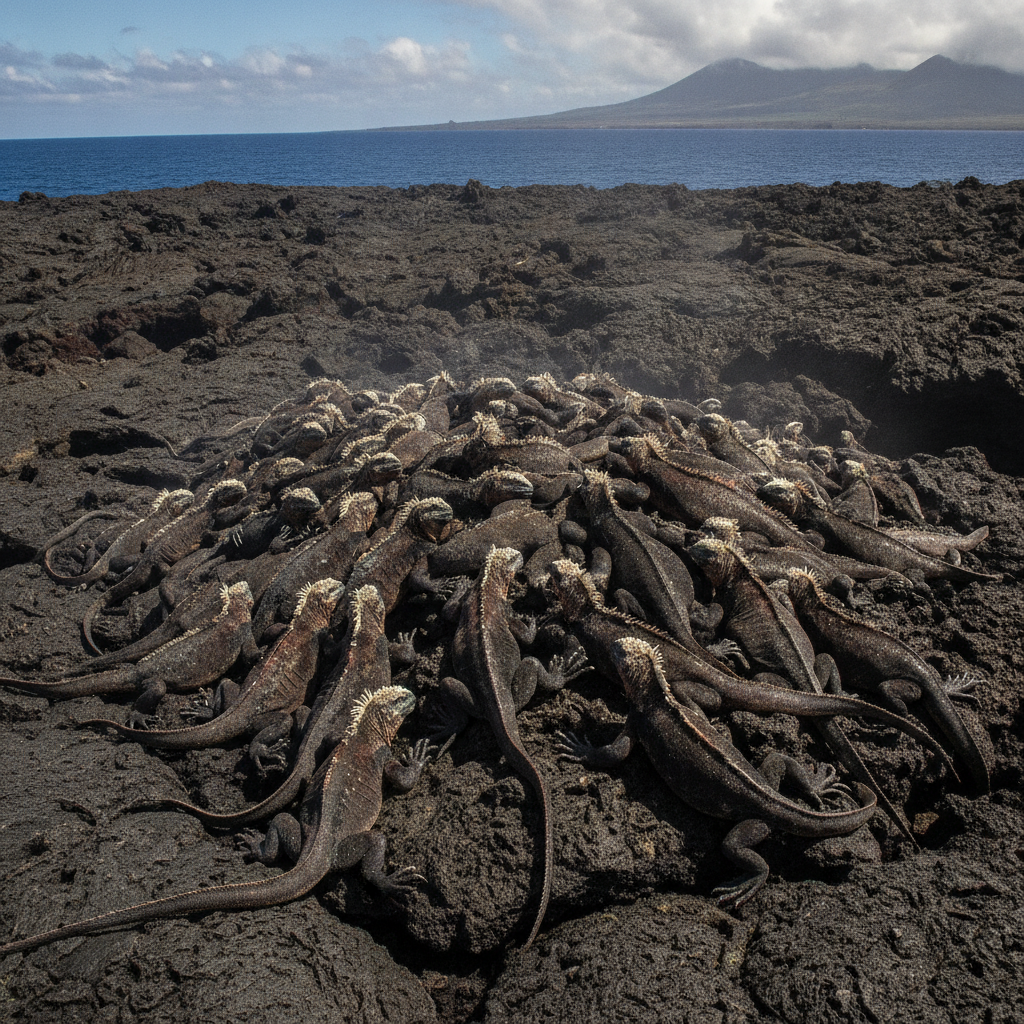
Galapagos Reptiles: Marine Iguanas, Land Iguanas, and Lava Lizards
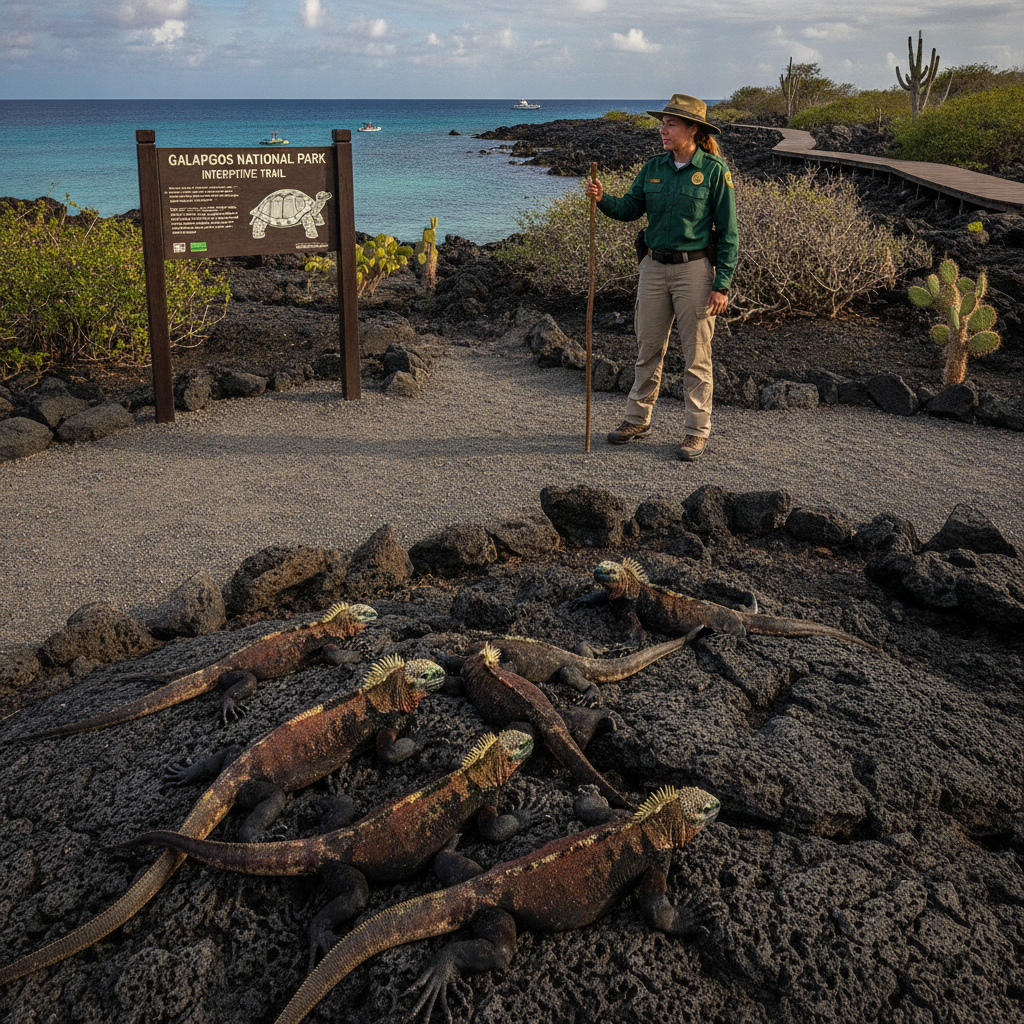
The reptiles of the Galapagos are the most visually distinctive animals of the archipelago and among the most ancient-looking creatures on earth. Three groups dominate the reptile fauna: marine iguanas, land iguanas, and the seven species of lava lizards distributed across different islands. The marine iguana, found only in the Galapagos, is the only sea-going lizard on earth and represents one of the most dramatic examples of adaptation to a novel ecological niche. The land iguanas, of which there are two species plus the hybrid population on South Plaza, are large yellow-orange herbivores that feed primarily on cactus pads. Together with the giant tortoises, the iguanas give the Galapagos its primordial, Jurassic character.
Galapagos Conservation: The Human Presence, Tourism Management, and Future Threats
The Galapagos faces an inherent tension between its extraordinary conservation value and the economic pressures of a human population of approximately 33,000 people living in the four inhabited towns, plus the 250,000 tourists visiting annually. The Galapagos National Park, created in 1959 and the oldest in Ecuador, manages 97 percent of the land area as strictly protected; the remaining 3 percent contains the human settlements. The UNESCO World Heritage and Biosphere Reserve designations added to the conservation framework. But introduced invasive species, climate change affecting ocean temperatures, illegal fishing within the marine reserve, and the management of tourism itself represent ongoing challenges to the integrity of the ecosystem.
Galapagos Islands: Evolution Laboratory and the Most Fearless Wildlife on Earth
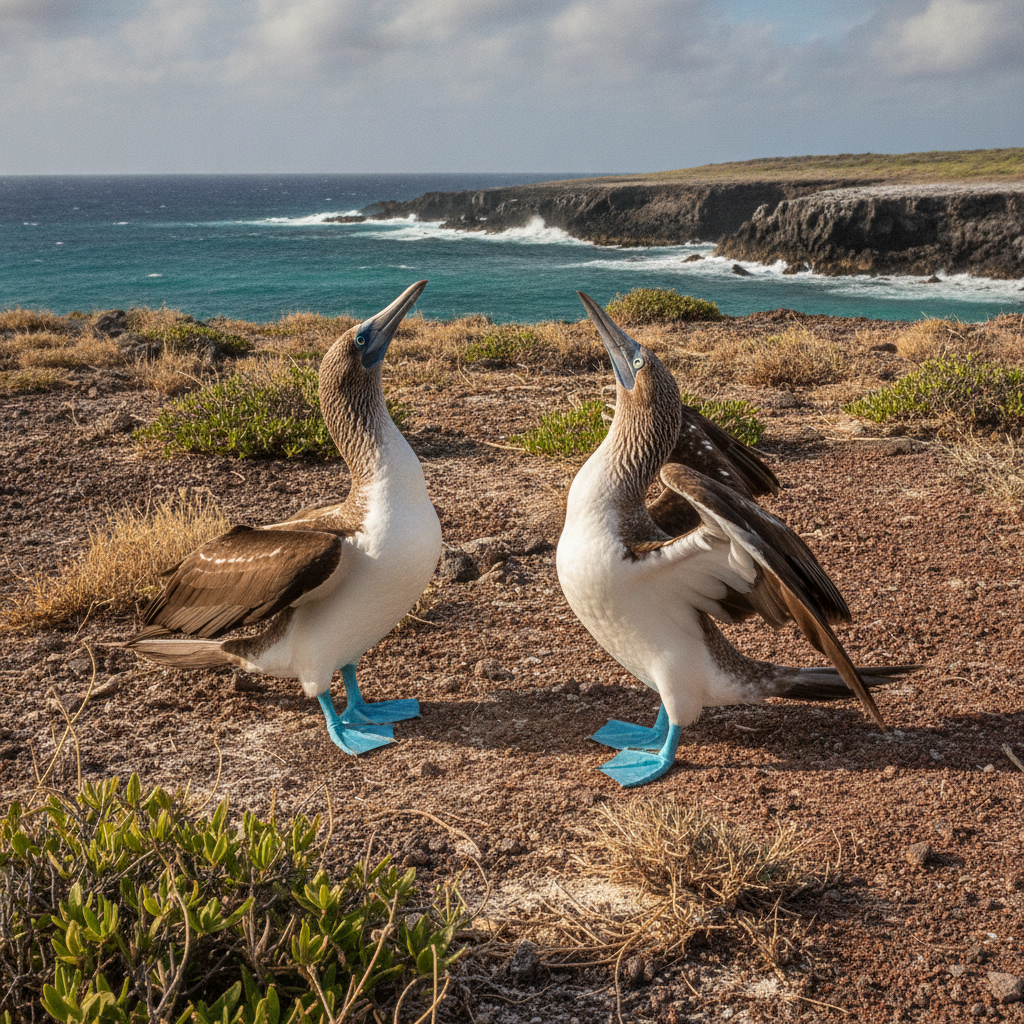
The Galapagos Islands, a volcanic archipelago straddling the equator 1,000 kilometers west of mainland Ecuador, host the most fearless wildlife on earth. Animals that evolved in the absence of terrestrial predators have no instinctive fear of humans, allowing approach to within arm reach of sea lions, marine iguanas, blue-footed boobies, and giant tortoises. Charles Darwin visited in 1835 and the observations he made here contributed directly to his development of the theory of natural selection. The 18 main islands, formed by the Galapagos hotspot still active today, are managed as a national park covering 97 percent of the land area and a marine reserve of 133,000 square kilometers. This route covers the foundational natural history and the essential wildlife encounters of the archipelago.
Galapagos Birds: Boobies, Finches, Frigatebirds, and the Flightless Cormorant
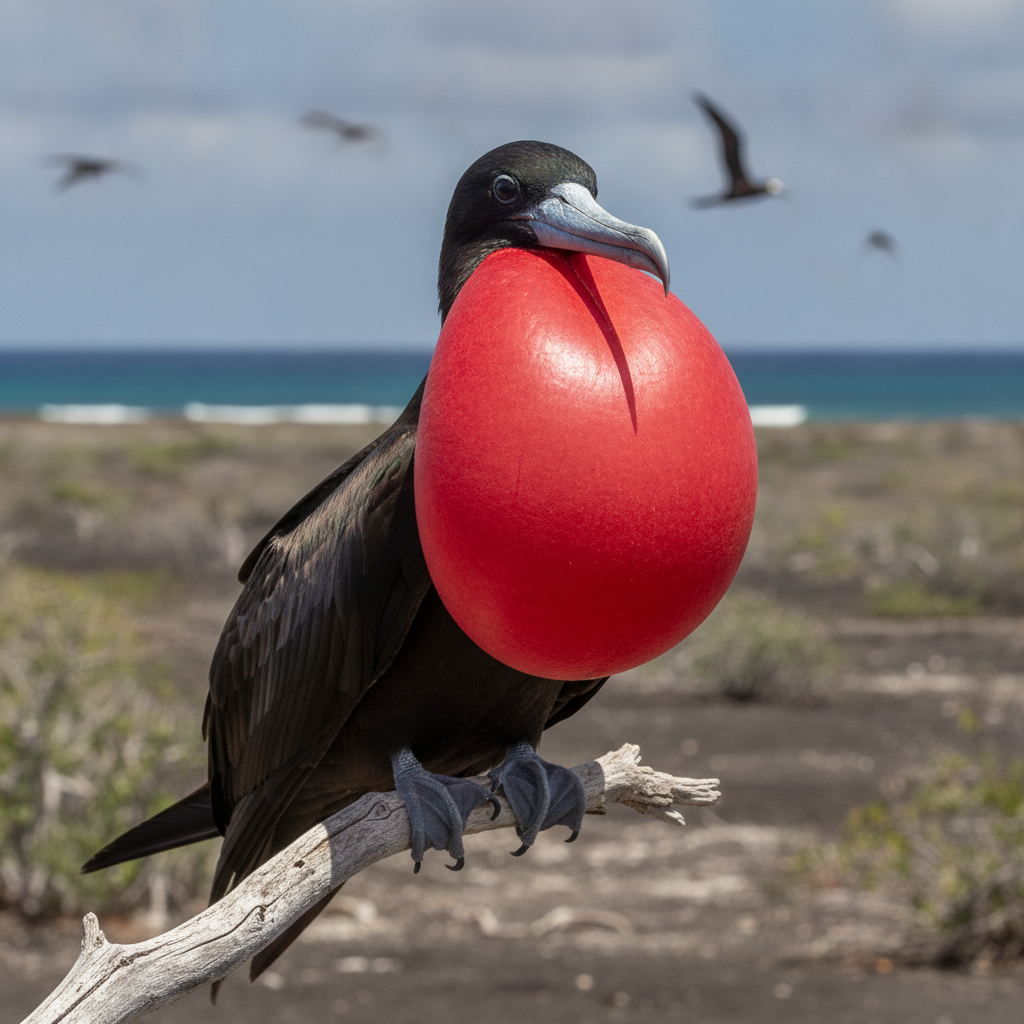
The bird life of the Galapagos is the most accessible and scientifically significant in the world. Of the approximately 60 resident bird species, 27 are endemic, found nowhere else on earth. The famous Darwin finches, 13 species that radiated from a single founding ancestor, remain the textbook example of adaptive radiation. The tame behavior of all Galapagos birds, which evolved in the absence of terrestrial predators, allows observation at distances measured in centimeters. Nesting colonies of blue-footed boobies, magnificent frigatebirds, waved albatrosses, and red-footed boobies are accessible from marked trails where birds sit beside the path ignoring human observers. This route covers the key bird species and the islands where each is most reliably encountered.
Galapagos Practical Guide: Cruise vs Land-Based, Costs, and Which Islands to Visit
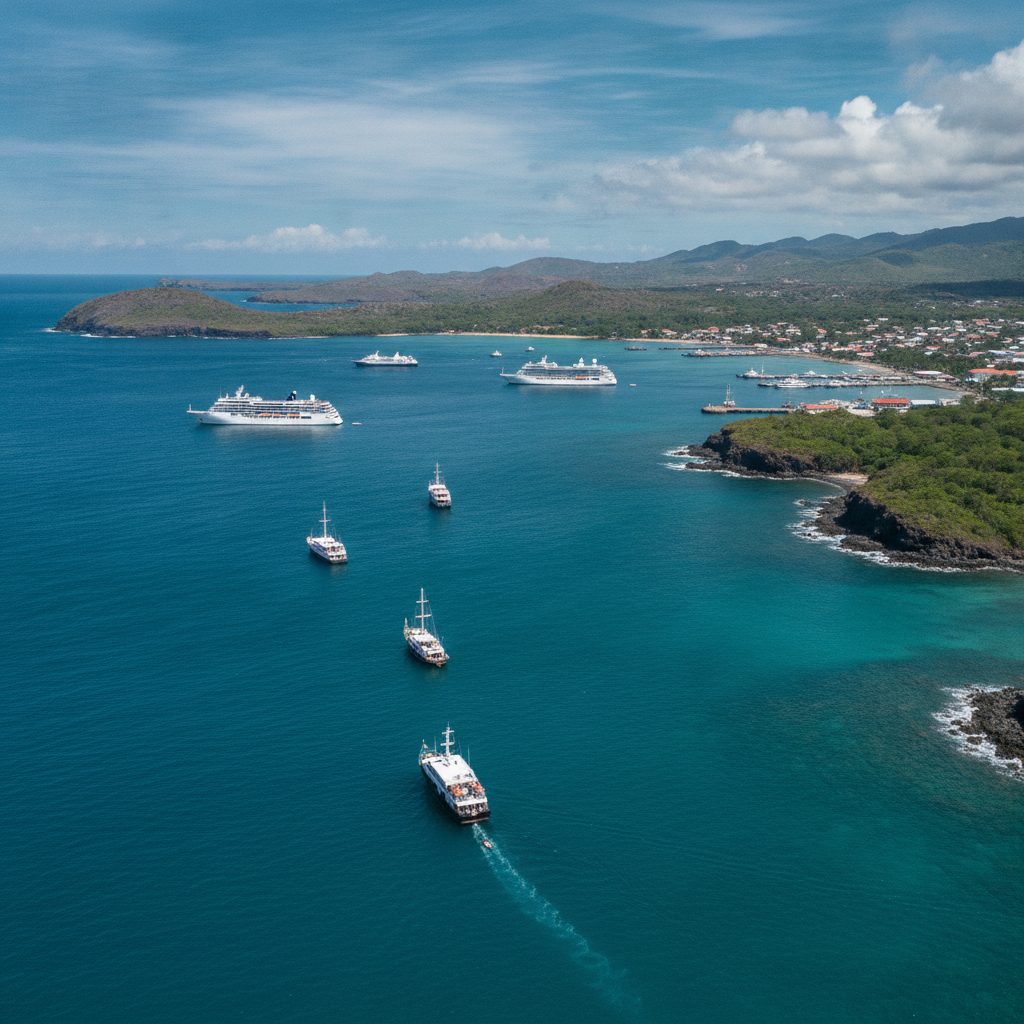
Planning a Galapagos trip involves more decisions than almost any other travel destination of comparable size. The fundamental question of cruise versus land-based touring determines budget, which islands are accessible, and the character of the experience. The time of year affects which species are most active. The duration from four days to three weeks determines how much of the archipelago is reachable. This route consolidates the practical planning information needed to make confident decisions before booking.