seville
Entdecke Routen, Sehenswürdigkeiten und Reiseführer in Seville.
9 Routen
Guadalquivir-Fluss, Torre del Oro & Sevillas Flussufer
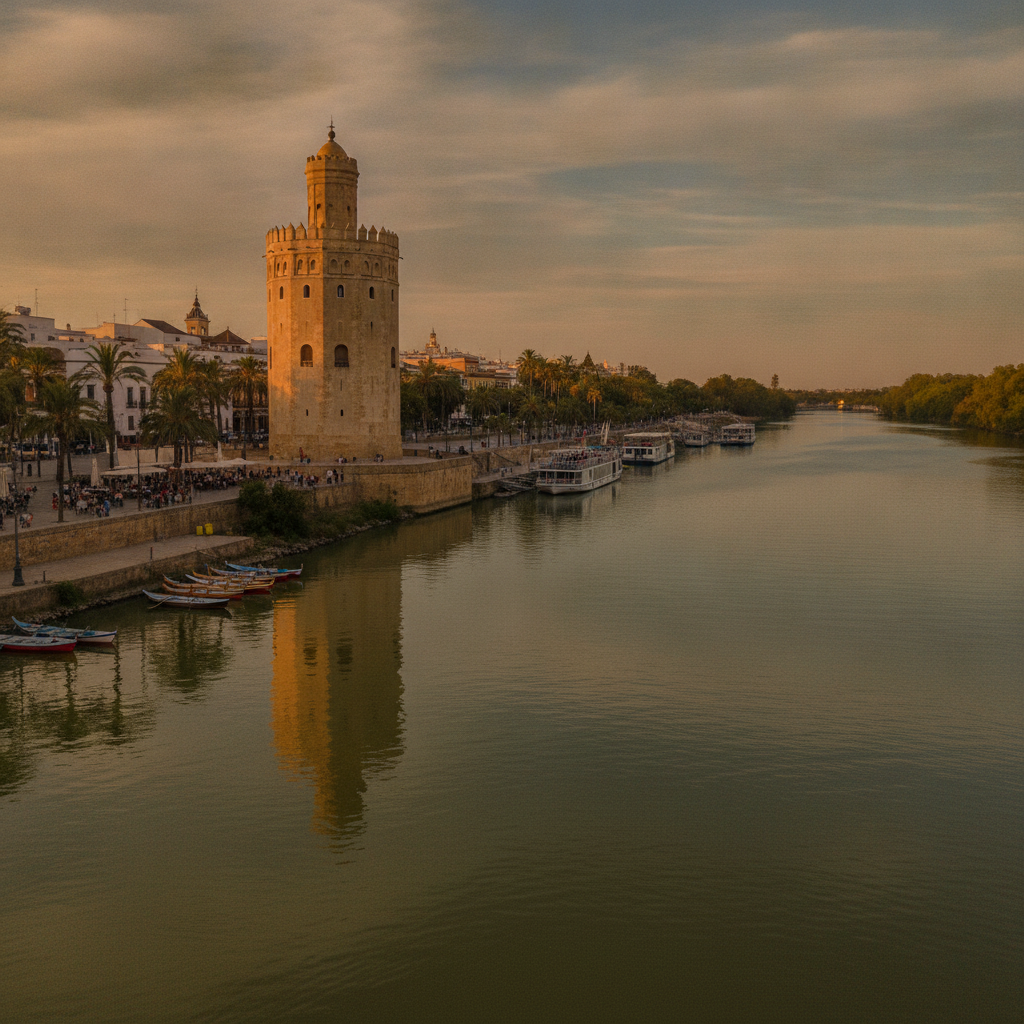
The Torre del Oro (the 'Golden Tower' — the 13th-century Almohad watchtower on the bank of the Guadalquivir River, built c.1220 as part of the defensive wall of Almohad Seville) and the Paseo de Colón (the riverside promenade along the Guadalquivir — the promenade from which Columbus set sail for the Americas in 1492) are the defining landmarks of Seville's historic waterfront.
Calle Sierpes, Mantillas & Sevillas Einkaufstraditionen
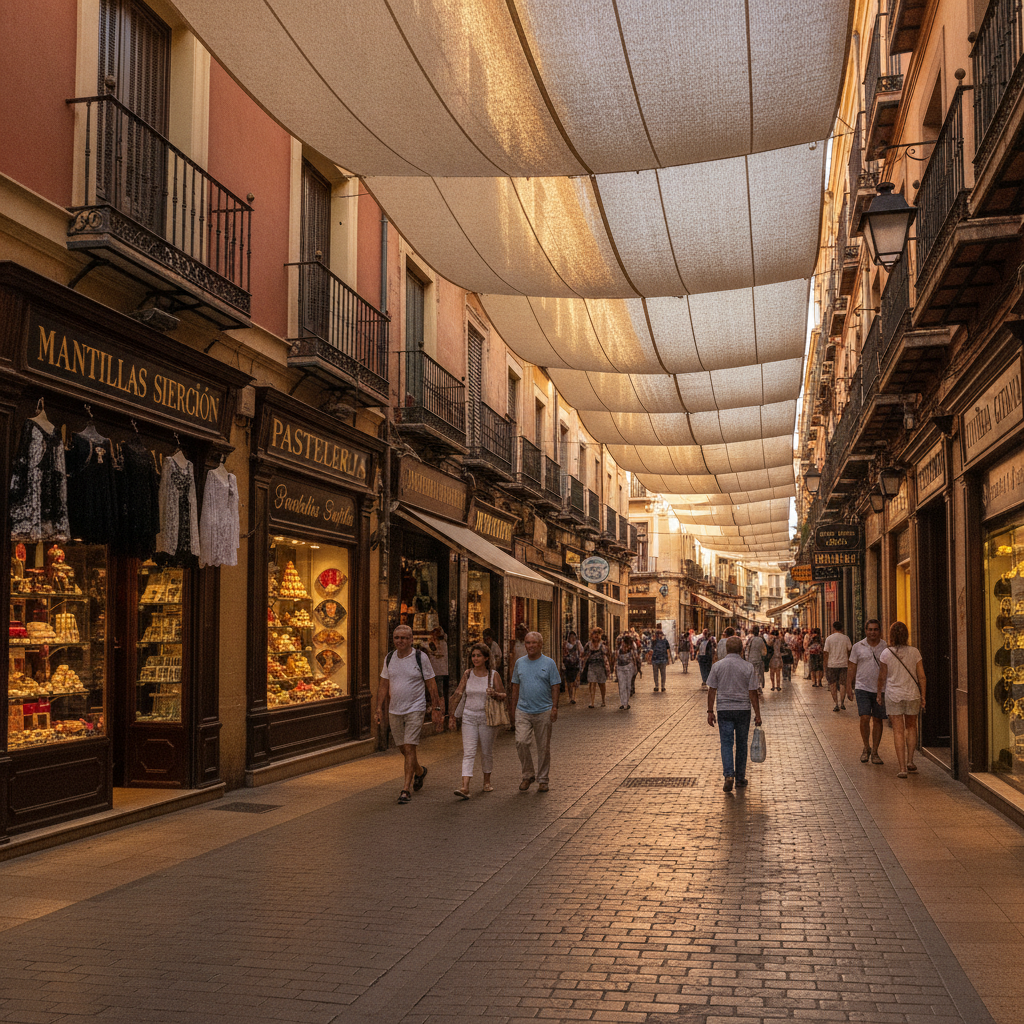
Die Calle Sierpes (die 'Schlangengasse' — die wichtigste Fußgänger-Einkaufsstraße Sevillas) und die angrenzenden Straßen bilden das Fußgänger-Einkaufsherz des Sevillaner Zentrums, wo man die traditionellen Sevillaner Handwerke und Mode findet: die Mantillas, die Fächer, die Flamenco-Kleider und die Klosterkonfekte.
La Macarena, La Alameda & Sevillas Arbeiterseele
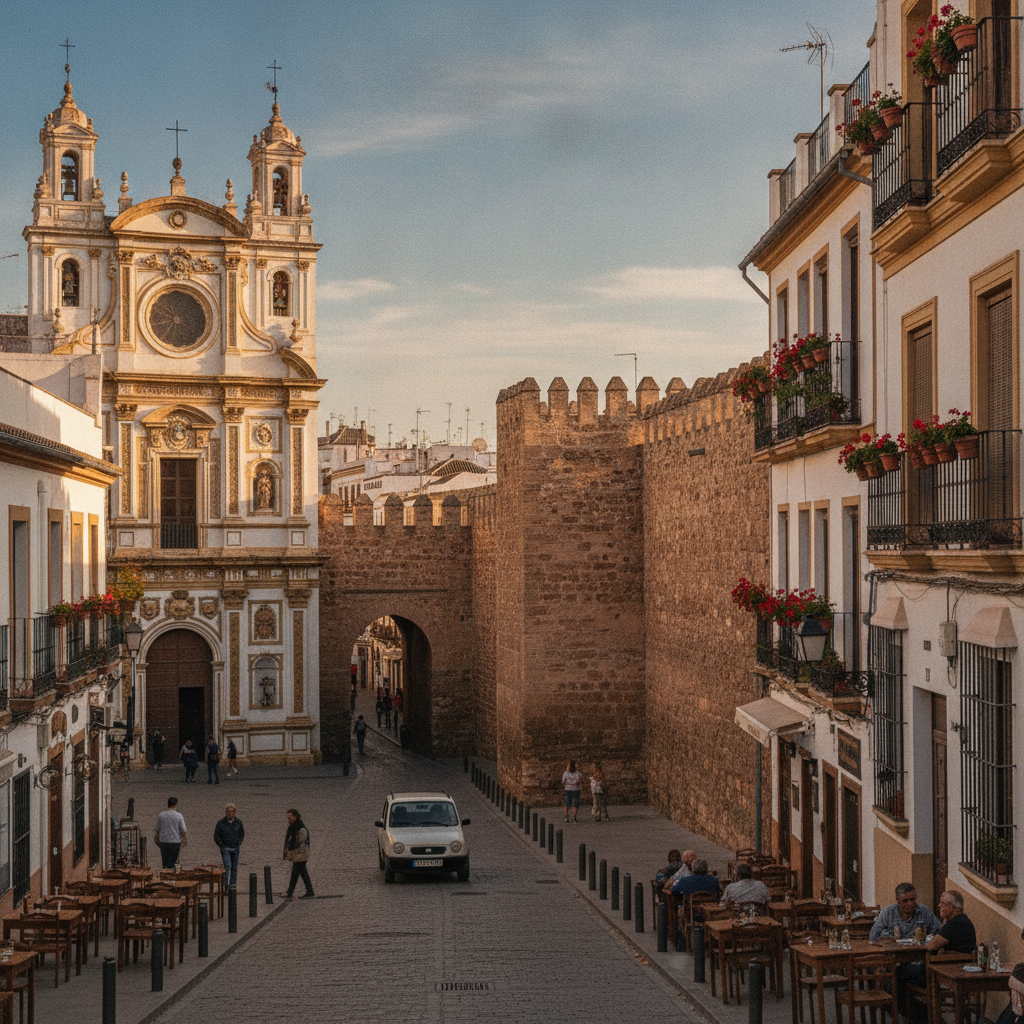
La Macarena (the working-class neighbourhood north of the historic centre — the neighbourhood of the Basílica de la Macarena (the church of the most beloved Virgin in Seville), the surviving section of the Almohad city walls, and the neighbourhood that is the spiritual home of the most devoted Semana Santa following in Seville) and La Alameda de Hércules (the oldest public promenade in Europe, the bohemian heart of modern Seville) together reveal the authentic, non-touristic soul of the city.
Exposition von 1929, Parkarchitektur & Sevillas Modernistisches Erbe
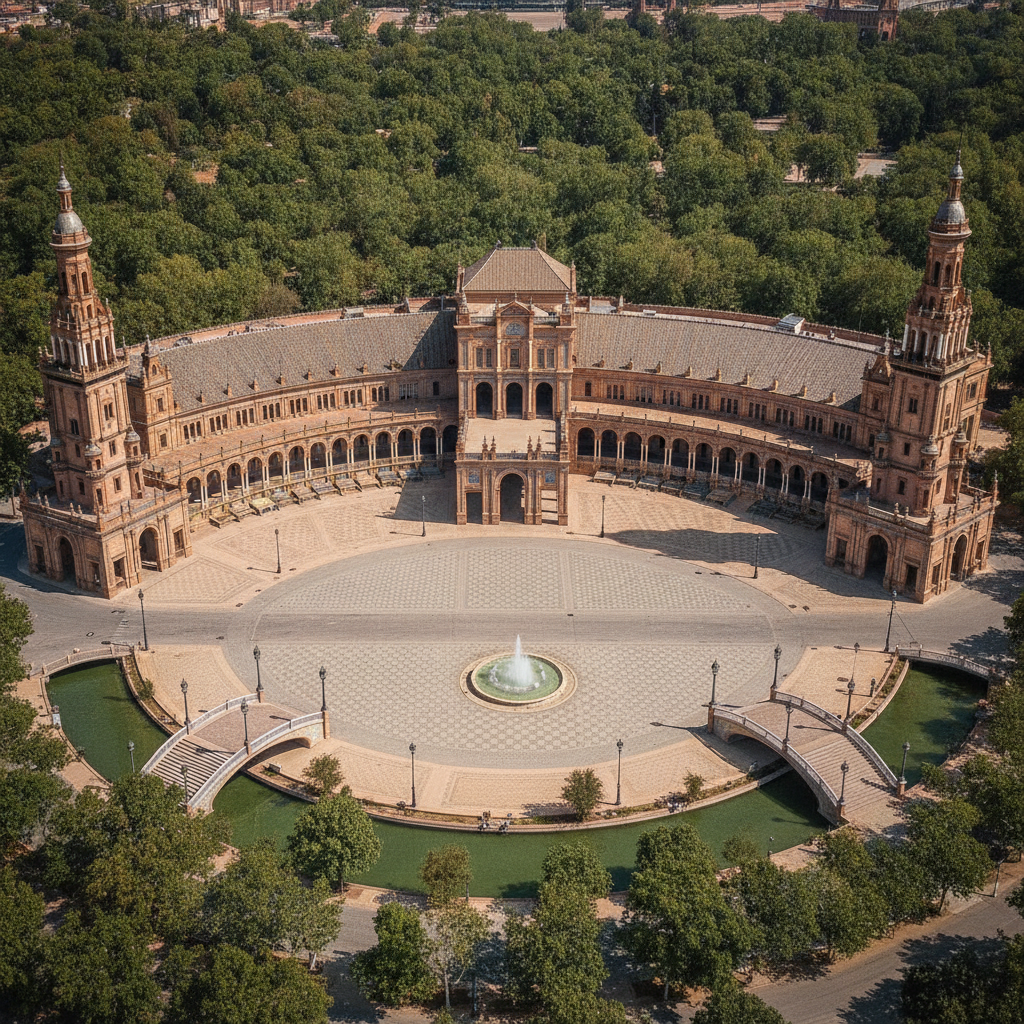
The 1929 Ibero-American Exposition (the 'Exposición Iberoamericana de Sevilla 1929' — the world exposition held in Seville from May to December 1929) left a permanent legacy of monumental buildings (the Plaza de España, the national pavilions of the Latin American countries, and the María Luisa Park redesign) that constitute the most impressive ensemble of early 20th-century civic architecture in Spain.
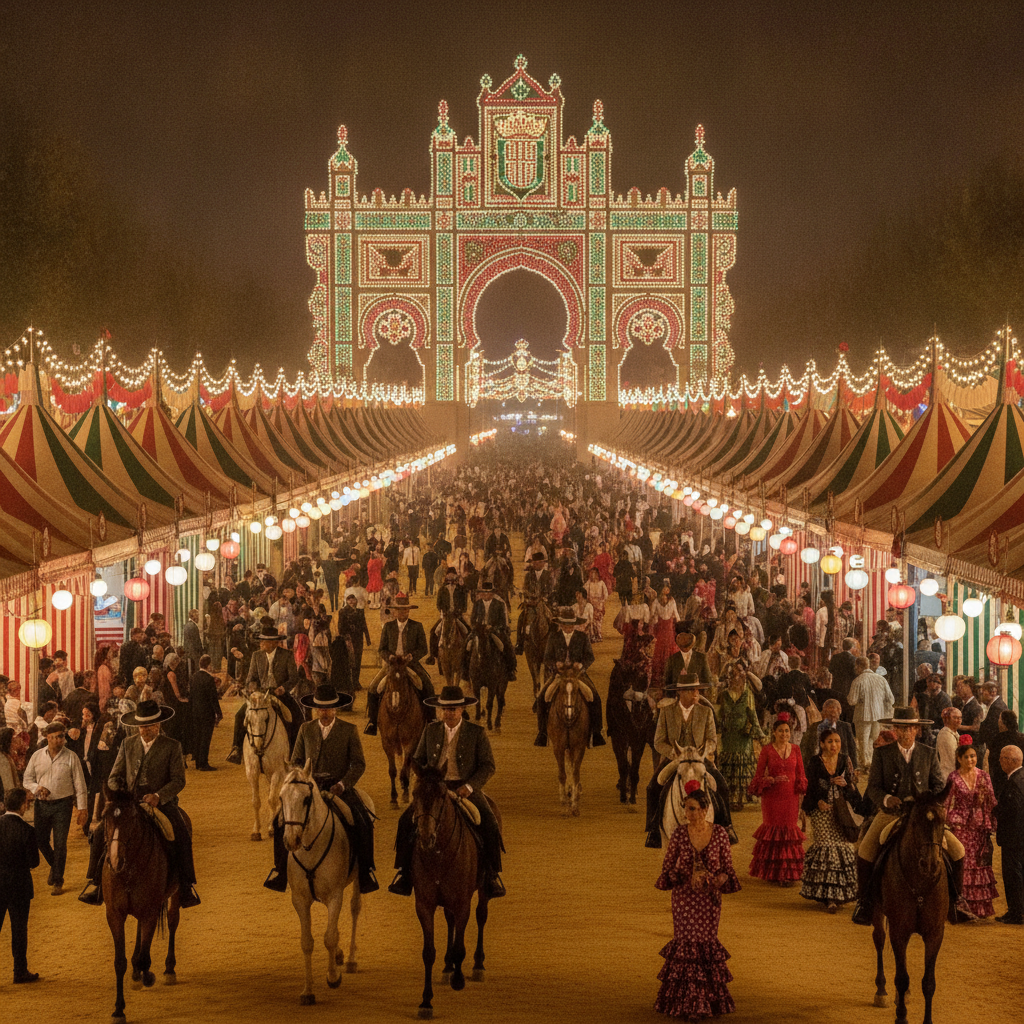
Feria de Abril, Semana Santa & Sevillas Große Festivals
Die Feria de Abril (die einwöchige Frühjahrsmesse im Viertel Los Remedios) und die Semana Santa (die Osterumzüge der Sevillaner Cofradías — das aufwändigste und emotional kraftvollste religiöse Spektakel Spaniens) sind die beiden höchsten Ausdrucksformen von Sevillas einzigartiger Festtagsidentität.
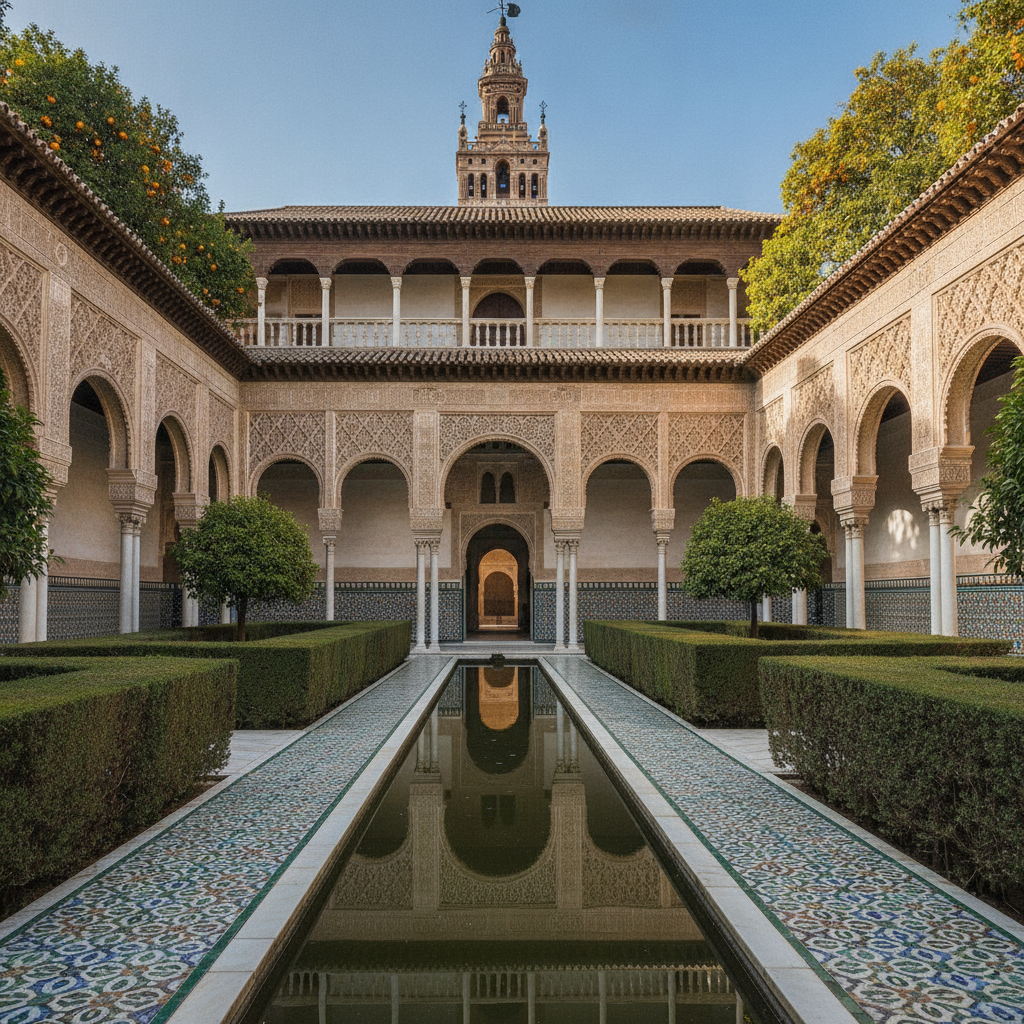
Real Alcázar, Kathedrale von Sevilla & der Giralda-Turm
Sevillas UNESCO-Welterbestätte (ausgewiesen 1987): der Alcázar (der Königspalast von Sevilla — die feinste Mudéjar-Architektur Spaniens), die Kathedrale (die größte gotische Kathedrale der Welt) und die Giralda (das almohادische Minarett aus dem 12. Jahrhundert) — zusammen der höchste Ausdruck von Sevillas islamischem und christlichem Erbe.
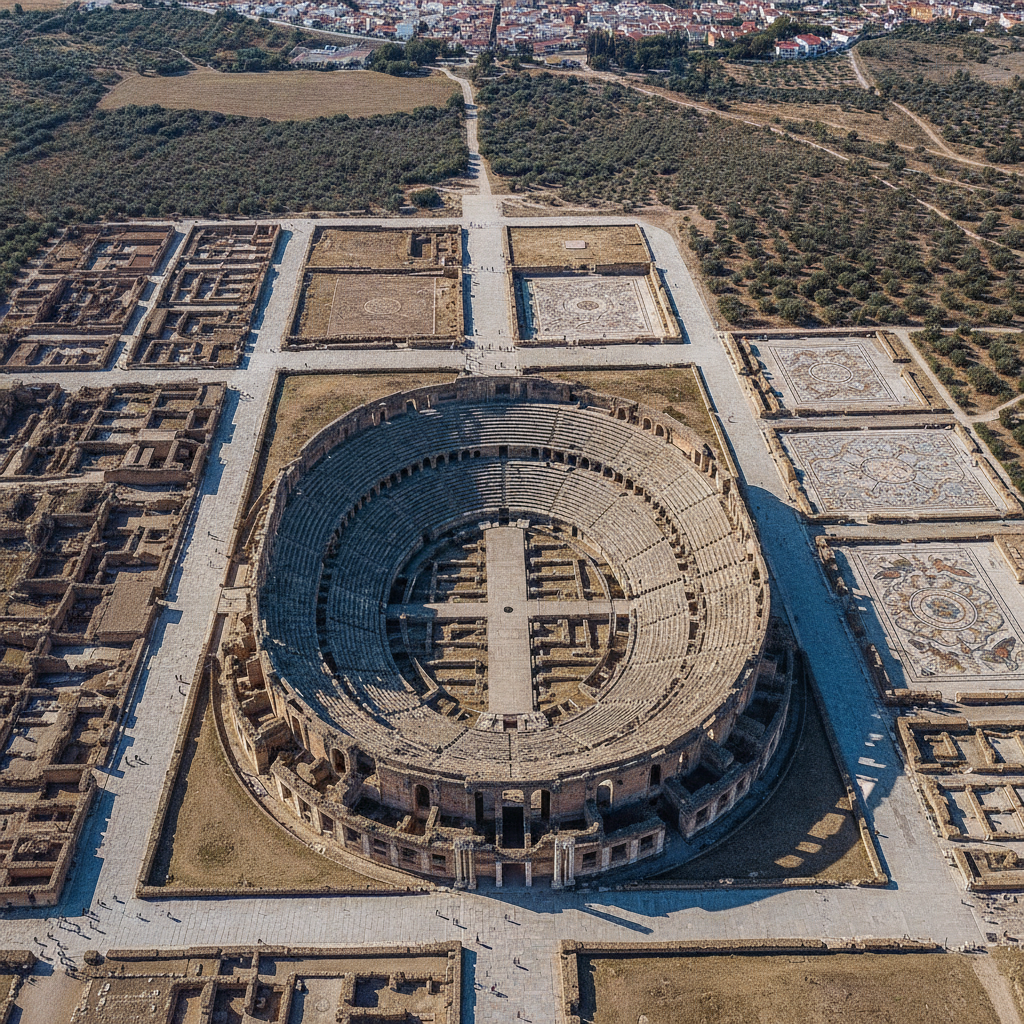
Römische Ruinen von Italica & die Ursprünge von Sevilla
Itálica (the Roman city immediately north of Seville, in the modern municipality of Santiponce — founded in 206 BCE by the Roman general Scipio Africanus (the general who defeated Hannibal at the Battle of Zama in 202 BCE) as the first Roman city in Hispania, the birthplace of the emperors Trajan (53-117 CE) and Hadrian (76-138 CE)) is the most important Roman archaeological site in Andalusia and one of the most significant Roman sites in the Iberian Peninsula.
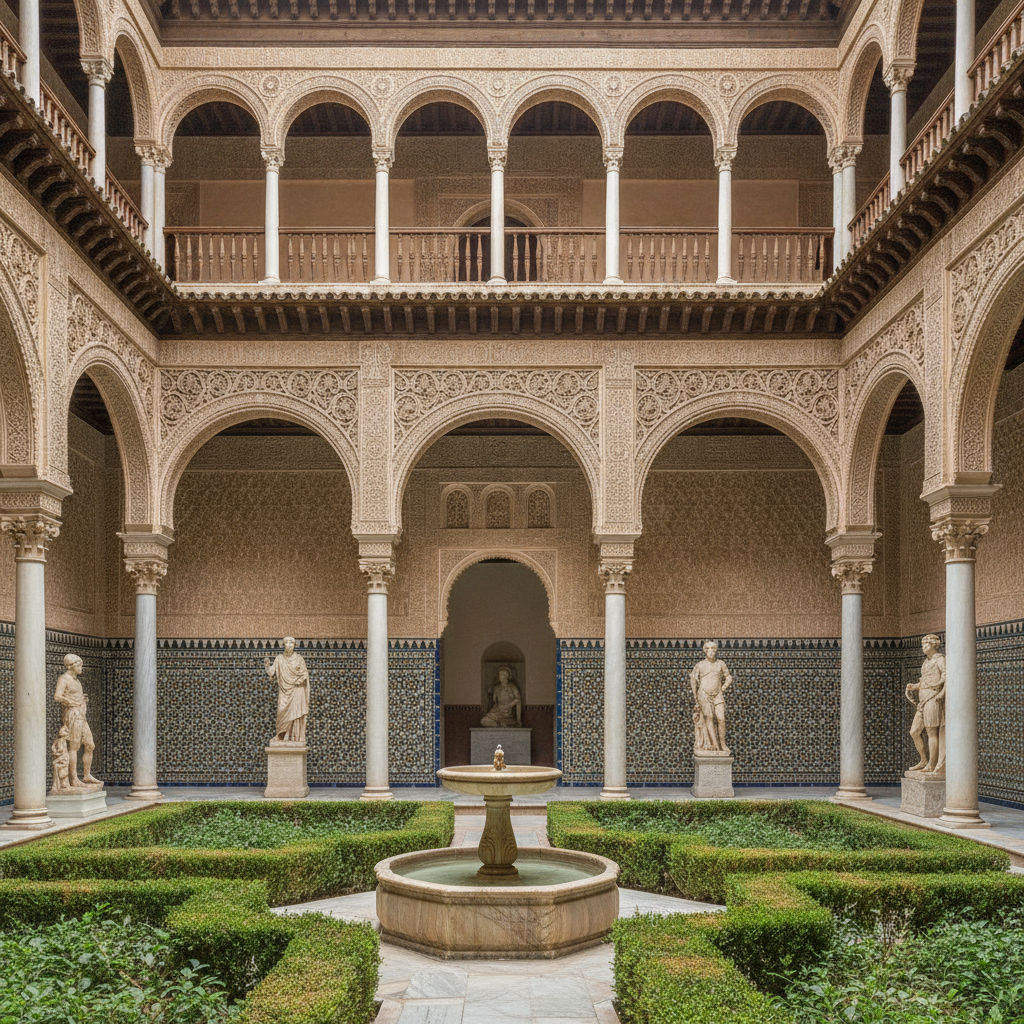
Casa de Pilatos, Mudéjar-Paläste & Sevillas Adelsheritage
The Casa de Pilatos (the 'House of Pilate' — the 15th-16th century Mudéjar Renaissance palace of the Dukes of Medinaceli in the Santa Catalina neighbourhood of Seville, the finest private palace in Seville and the best-preserved example of the Mudéjar-Renaissance hybrid style that defined the architecture of 16th-century Seville) and the other noble palaces of the Seville historic centre reveal the extraordinary wealth and cultural ambition of the Sevillian aristocracy at the height of the Spanish Golden Age.
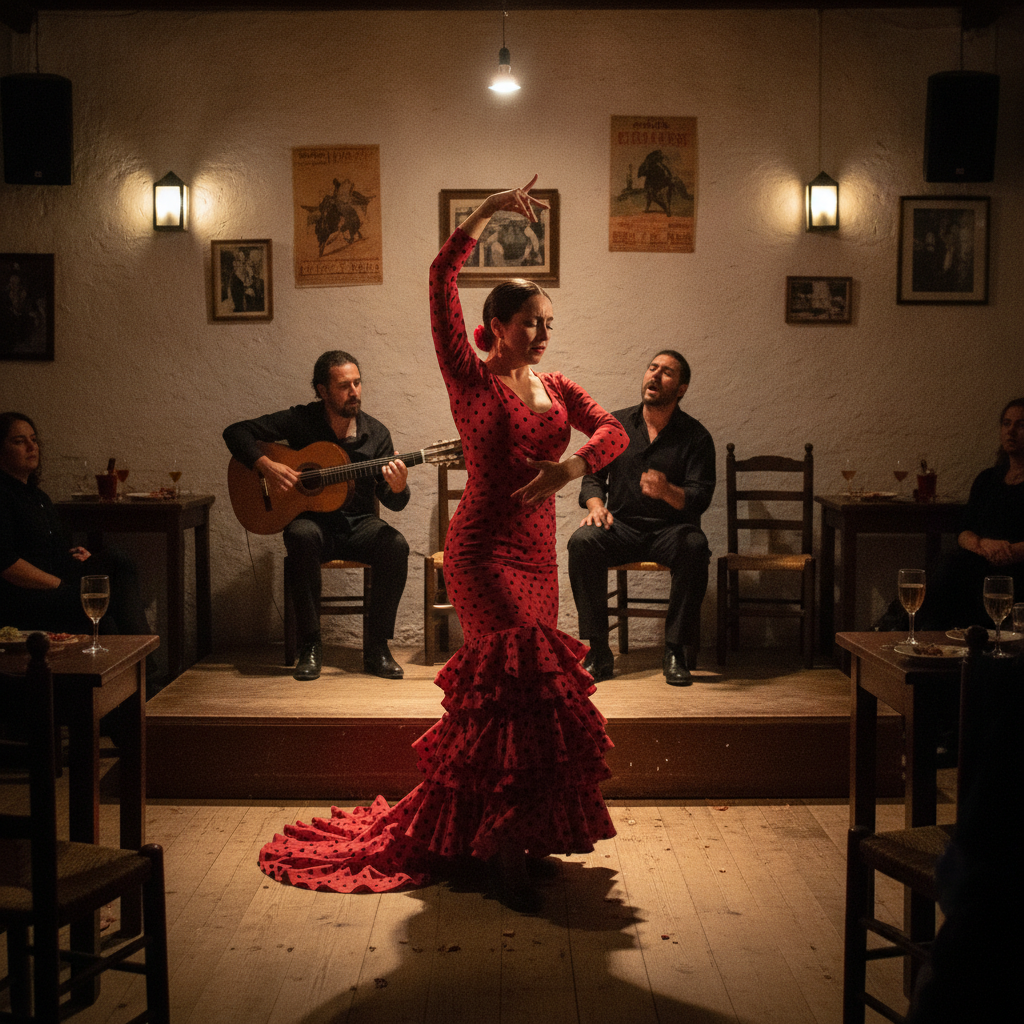
Flamenco, Tapas & die Andalusische Seele Sevillas
Flamenco (2010 von der UNESCO zum Immateriellen Kulturerbe der Menschheit erklärt — die Musik- und Tanztradition, die in den Gitano-Gemeinschaften Andalusiens geboren wurde) und die Tapas-Kultur der Sevillaner Tavernen bilden zusammen die lebendige Seele der andalusischen Kultur.