Guías de Ciudad
Rutas, artículos y listas curadas para ayudarte a descubrir lugares increíbles.
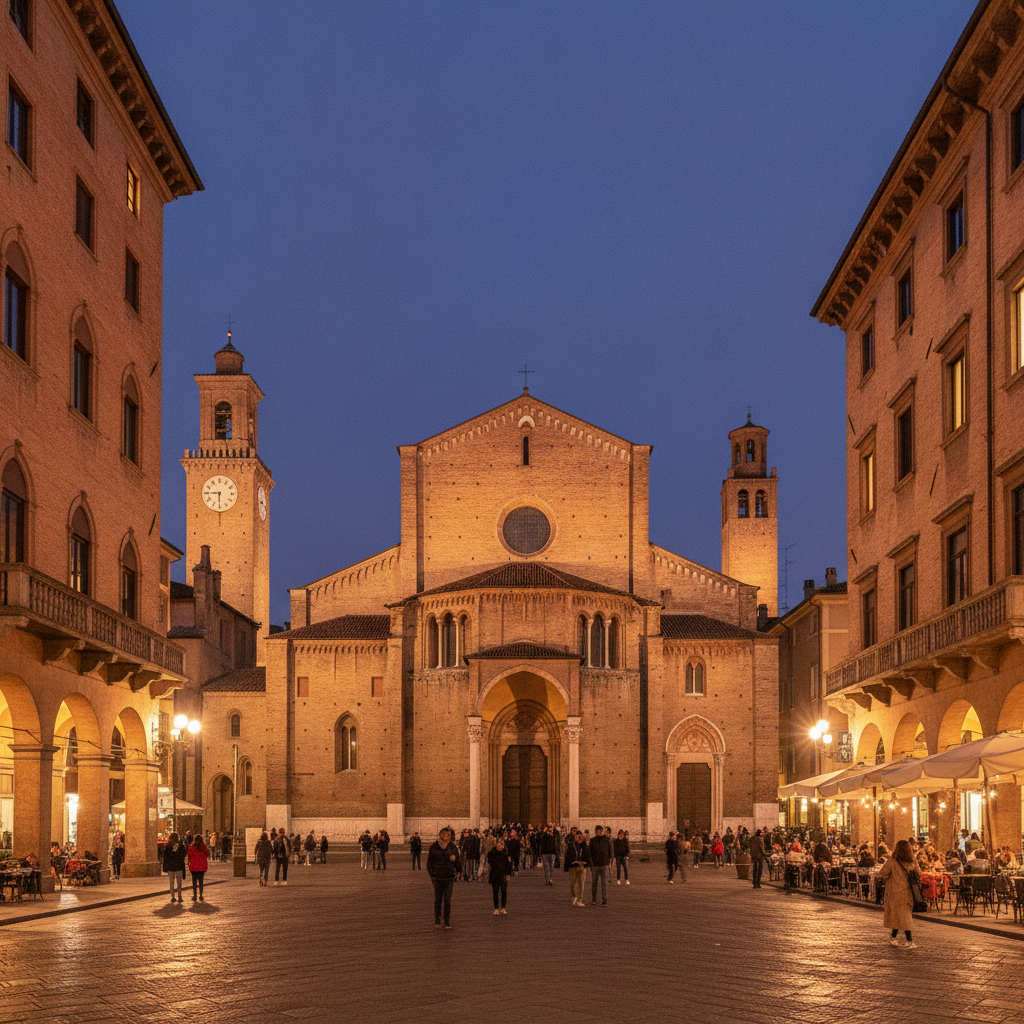
Basílica de Santo Stefano, Palacios Medievales y Bolonia de Noche
The Piazza Santo Stefano and the surrounding medieval quarter of Bologna — the most atmospheric corner of the city — at night transforms into the heart of the Bologna social life: the aperitivo hour ('aperitivo bolognese' — the pre-dinner drink culture of Bologna, the city's most convivial social ritual), the restaurants and the 'osterie' of the historic centre filling as the university students and the city residents settle in for the long Bolognese evening.
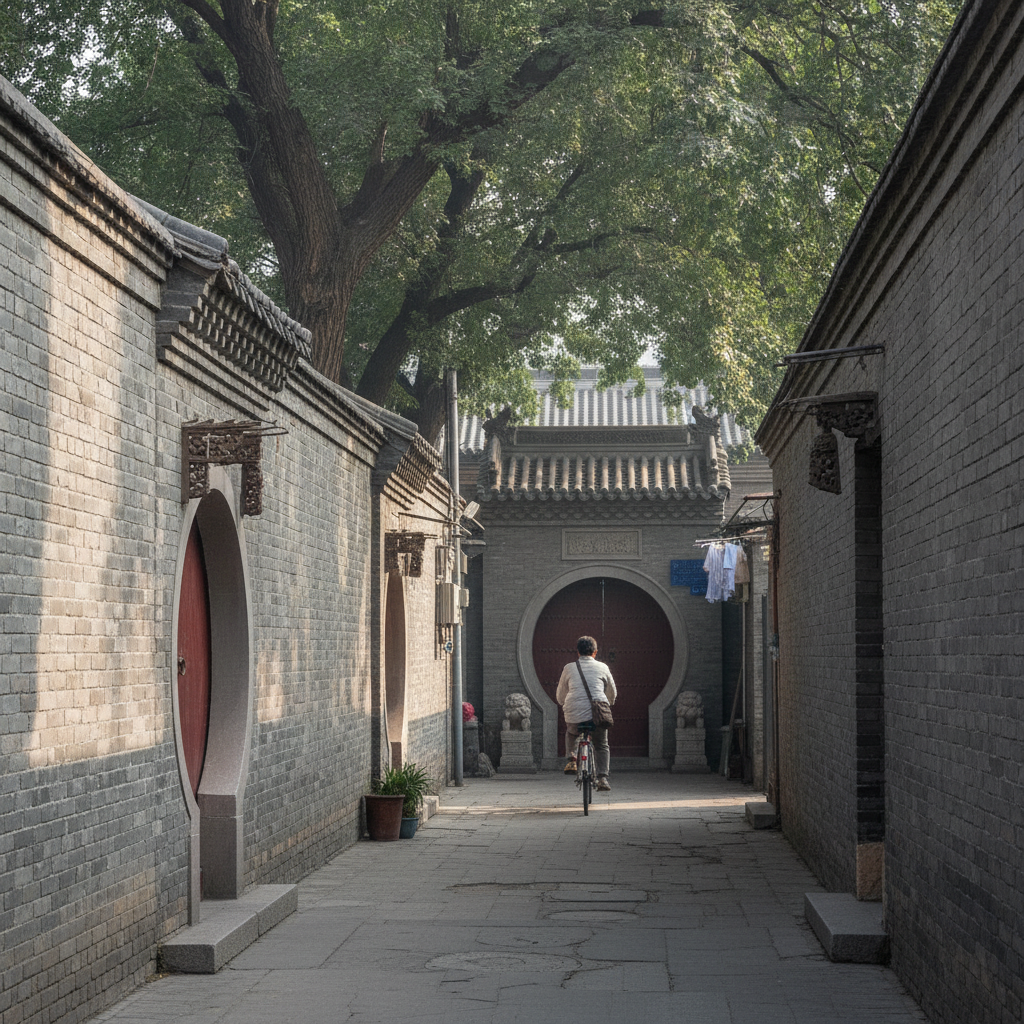
Hutong y Siheyuan — La Ciudad de los Patios de la Vieja Pekín
Los hutong (胡同 — los estrechos callejones del viejo Pekín, trazados en cuadrícula durante la dinastía Yuan (1271-1368)) y los siheyuan (四合院 — la casa de patio cerrada con edificios en los cuatro lados de un patio central) forman juntos el tejido urbano histórico del Pekín anterior a 1949.
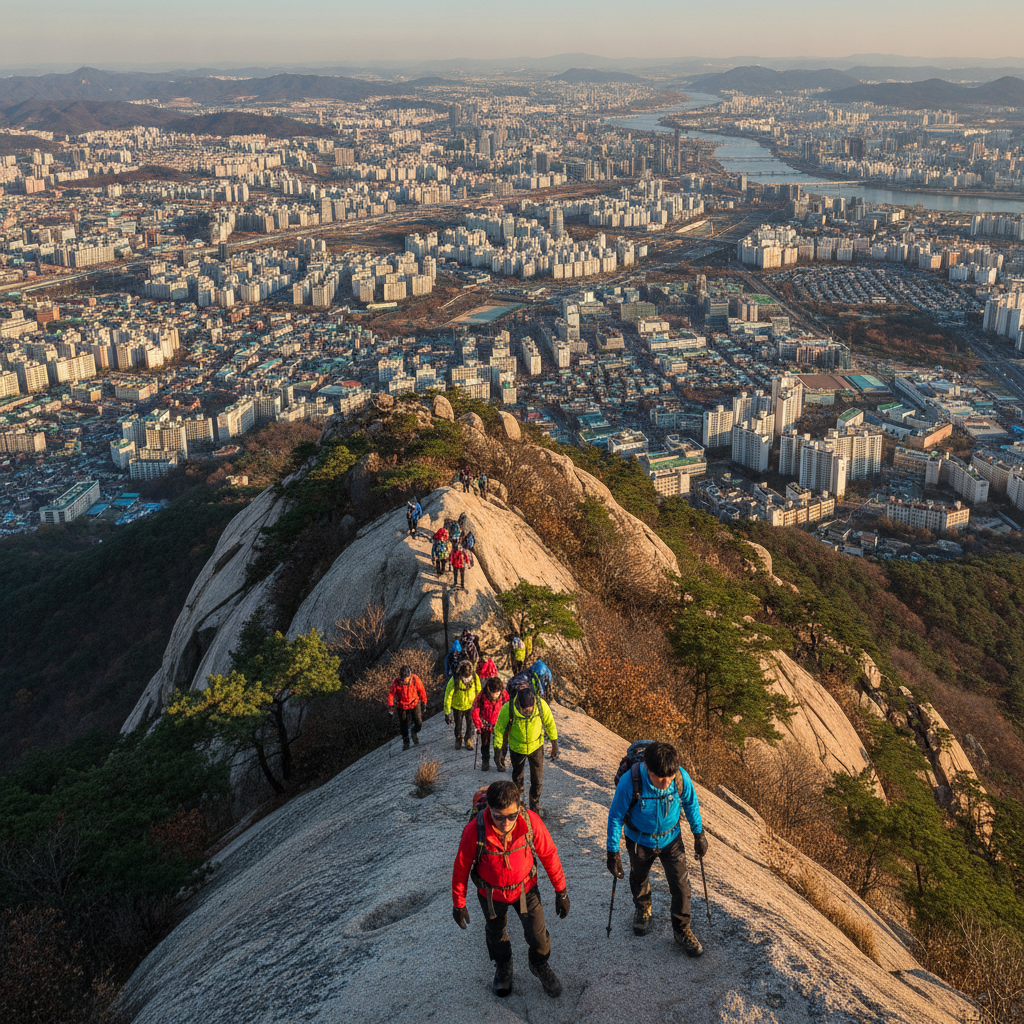
Parque Nacional Bukhansan — Picos de Granito y las Murallas de la Fortaleza de Seúl
Bukhansan National Park (북한산국립공원, 'north of the Han Mountain National Park' — the 80-square-kilometre national park in the northern outskirts of Seoul, encompassing the Bukhansan massif (the highest peak Baegundae 836 metres) and the Dobongsan massif (Jaunbong 740 metres) — is the most visited national park in the world per unit area, with over 5 million visitors annually accessing it directly from Seoul's subway system.
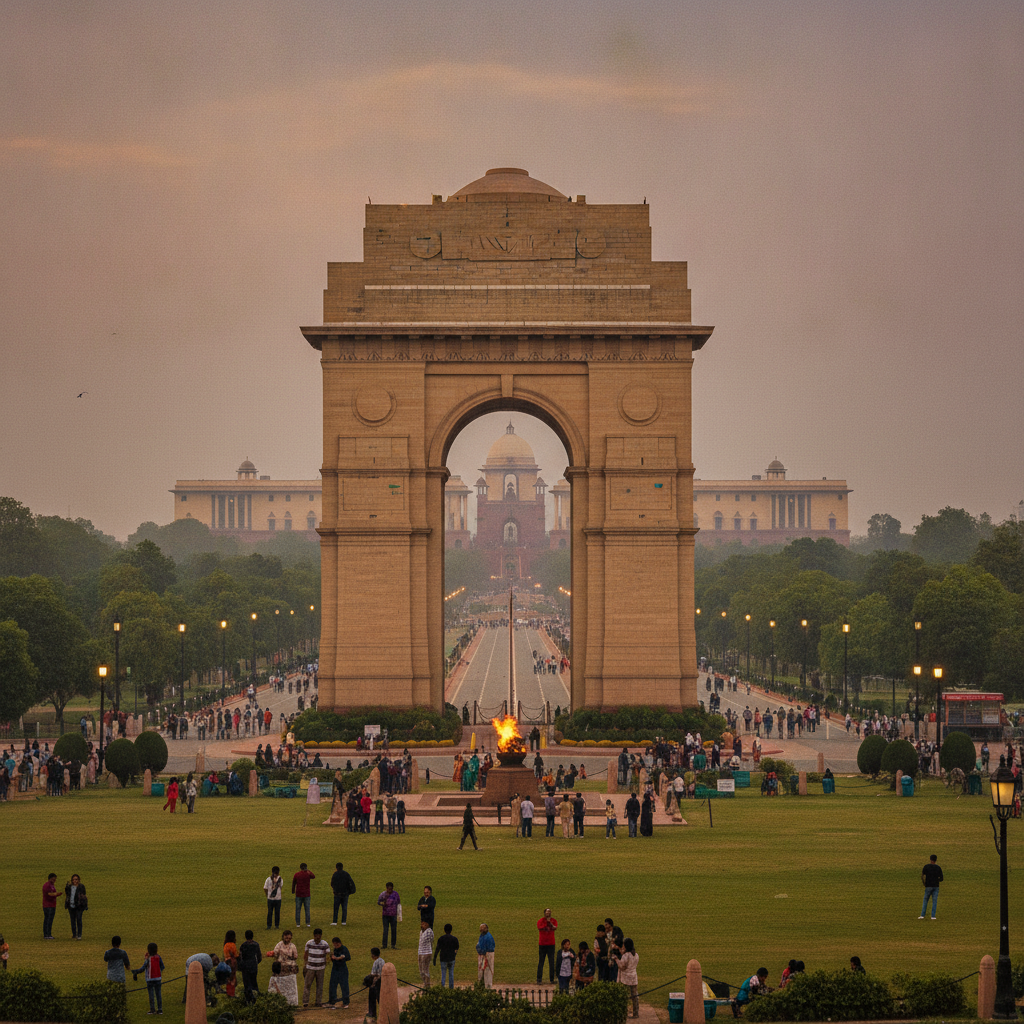
Puerta de la India, Rashtrapati Bhavan y el Nuevo Delhi de Lutyens
El Nuevo Delhi de Lutyens — la planificada capital colonial diseñada por Edwin Lutyens y Herbert Baker, construida entre 1911-1931 — centrada en el eje ceremonial de 3 km desde la Puerta de la India hasta Rashtrapati Bhavan, es uno de los grandes ejemplos de planificación urbana imperial del siglo XX.
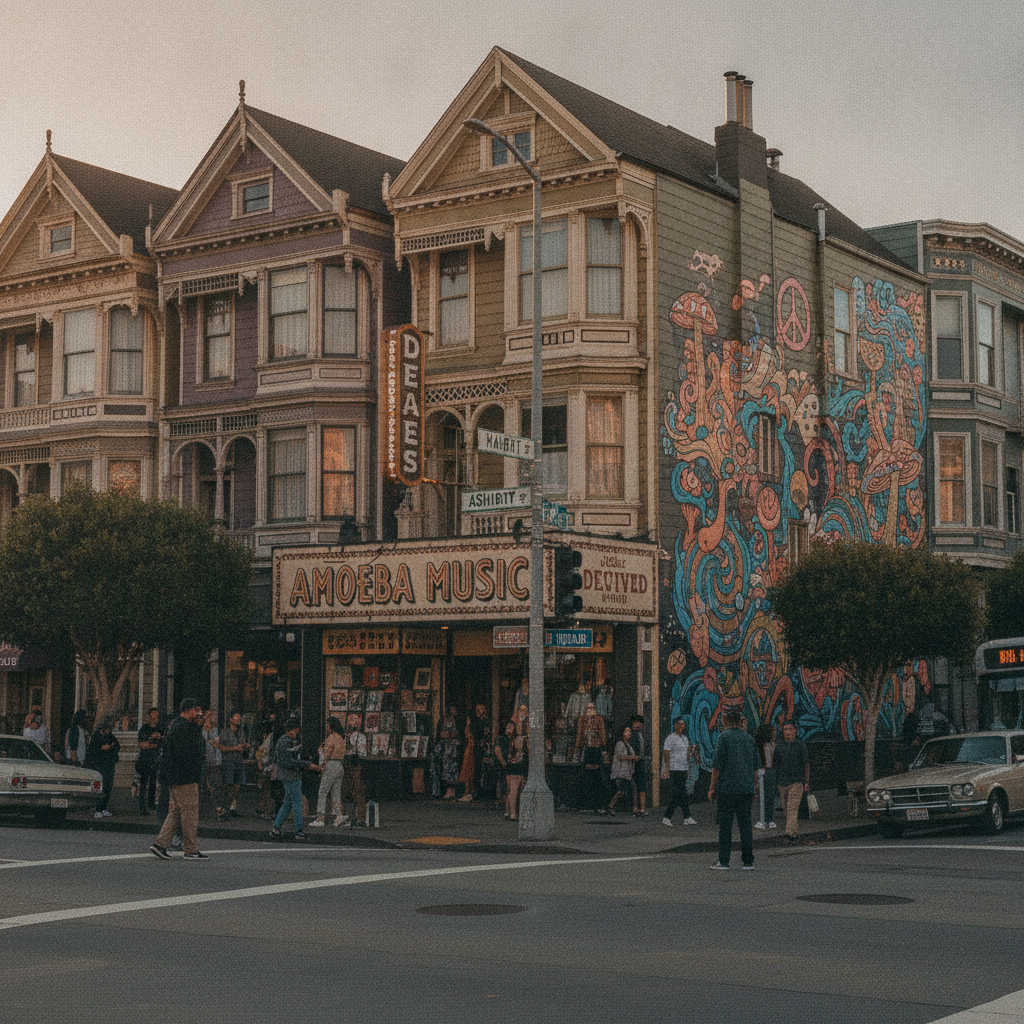
Haight-Ashbury, Golden Gate Park y el Legado de la Contracultura de los 60
The Haight-Ashbury neighbourhood — the Victorian residential district west of Buena Vista Park that became the epicentre of the 1967 Summer of Love and the psychedelic counterculture movement, and that today preserves more of the visual and commercial character of that era than any other neighbourhood in San Francisco — and the adjacent Golden Gate Park (the 3 miles by half-mile rectangular park that constitutes San Francisco's largest green space) are the twin anchors of western San Francisco's cultural and recreational landscape.
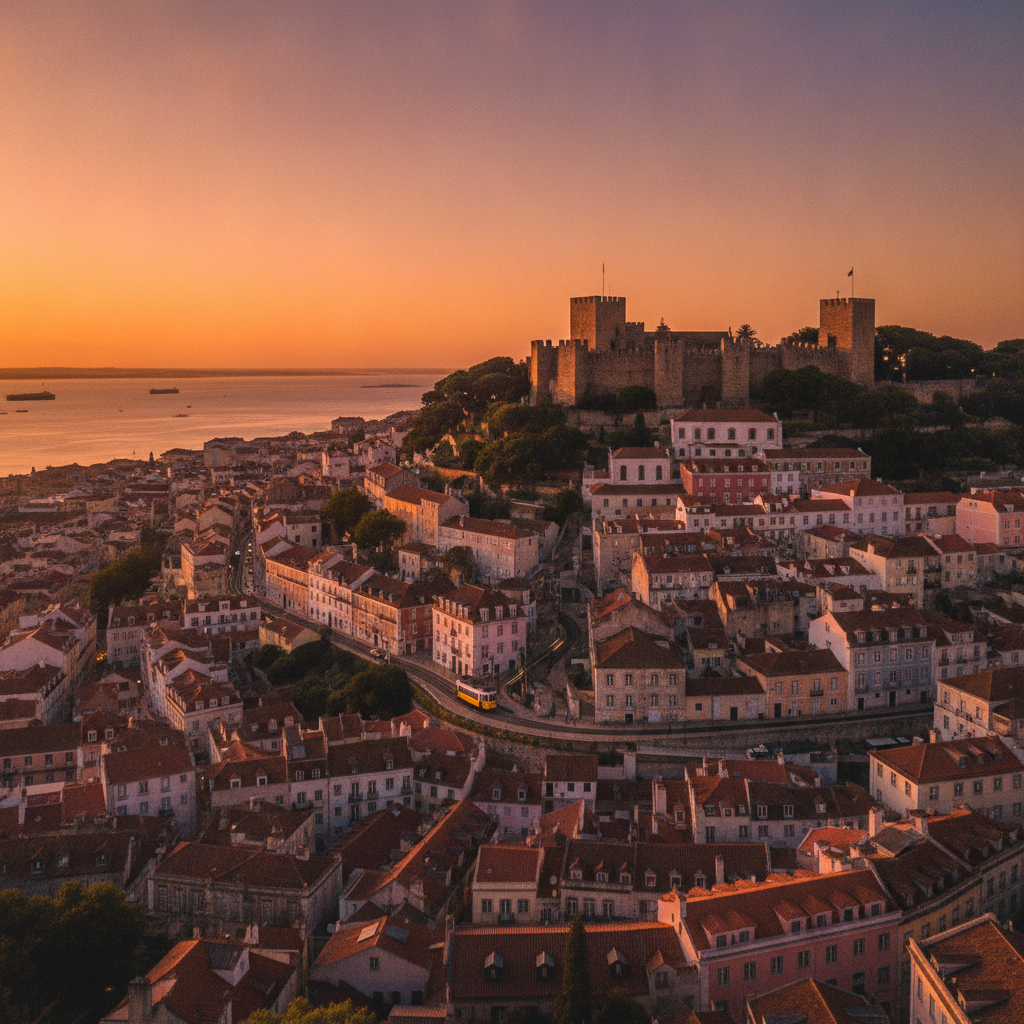
Alfama y Castillo São Jorge: El Corazón Árabe de Lisboa
Alfama — del árabe al-hamma, 'los baños' — es el barrio superviviente más antiguo de Lisboa, el único distrito que precede al catastrófico terremoto de 1755. Encaramada sobre una colina bajo el castillo árabe de São Jorge, su laberinto de callejuelas empinadas, casas con azulejos, miradores y bares de fado representa el alma de la ciudad.
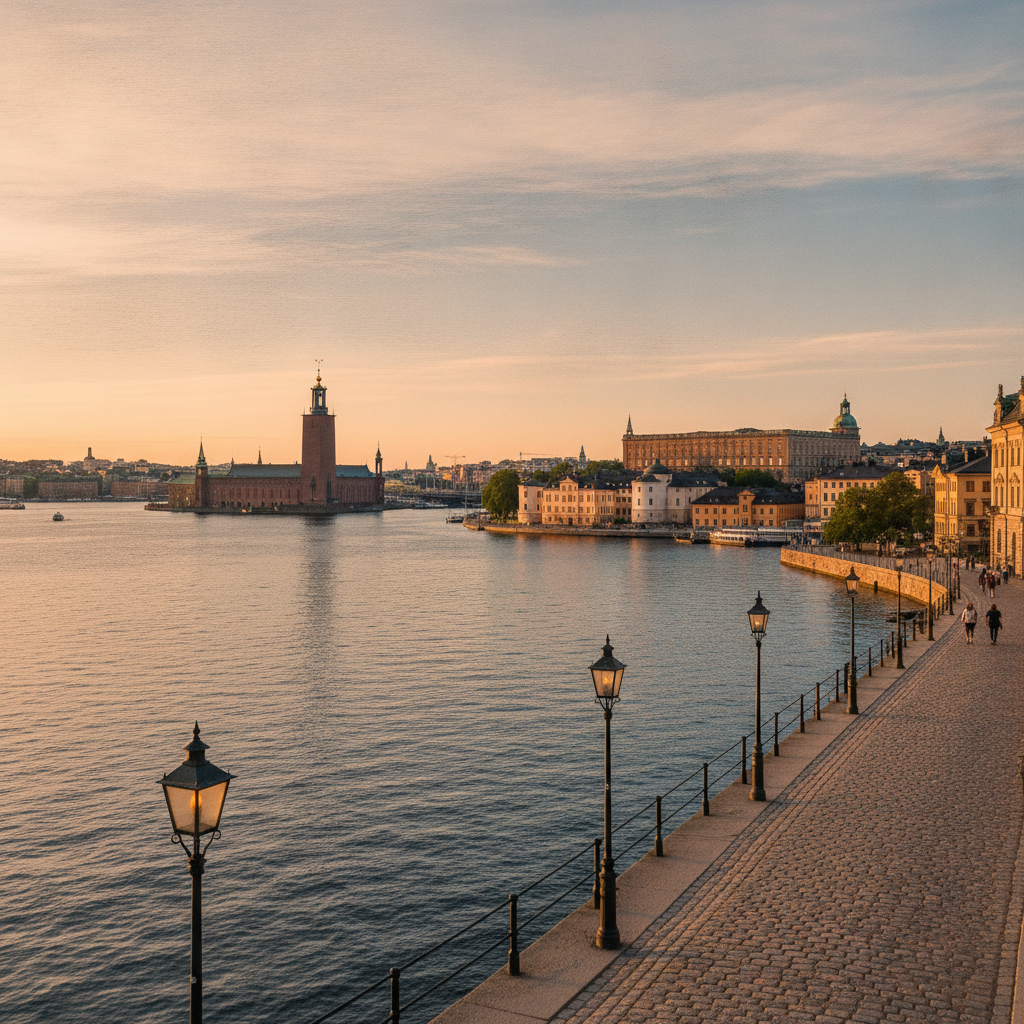
Södermalm — El Barrio Creativo de Estocolmo, Fotografiska y el Ayuntamiento
Södermalm — la gran isla al sur de Gamla Stan, el barrio más creativo y culturalmente vital de Estocolmo — alberga Fotografiska (uno de los museos de fotografía más importantes del mundo), el paseo del acantilado de Monteliusvägen y vistas panorámicas del Ayuntamiento.
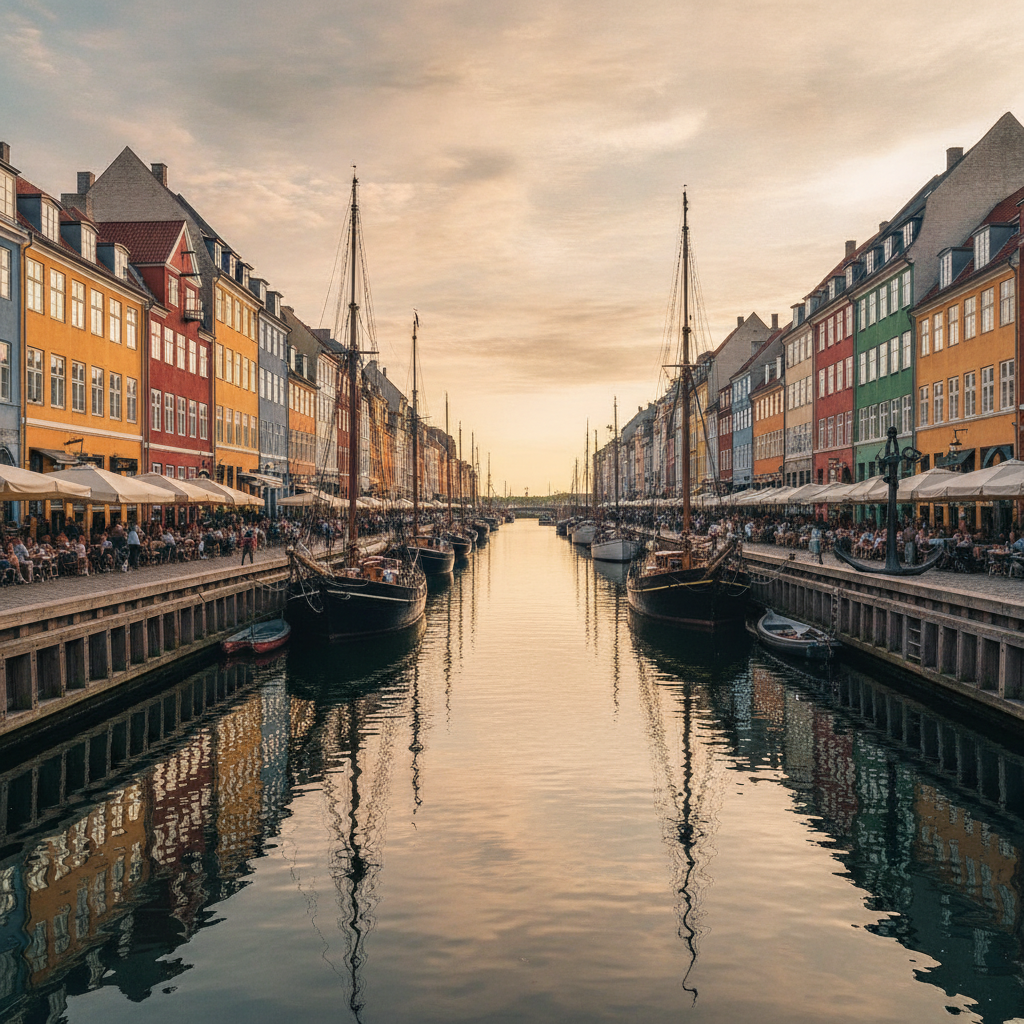
Nyhavn, Ciudad Vieja y Christiansborg — El Corazón Histórico de Copenhague
Copenhague — la capital y ciudad más grande de Dinamarca, constantemente clasificada como una de las mejores ciudades del mundo para la calidad de vida — tiene un centro histórico construido alrededor de la ciudad medieval y el puerto real del siglo XVII, con Nyhavn, Strøget y Christiansborg como sus monumentos definitorios.
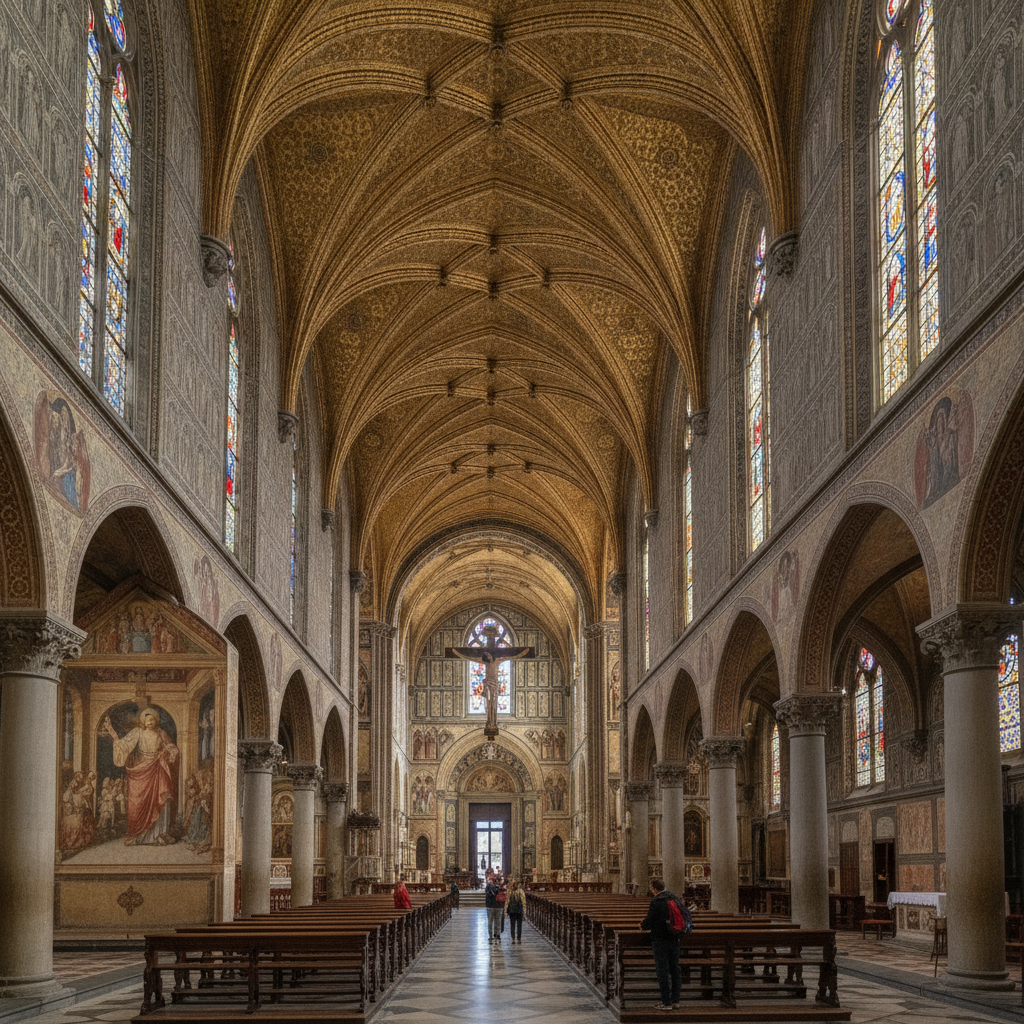
Santa Maria Novella, Via Tornabuoni y la Florencia de Ghirlandaio
El barrio oeste del centro histórico de Florencia, centrado en la basílica dominicana de Santa Maria Novella y la calle de lujo Via Tornabuoni, representa una capa distintiva de la cultura florentina — la iglesia que contiene la 'Trinidad' de Masaccio (la primera pintura que utiliza la perspectiva lineal verdadera) y el ciclo de retratos de Ghirlandaio en la Capilla Tornabuoni.
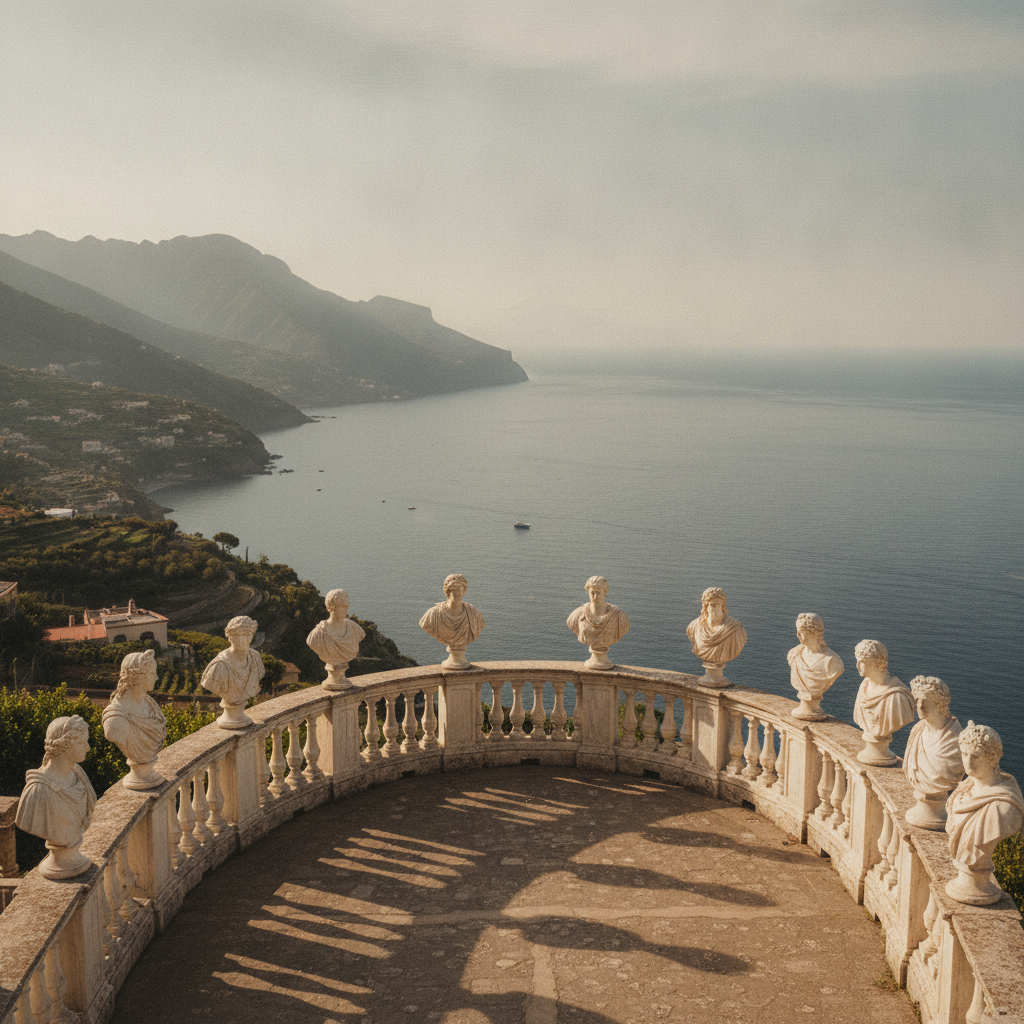
Ravello — Villa Cimbrone, Villa Rufolo & the Ravello Festival
Ravello (population 2,500, at 350m altitude on the ridge between the Valle del Dragone and Valle di Sambito, the City of Music hosting the annual Ravello Festival) is the most elevated and culturally distinguished town on the Amalfi Coast. Accessible by bus from Amalfi in 30 minutes for €1.30.
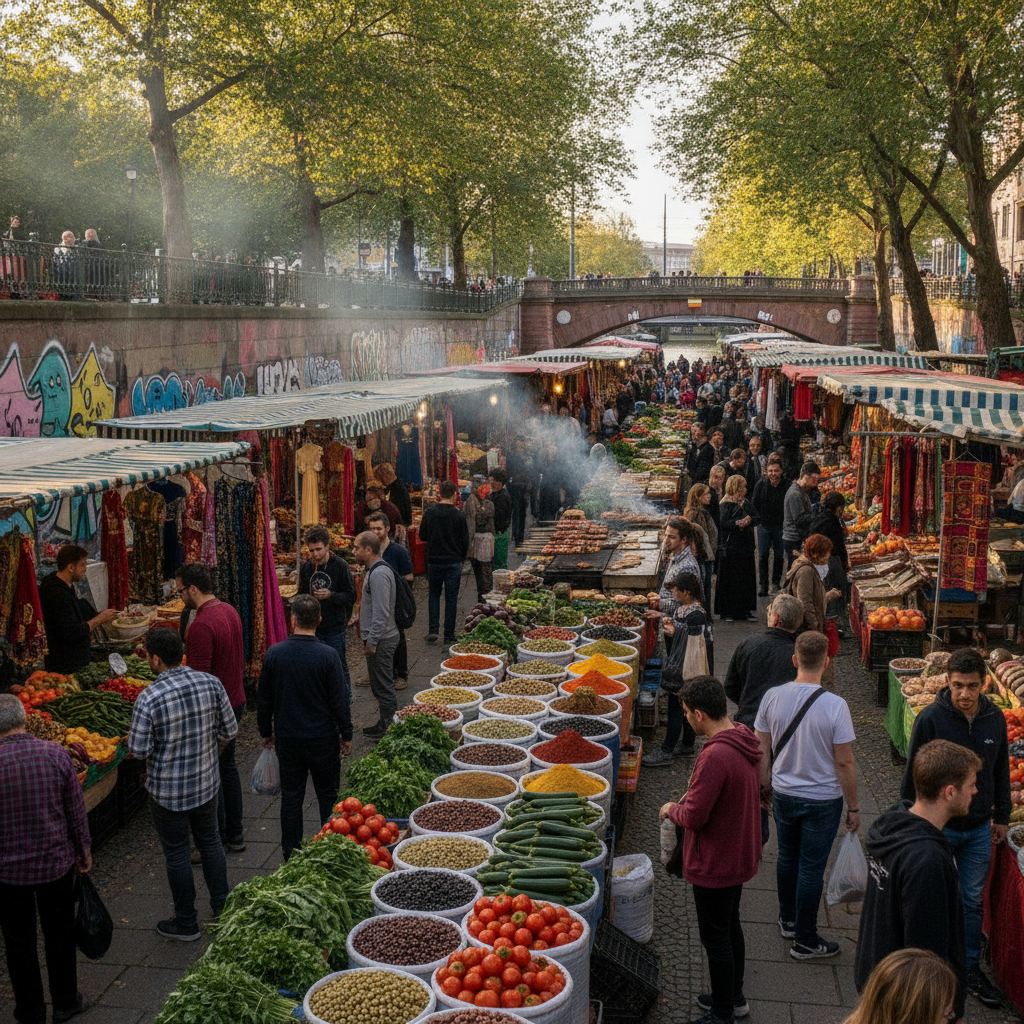
Kreuzberg: Mercado Turco, Landwehrkanal y Cultura Urbana
Kreuzberg — el antiguo enclave de Berlín Occidental que se convirtió en el centro tanto de la comunidad inmigrante turco-alemana como de la contracultura alternativa — es el barrio más política y culturalmente cargado de Berlín.
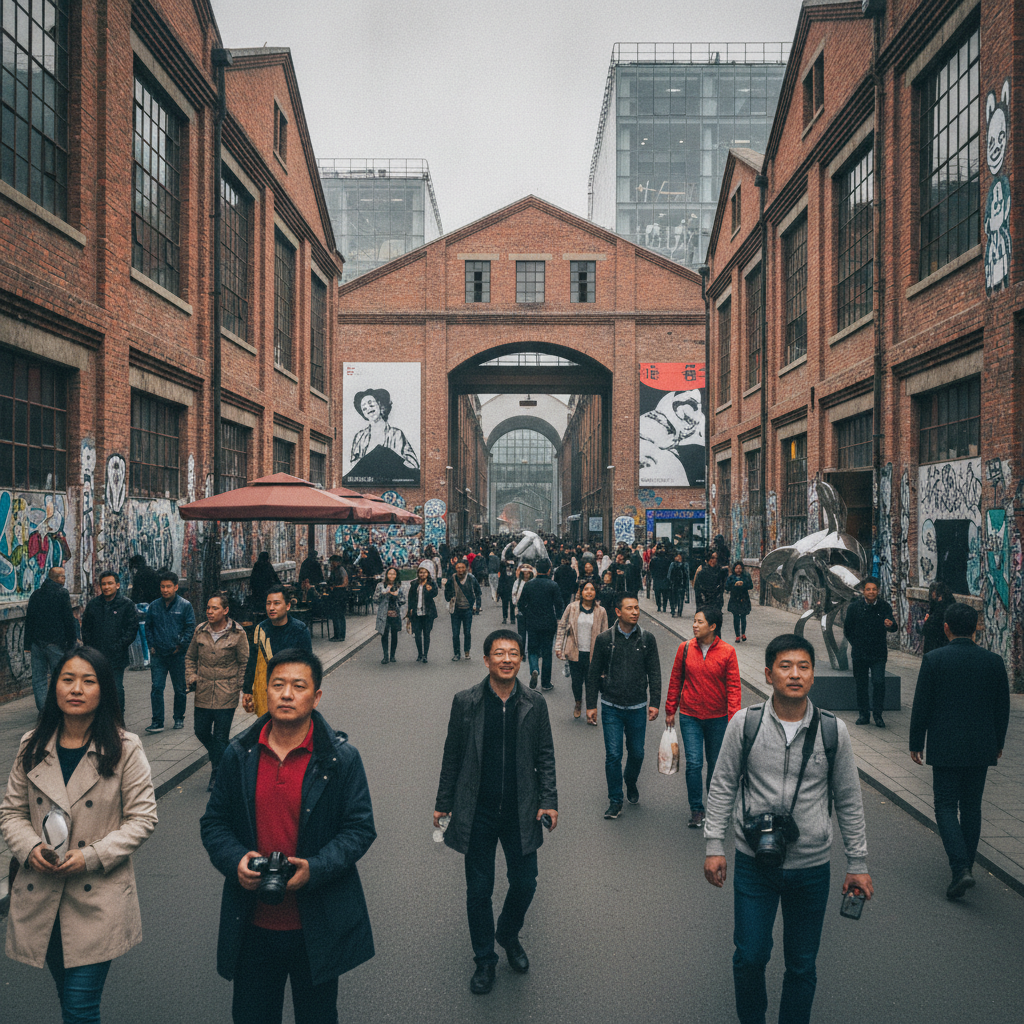
Distrito Artístico 798 y el Pekín Contemporáneo — La Revolución Creativa de China
798 Art District (798艺术区 — the contemporary art district in the Chaoyang district of northeastern Beijing, in the former buildings of the state-owned 798 Joint Factory (the military electronics factory built with Soviet assistance in the 1950s in the Bauhaus-influenced East German industrial style (designed by East German architects during the 1950s Sino-Soviet friendship period)) — the most important contemporary art district in China and one of the most significant in Asia): the transformation of the factory complex (from 2002, when artists began renting the cheap industrial spaces) into a gallery, studio, and cultural venue complex has made 798 the symbol of China's contemporary art renaissance.

Comida Brasileña en Río — Churrasco, Feijoada, Açaí y la Cocina Carioca
Brazilian cuisine in Rio de Janeiro — the most accessible, varied, and affordable food culture in South America — is shaped by the extraordinary biodiversity of Brazil (the most biodiverse country on Earth), the three-way cultural fusion of indigenous Brazilian, Portuguese colonial, and African slave heritage, and the particular Carioca food traditions that have developed in Rio's specific social context: the beach, the favela, the churrascaria, and the Saturday feijoada are the defining food experiences of Rio.
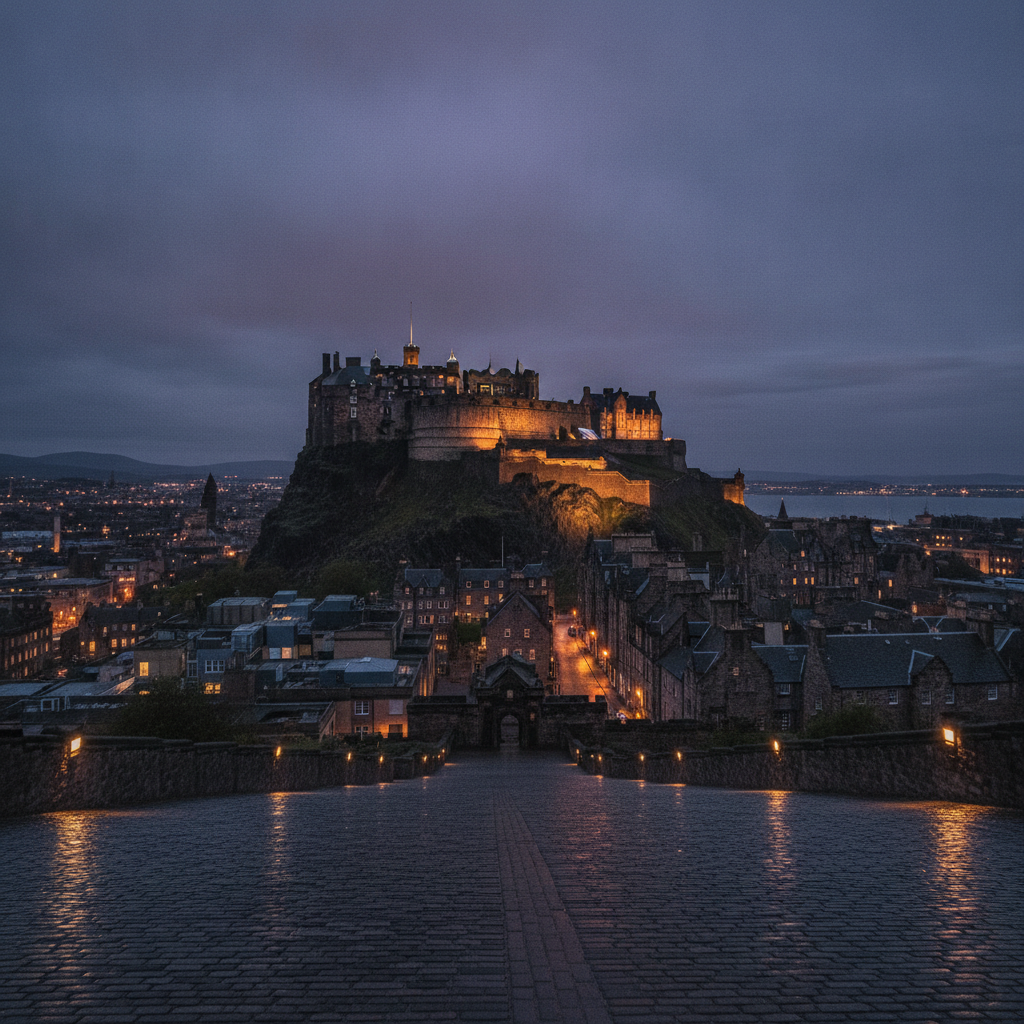
Castillo de Edimburgo, el Royal Mile y Holyrood — La Ciudad Vieja
Edimburgo — la capital de Escocia, una de las ciudades capitales más dramáticas y bellas de Europa — tiene como corazón histórico la Ciudad Vieja, el barrio medieval que va desde el Castillo de Edimburgo por el Royal Mile hasta el Palacio de Holyroodhouse.
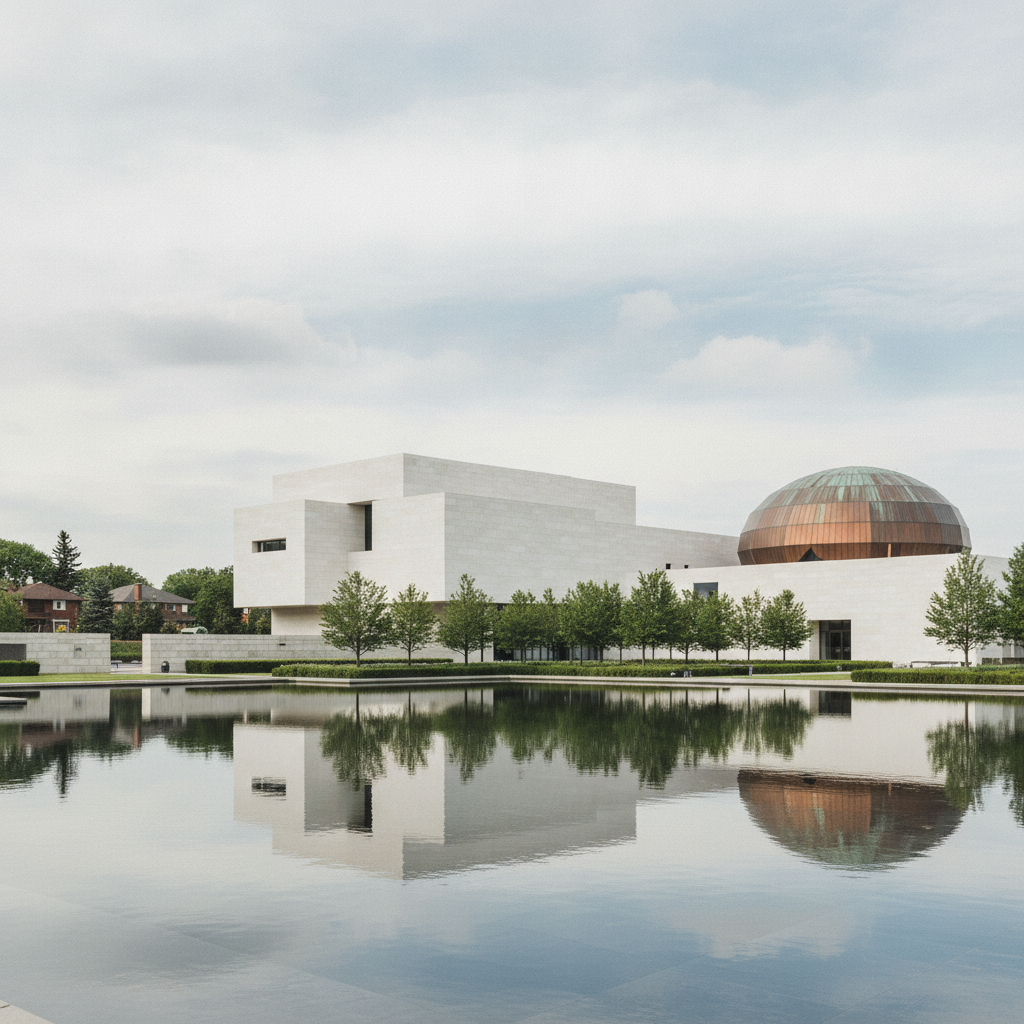
Museo Aga Khan, North York y la Diversidad Suburbana de Toronto
Toronto is the most ethnically diverse large city in the world — approximately 50% of Toronto residents were born outside Canada (the highest proportion of any large city in the world), and the city is home to communities from over 200 countries speaking over 140 languages; the suburban areas of Toronto (North York, Scarborough, Etobicoke) house the majority of Toronto's immigrant communities and represent one of the most extraordinary experiments in multicultural urbanism in history.
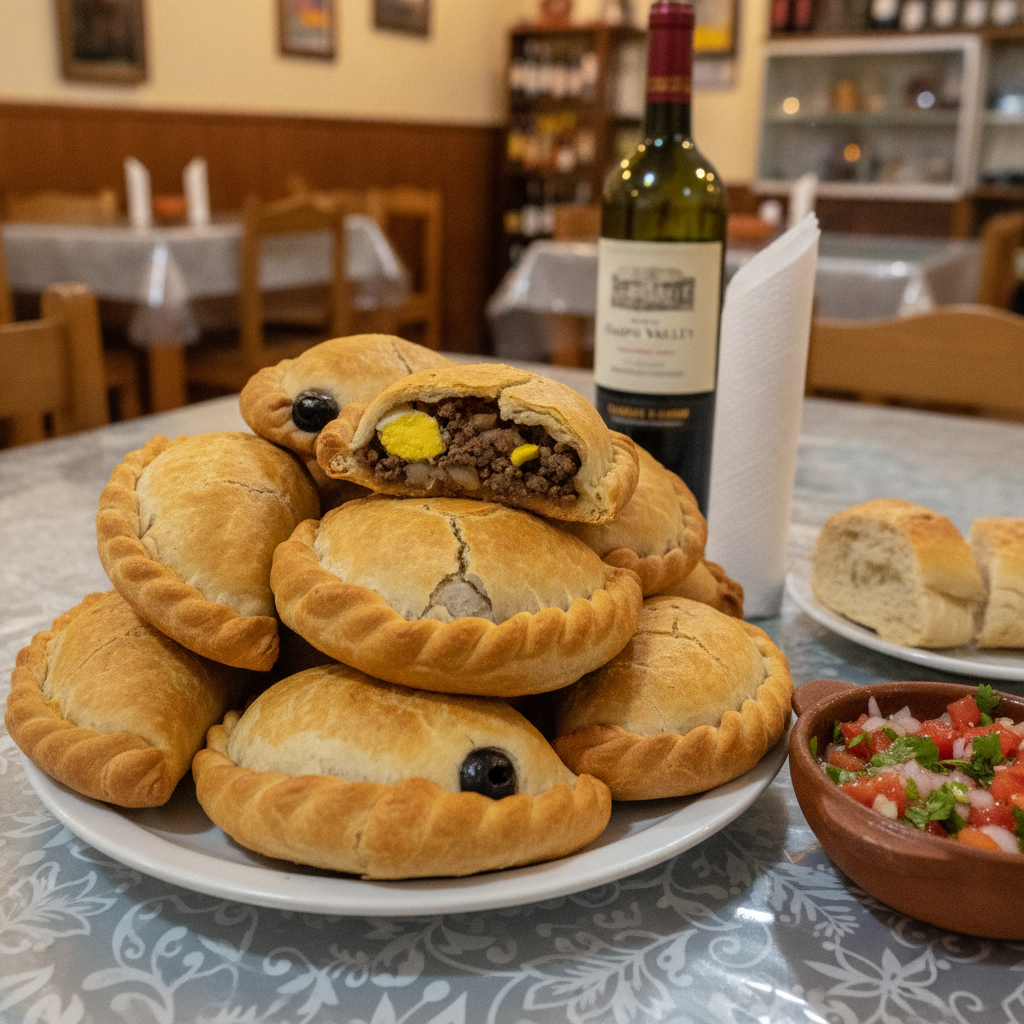
Cocina Chilena, Empanadas y la Cultura Gastronómica de Santiago
La cocina chilena — la cultura gastronómica del país que se extiende desde el desierto más seco de la Tierra hasta las islas subantárticas del sur, con 6.435 km de costa pacífica: la escena gastronómica de Santiago abarca toda la gama de la cocina regional chilena.
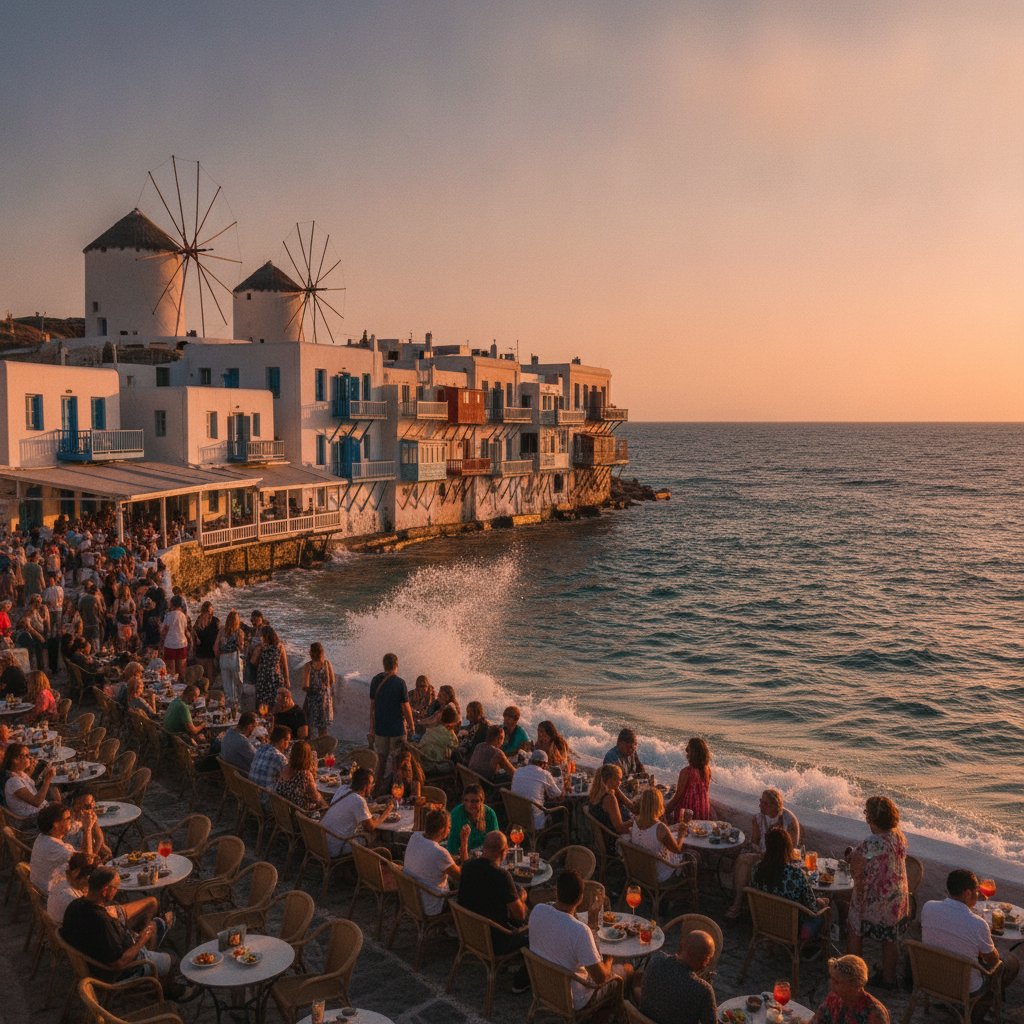
Mykonos Chora — Little Venice, the Windmills & the Labyrinth of the Old Town
Mykonos (the island of 10,000 permanent residents in the central Cyclades, the most internationally recognizable Greek island after Santorini, the combination of the iconic white-cubist architecture of Chora with the internationally oriented party culture and luxury beach club scene making it the most expensive destination in Greece) is built around Chora — the old town — whose labyrinthine street plan was deliberately designed to confuse pirates.
Elafiti Islands Day Trip — Lopud, Sipan & the Best Beach Near Dubrovnik
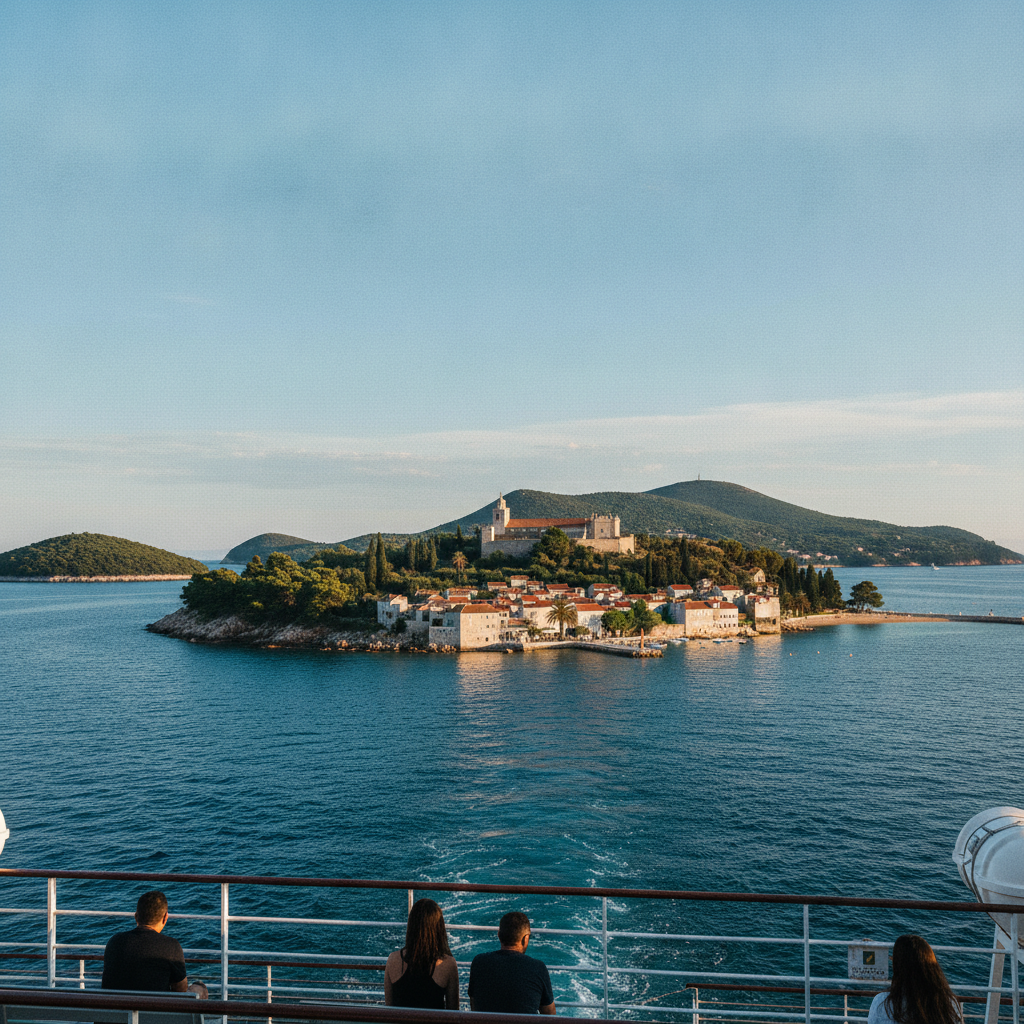
The Elafiti Islands (the archipelago of 13 islands northwest of Dubrovnik, the three inhabited ones — Kolocep, Lopud, and Sipan — accessible by regular ferry from Dubrovnik Old Port, Jadrolinija car ferry operating year-round with 2-4 daily departures, the furthest island Sipan 75 minutes from Dubrovnik) are the correct day-trip destination from Dubrovnik for a quieter, less-commercialized Adriatic island experience than Korcula, Brac, or Hvar.
Casa da Música, Serralves y la Cultura Contemporánea de Oporto
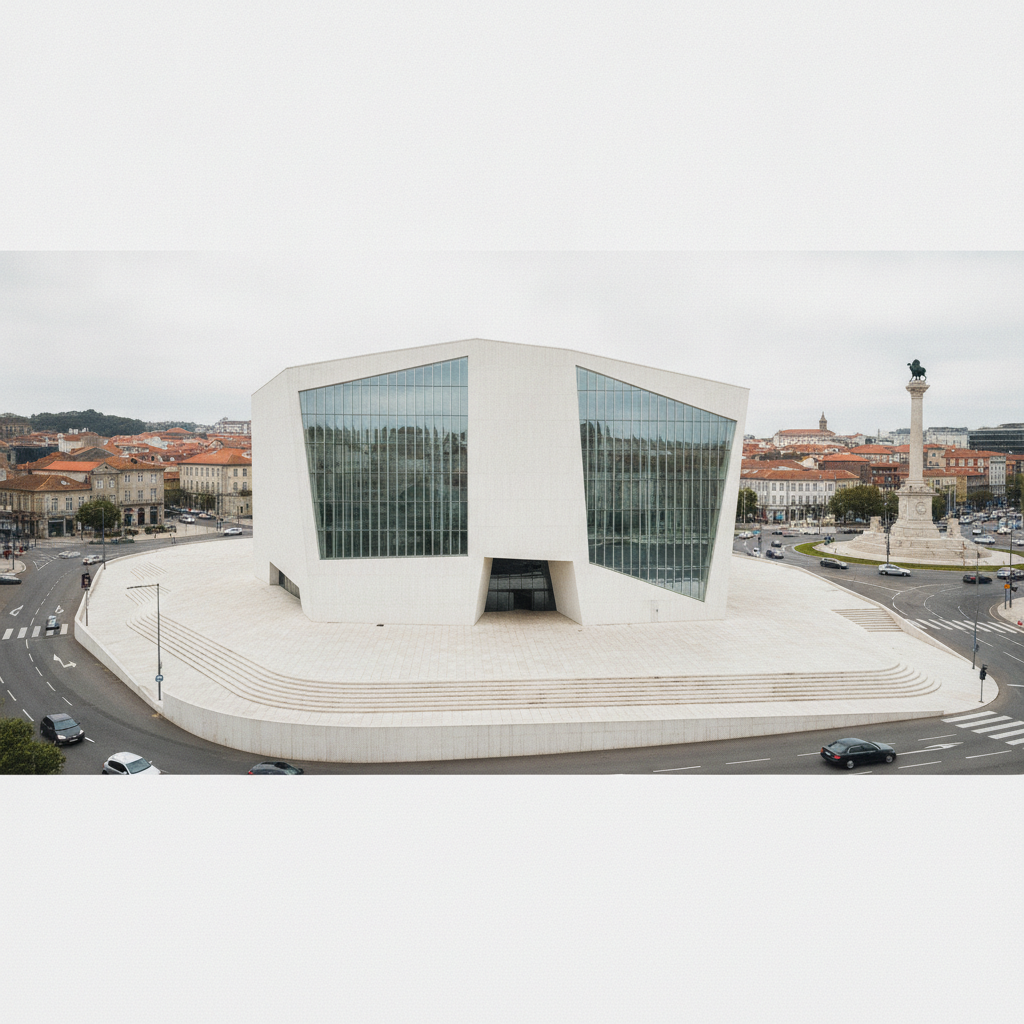
Porto's contemporary cultural institutions — the Casa da Música (the 2005 concert hall by Rem Koolhaas on the Rotunda da Boavista — the most radical work of contemporary architecture in Porto), the Museu de Arte Contemporânea de Serralves (the 1999 museum by Álvaro Siza Vieira in the Serralves Estate park — the most important contemporary art museum in Portugal), and the cultural district of Boavista and Cedofeita — represent Porto's vibrant contemporary creative identity.
FC Porto, Estádio do Dragão y la Cultura del Fútbol Portugués
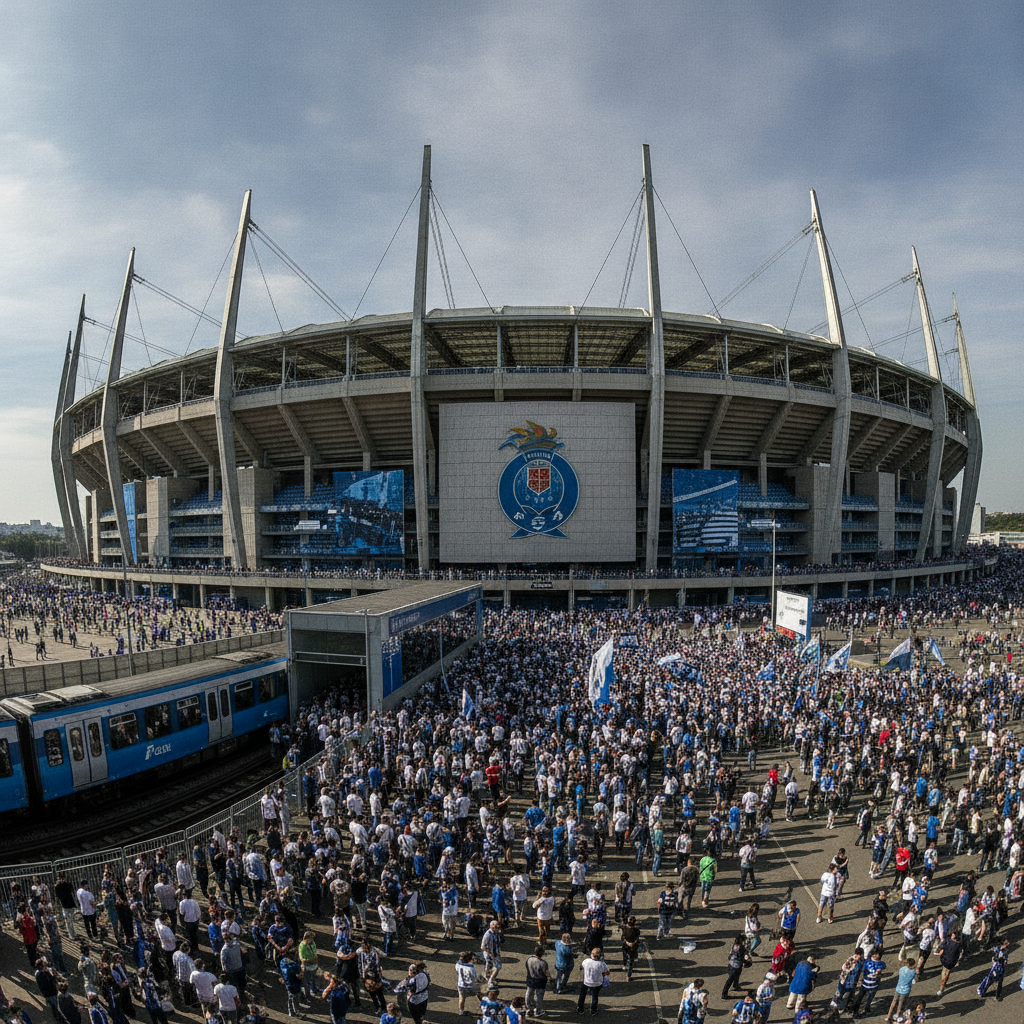
El FC Porto (el club de fútbol fundado en 1893, el club dominante del norte de Portugal — el club que ganó la UEFA Champions League dos veces (1987 y 2004 bajo el entrenador José Mourinho)) y el Estádio do Dragão (el estadio de 50.033 plazas construido para la UEFA Euro 2004) son la expresión del intenso orgullo cívico e identidad futbolística de Oporto.
Carnaval de Río — Sambódromo, Escolas de Samba y la Mayor Fiesta del Mundo
Rio Carnival (Carnaval do Rio de Janeiro — the annual pre-Lent celebration held in Rio de Janeiro in February or March, the largest carnival in the world by attendance (approximately 2 million people per day for 5 days, total of approximately 5 million participants) and by international reputation): the centrepiece of Rio Carnival is the Sambódromo Marquês de Sapucaí (the 700-metre parade avenue designed by architect Oscar Niemeyer, built 1984, seating 90,000 spectators) where the samba school parade competitions take place over two nights.
Hackescher Markt, Scheunenviertel y Prenzlauer Berg: El Corazón Bohemio de Berlín
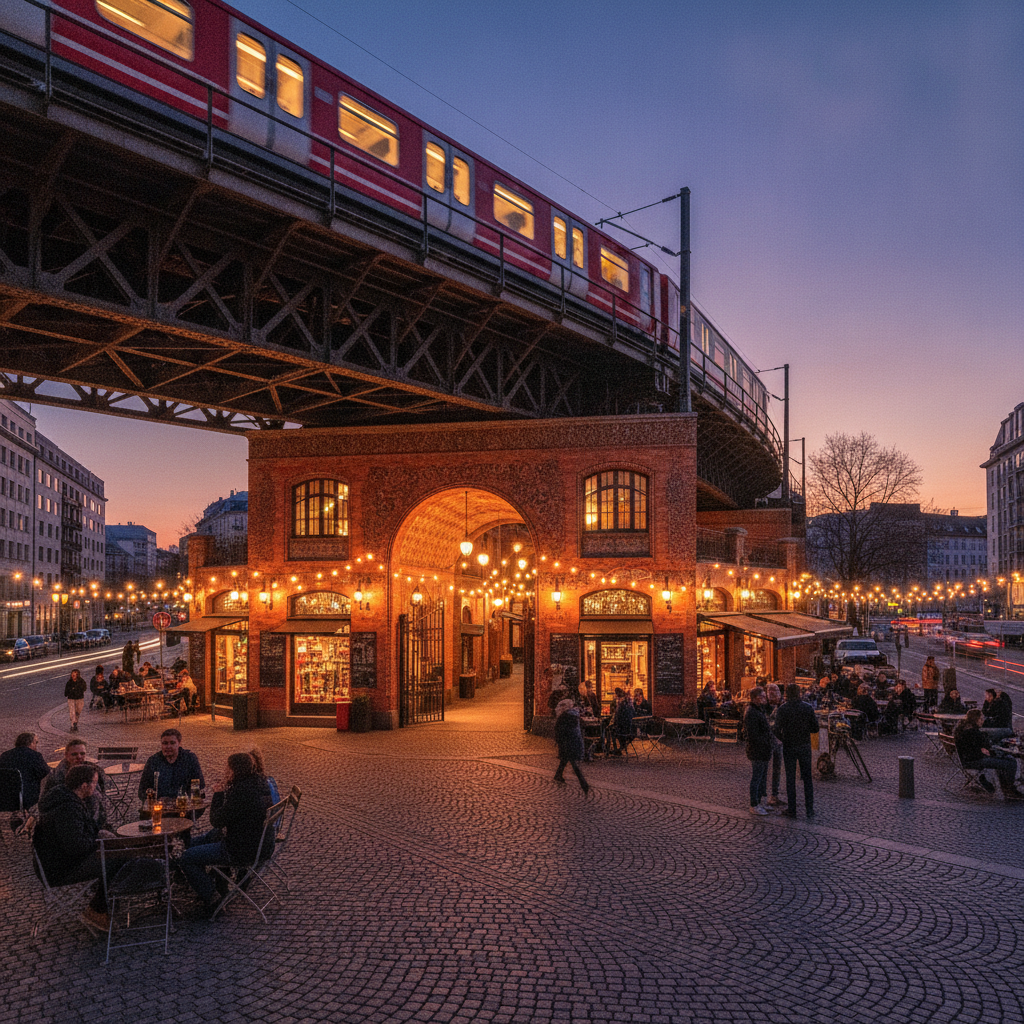
El corredor de barrios que corre hacia el norte desde el Spree a través del Scheunenviertel hasta Prenzlauer Berg es el corazón cultural del Berlín contemporáneo: una densa concentración de arte callejero, galerías alternativas, mercados ecológicos y la arquitectura residencial de preguerra mejor conservada de la ciudad.
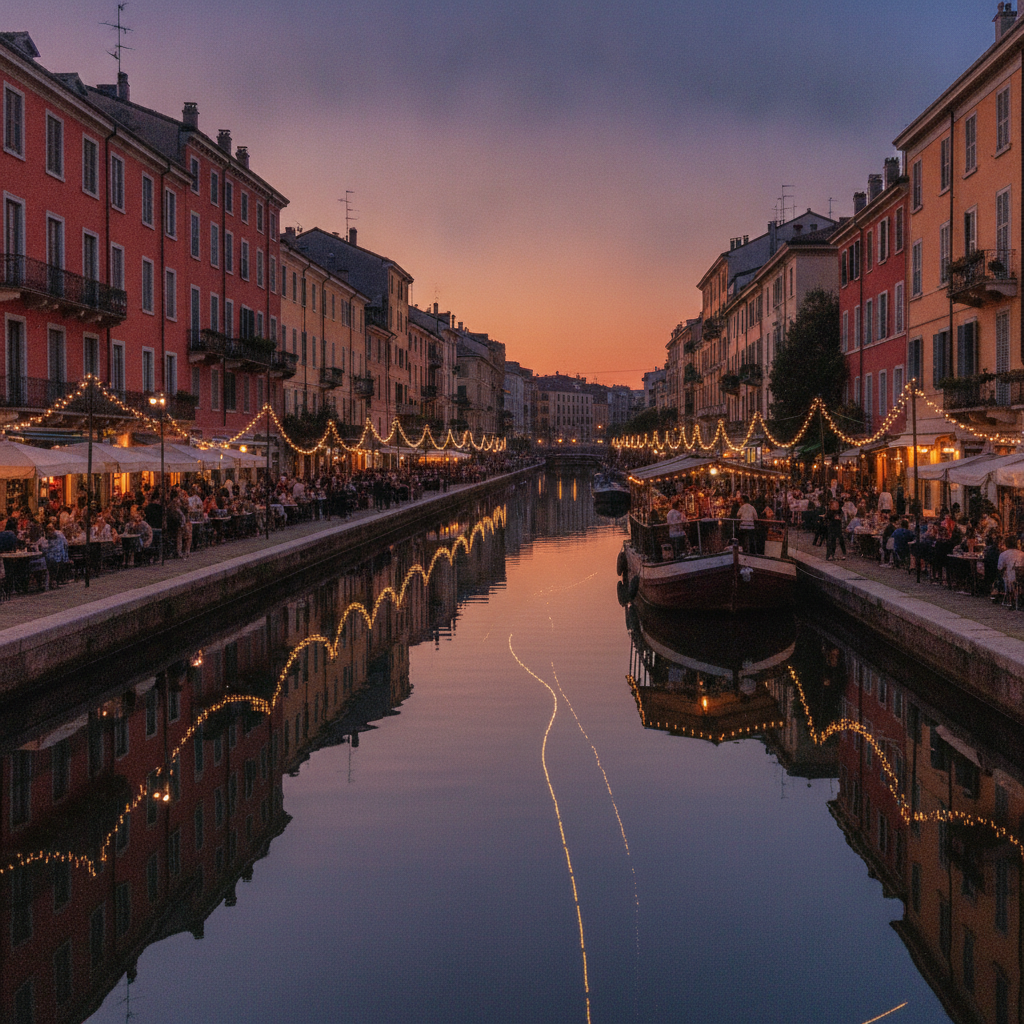
Los Canales Navigli, la Dársena y la Porta Ticinese — el Barrio de los Canales de Milán
The Navigli district — the canal quarter of southwestern Milan, centered on the Naviglio Grande and Naviglio Pavese canals — is the most atmospheric and bohemian neighbourhood in the city, the remnant of an extraordinary medieval and Renaissance hydraulic engineering system that once connected Milan with the Po valley, the Alps, and the sea, and that Leonardo da Vinci helped to improve during his time at the Sforza court.
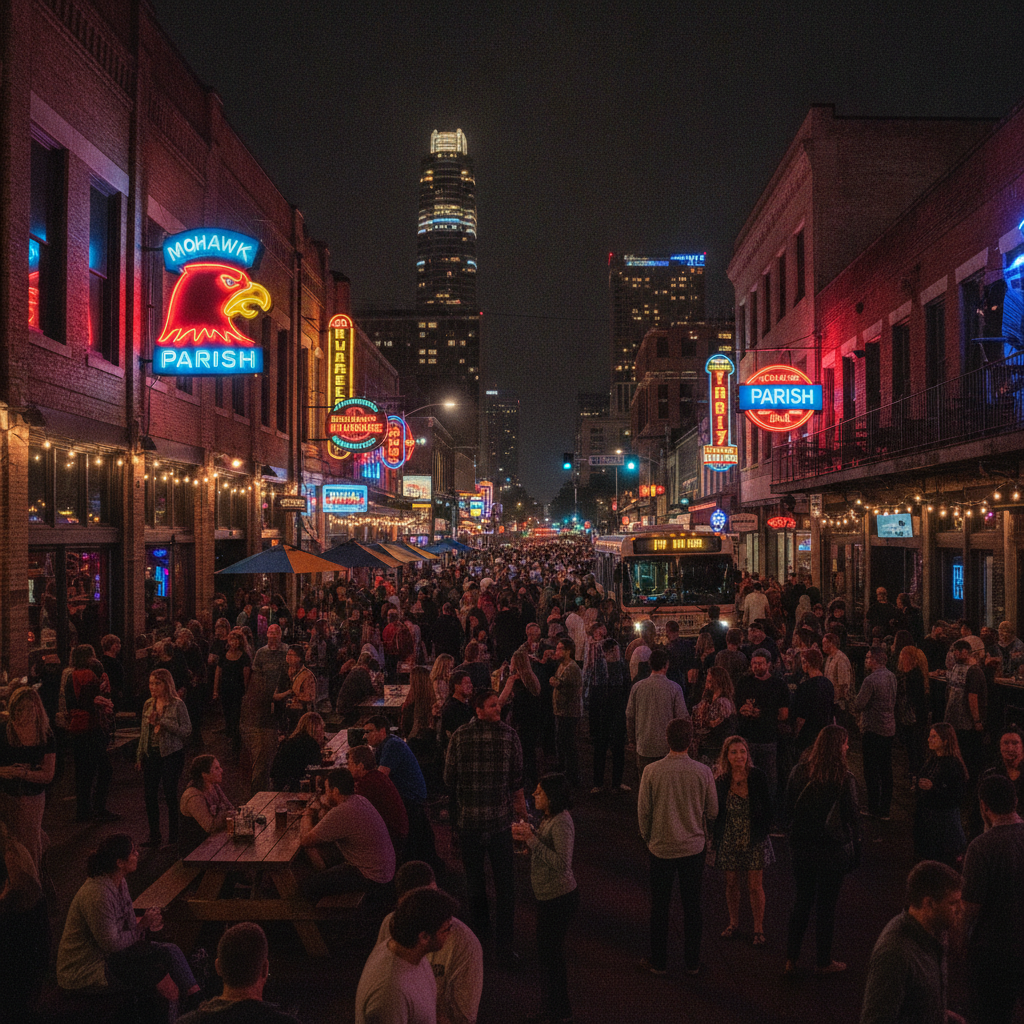
La 6ª Calle, Música en Vivo y el Papel de Austin como Capital Musical del Mundo
Austin, Texas — la capital de Texas, con aproximadamente 979.000 habitantes en la ciudad y 2,3 millones en el área metropolitana — la 'Capital Mundial de la Música en Vivo' (título adoptado oficialmente por la ciudad de Austin en 1991) y sede del South by Southwest (SXSW), el evento de industria musical más importante del mundo.