 Argentina
Iguazu
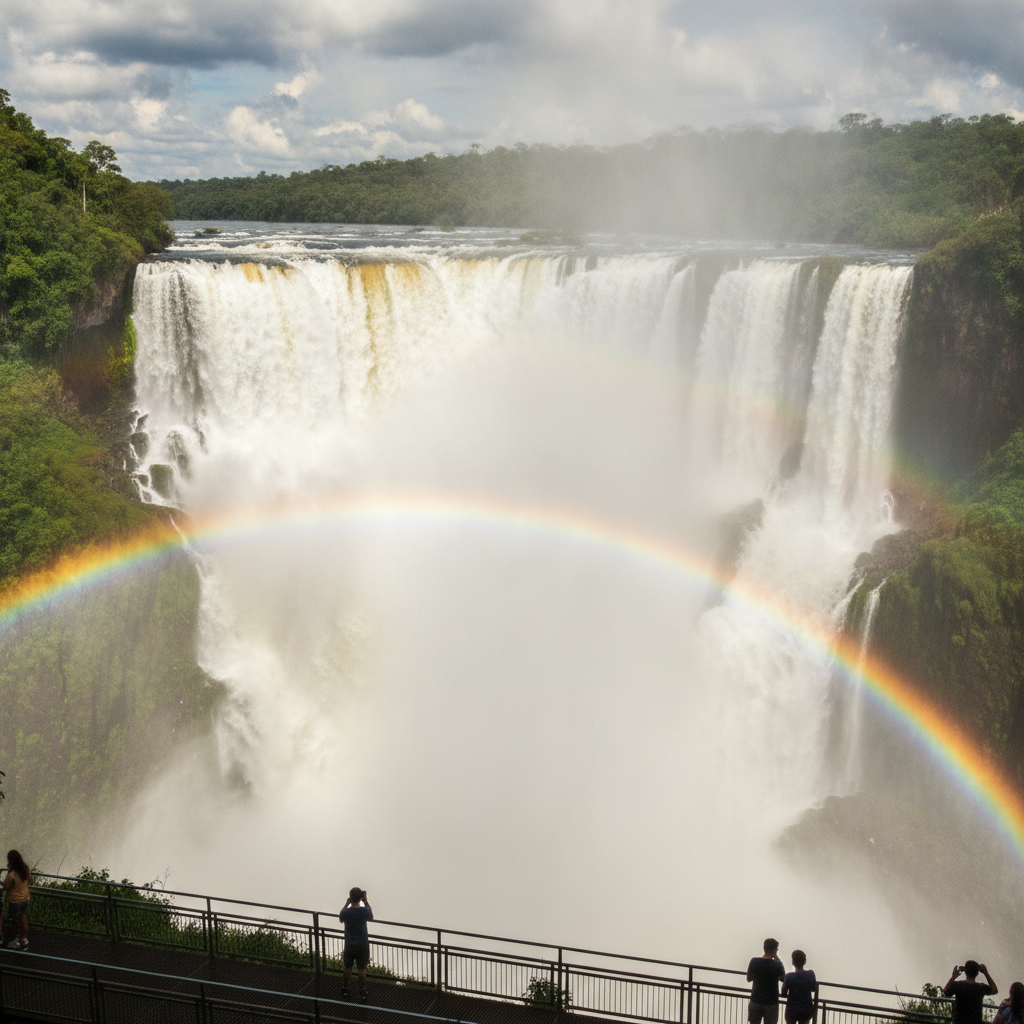
Iguazu Falls: Devil's Throat, Upper and Lower Circuits, and the Three-Country Border
Iguazu Falls, straddling the border between Argentina and Brazil at the point where Paraguay, Argentina, and Brazil converge, is one of the most spectacular natural phenomena on Earth and a UNESCO World Heritage Site on both sides of the border. The falls consist of 275 individual cascades spread across nearly 3 kilometers of the Iguazu River, with a maximum height of 82 meters at the principal cataract known as the Devil's Throat. Eleanor Roosevelt, on first seeing the falls, reportedly said they made Niagara Falls look like a kitchen faucet, and the comparison reflects the overwhelming scale and power of the water system, which drains a watershed of 1.3 million square kilometers and carries an average flow of 1,746 cubic meters per second that can increase to 50,000 cubic meters per second during floods.
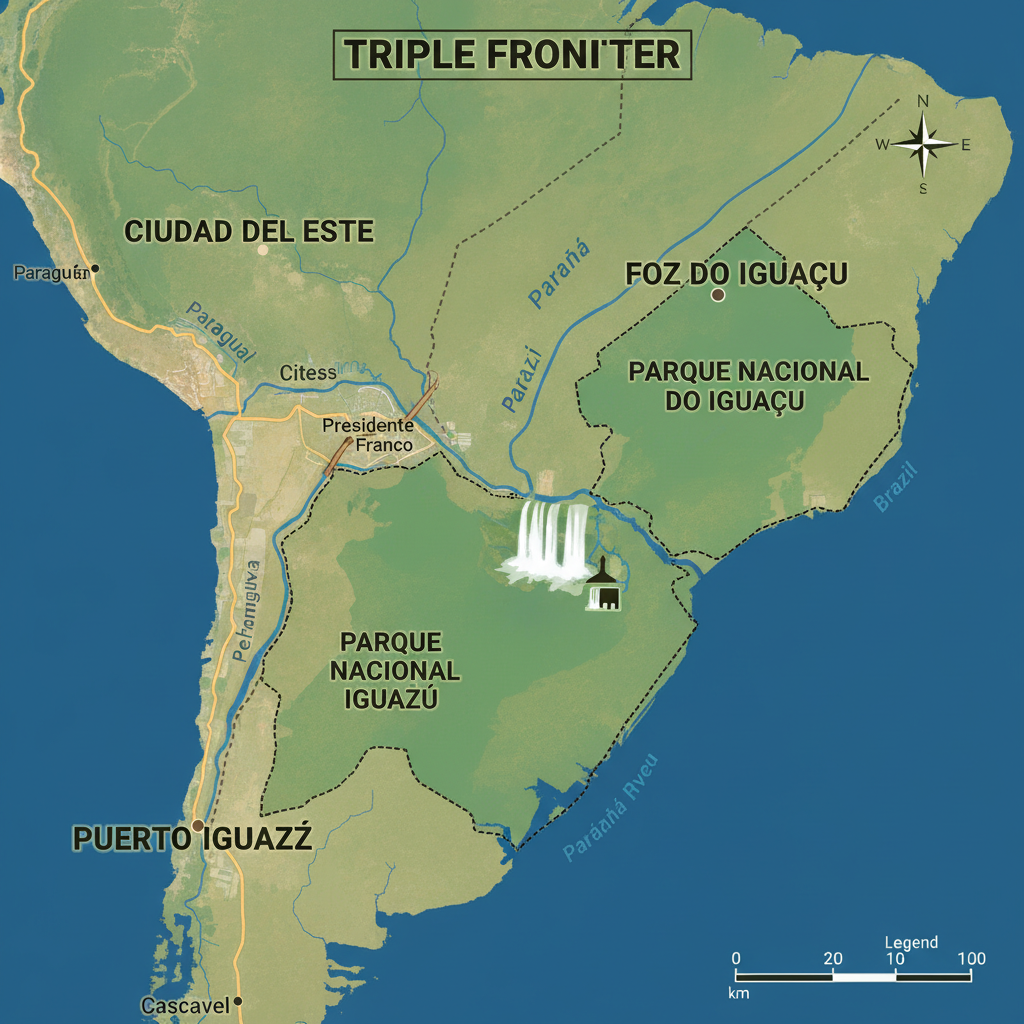
Iguazu Practical Guide: Getting There, Accommodation, Costs, and Planning Your Visit
Planning a visit to Iguazu Falls requires decisions about which side or sides of the falls to visit, how long to stay, where to base oneself, and how to manage the logistics of a site that spans two countries with different currencies, languages, and national park systems. The practical information about transport, accommodation options at different price points, park fees, and the sequence of activities that maximizes the experience of the falls is essential for making the most of what is often a once-in-a-lifetime visit.
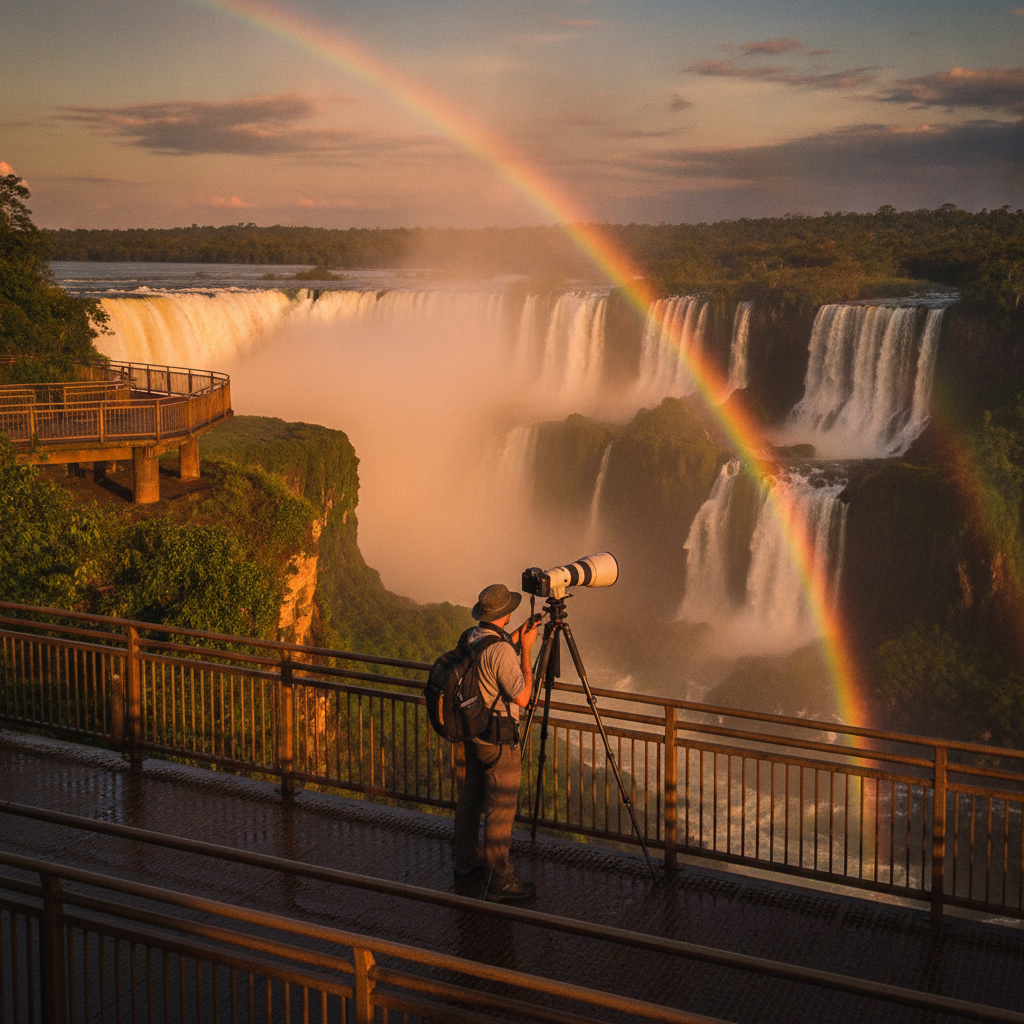
Iguazu Photography Guide: Best Viewpoints, Light, and Technical Tips
Iguazu Falls presents photographers with one of the most spectacular natural subjects on Earth and simultaneously one of the most technically demanding, combining extreme contrasts of light and shadow, the challenge of photographing moving water, the constant presence of spray that threatens equipment, and the difficulty of capturing an object so large that no single viewpoint encompasses the complete scene. Understanding the light conditions, the best viewpoints on each side of the falls, and the technical approaches to spray, motion, and scale will significantly improve the images visitors take home from Iguazu.
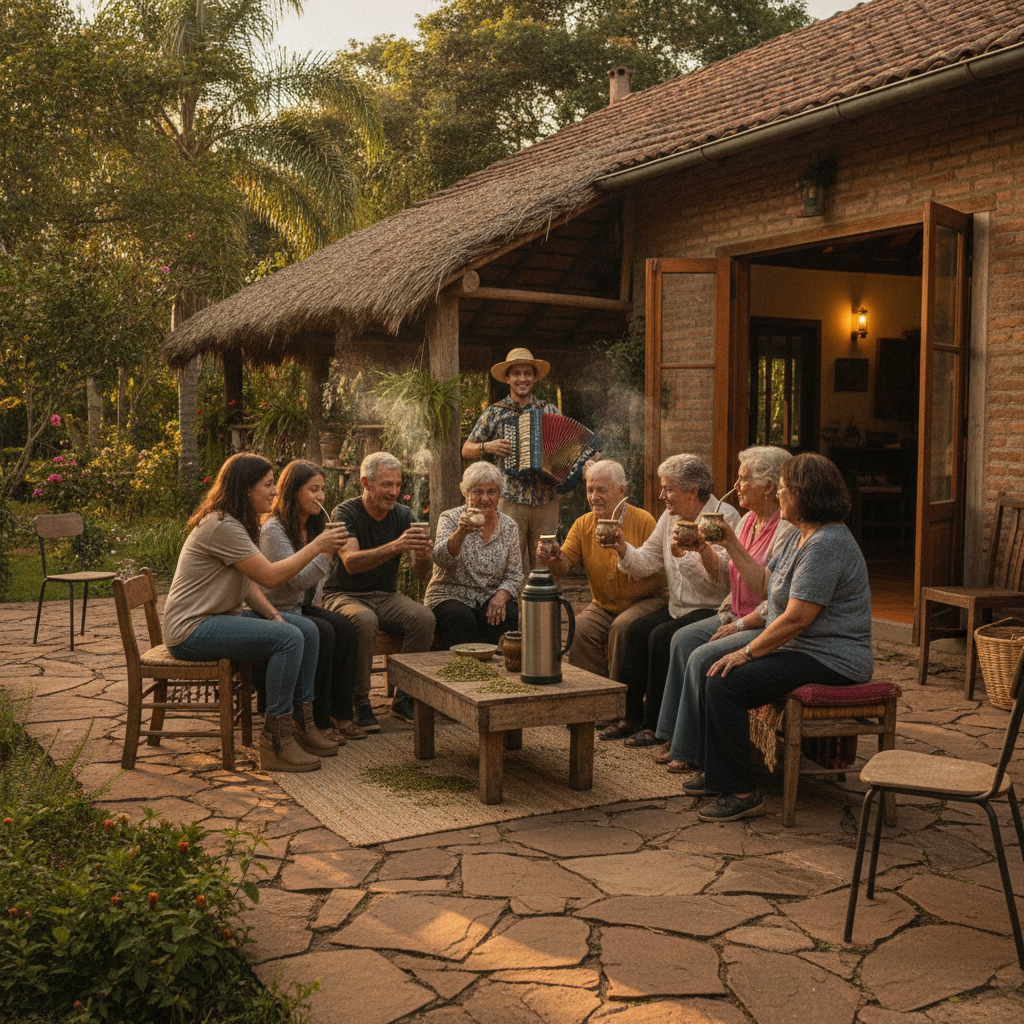
Iguazu Food, Culture, and the Guarani Heritage of Misiones Province
The Misiones province of Argentina and the surrounding triple frontier region have a cultural character shaped by the meeting of indigenous Guarani traditions, the legacy of Jesuit mission civilization, the waves of European immigration that transformed the population in the 19th and 20th centuries, and the contemporary cross-border commerce between Argentina, Brazil, and Paraguay. The food, music, crafts, and social life of the region reflect this layered heritage in ways that distinguish Misiones from other Argentine provinces.
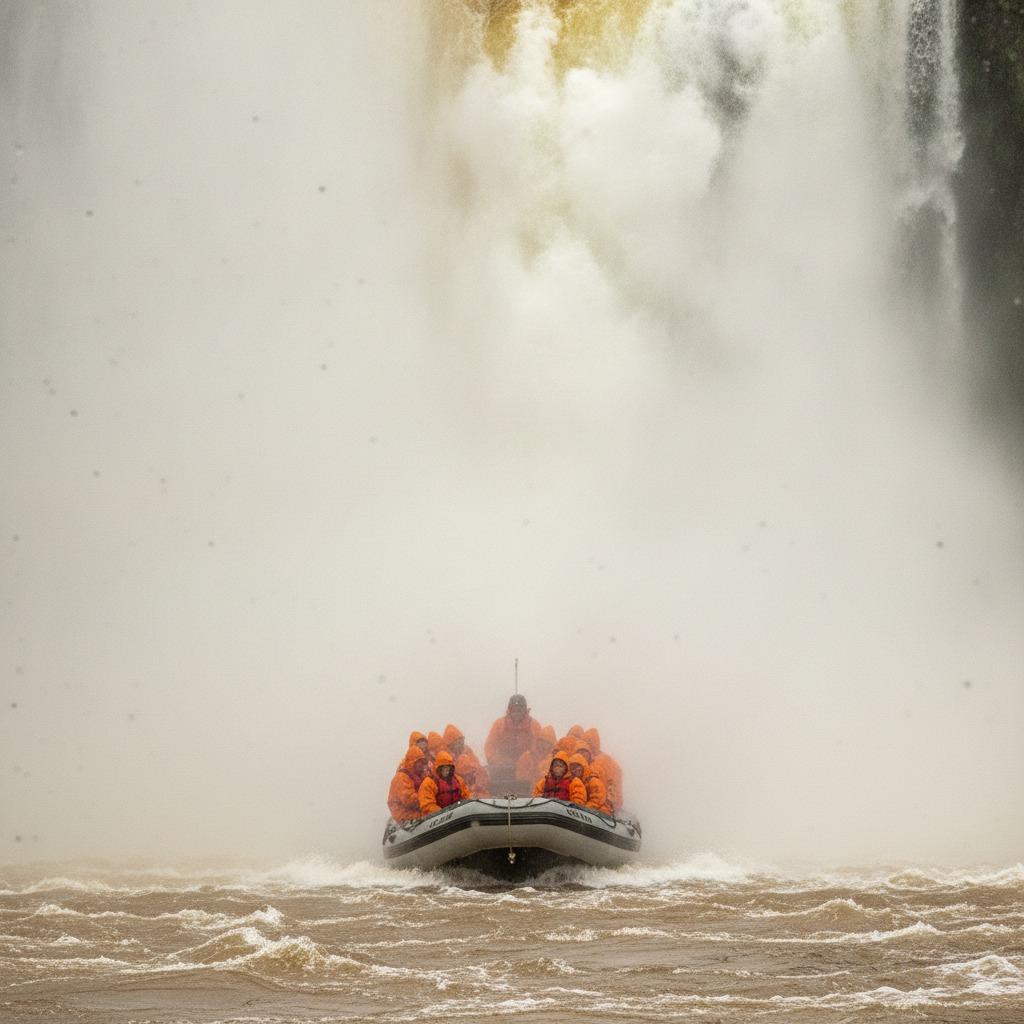
Iguazu Adventure Activities: Boat Rides, Jungle Trails, Rappelling, and Helicopter Flights
The Iguazu Falls region offers adventure activities that range from the widely accessible boat excursions into the falls spray zone to more demanding options including jungle trekking, rappelling into the canyon, and helicopter flights over the complete falls system. The combination of the falls themselves and the surrounding Atlantic Forest creates an environment in which nature tourism and adventure activities coexist, and the infrastructure built around the most popular activities is well-developed enough to be accessible to visitors with limited outdoor experience.
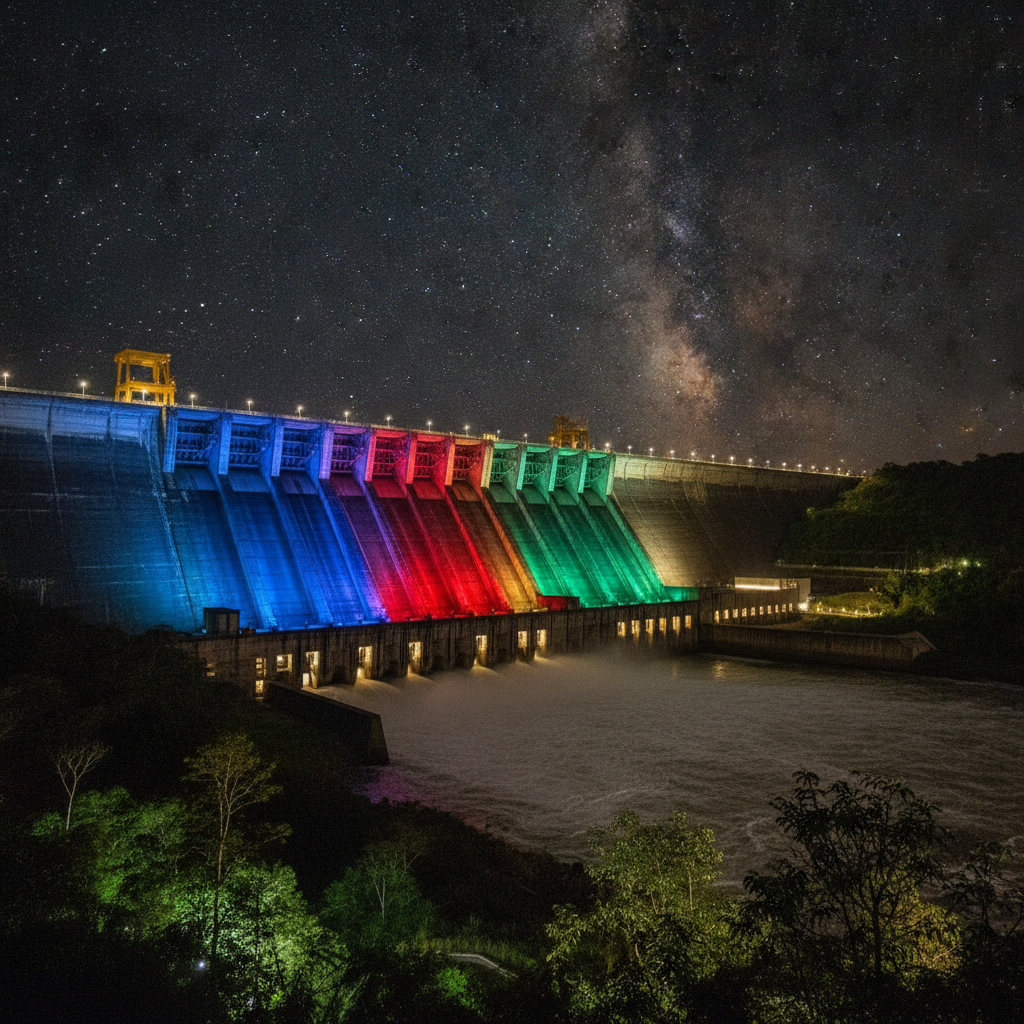
Itaipu Dam: Engineering Marvel, Binational Hydropower, and the Drowned Guaira Falls
The Itaipu Dam on the Parana River between Brazil and Paraguay is one of the most remarkable engineering achievements of the 20th century and remains one of the largest hydroelectric facilities in the world by installed capacity and historical energy output. The dam represents the largest project ever undertaken by the two countries that built it and has shaped the economies, politics, and landscapes of the entire upper Parana region for five decades. Its construction involved the flooding of the Guaira Falls, formerly the largest waterfall in the world by volume, a loss that remains a subject of controversy and mourning in both countries.
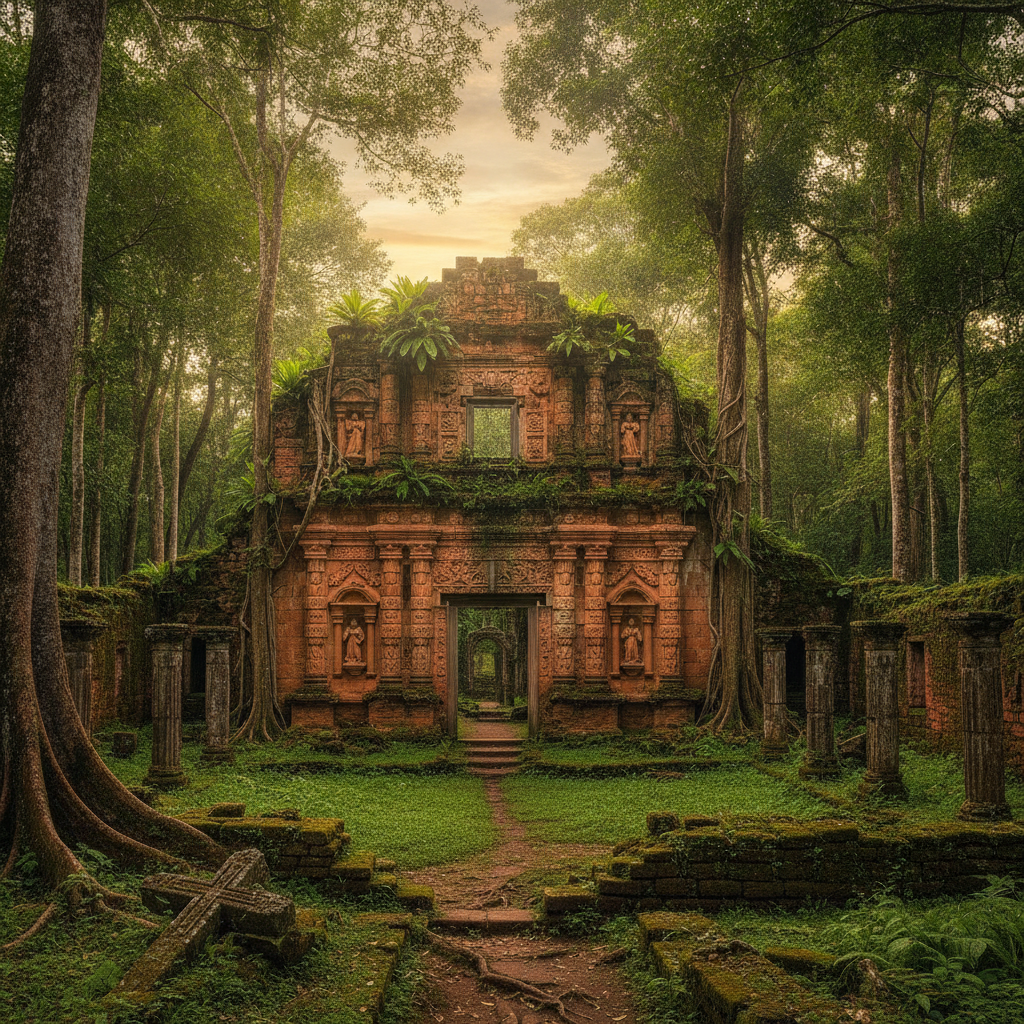
Iguazu History: Guarani Stewardship, European Discovery, and the Creation of the National Parks
The history of the Iguazu Falls region spans from the pre-Columbian Guarani people who knew the falls as Yguazu, meaning great water, through the Spanish colonial encounter in the 16th century, the period of Jesuit mission civilization in the 17th and 18th centuries, the post-independence territorial disputes between Argentina and Brazil, and the 20th century creation of national parks on both sides that now protect the falls and the surrounding Atlantic Forest.
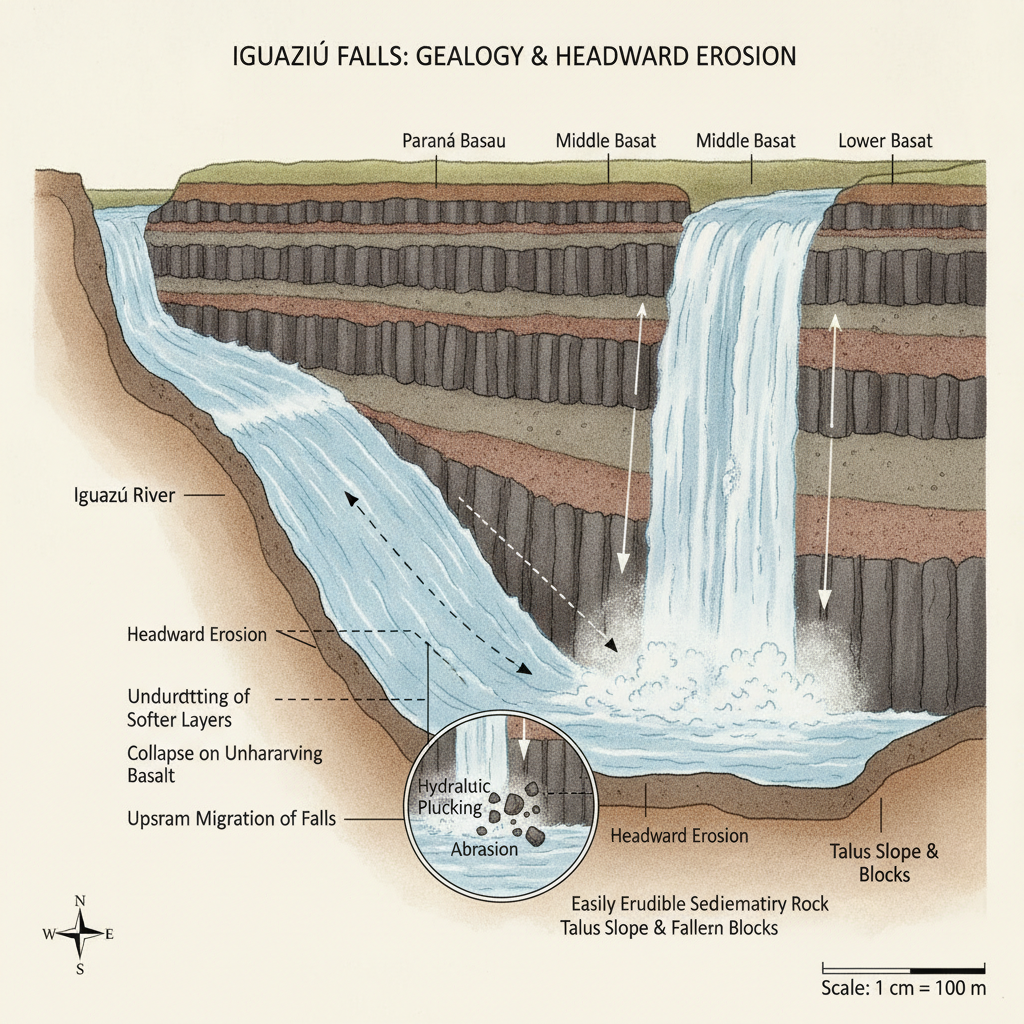
Iguazu Geology, Hydrology, and the Science of the Falls
The Iguazu Falls are the result of a geological and hydrological process that began approximately 132 million years ago with the formation of the vast basalt lava flows of the Parana Plateau, which were subsequently carved by the Iguazu River over millions of years into the horseshoe-shaped canyon system that now creates the falls. Understanding the geology and hydrology of the system illuminates why the falls have their particular form, why they change so dramatically with seasons and floods, and how the entire ecosystem of the national parks depends on the specific conditions created by the water.