Athens
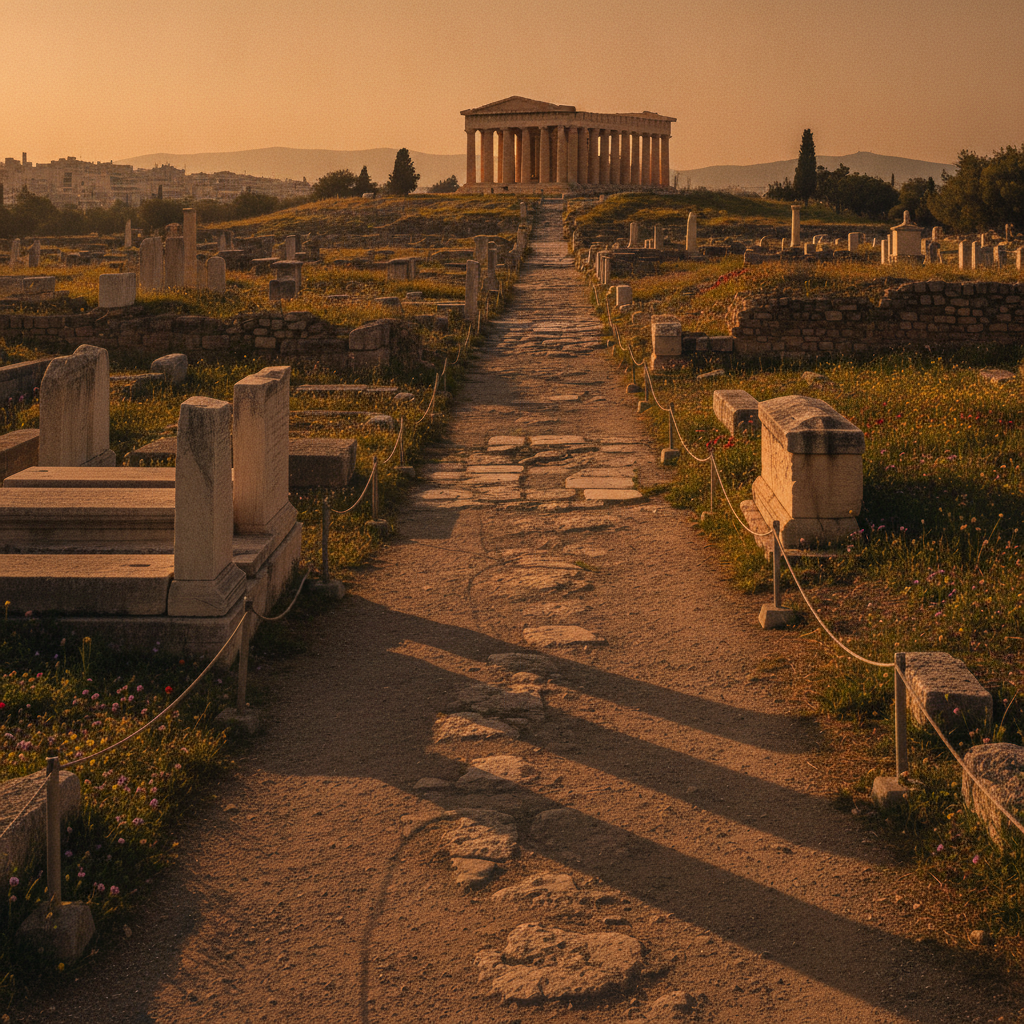
Keramikos, Gazi & Thisseio: Ancient Cemeteries, Creative Districts & Democratic Hills
West of the Acropolis, the neighborhoods of Keramikos, Gazi, and Thisseio form Athens' most creatively eclectic district, where the ancient Sacred Way passes through the oldest cemetery in the Greek world, industrial heritage has been transformed into arts venues, and the Pnyx hill above Thisseio was the site of the world's first democratic assembly.
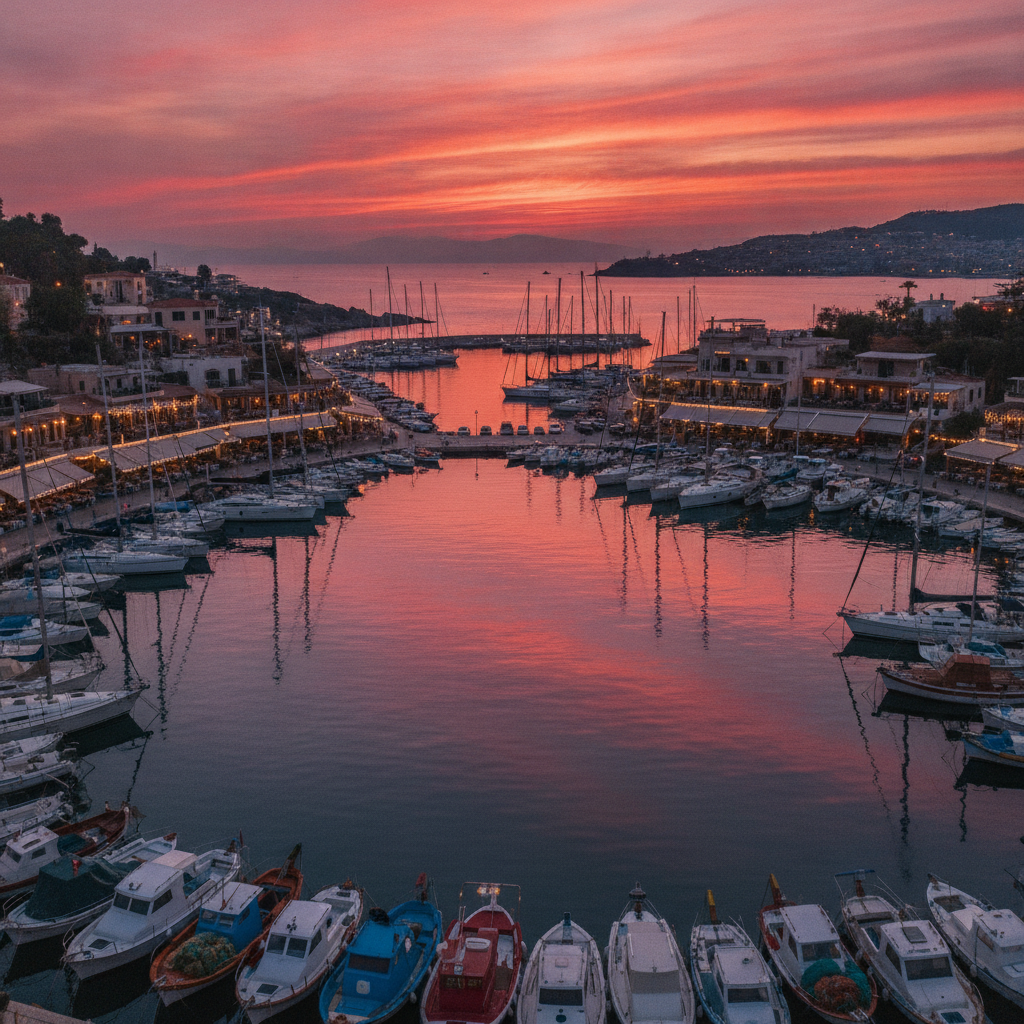
Piraeus, Mikrolimano & the Saronic Riviera: Athens' Ancient Port and Yacht Harbor
Piraeus — 10 km southwest of central Athens and connected by metro (Line 1, 25 minutes from Monastiraki) — is both the largest port in Greece (the largest passenger port in Europe, the third-largest in the world) and an ancient city in its own right, containing significant archaeological remains, a world-class museum of ancient naval equipment, and the most beautiful small yacht harbor in Attica at Mikrolimano.
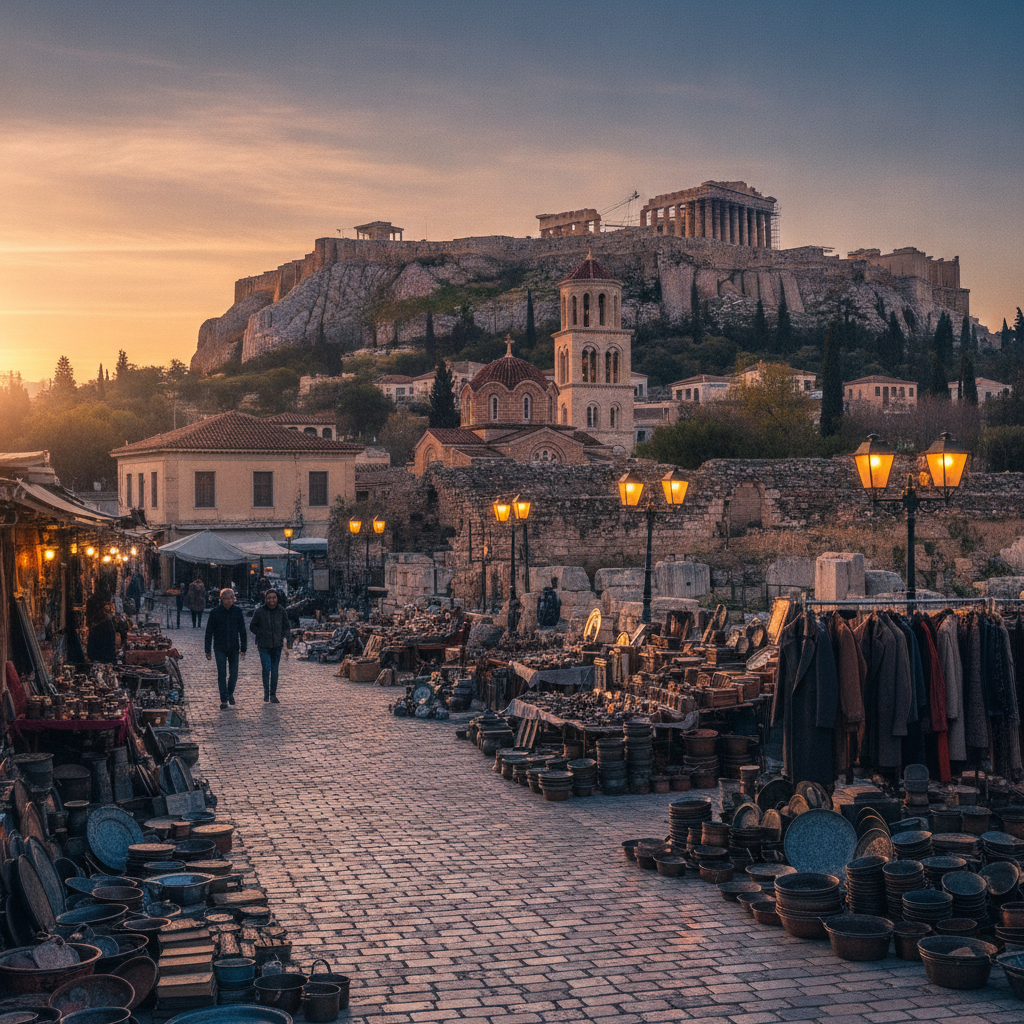
Plaka, Monastiraki & Psyrri: Athens Beneath the Acropolis
Plaka — the 'neighborhood of the gods', draped across the north and east slopes of the Acropolis — is the oldest continuously inhabited urban neighborhood in Europe: its street plan preserves the routes of ancient Athens beneath layers of Byzantine, Ottoman, and 19th-century neoclassical building. Adjacent Monastiraki and its famous flea market, and the post-industrial creative neighborhood of Psyrri, together form the liveliest and most historically layered few square kilometers in Greece.
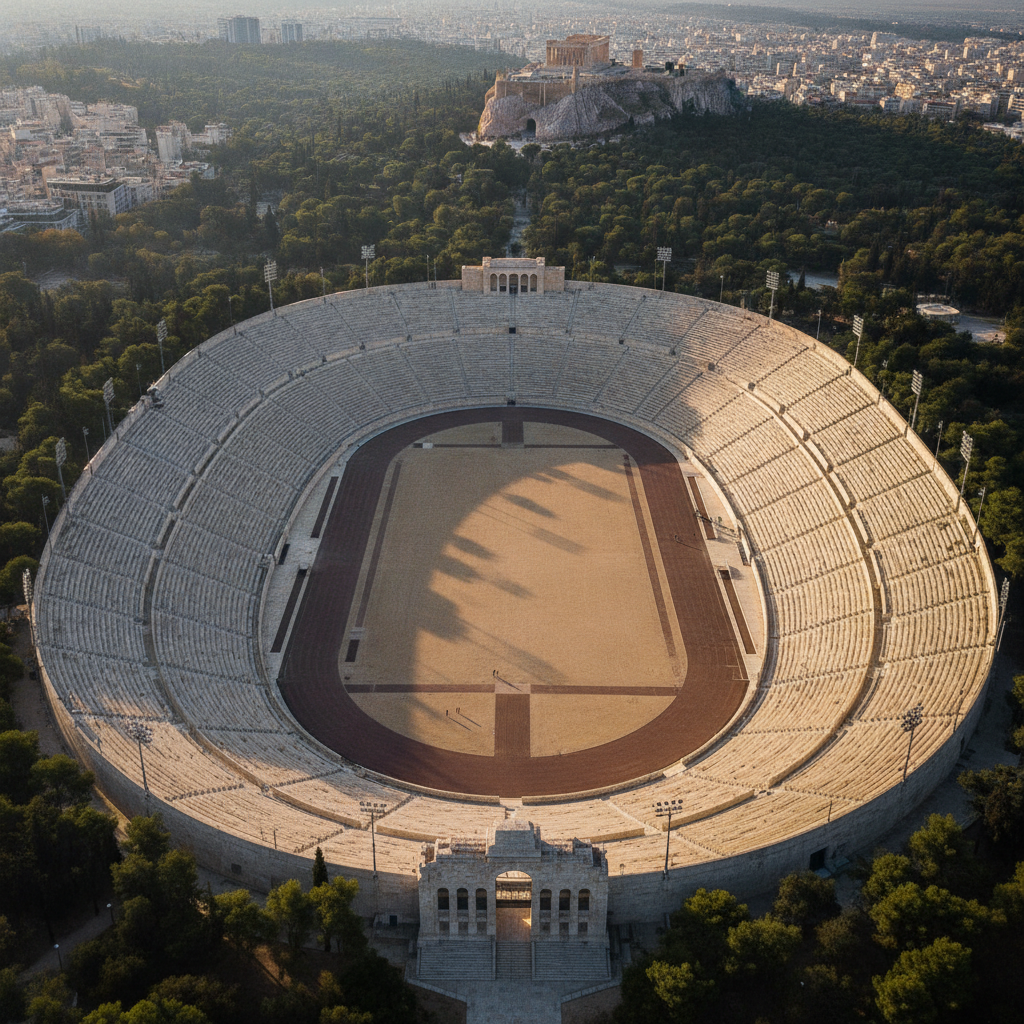
Panathenaic Stadium, Zappeion & National Garden: Olympic Legacy and Royal Athens
The southeast corner of central Athens — between the Acropolis, the Ilissos valley, and the Ardittos Hill — contains the most concentrated group of 19th-century neoclassical monuments in Greece, including the world's only all-marble stadium (venue of the 1896 Olympics), the Zappeion Exhibition Hall, the National Garden, and the Byzantine & Christian Museum, all within a 10-minute walk of each other.
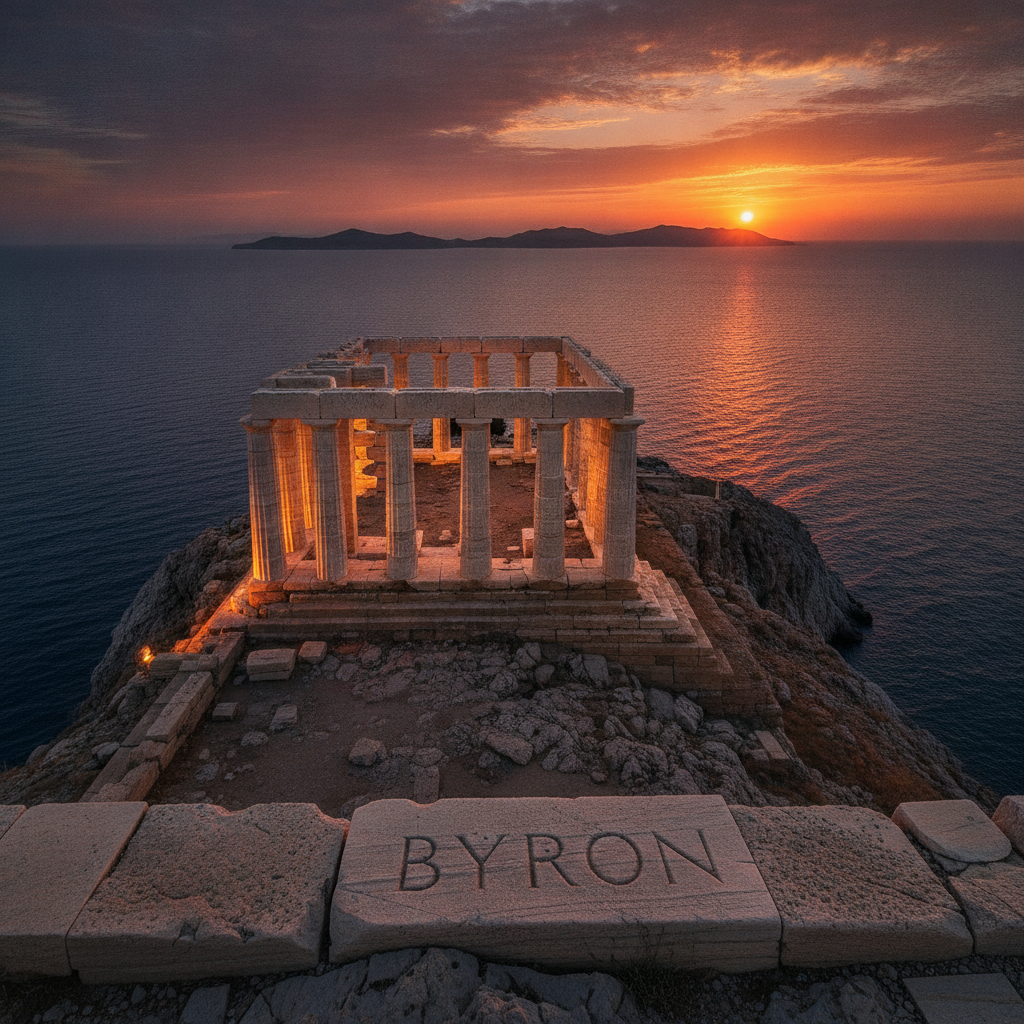
Cape Sounion & the Attica Coast: Poseidon's Temple Above the Aegean
The 70-km coastal drive from Athens along the Attica Riviera (Athenian Riviera) to Cape Sounion passes through the most exclusive seaside suburbs of Athens — Glyfada, Vouliagmeni, Varkiza — before reaching the dramatic promontory of Cape Sounion, where the marble Temple of Poseidon (444 BC) stands 60 meters above the Aegean. This is one of the most scenic coastal drives in Europe, combining ancient mythology, crystalline swimming, and stunning landscape.
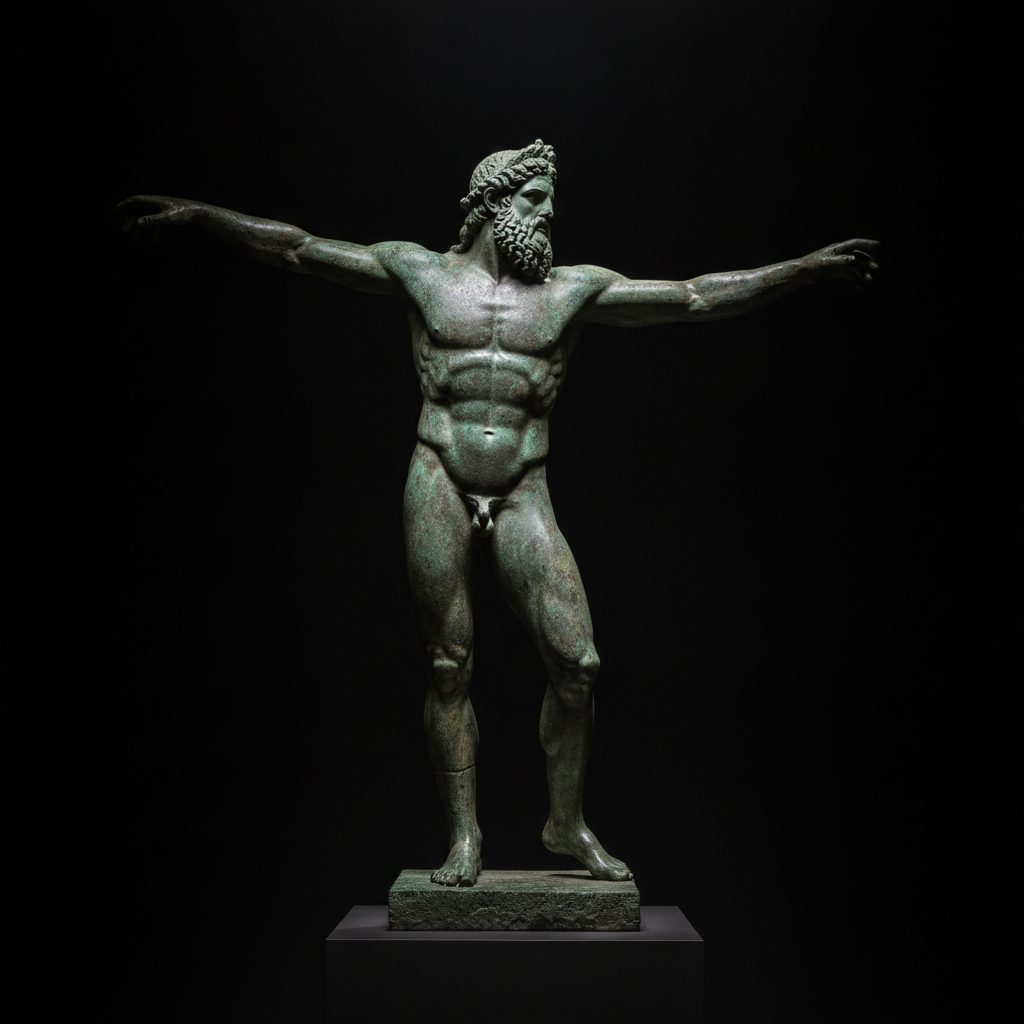
National Archaeological Museum & Exarcheia: Greece's Greatest Treasures
The National Archaeological Museum of Athens — founded 1829, in its current building since 1889 — is the largest archaeological museum in Greece and one of the most important in the world, housing objects that span 7,000 years of Greek civilization from the Neolithic period to Late Antiquity. Adjacent to the museum, the Exarcheia neighborhood — historically Athens' intellectual and anarchist quarter, home to the Polytechnic whose 1973 student uprising helped end the military junta — remains one of the most socially and culturally distinctive urban neighborhoods in Europe.
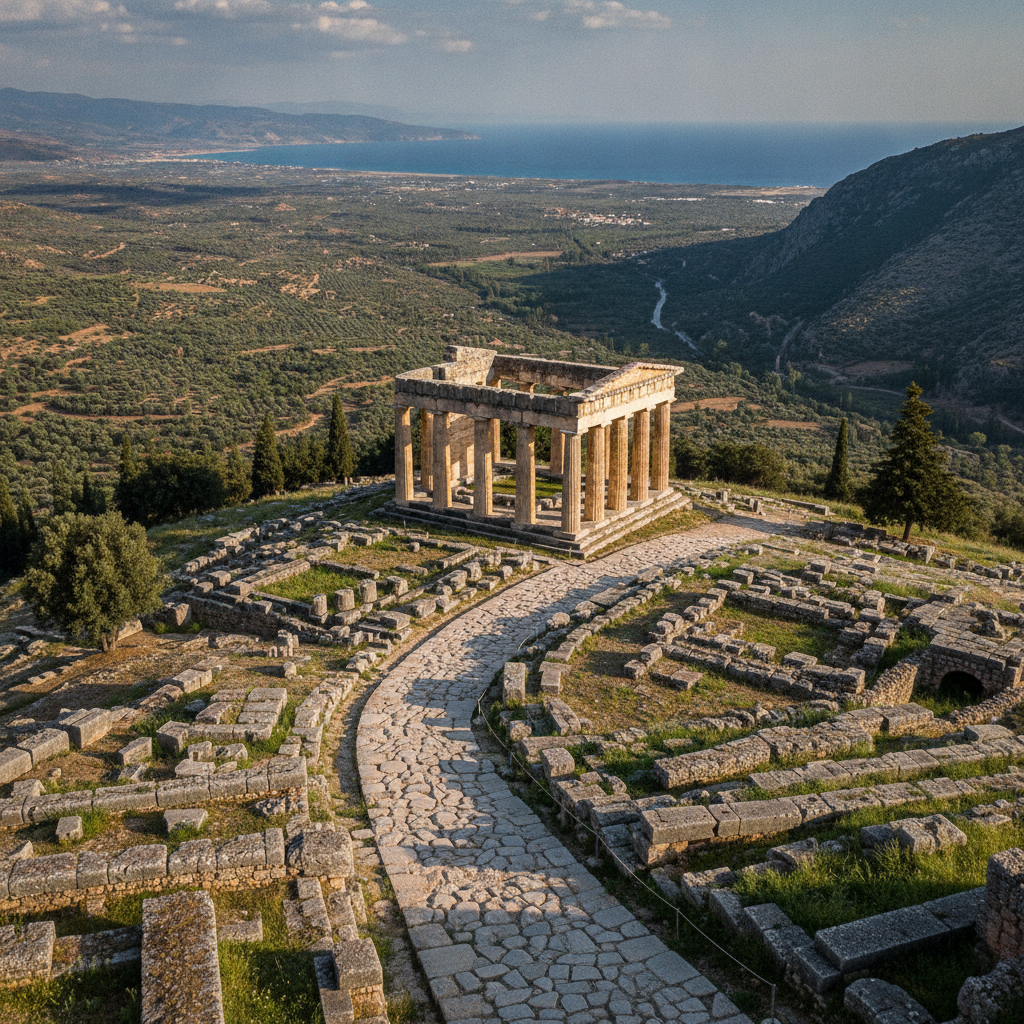
Delphi & Mount Parnassus: The Navel of the Ancient World
The day trip from Athens to Delphi (178 km, approximately 2.5 hours by car via the Athens-Lamia motorway and the E65 national road) is the single most rewarding archaeological excursion from the Greek capital, visiting the sanctuary that the ancient Greeks considered the center of the world (omphalos/navel) and the source of divine wisdom through the Oracle of Apollo — one of the most important religious sites of antiquity.
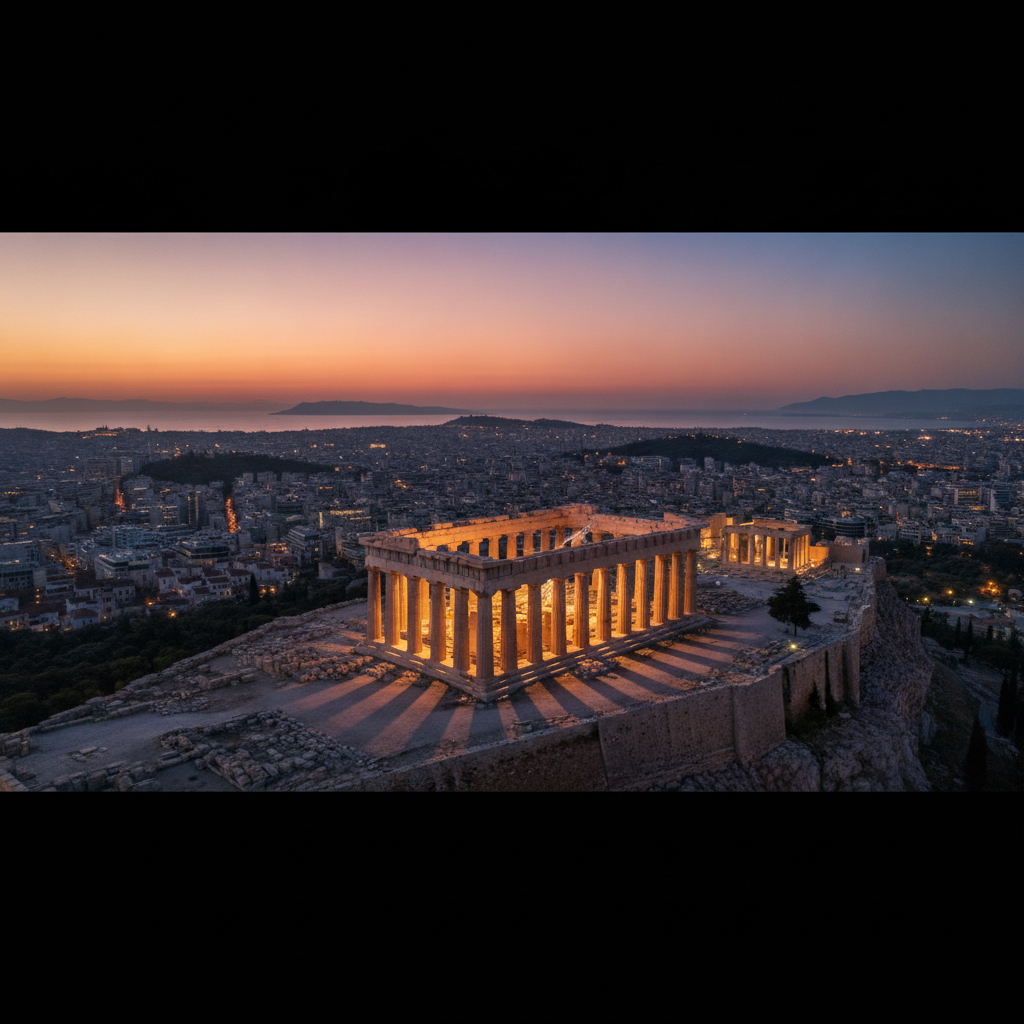
Acropolis, Parthenon & Ancient Agora: The Heart of Classical Athens
The Sacred Rock of the Acropolis — rising 156 meters above the Attic plain — has been the religious, political, and symbolic center of Athens for over 3,500 years. The complex of temples built between 447 and 406 BC under the direction of the statesman Pericles and the sculptor Pheidias represents the highest achievement of Classical Greek architecture and art, and forms the foundation of the Western architectural tradition. Below the Acropolis, the Ancient Agora was the civic heart of ancient Athens — the marketplace, law court, philosophical gathering place, and political center where Socrates taught, Demosthenes argued, and Paul of Tarsus debated the Stoics.
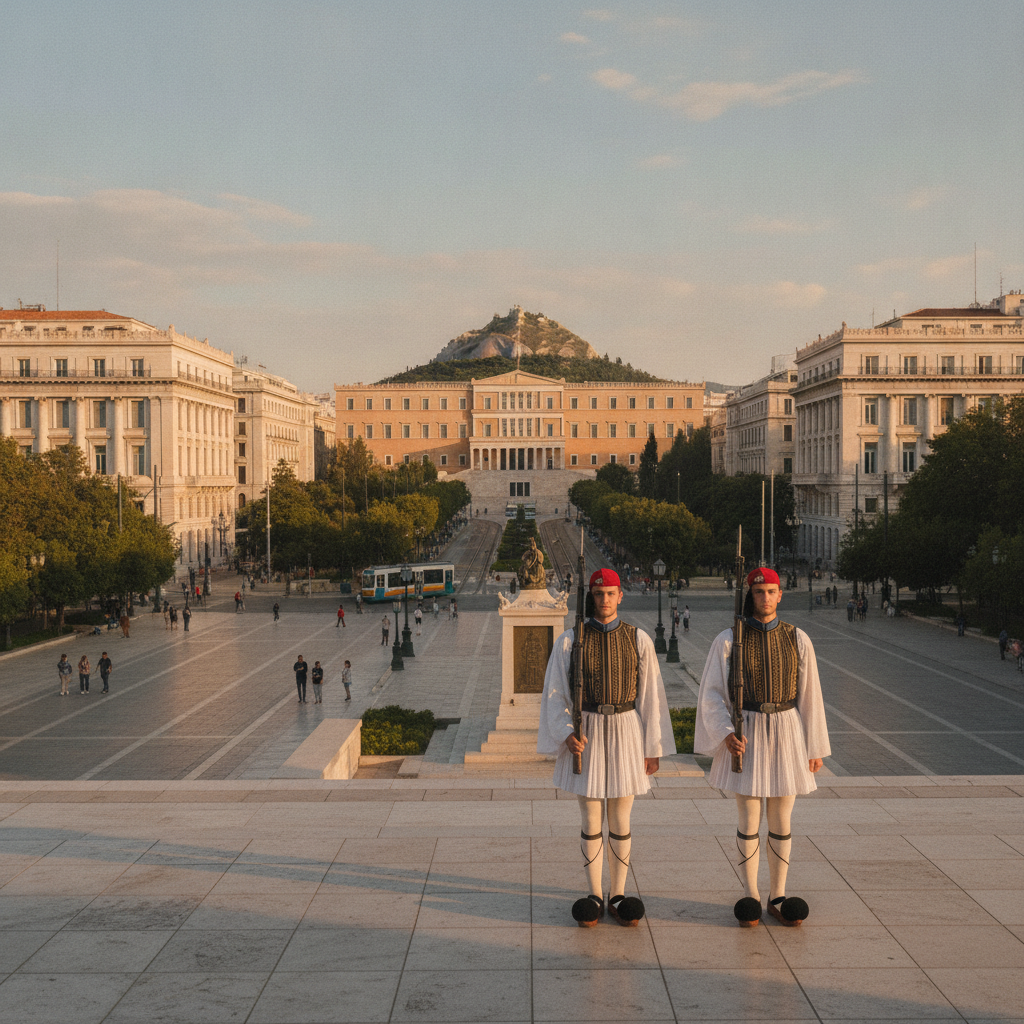
Syntagma, Parliament & Kolonaki: Athens' Neoclassical Heart
The area stretching from Syntagma (Constitution) Square northeast to the slopes of Lycabettus Hill encompasses the political, diplomatic, and social elite of Athens — the Hellenic Parliament in the former Royal Palace (1843), the embassies along Vasilissis Sofias Avenue, the upscale Kolonaki neighborhood, and several of Athens' finest museums including the Benaki Museum, the Cycladic Art Museum, and the War Museum.