Santorini
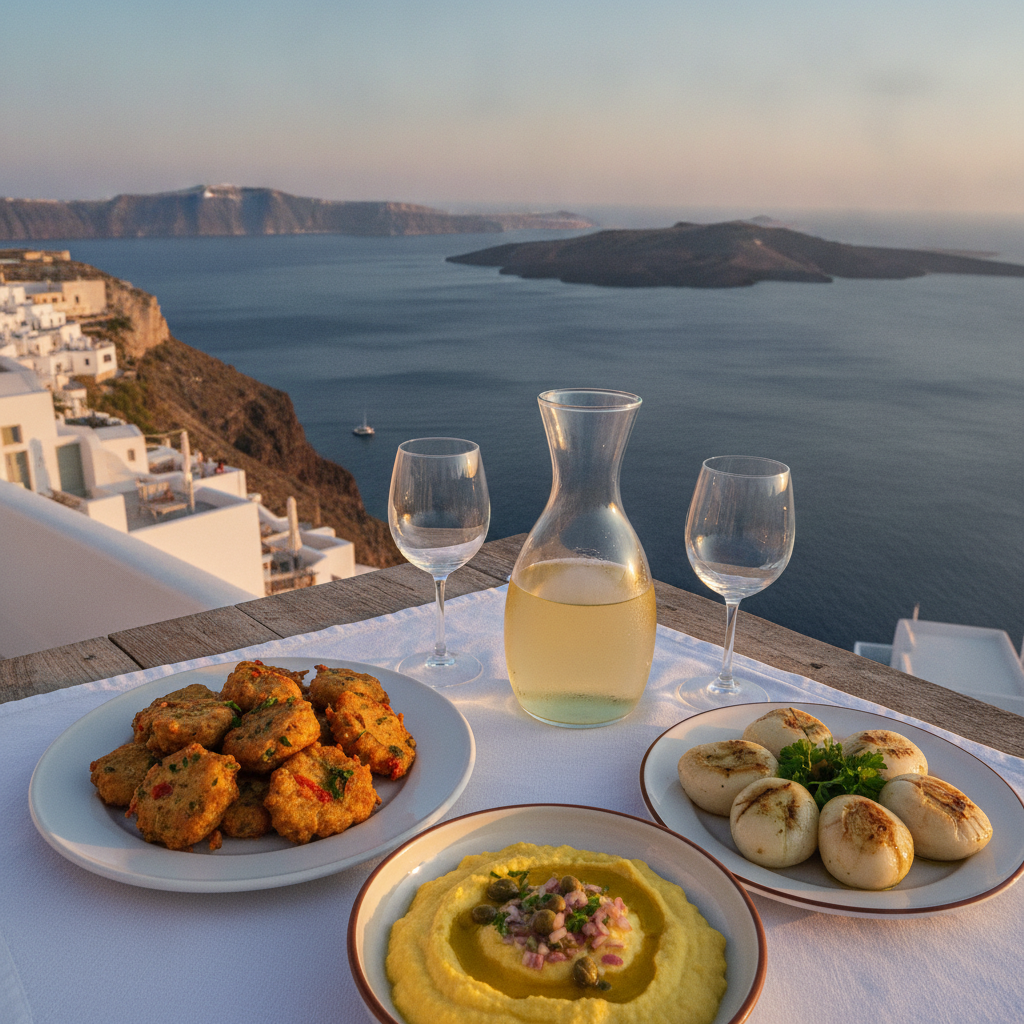
Santorini Food & Wine — Assyrtiko, Fava, Tomatokeftedes & Local Products
The Santorini food tradition (the produce of the volcanic soil, which provides exceptional mineral richness to the island's endemic varieties of tomato, fava bean, white aubergine, and grape, combined with the Aegean seafood of the caldera fishing boats) creates a distinct and immediately recognizable cuisine entirely different from mainland Greek cooking.
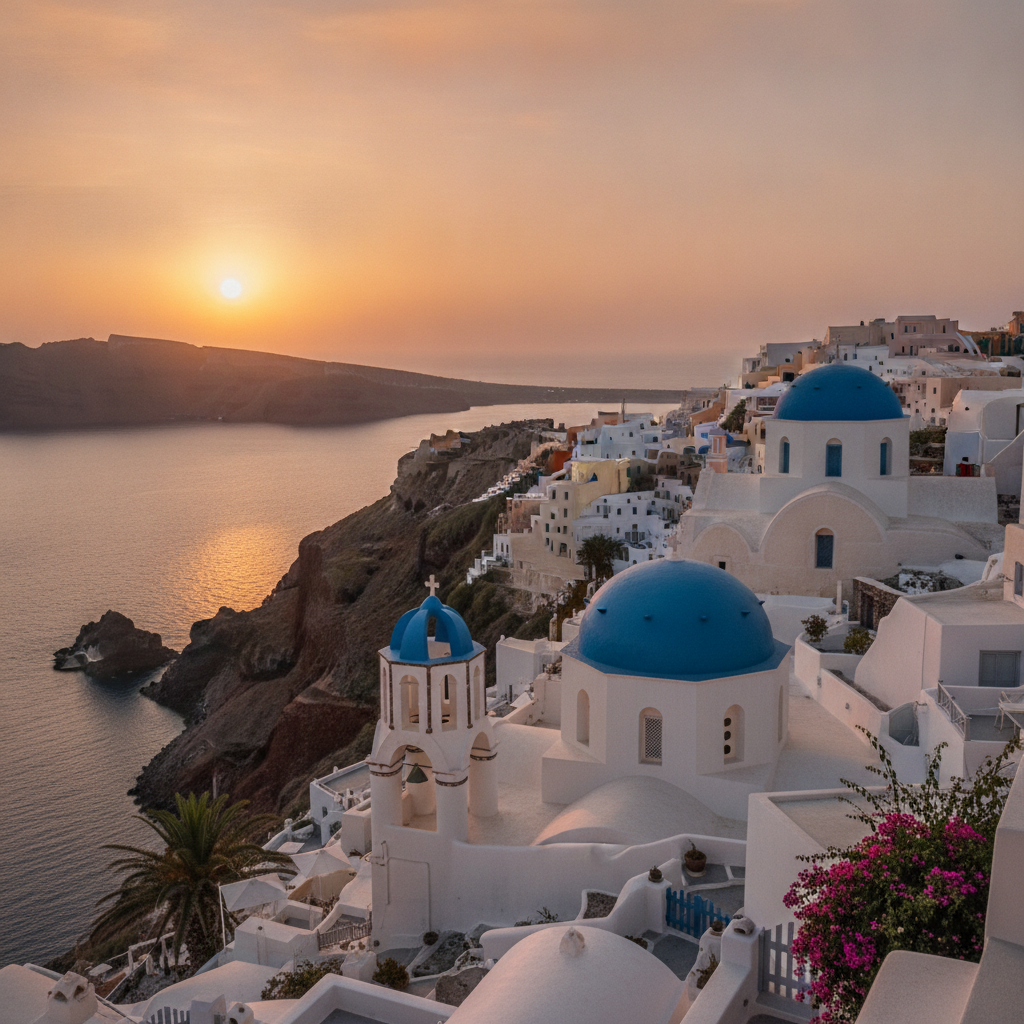
Oia — the Blue-Domed Village, Caldera Views & the Most Famous Sunset in Greece
Santorini (the volcanic island of 15,000 permanent residents in the southern Cyclades, the collapsed caldera of the 3,600 BCE Minoan eruption — one of the largest volcanic events in recorded human history — which may be the origin of the Atlantis legend, a UNESCO-protected cultural landscape, accessible by ferry from Athens in 8 hours or by flight from Athens in 50 minutes) is the most photographed island in the Mediterranean.
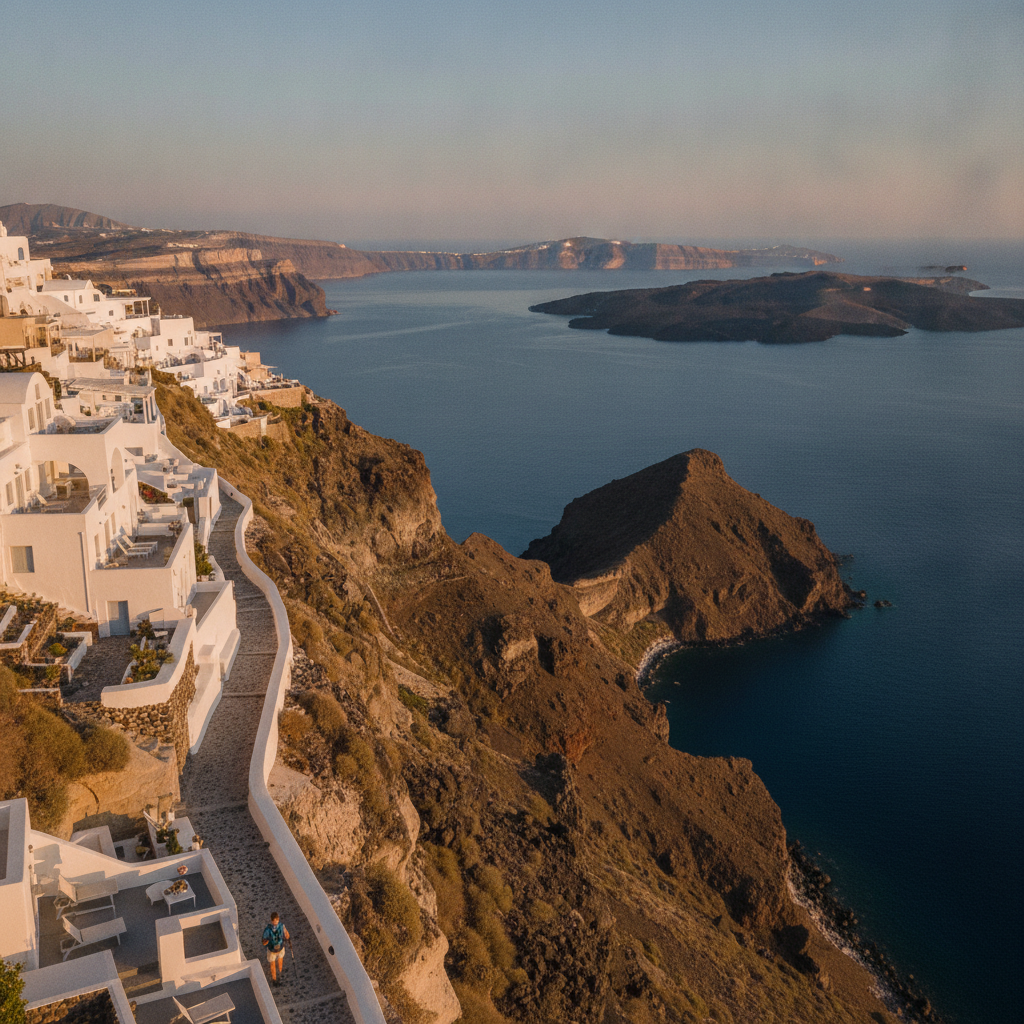
Santorini Villages & Hiking — Emporeio, Megalochori, Pyrgos & the Inland Island
The Santorini of the travel photography (the white and blue of Oia, the infinity pools, the caldera sunsets) is one half of the island; the other half — the inland villages of Emporeio, Megalochori, and Pyrgos, the traditional Cycladic village life entirely free of tourism, the volcanic landscape and the wind-swept agricultural terraces — is the half worth discovering once the caldera rim has been covered.
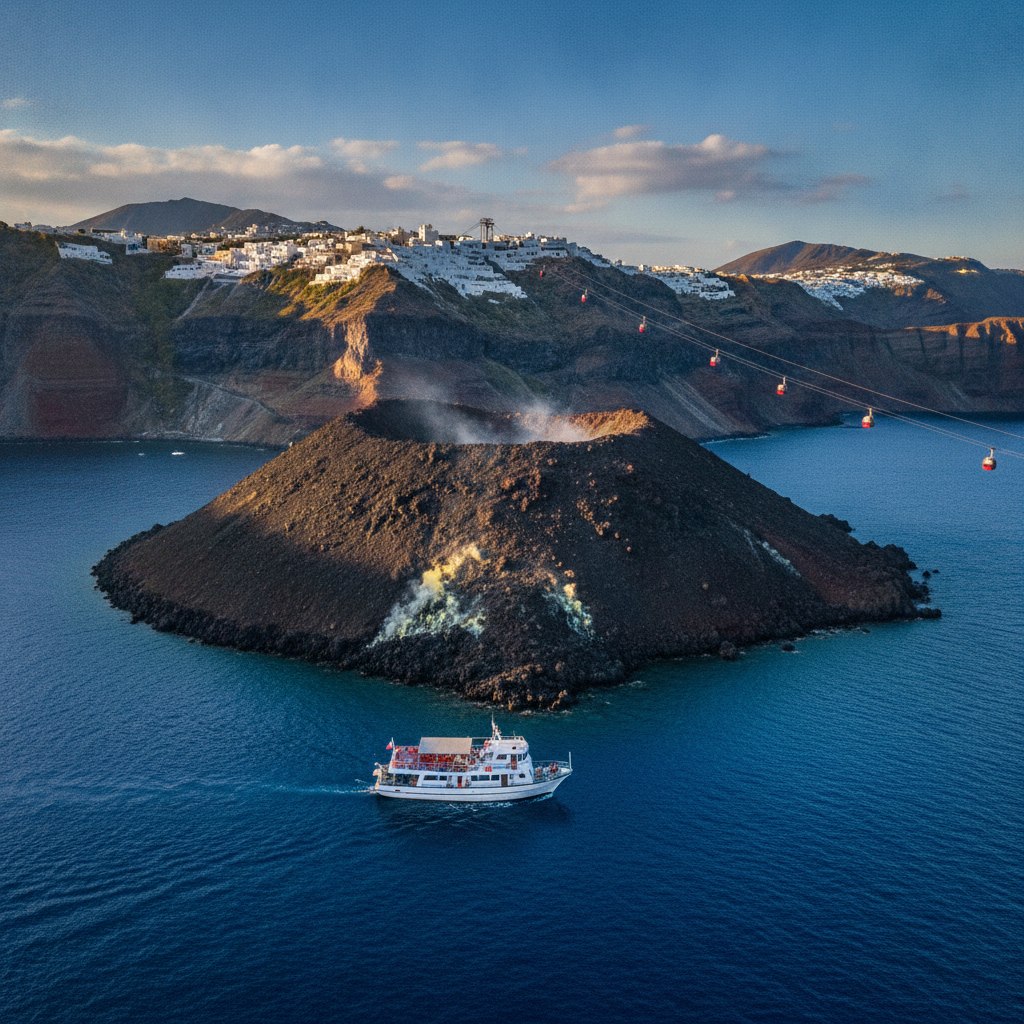
Santorini Caldera Boat Tour — the Volcano, Hot Springs & Thirasia Island
The Santorini caldera (the drowned volcanic crater 12km across and 400m deep, the result of the 3,600 BCE Minoan eruption that collapsed the original cone volcano into the sea, the caldera still volcanically active — the last eruption was in 1950, the most recent earthquakes registering 5.8 magnitude in 2021) is explored by boat from the Old Port of Fira (Skala Fira) or the Ammoudi Bay port under Oia.
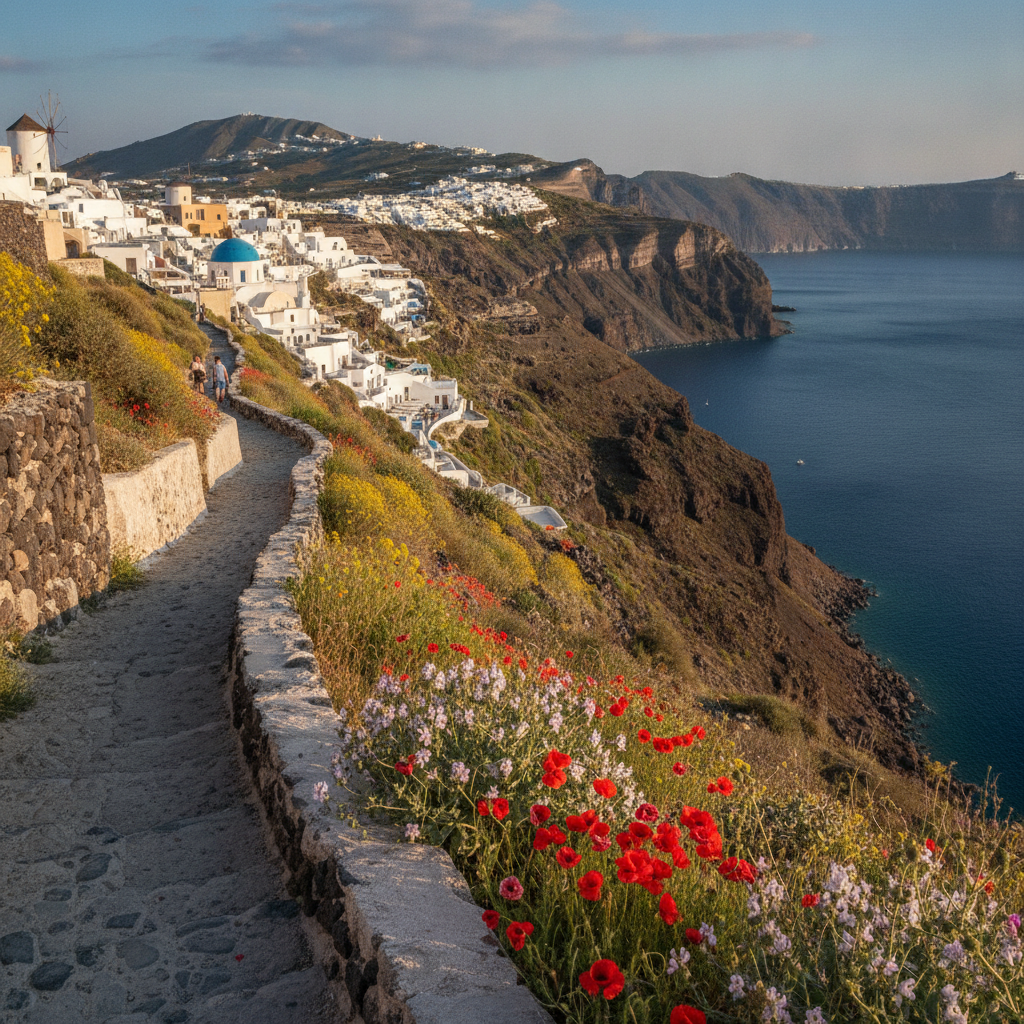
Santorini Practical Guide — When to Visit, Logistics, Beaches & the Caldera Rim Walk
Santorini receives approximately 2 million visitors per year on an island of 76km squared with 15,000 permanent residents. The peak season (July-August) transforms the island into the most intensively visited per-square-kilometre destination in Greece, requiring specific timing and logistical preparation for a genuinely rewarding visit.
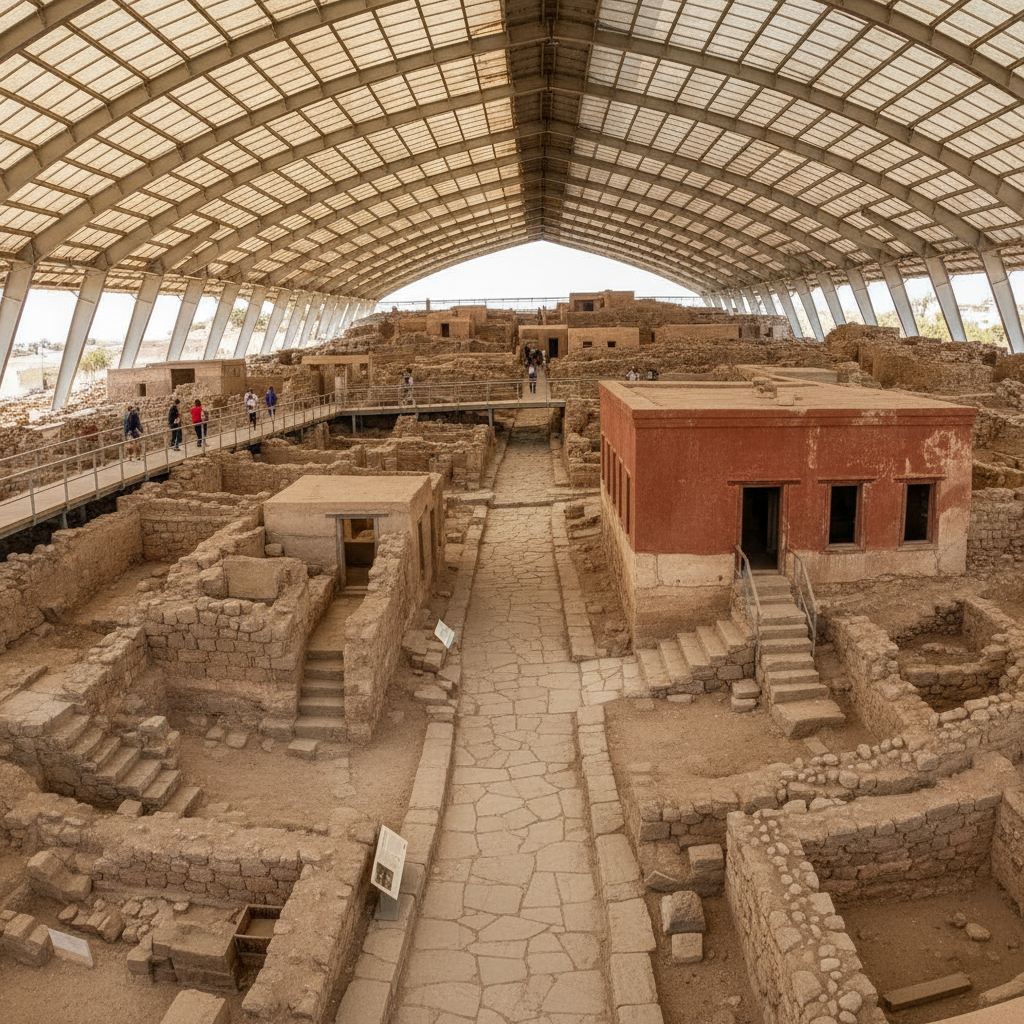
Santorini Ancient History — Akrotiri, the Minoan Eruption & the Atlantis Hypothesis
Santorini's ancient history (the Bronze Age Minoan city of Akrotiri preserved under volcanic ash, the 3,600 BCE Minoan eruption that may have contributed to the collapse of Minoan civilization on Crete, the subsequent Greek colonization of the island and the founding of Ancient Thera) is the intellectual counterweight to the island's contemporary sunset-and-infinity-pool tourism.