ho-chi-minh-city
Entdecke Routen, Sehenswürdigkeiten und Reiseführer in Ho Chi Minh City.
9 Routen
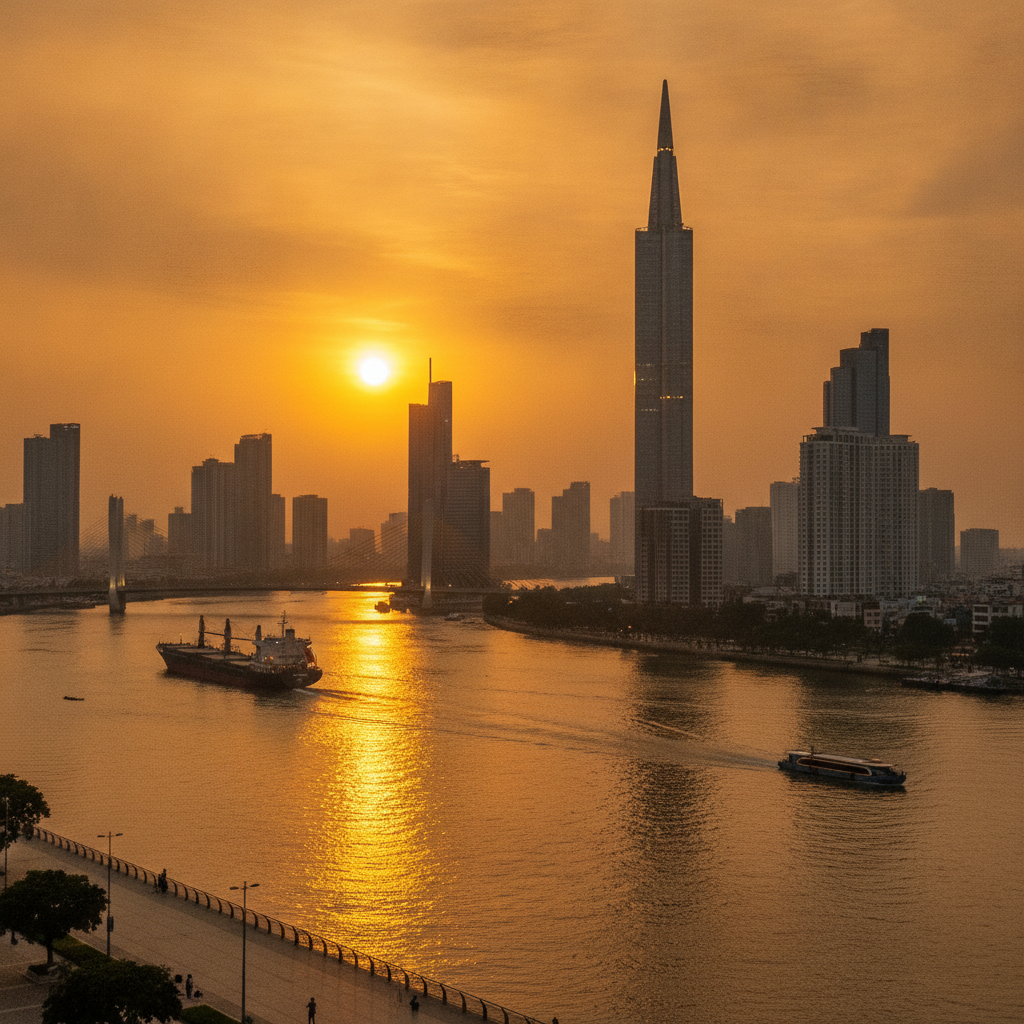
Saigon-Fluss, Bezirk 2 & das Neue Gesicht von Ho-Chi-Minh-Stadt
Das Flussufer des Saigon-Flusses und das aufkommende Bezirk 2 zeigen ein radikal anderes Gesicht von Ho-Chi-Minh-Stadt — die ultramoderne neue Stadt, die am Ostufer des Saigon-Flusses entsteht, ist Vietnams ehrgeizigste Stadtentwicklung.
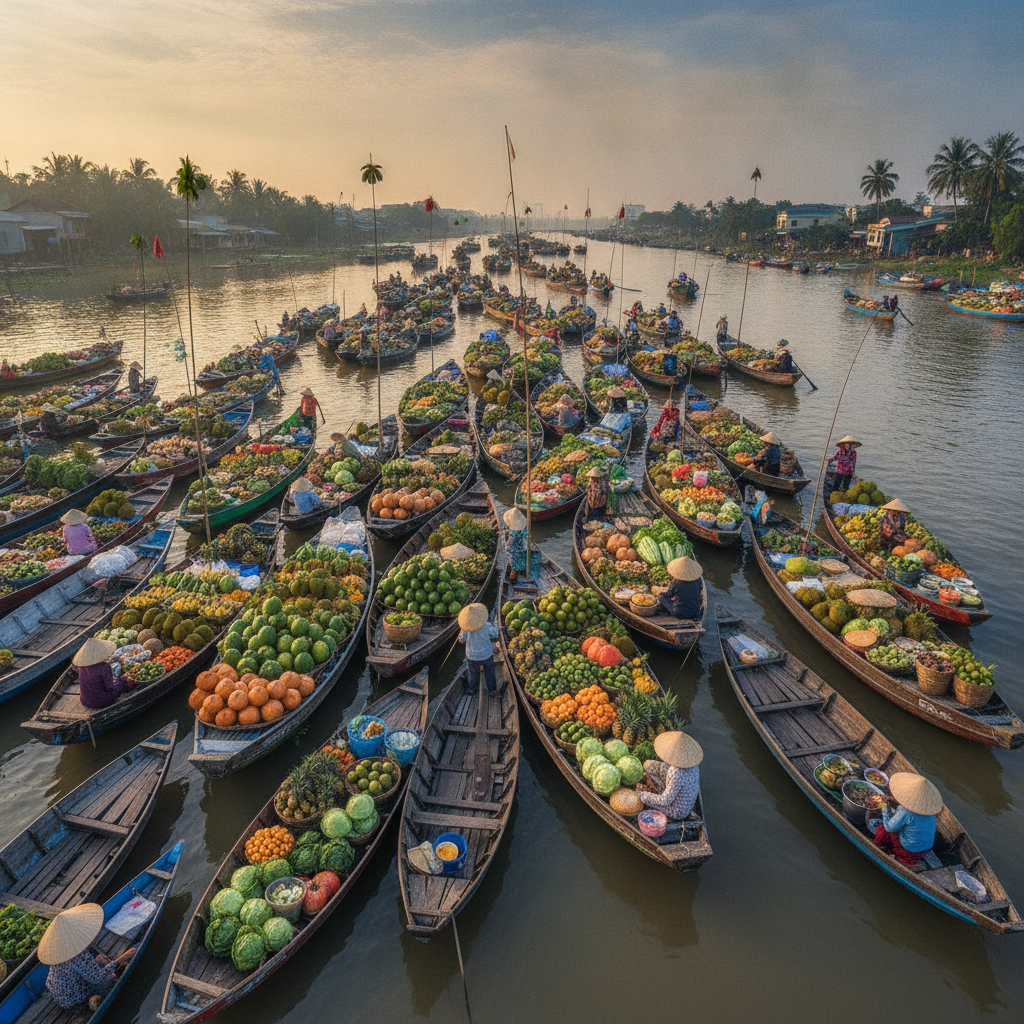
Mekong-Delta & Schwimmende Märkte — Die Flusswelt Jenseits Saigons
Das Mekong-Delta (Đồng bằng sông Cửu Long — das riesige Flussdelta des Mekong-Flusses im Südwesten Vietnams, das etwa 39.000 km² bedeckt und etwa 17 Millionen Menschen beherbergt) ist das wesentliche Ausflugsziel von Ho-Chi-Minh-Stadt.
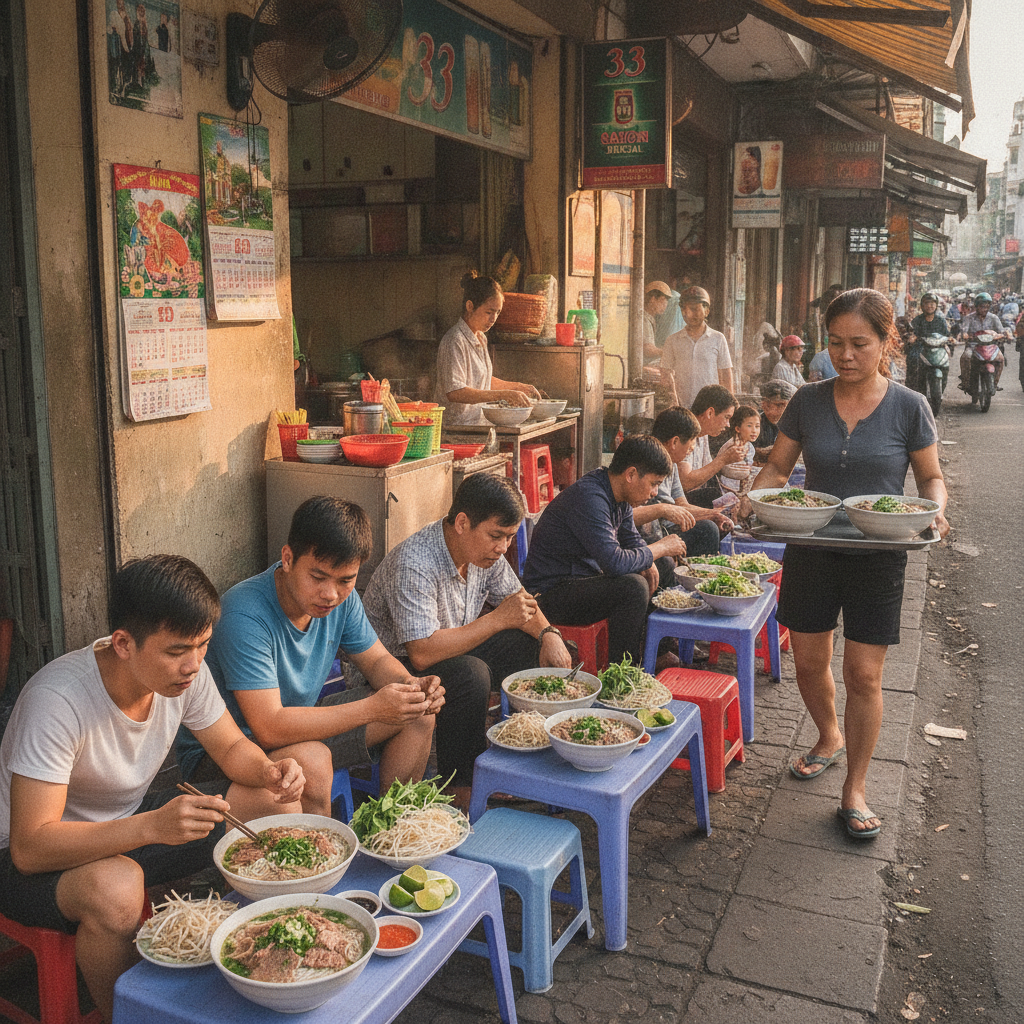
Phở, Bánh Mì & Saigons Straßenessen — Vietnam auf einem Teller
Vietnamese street food in Ho Chi Minh City (the most diverse and vibrant street food culture in Southeast Asia, encompassing the southern Vietnamese food traditions of Saigon and the surrounding Mekong Delta region alongside street food traditions from central and northern Vietnam): Ho Chi Minh City is the best single city in the world for Vietnamese food, with the full range of regional Vietnamese cuisines available at street stalls and local restaurants throughout the city.
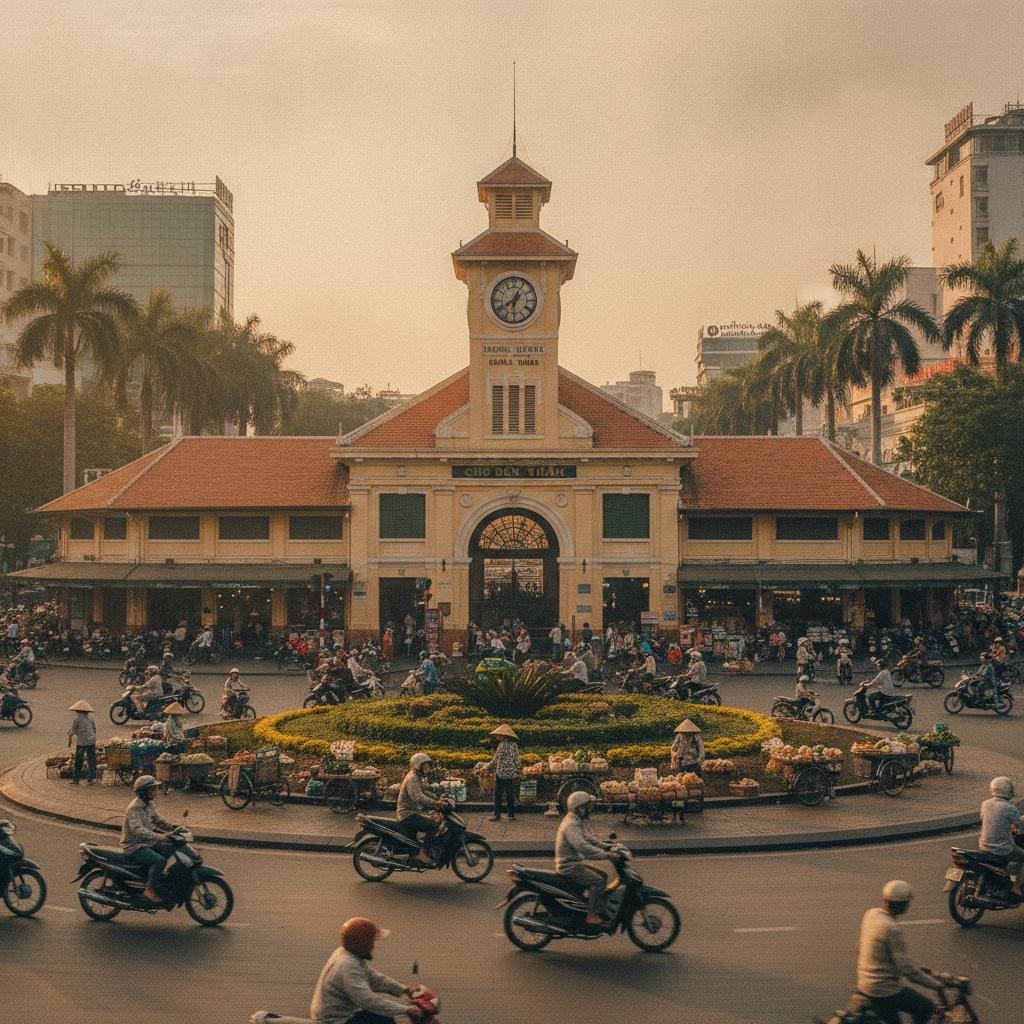
Ben-Thanh-Markt, Bezirk 1 & das Koloniale Herz Saigons
Bezirk 1 (Quận 1 — der zentrale Bezirk von Ho-Chi-Minh-Stadt, mit der höchsten Konzentration an französischer Kolonialarchitektur, Fünf-Sterne-Hotels, internationalen Restaurants und Touristenattraktionen) ist der historische Kern des französisch-kolonialen Saigons.
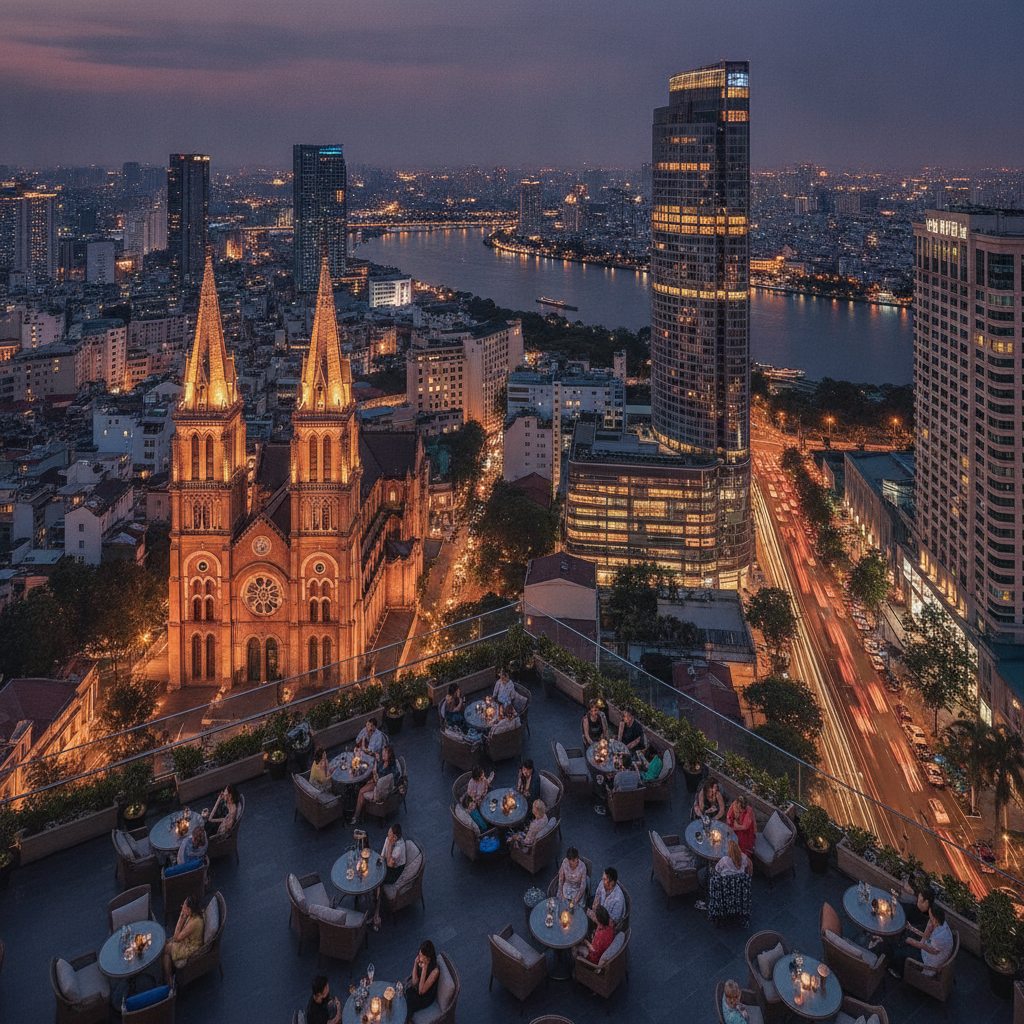
Saigon nach Einbruch der Dunkelheit — Rooftop-Bars, Nachtmärkte & die Stadt, die Niemals Schläft
Ho Chi Minh City's nightlife (one of the most energetic in Southeast Asia, characterized by the city's reputation as a 24-hour city where restaurants, street food stalls, and convenience stores operate through the night, and where the rooftop bar scene, the backpacker bar district of Bui Vien, and the Vietnamese craft beer and coffee culture coexist with the traditional street life of the city): Saigon's nightlife is simultaneously the most hedonistic and the most culturally interesting in Vietnam.
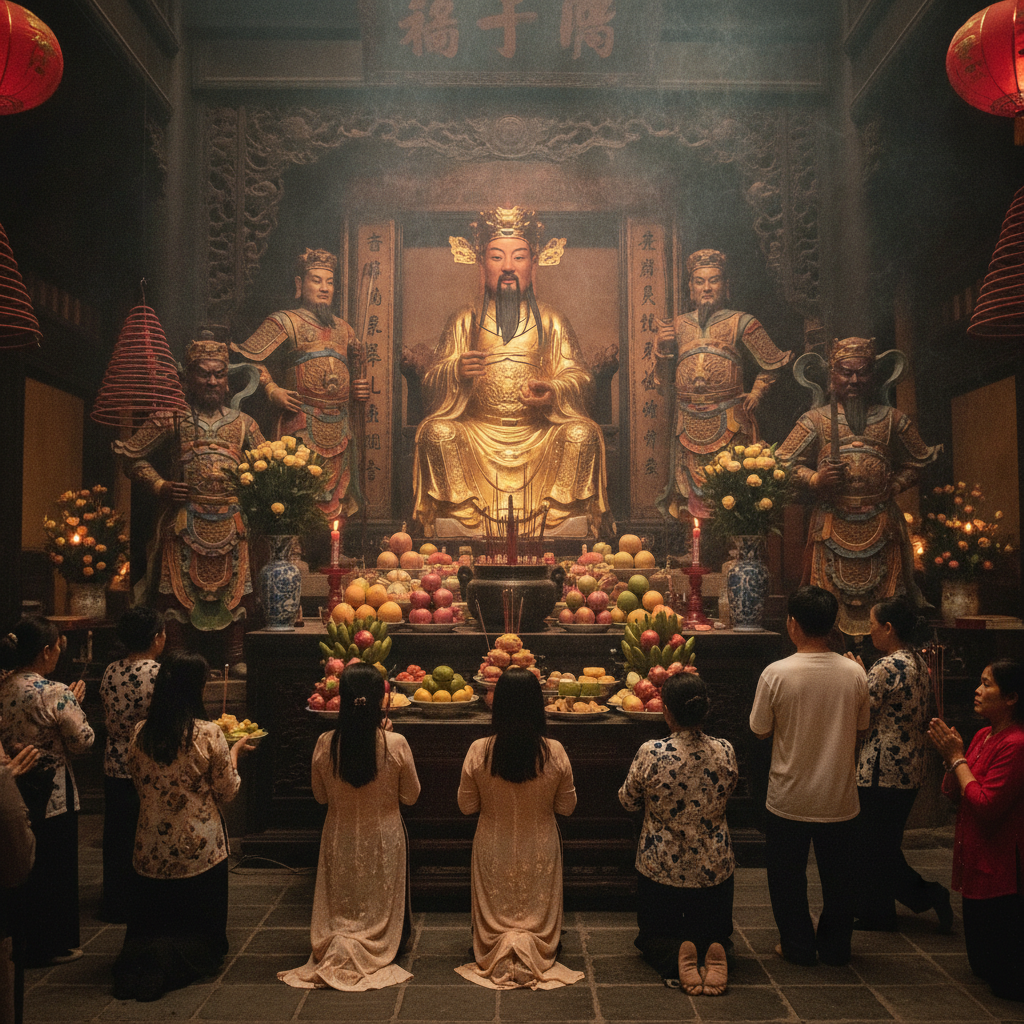
Jade-Kaiser-Pagode & Saigons Tempelkultur
Jade Emperor Pagoda (Chùa Phước Hải — 'Phước Hải Temple', also known as Chùa Ngọc Hoàng — 'Jade Emperor Pagoda', at 73 Mai Thị Lựu Street in District 1 — the most atmospheric Taoist temple in Vietnam and the most visited temple in Ho Chi Minh City): the pagoda (built in 1909 by the Cantonese immigrant community in Saigon, dedicated to the Jade Emperor (Ngọc Hoàng — the highest deity in the Taoist pantheon)) became famous internationally after US President Barack Obama visited during his May 2016 trip to Vietnam.
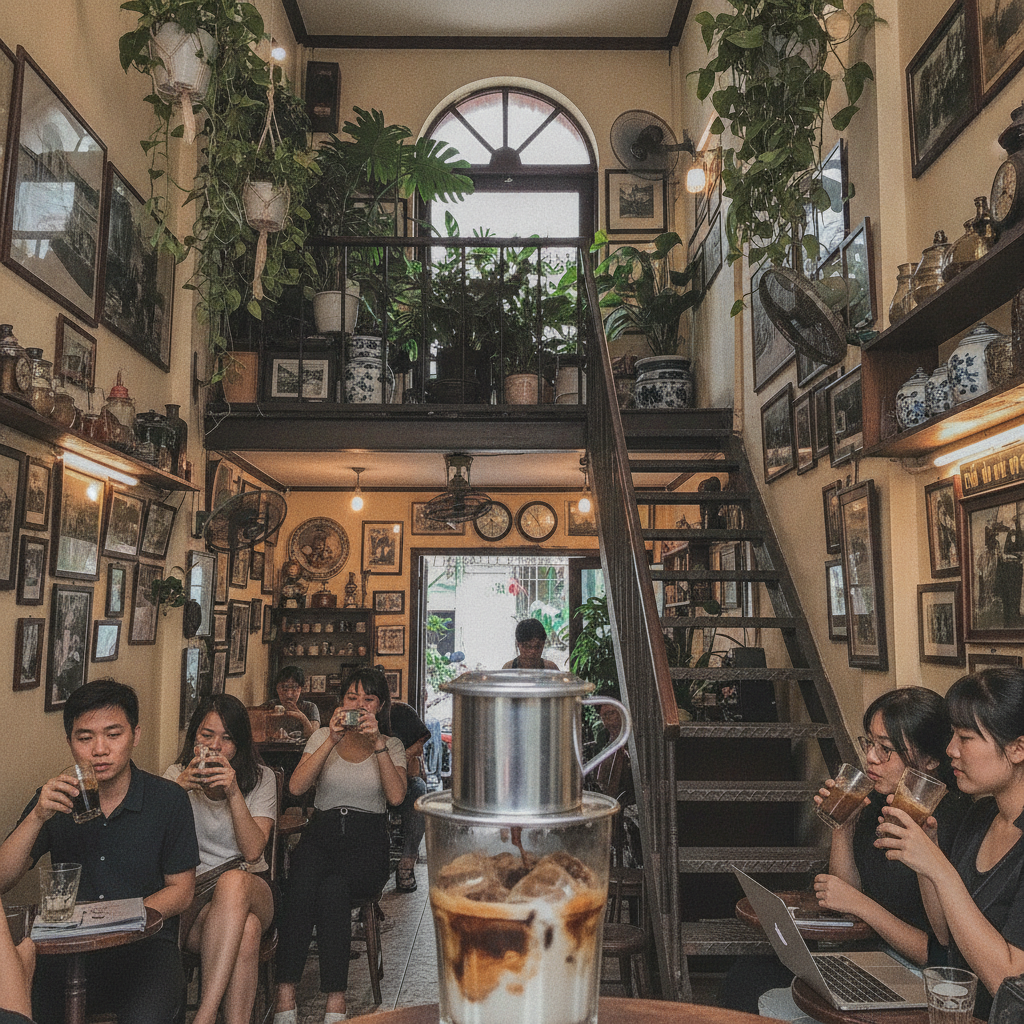
Saigons Kreative Szene — Zeitgenössische Kunst, Designviertel & Vietnamesischer Kaffee
Ho Chi Minh City's creative scene (the most dynamic in Vietnam, centred on the Design District (Khu Thiết kế) emerging around Nam Ky Khoi Nghia Street and the surrounding cafes, galleries, and creative studios of the former French Concession area of District 3): Ho Chi Minh City has undergone a remarkable creative renaissance since the mid-2010s, with a flourishing café culture, a growing contemporary art scene, and an internationally recognized graphic design and fashion industry.
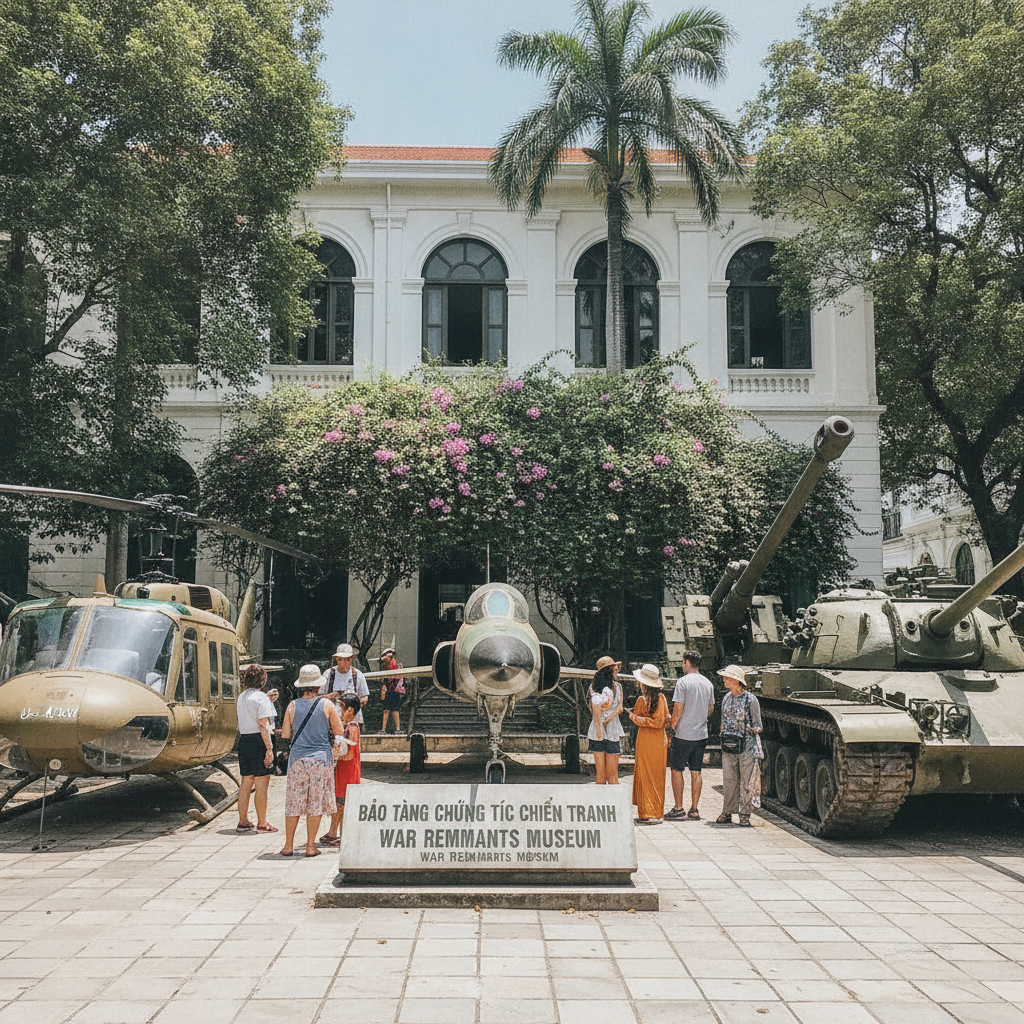
Kriegsüberreste-Museum, Cu-Chi-Tunnel & Geschichte des Amerikanischen Krieges
Ho-Chi-Minh-Stadt — die größte Stadt Vietnams (etwa 9-13 Millionen Einwohner), bis 1975 als Saigon bekannt, nach dem Fall der Stadt am 30. April 1975 umbenannt — trägt in der Geschichte und den Überresten des Vietnamkriegs ihr für internationale Besucher bedeutendste Erbe.
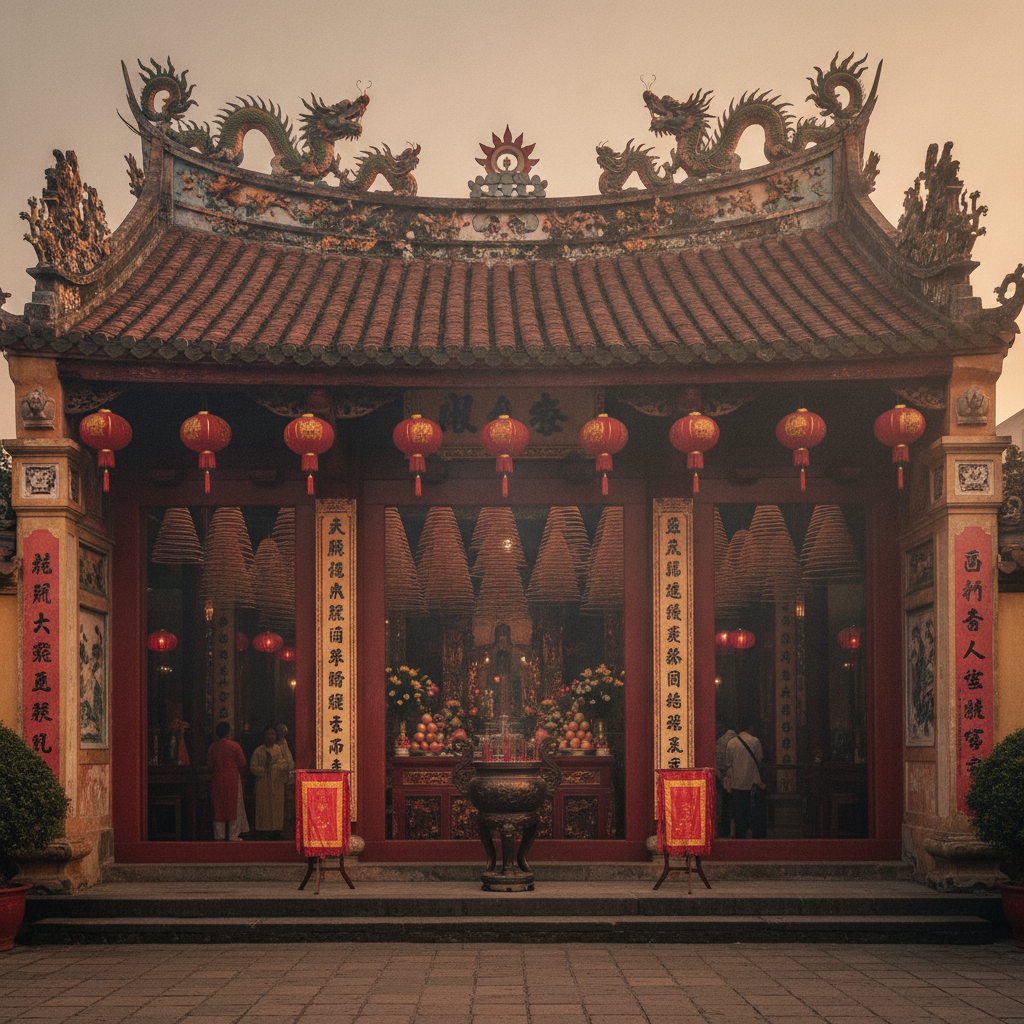
Cholon — Saigons Chinatown & die Chinesische Gemeinschaft in Bezirk 5
Cholon (Chợ Lớn — 'Big Market', the Chinatown of Ho Chi Minh City in District 5 and District 6 — the largest Chinatown in Southeast Asia and the commercial heart of Vietnamese Chinese (Người Hoa) culture in Vietnam): Cholon was historically the commercial engine of Saigon and remains the most economically important Chinese community in Vietnam, with a population of approximately 500,000 ethnic Chinese (Hoa) residents.