valencia
Entdecke Routen, Sehenswürdigkeiten und Reiseführer in Valencia.
9 Routen
Valencias Altstadt, Carmen-Viertel & Gotisches Erbe
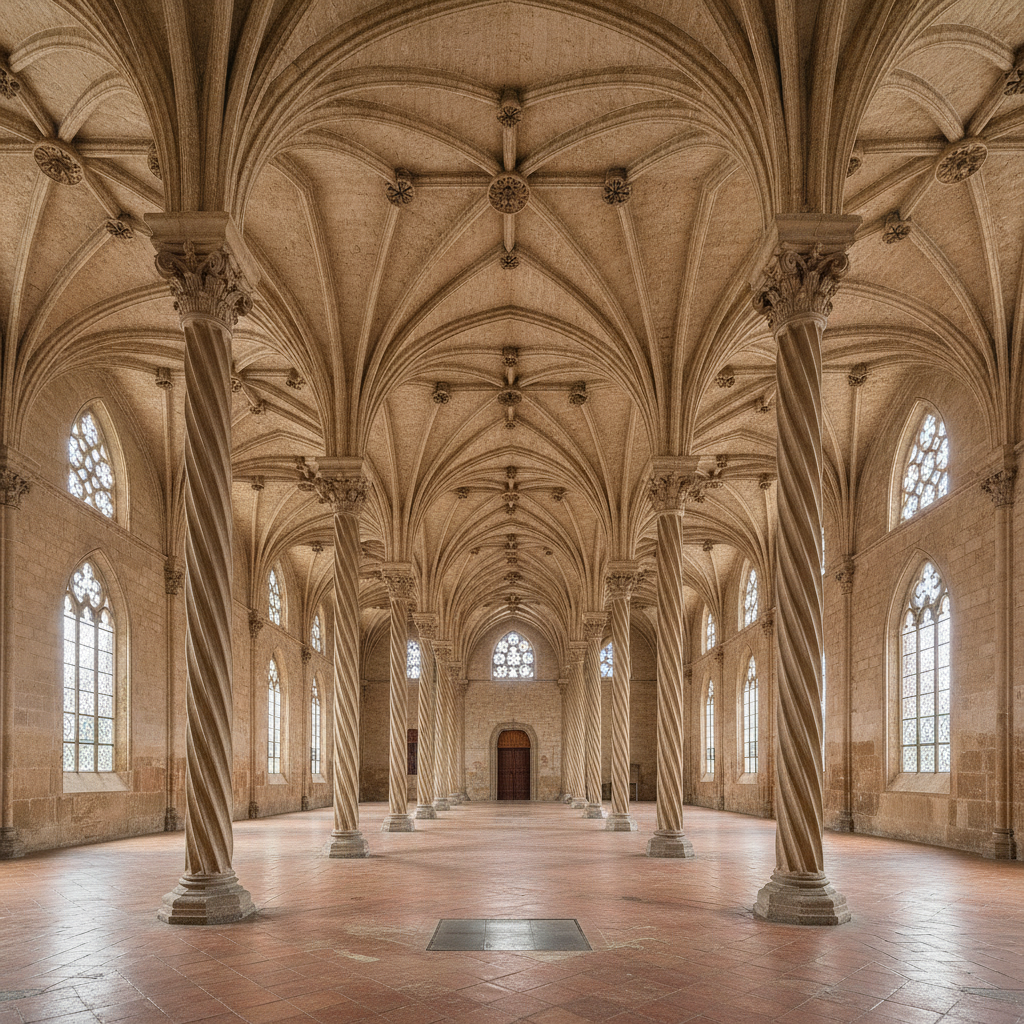
Valencia's historic centre — the 'Barrio del Carmen' (the oldest and most bohemian neighbourhood of Valencia, the warren of narrow streets between the two surviving sections of the medieval city walls), the Llotja de la Seda (the UNESCO World Heritage Site Gothic silk exchange, the finest civic Gothic building in Spain), the Valencia Cathedral (containing the 'Santo Cáliz' — the Valencian Holy Grail), and the Torres de Serranos (the spectacular 14th-century Gothic city gate) — together form the compact and extraordinarily rich medieval city centre of one of the great medieval kingdoms of Spain.
Paella, Zentralmarkt & Valencias Gastronomische Seele
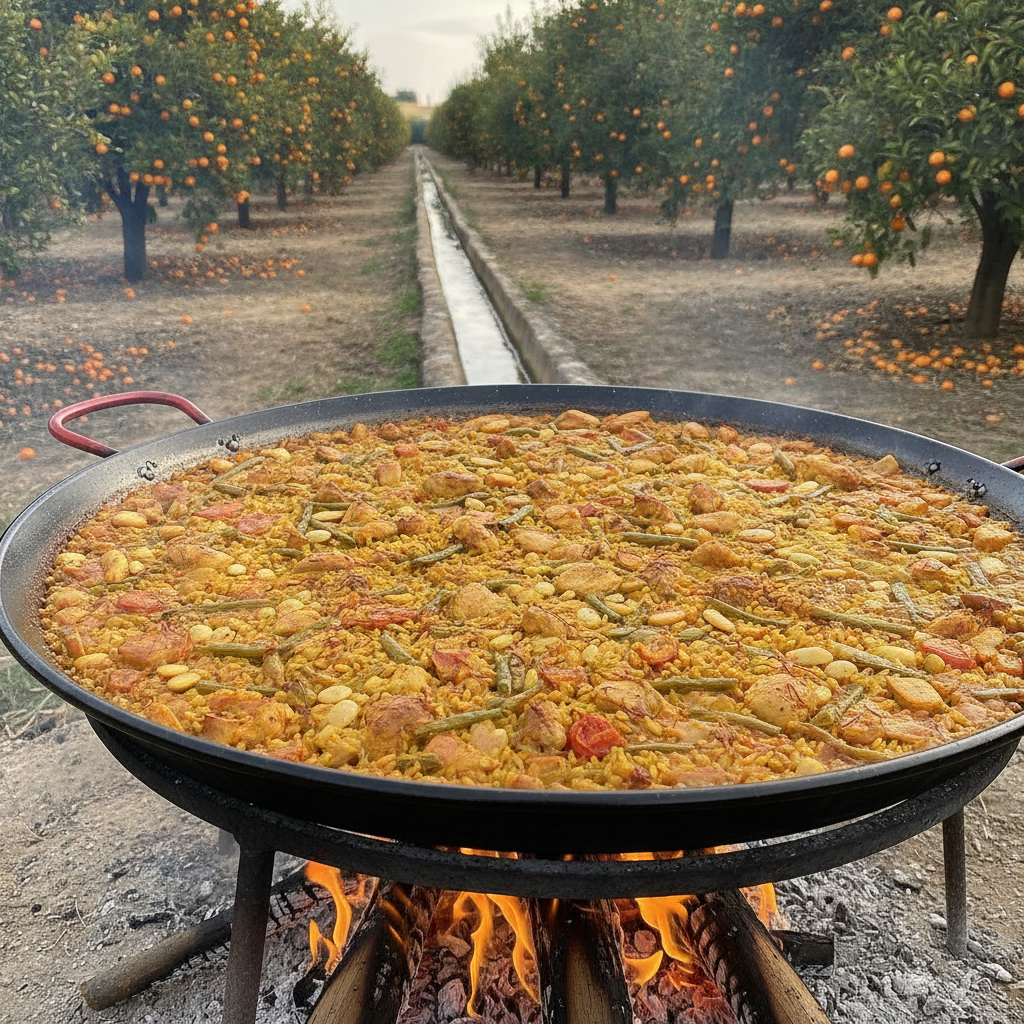
Valencia ist der Geburtsort der Paella (das Reisgericht, das das international bekannteste Gericht der spanischen Küche ist) und die Heimat des Mercado Central de Valencia (der größte überdachte Lebensmittelmarkt Europas — die prachtvolle Art-Nouveau-Markthalle von 1928, die das gastronomische Herz der Stadt ist).
Nationales Keramikmuseum, Valencianische Kacheln & Kunsthandwerk
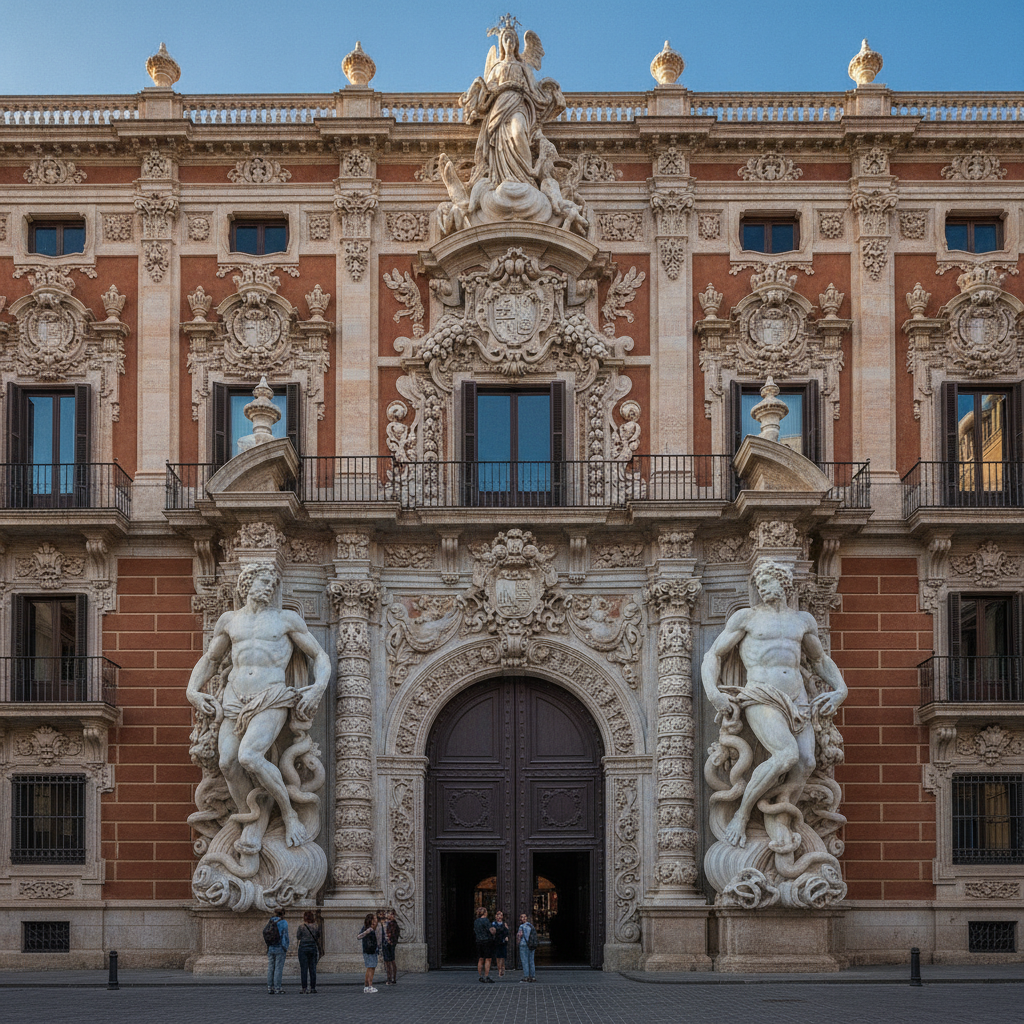
The Museo Nacional de Cerámica y Artes Suntuarias González Martí (the National Museum of Ceramics in the Palacio del Marqués de Dos Aguas — the 18th-century palace with the most extraordinarily ornate Baroque alabaster entrance portal in Spain) is the pre-eminent museum of Spanish ceramics, housing the finest collection of Valencian ceramic tiles ('azulejos'), the historic pottery of Manises and Paterna, and the collection that traces the 2,000-year history of ceramics in the Iberian Peninsula.
Bioparc Valencia, Cabecera-Park & die Moderne Stadt
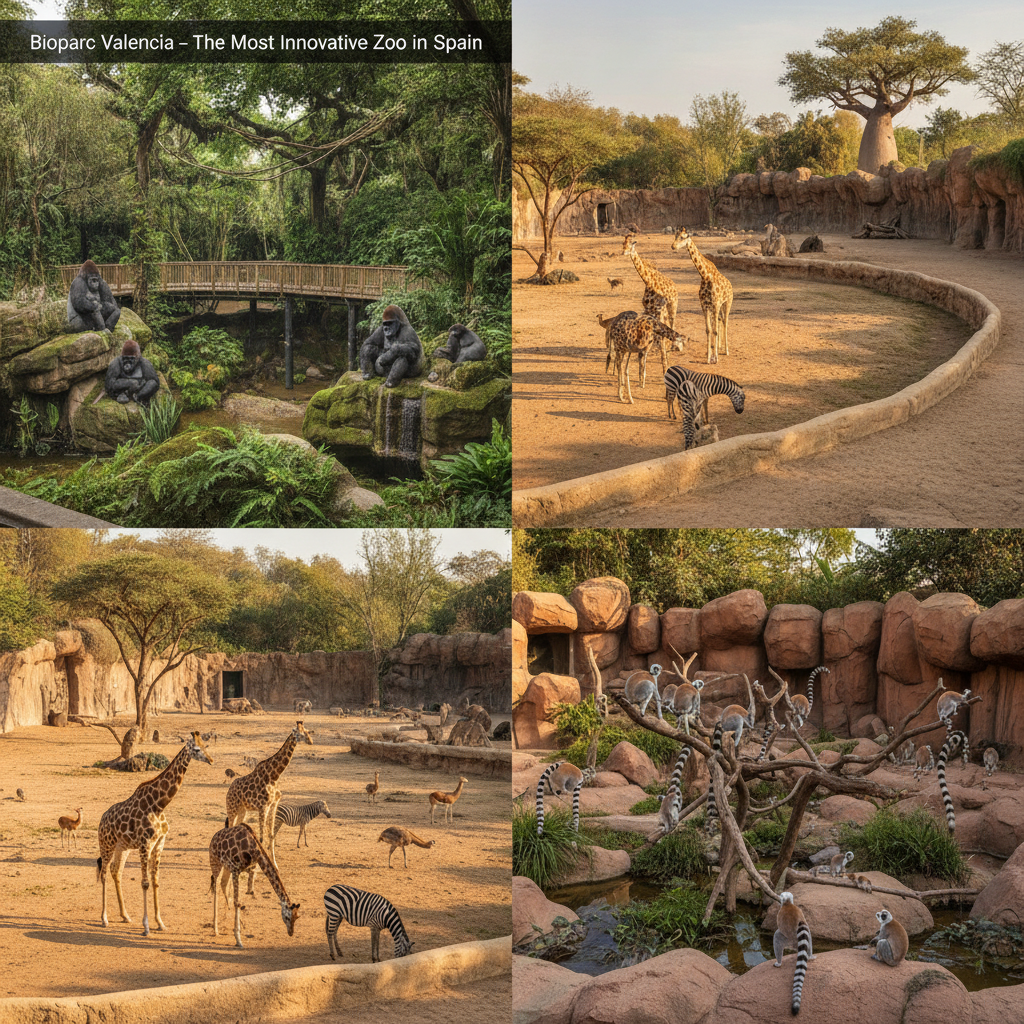
The Bioparc Valencia (the innovative zoo in the western end of the Jardí del Túria — the zoo that uses the 'zoo-immersive' concept where the traditional cages and barriers between the visitor and the animal are replaced by naturalistic habitat recreations without visible barriers, creating the illusion of free coexistence between the visitor and the animals) and the Parc de Capçalera (the park at the western head of the Jardí del Túria, with the lake and the gardens that mark the beginning of the former Turia riverbed park) together anchor the western end of Valencia's extraordinary linear park.
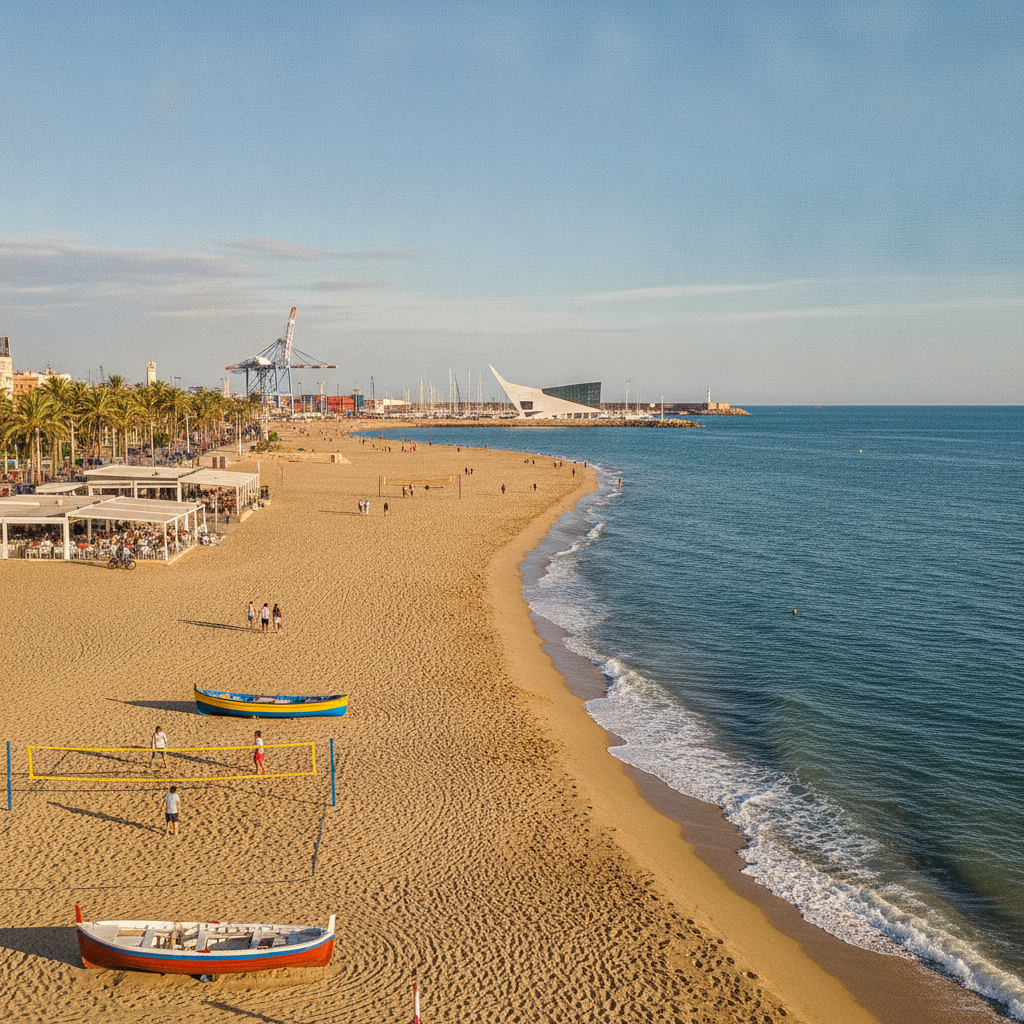
Malvarrosa Strand, Mittelmeerküste & Valencias Küstenleben
Valencia ist die einzige Großstadt Spaniens mit einem Stadtstrand in Fuß- oder Radfahrdistanz vom historischen Zentrum — die Playa de la Malvarrosa und die benachbarte Playa de las Arenas bilden die 5 km Valencia-Stadtstrand, der zugänglichste Mittelmeerstrand jeder großen spanischen Stadt.
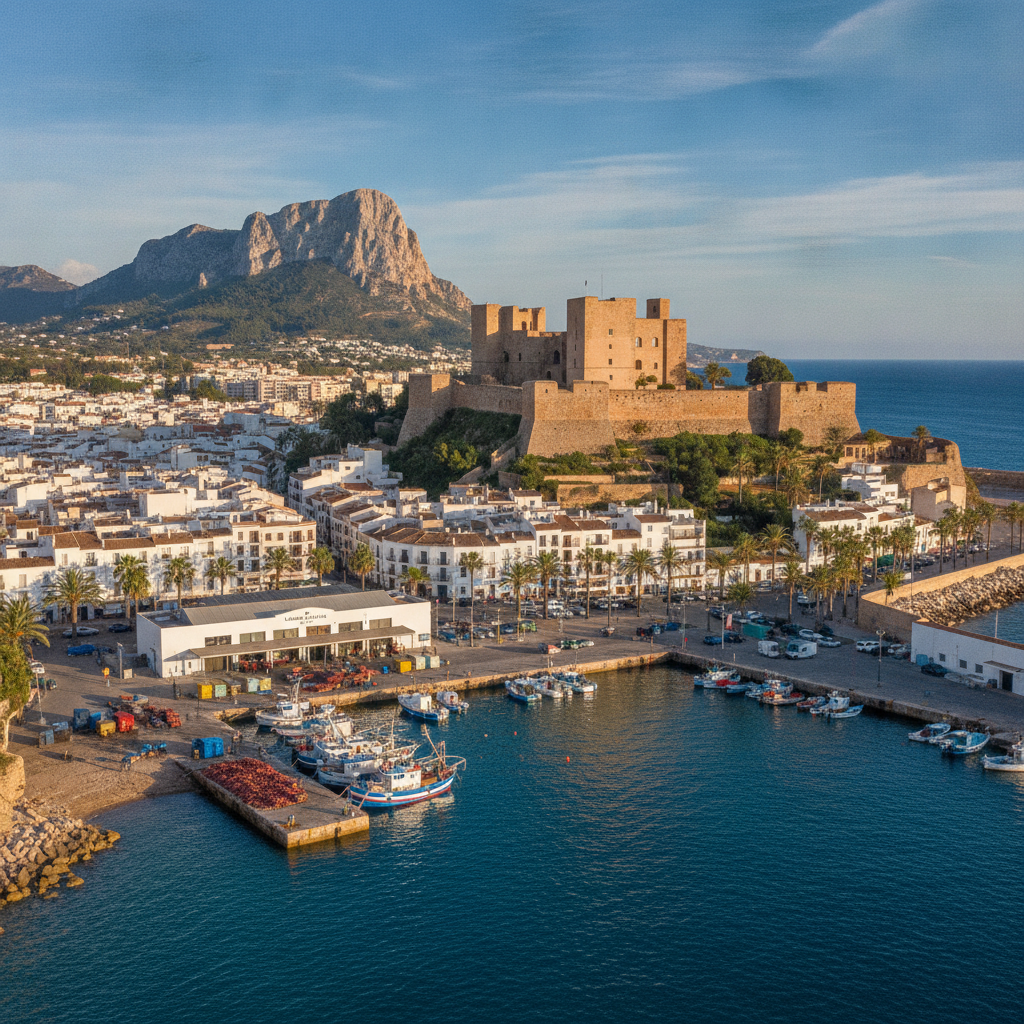
Costa Blanca Tagesausflug — Dénia, Altea & Alicante
The Costa Blanca ('White Coast' — the Mediterranean coastline of the Alicante province, 100-200 km south of Valencia) offers the most accessible day trip destinations from Valencia: Dénia (the castle town 100 km south — famous for the finest red prawns in Spain, the 'gambas rojas de Dénia'), Altea (the whitewashed hilltop village with the blue-domed church, 130 km south), and Alicante (the capital of the Costa Blanca province with the Castillo de Santa Bárbara, 170 km south).
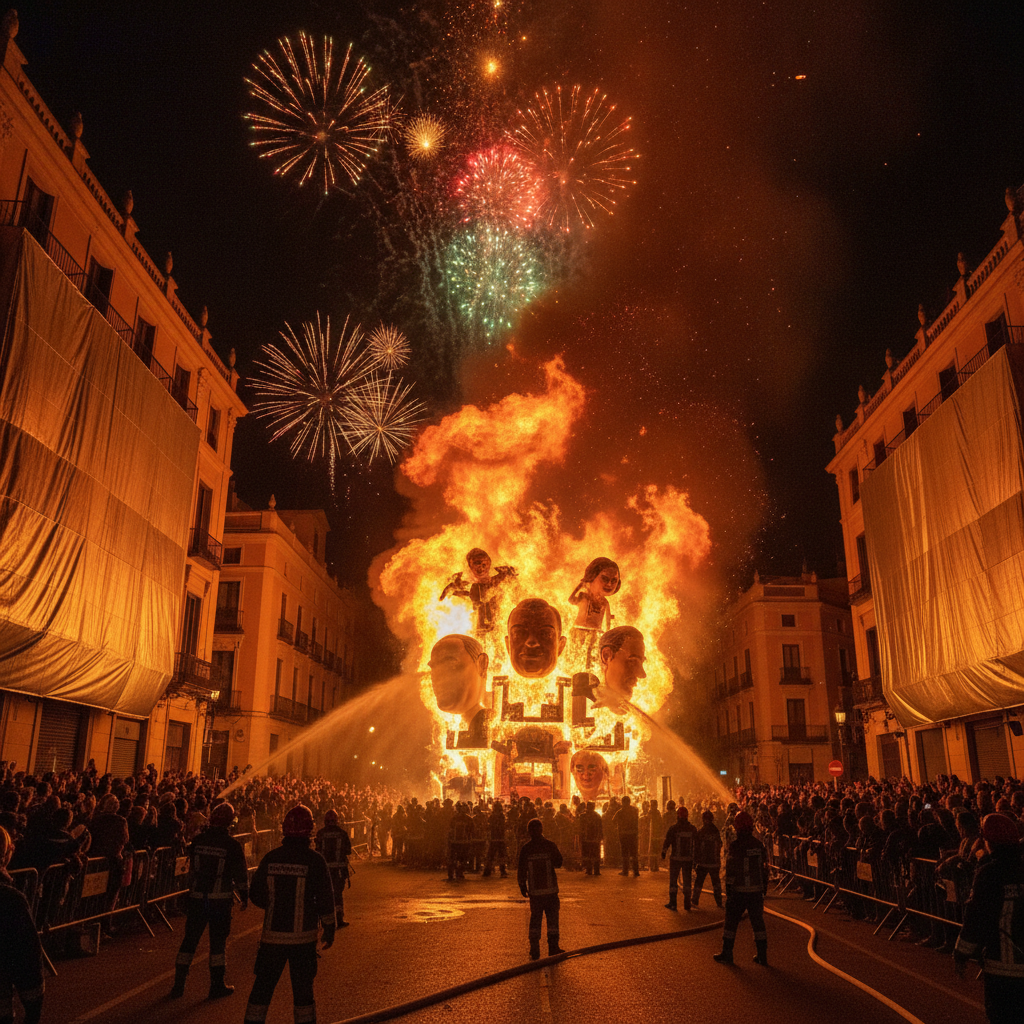
Las Fallas, Feuer & Valencias Spektakulärstes Festival
The Fallas (the 'Falles' in Valencian — the annual UNESCO Intangible Cultural Heritage festival of fire, art, satire, and pyrotechnics in Valencia, held March 1-19, culminating on the 'night of fire' (March 19) when hundreds of giant papier-mâché satirical monuments ('ninots') are simultaneously burned throughout the city) is the most spectacular fire festival in Europe and the defining expression of Valencian civic identity.
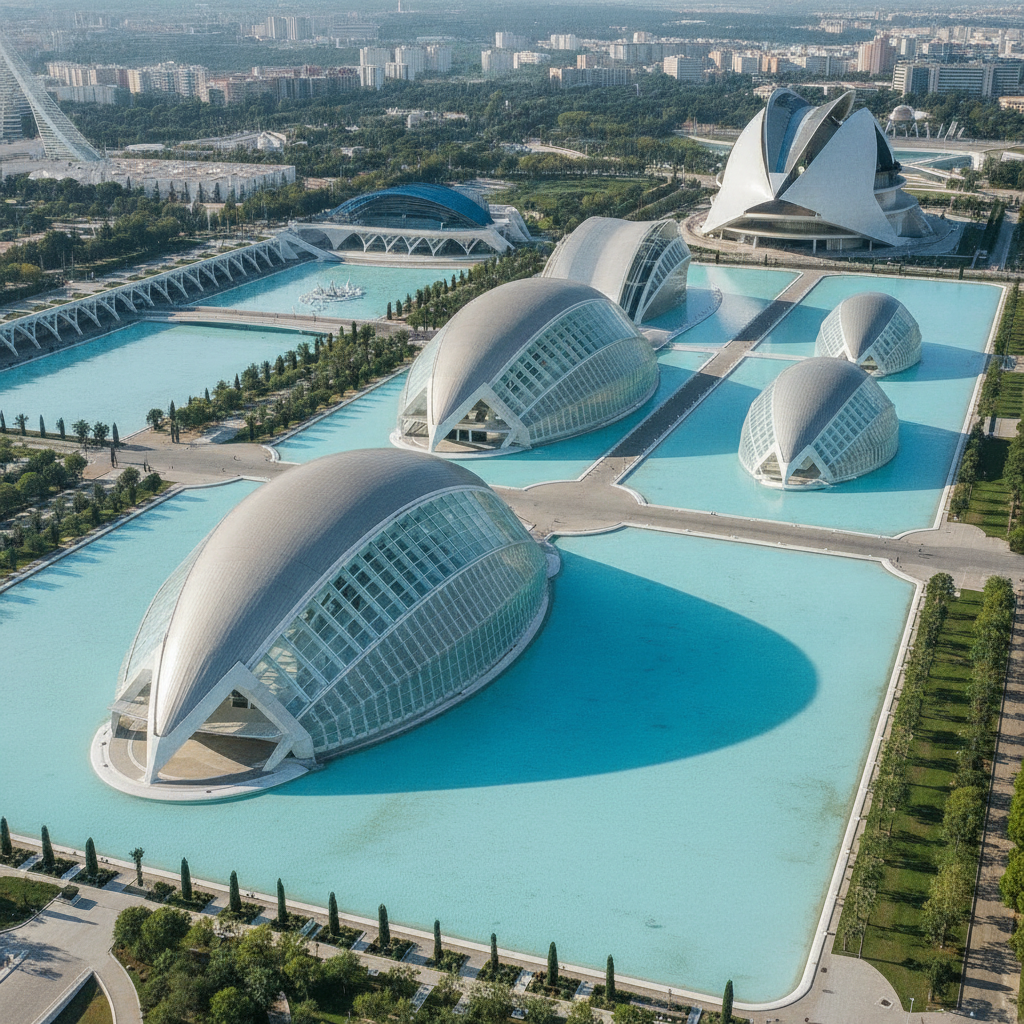
Stadt der Künste und Wissenschaften, Calatrava & Valencias Futuristische Vision
Die Ciutat de les Arts i les Ciències (die 'Stadt der Künste und Wissenschaften' — der Kulturkomplex im ehemaligen Turia-Flussbett in Valencia, entworfen von Santiago Calatrava und Félix Candela): L'Hemisfèric, das Museu de les Ciències, L'Oceanogràfic, der Palau de les Arts und L'Àgora — zusammen der spektakulärste zeitgenössische Architekturkomplex Spaniens.
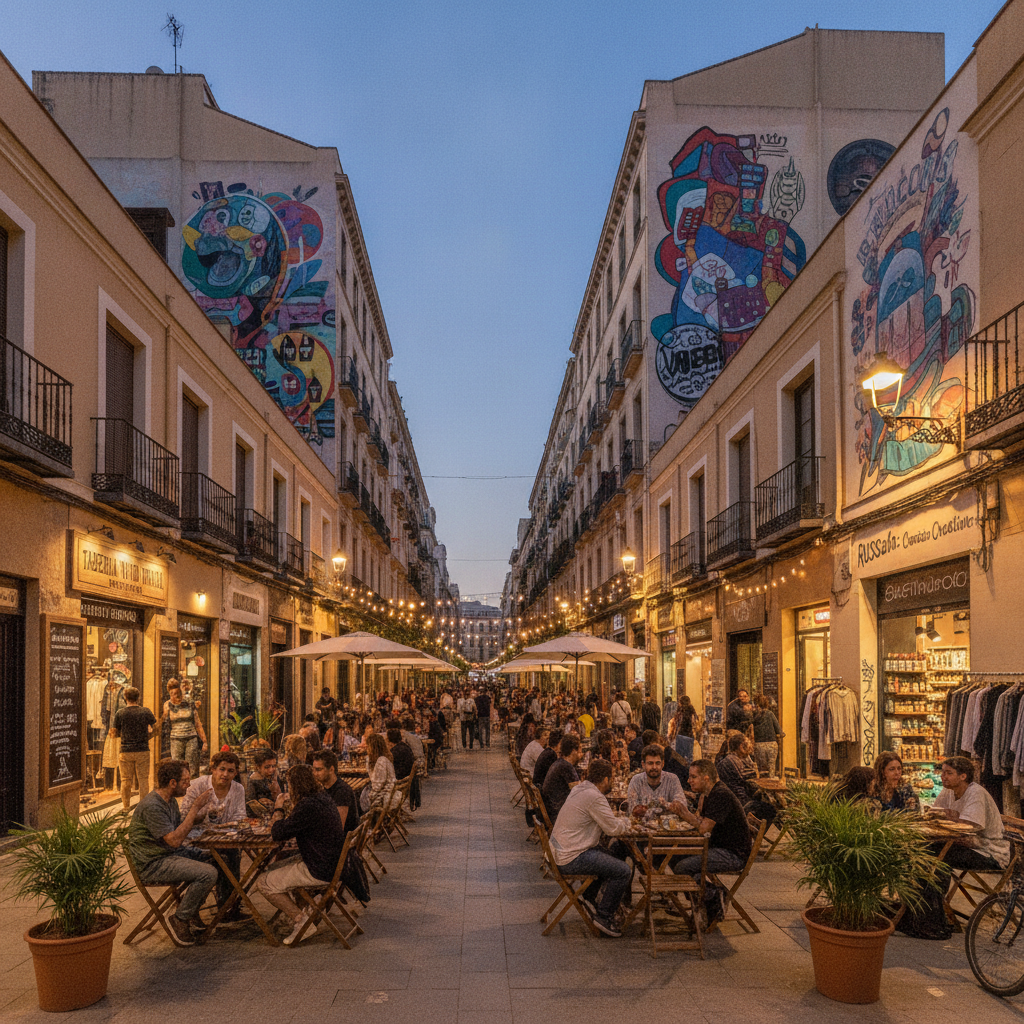
Ruzafa, Street Art & Valencias Böhmisches Kreativviertel
Ruzafa (das 'Russafa' auf Valencianisch — das angesagteste und kreativste Viertel Valencias, das Viertel südlich des historischen Zentrums Valencias, das sich in einem Jahrzehnt vom traditionellen Arbeiterviertel zum lebendigsten kreativen Hub Spaniens verwandelt hat.