Cusco: The Navel of the Inca World
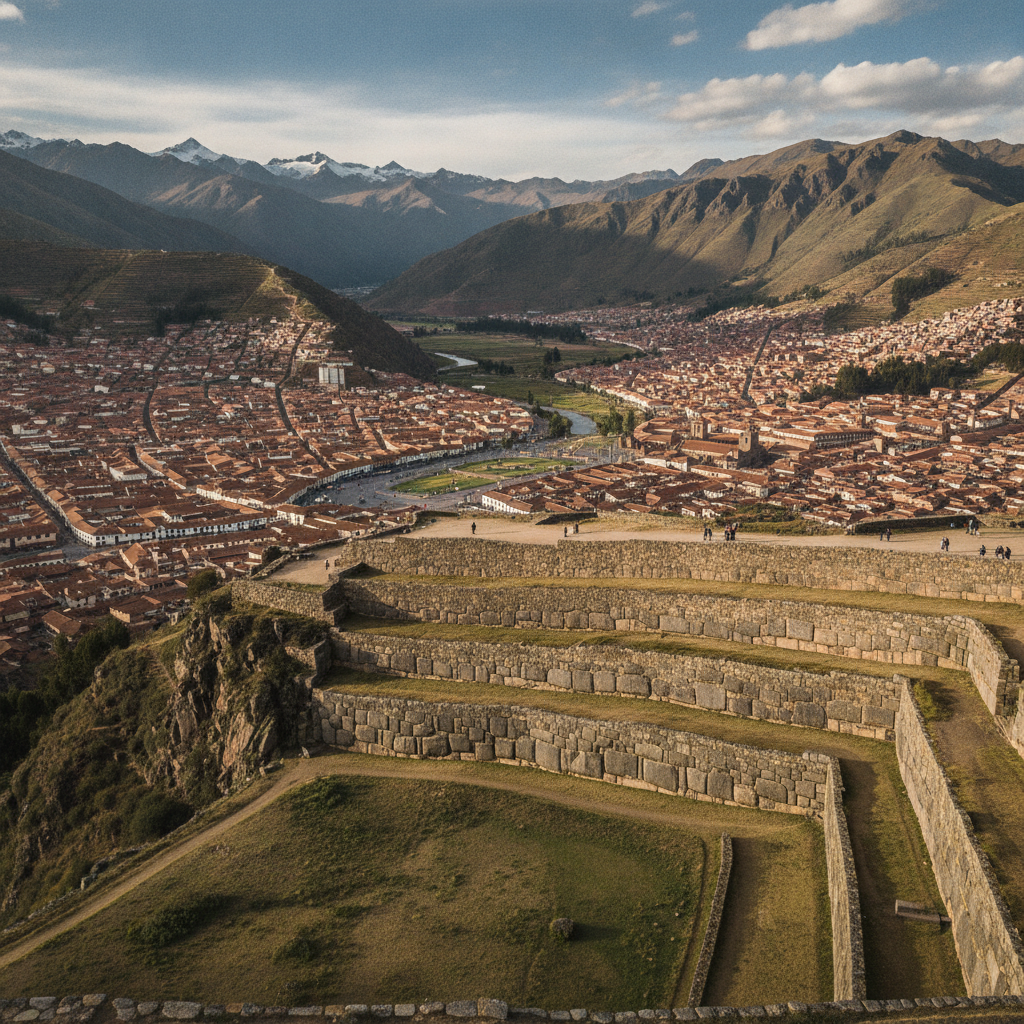
Cusco — the Qusqu, 'navel of the world' in Quechua — was the capital of the largest empire in pre-Columbian history; the Spanish built their colonial city directly on Inca stone foundations, creating a layered city of extraordinary historical depth
- 1
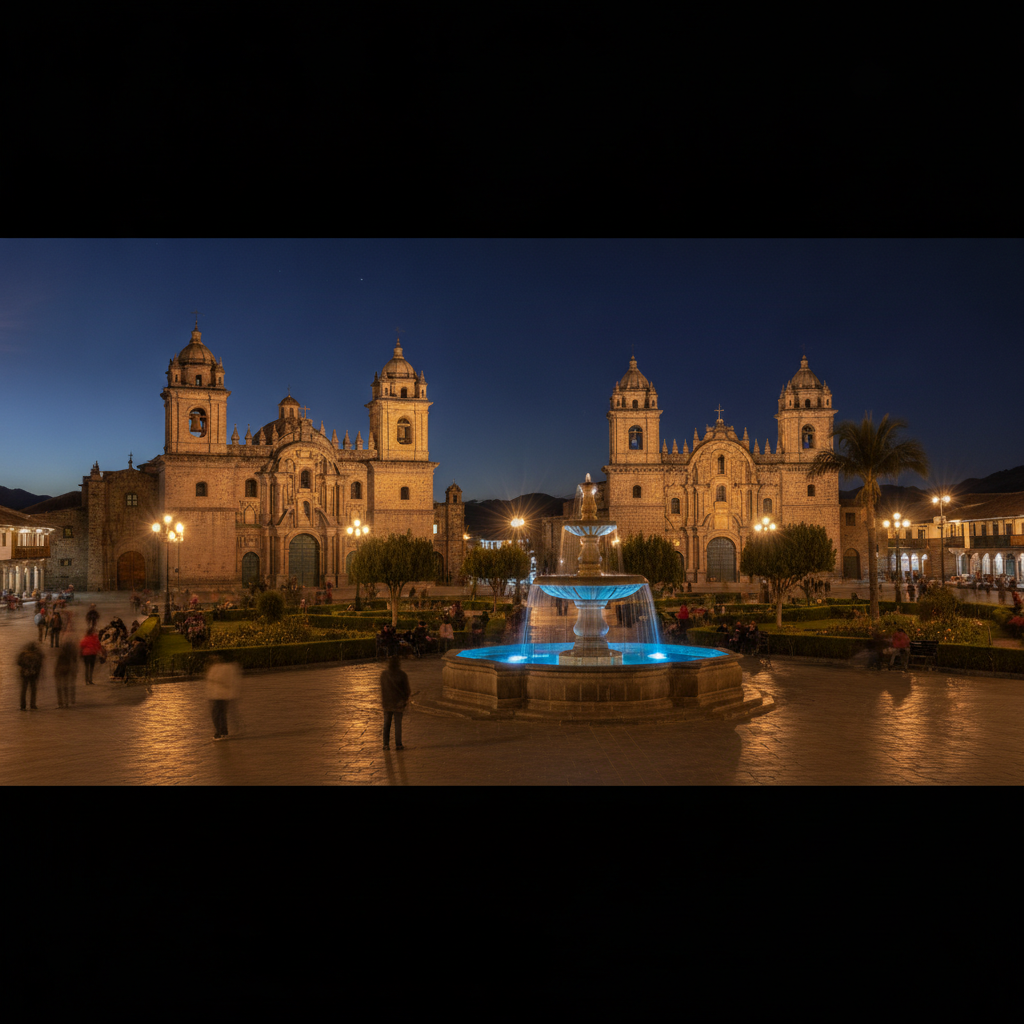
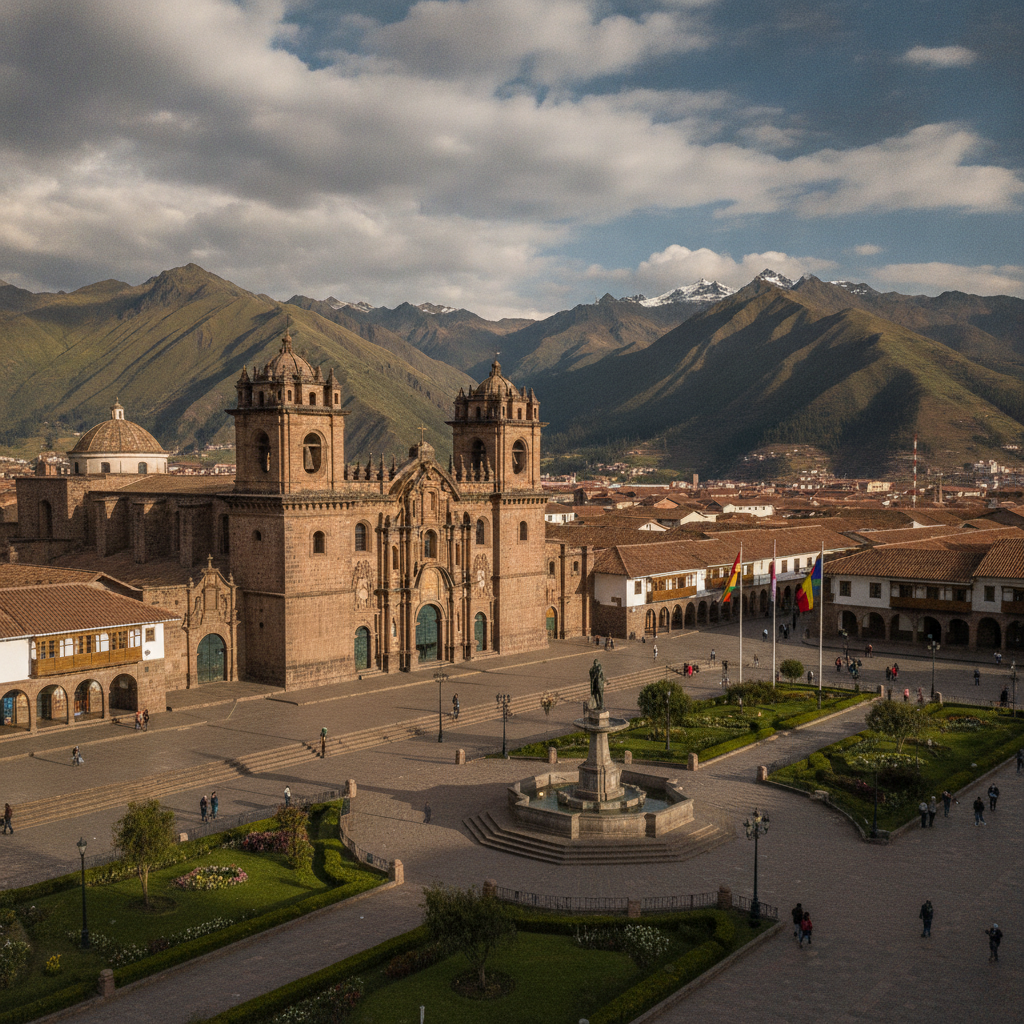
Plaza de Armas at Huacaypata
Plaza de Armas in Cusco occupies the site of Huacaypata - the great Inca square for public ceremonies; the colonial cathedral and La Compañía church facing each other across the square, both built on and with the Incas; the current form of the square is a palimpsest of two civilizations
- 2
Inca Stone Foundations
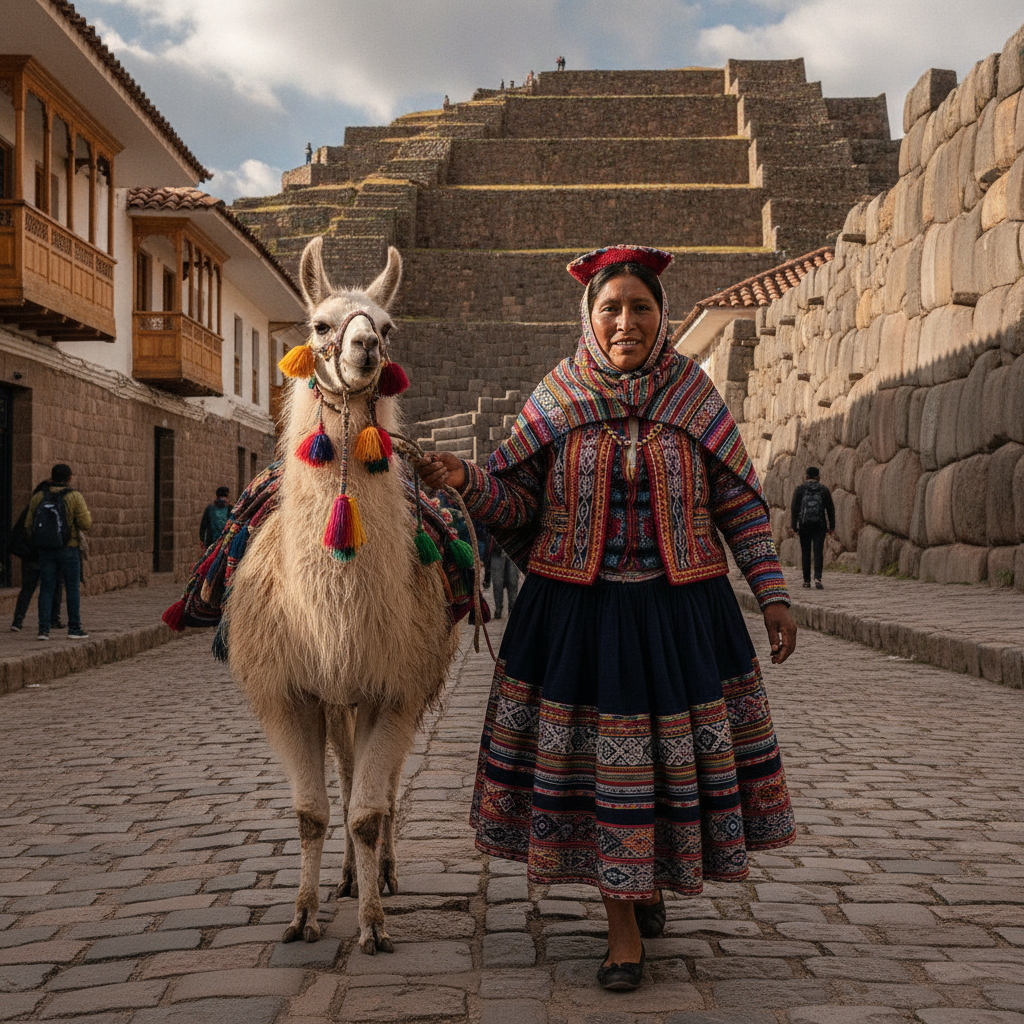
The colonial city of Cusco is built on incast foundations that are so precisely fitted that no mortar is used and no leaf can be inserted between the stones; The Inca stonework has survived major earthquakes (including 1650 and 1950) that brought down the Spanish colonial structures built on top
- 3
Coricancha — Temple of the Sun
The Coricancha (Temple of the Sun) – the holiest site in the Inca Empire, with its inner walls lined with gold – is now partly occupied by the Santo Domingo Monastery; the curved Inca stonework of the original temple base is visible around the colonial church
- 4
Qorikancha Astronomical Function
Coricancha served as the center of the Inca astronomical and calendar system; 41 ceque lines radiated from the temple to sacred sites (huacas) across the Cusco valley and the empire; the orientation of the temple tracked the solstices and equinoxes crucial to the agricultural calendar
- 5
Twelve-angled stone
The famous twelve-angled stone of Hatunrumiyoc Street - a single stone that fitted perfectly into the wall with twelve irregular angles - has become the symbol of Inca masonry; the stone originally formed part of Inca Roca's palace; thousands of visitors touch it daily for luck
- 6
Navel of the Empire
Cusco was the administrative, religious and symbolic center of the Tawantinsuyu (Inca Empire); the empire's four suyus (fourths)—Chinchaysuyu (north), Antisuyu (east), Qollasuyu (south), and Kuntisuyu (west)—met in Cusco; The Inca road network of 40,000 km connected all the districts to the capital
Walk this route with audio
Stories play automatically as you reach each stop — no tapping needed.
More in Cusco
Machu Picchu: The Lost City of the Inca
Cusco Practical Guide: Altitude, Getting There, Neighborhoods, and Costs

Cusco Beyond the Main Sites: Wari Ruins, Colca Canyon Connection, and the Amazon Approach
Cusco History: The Rise and Fall of the Inca Empire
Quechua Culture: The Living Legacy of the Inca