Quechua Culture: The Living Legacy of the Inca
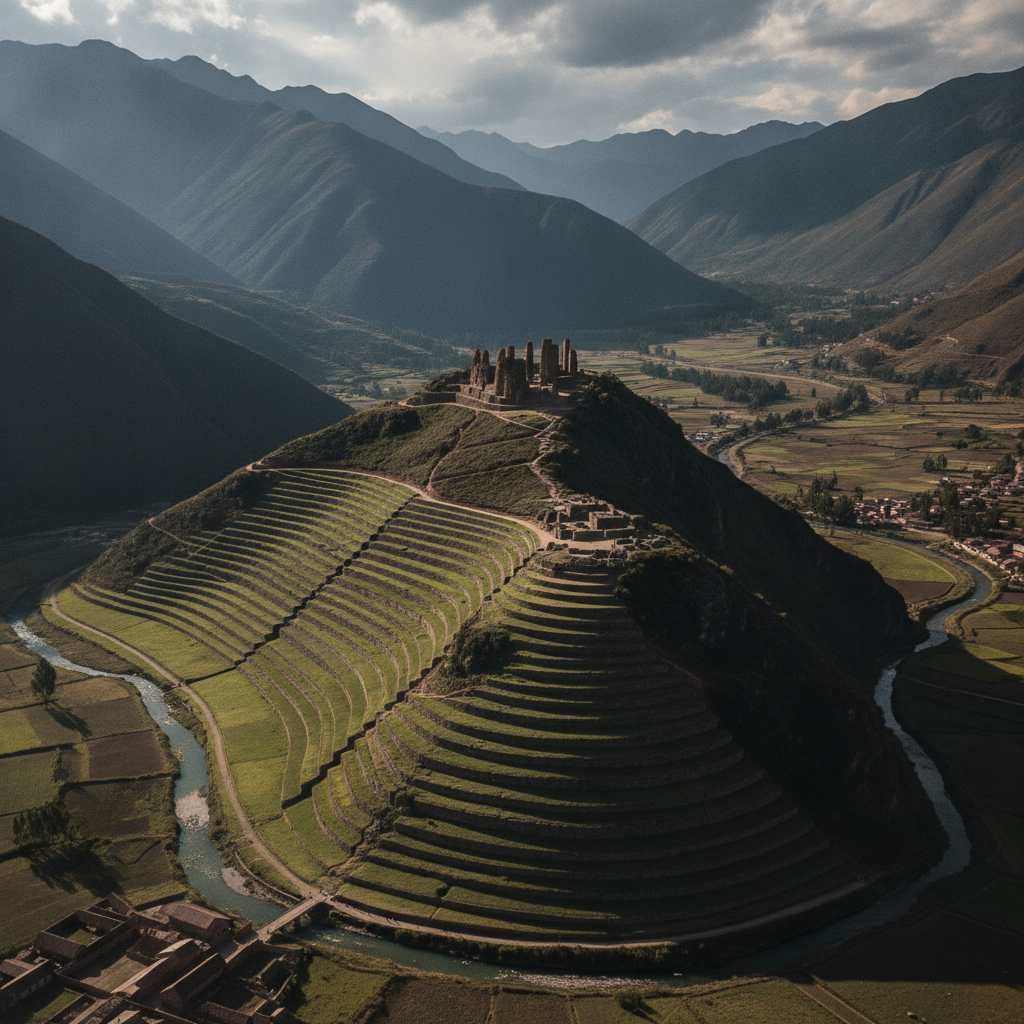
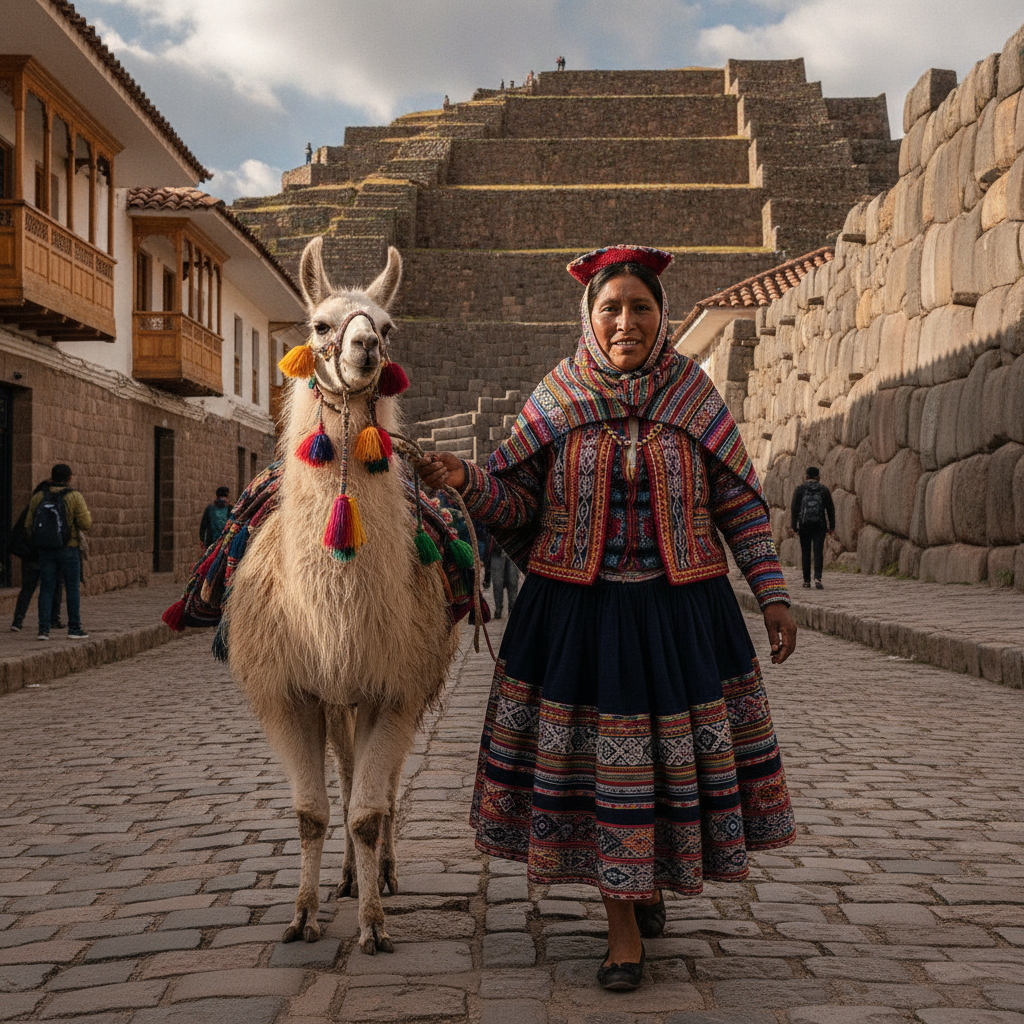
Cusco is the heartland of Quechua culture — the language, cosmology, textile art, agricultural knowledge, and social systems of the Inca's descendants are alive in the communities of the Sacred Valley and the city
- 1
Quechua Language
Quechua – the language of the Inca Empire – is spoken by about 8 million people in Peru, Bolivia and Ecuador; in the Cusco region, Quechua is the first language in rural communities; the Peruvian government has co-official status for Quechua; the language is experiencing a revival through schools and the media
- 2
Andean Cosmology
Andean cosmology—with its concepts of Pachamama (Mother Earth), Inti (the Sun God), and the Three Worlds (Hanan Pacha, Kay Pacha, Ukhu Pacha)—remains a living spiritual system in Cusco communities; The August 1 Pachamama ceremony (feeding the earth with sacrifices) is practiced across the Andes
- 3
Textile as communication
Quechua textiles are not decorative but communicative—the patterns encode information about community identity, social status, family lineage, and cosmological beliefs; the ability to read the meaning of textile motifs was a literacy parallel to the written language in Inca society
- 4
Andean Reciprocity (Ayni)
The Andean concept of ayni - mutual reciprocity, the obligation to give what you get - is the foundation of Andean social organization; ayni governs everything from the sharing of agricultural labor to community festivals to the relationship between people and Pachamama; the concept predates the Inca and exists today
- 5
Coca Leaf Tradition
The coca leaf is central to Andean culture - used in religious sacrifices (pagos), in divination, as a mild stimulant for altitude and fatigue, and as a social bond in gatherings; the reading of coca leaves (hojas de coca) by a pago (ritual specialist) is a diagnostic and divination practice still widely used in Cusco communities
- 6
Andean Food Sovereignty
The Cusco region has extraordinary agricultural biodiversity — more than 3,000 varieties of potatoes, 35 varieties of corn, and hundreds of varieties of quinoa and other Andean grains; the preservation of this genetic heritage of indigenous peoples is recognized as an important global resource
Walk this route with audio
Stories play automatically as you reach each stop — no tapping needed.
More in Cusco
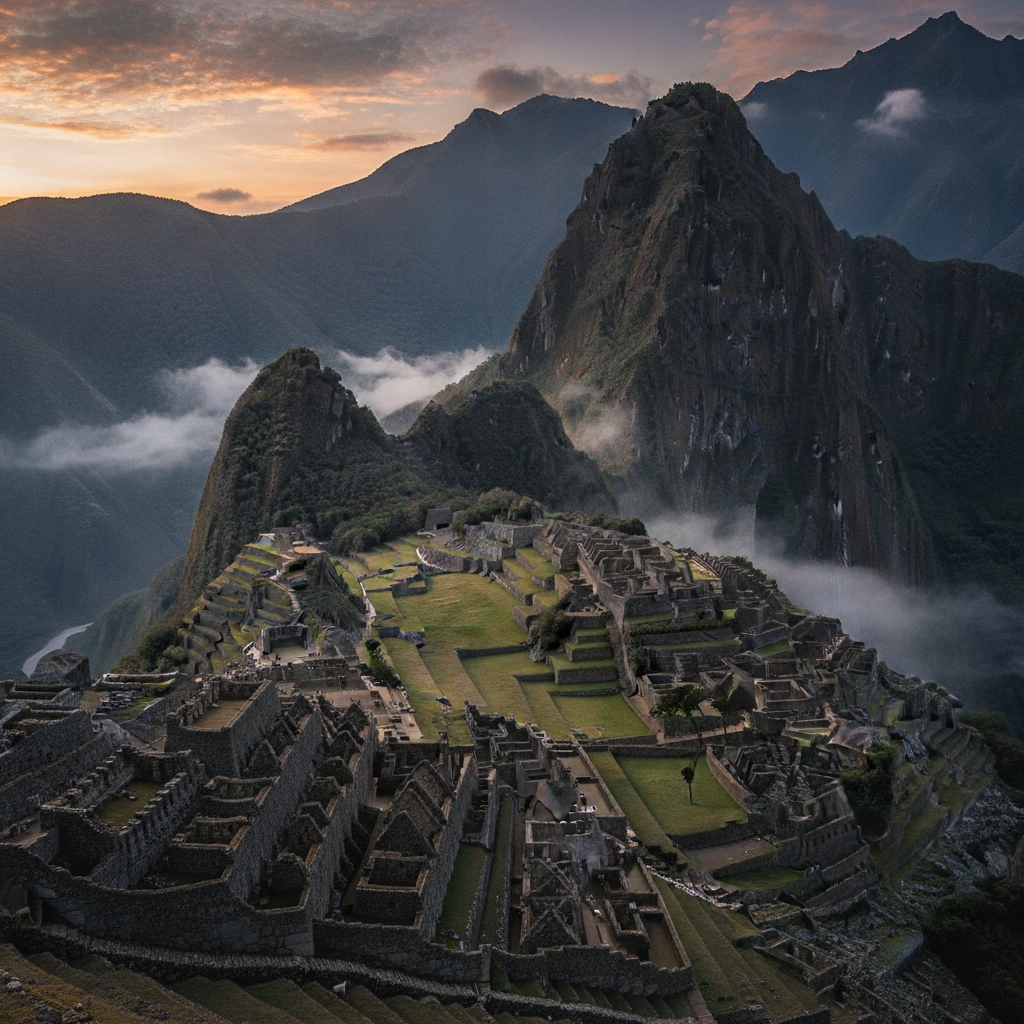
Machu Picchu: The Lost City of the Inca
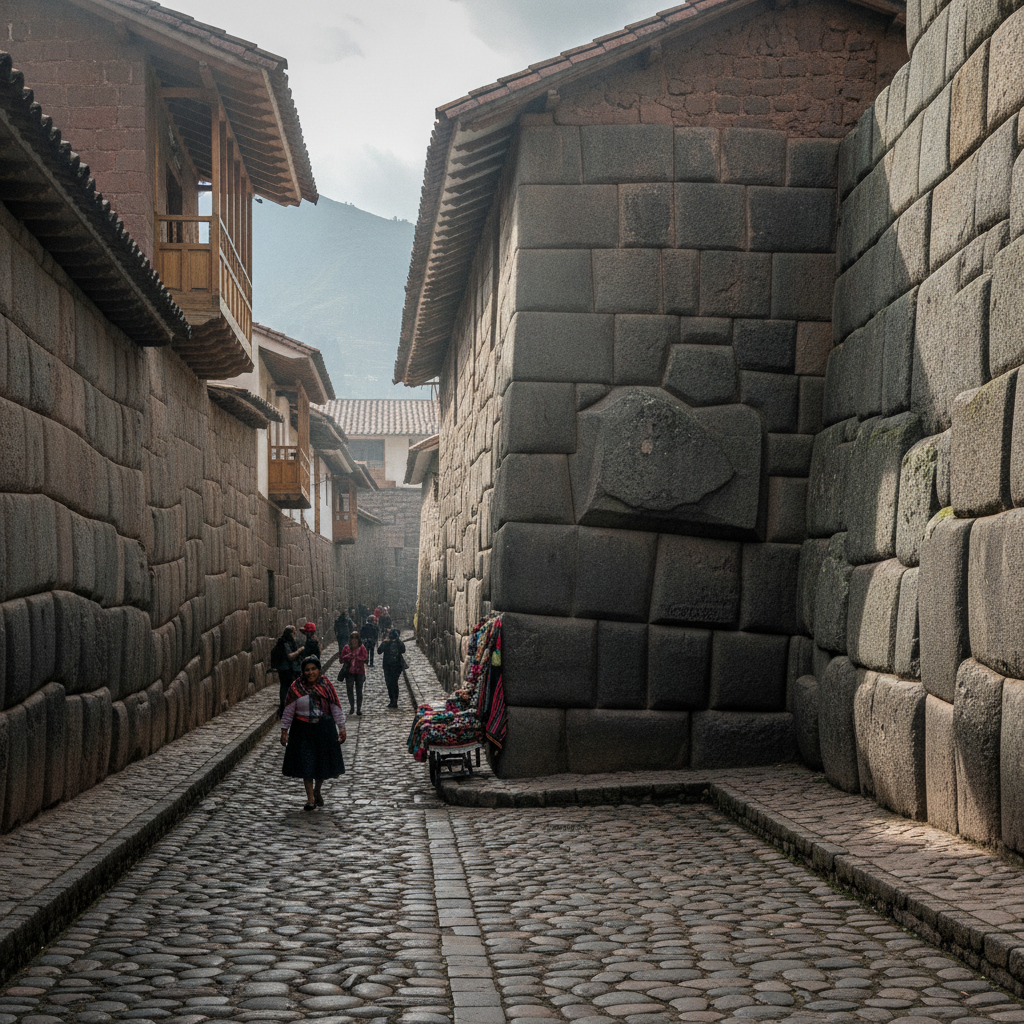
Cusco Practical Guide: Altitude, Getting There, Neighborhoods, and Costs

Cusco Beyond the Main Sites: Wari Ruins, Colca Canyon Connection, and the Amazon Approach
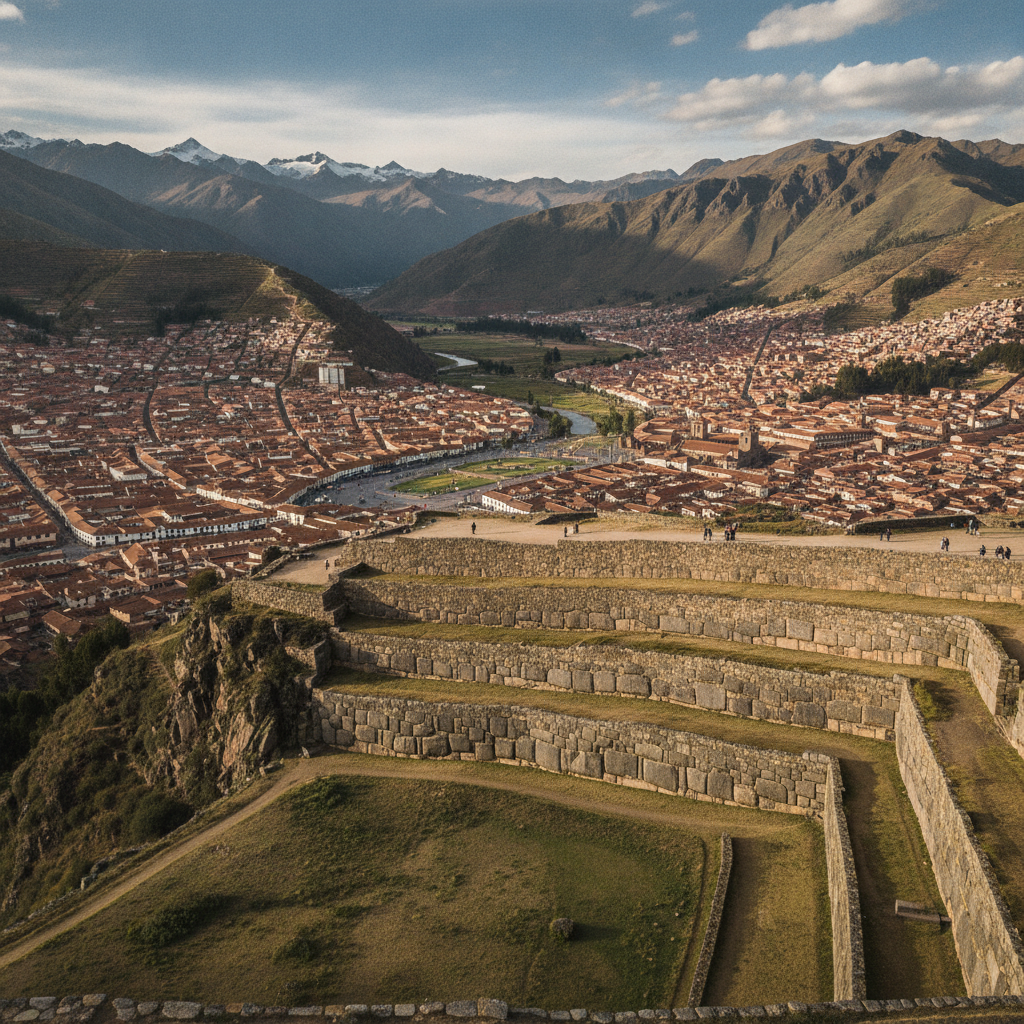
Cusco History: The Rise and Fall of the Inca Empire
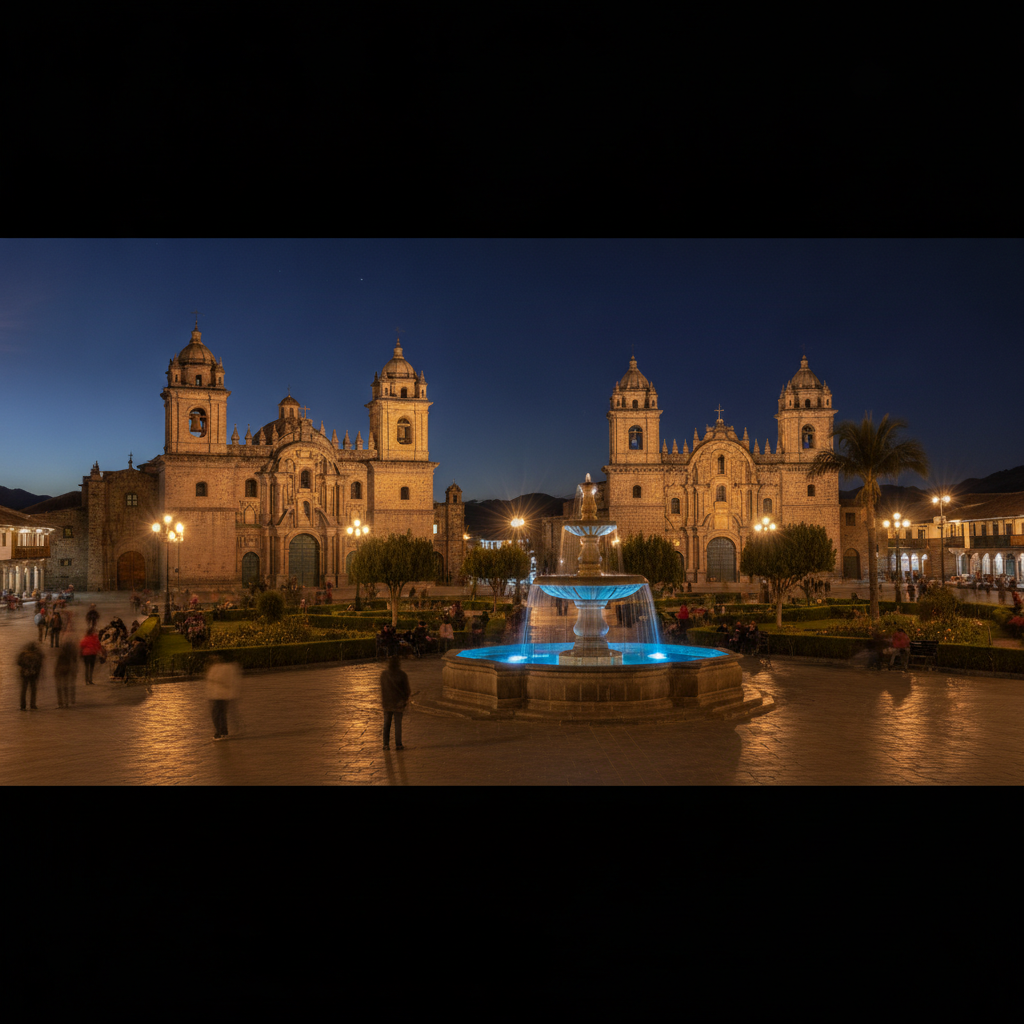
Cusco: The Navel of the World and Capital of the Inca Empire