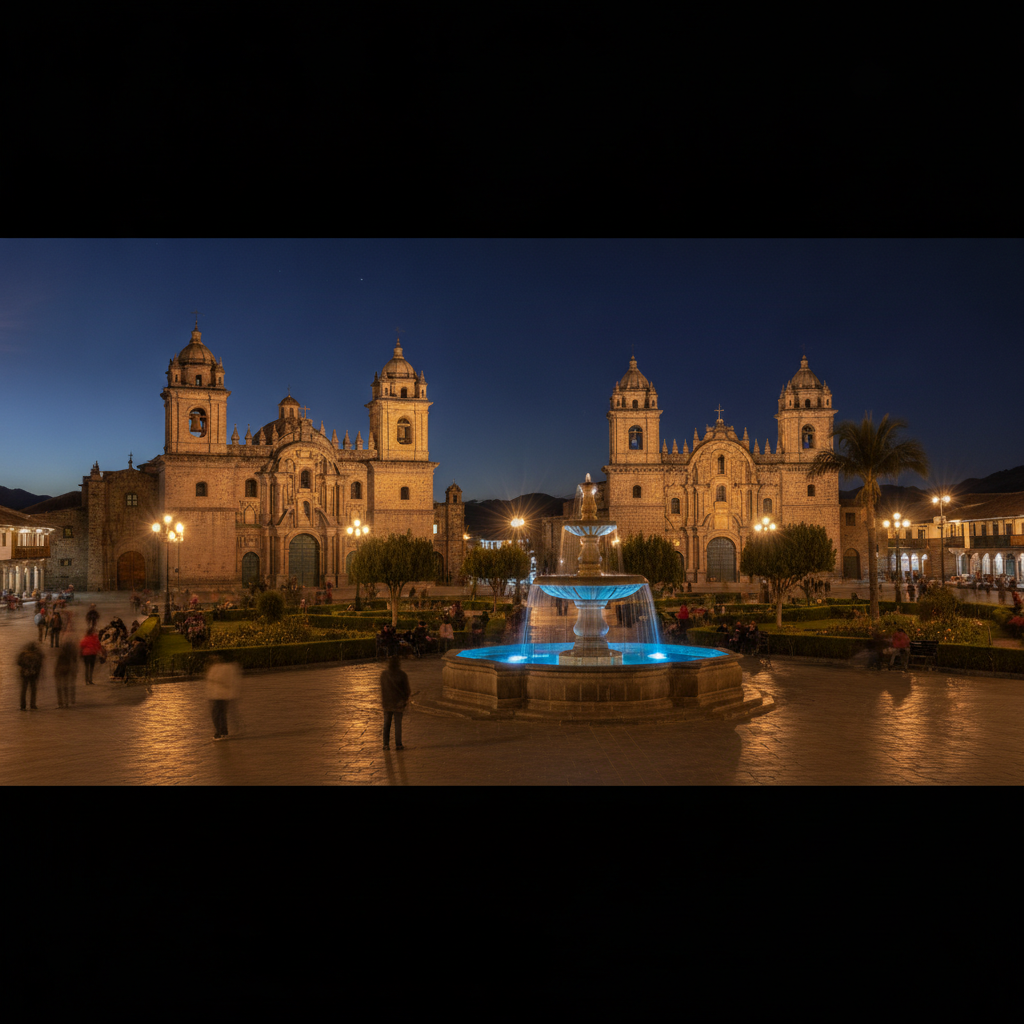
The Sacred Valley: Heart of the Inca Empire
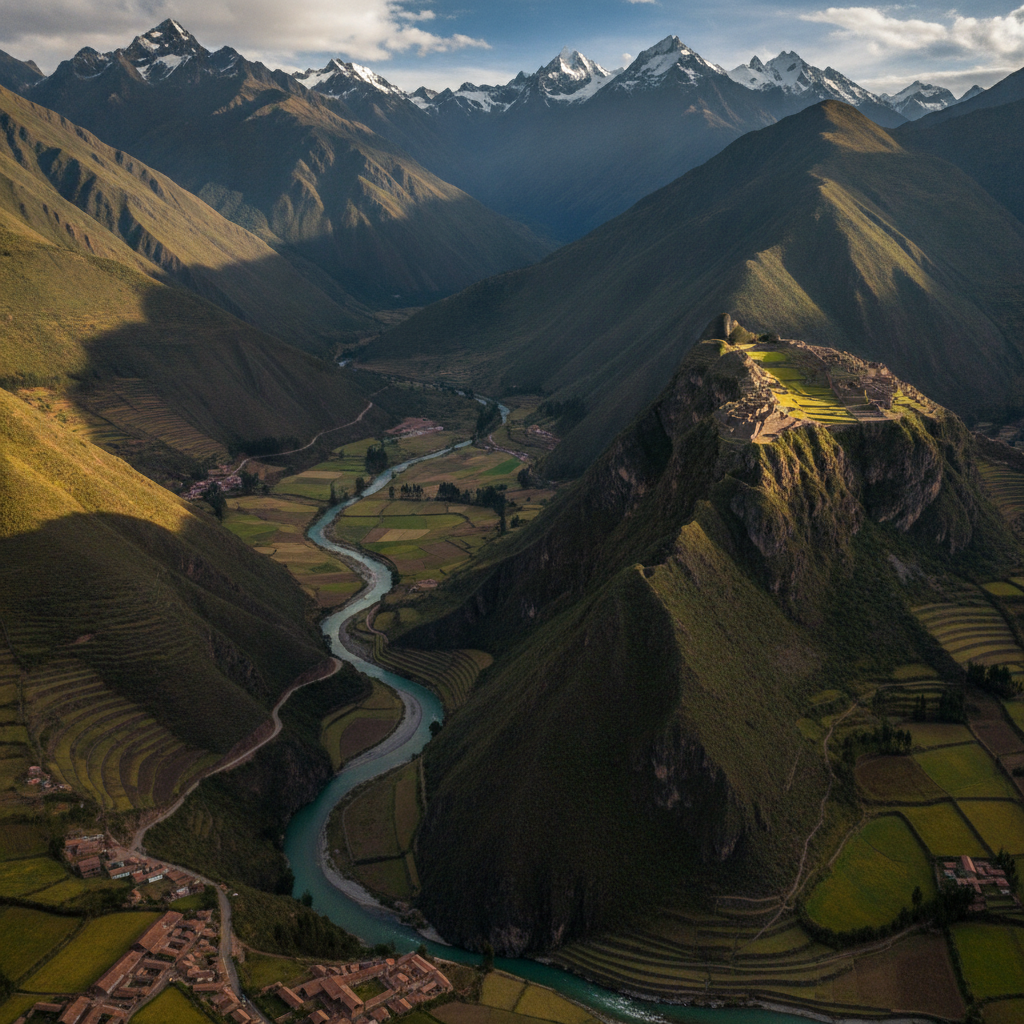
The Sacred Valley of the Incas — the Urubamba River valley between Cusco and Machu Picchu — was the agricultural heartland of the Inca empire; the valley's ruins (Pisac, Ollantaytambo, Moray), markets, and communities make it the most rewarding day-trip from Cusco
- 1
Pisac ruins and market
Pisac — 33 km from Cusco — has both a spectacular Inca citadel (perched on a mountain above the valley, with terraces, a solar observatory and a military fortress) and the Pisac Sunday Market (one of the most colorful traditional markets in Peru, selling textiles, ceramics and produce)
- 2
Ollantaytambo Fortress
Ollantaytambo - at the end of the Sacred Valley - is the best preserved Inca city in existence; the living Inca street grid, the massive unfinished Temple of the Sun and the terraced hillside fortress make it the most complete Inca city experience; the city was never fully conquered by the Spanish
- 3
Moray Agricultural Experiment
Moray - a set of concentric circular Inca terraces carved into a natural depression - was almost certainly an agricultural research station; the different depths of the circular levels create microclimates that vary by up to 15°C, allowing the Inca to experiment with crops at different altitudes and temperatures
- 4
Maras salt pans
The Salineras de Maras - more than 3,000 individual salt pans carved into a hillside above the Sacred Valley, fed by a natural salt spring - have been operated by Andean communities since before the Inca conquest; the pink-white salt pans on the steep slope create an extraordinary industrial-natural landscape
- 5
Sacred Valley Agriculture
The Sacred Valley's lower elevation (2,800 m versus Cusco's 3,400 m) and its fertile floor made it the breadbasket of the Inca Empire; the valley floor and terraced slopes produced corn (a high-status Inca crop), coca, and potatoes; the agricultural landscape is still productive today
- 6
Chinchero Weaving Tradition
Chinchero – the “birthplace of the rainbow” in Andean mythology – is a village above the Sacred Valley known for its vibrant Inca weaving tradition; the women's cooperative shows the entire process from raw alpaca wool to finished textile with natural dyes; the colonial church is located directly on the Inca grounds
Walk this route with audio
Stories play automatically as you reach each stop — no tapping needed.
More in Cusco
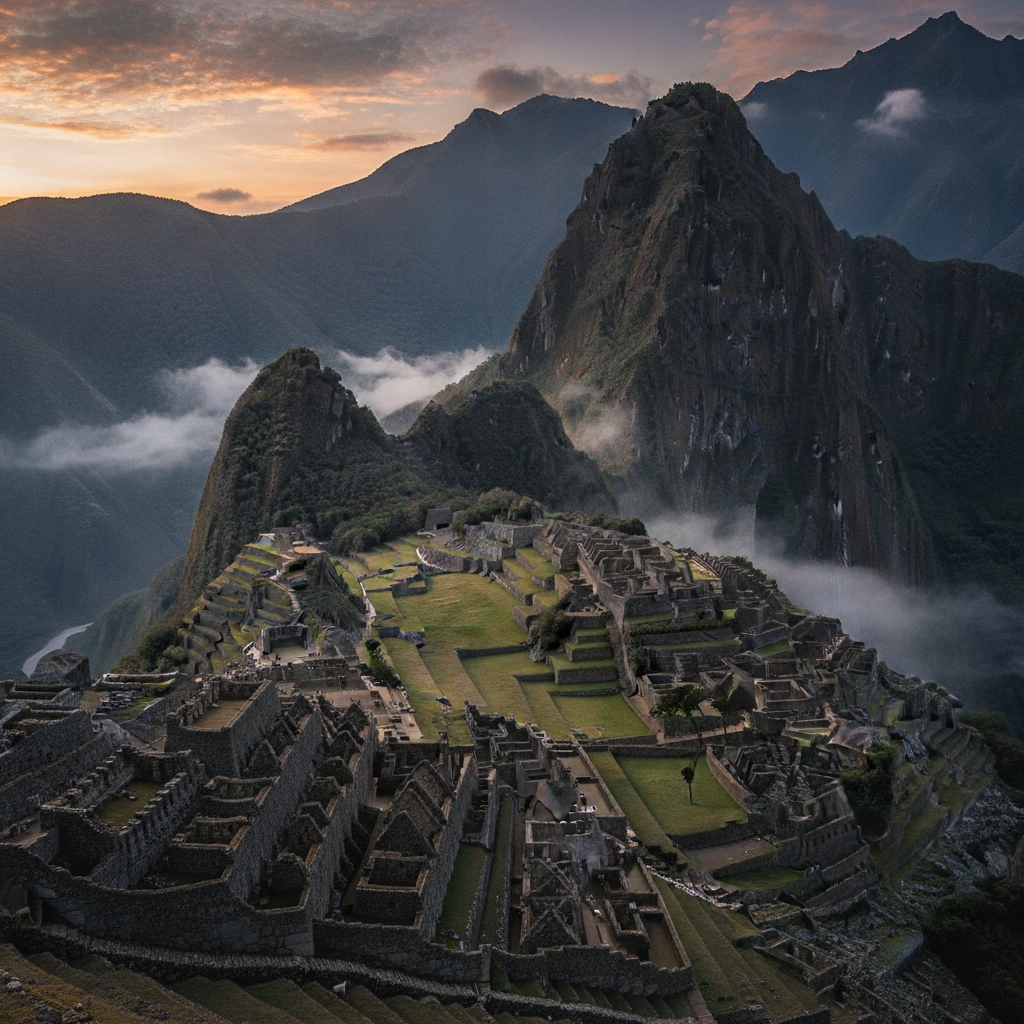
Machu Picchu: The Lost City of the Inca
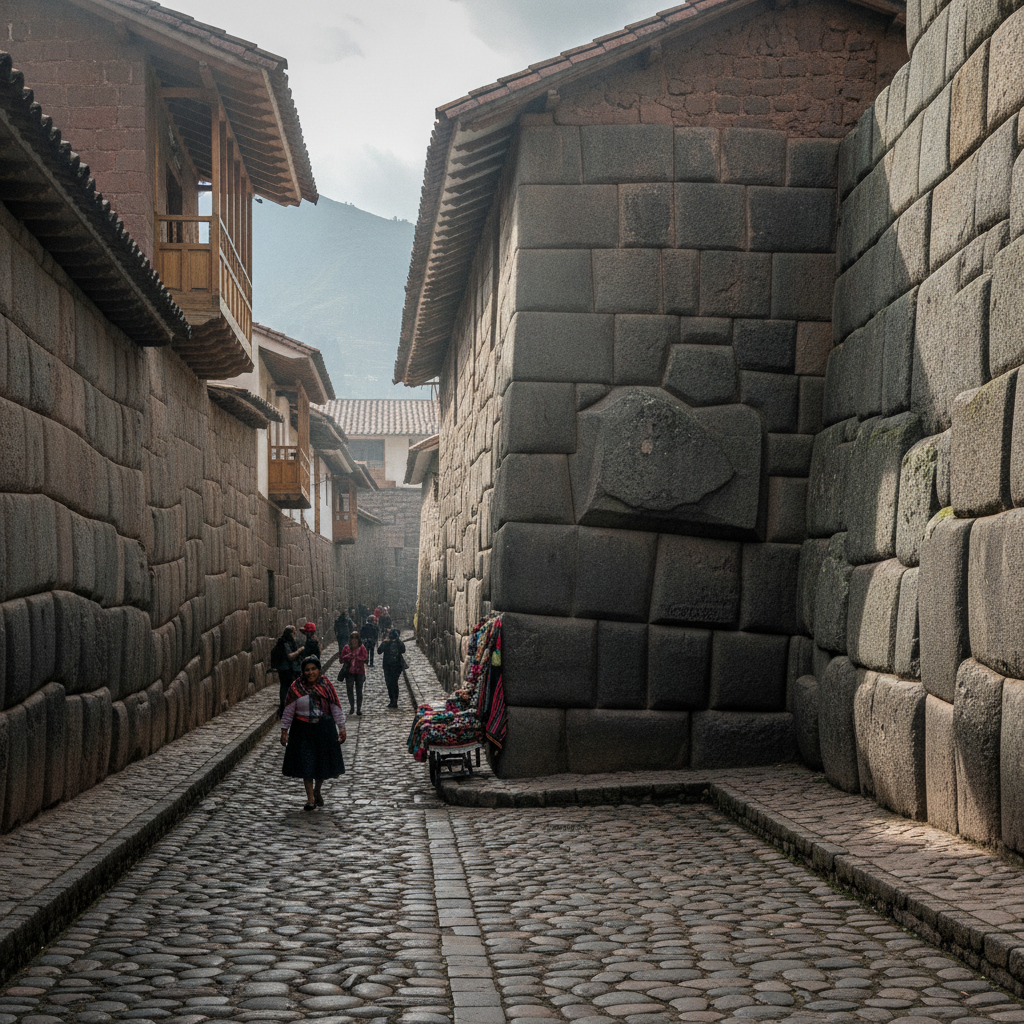
Cusco Practical Guide: Altitude, Getting There, Neighborhoods, and Costs

Cusco Beyond the Main Sites: Wari Ruins, Colca Canyon Connection, and the Amazon Approach
Cusco History: The Rise and Fall of the Inca Empire
Quechua Culture: The Living Legacy of the Inca