Sacsayhuamán: The Inca Fortress Above Cusco
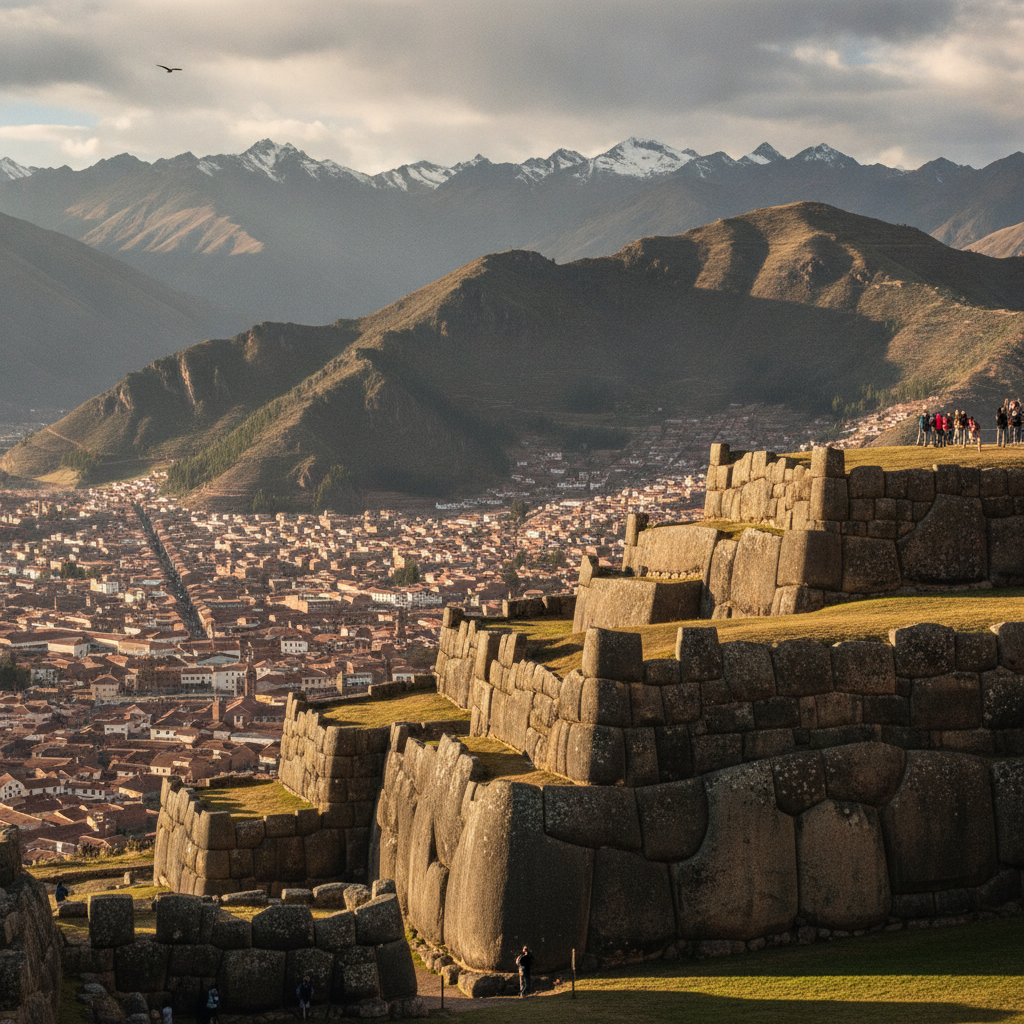
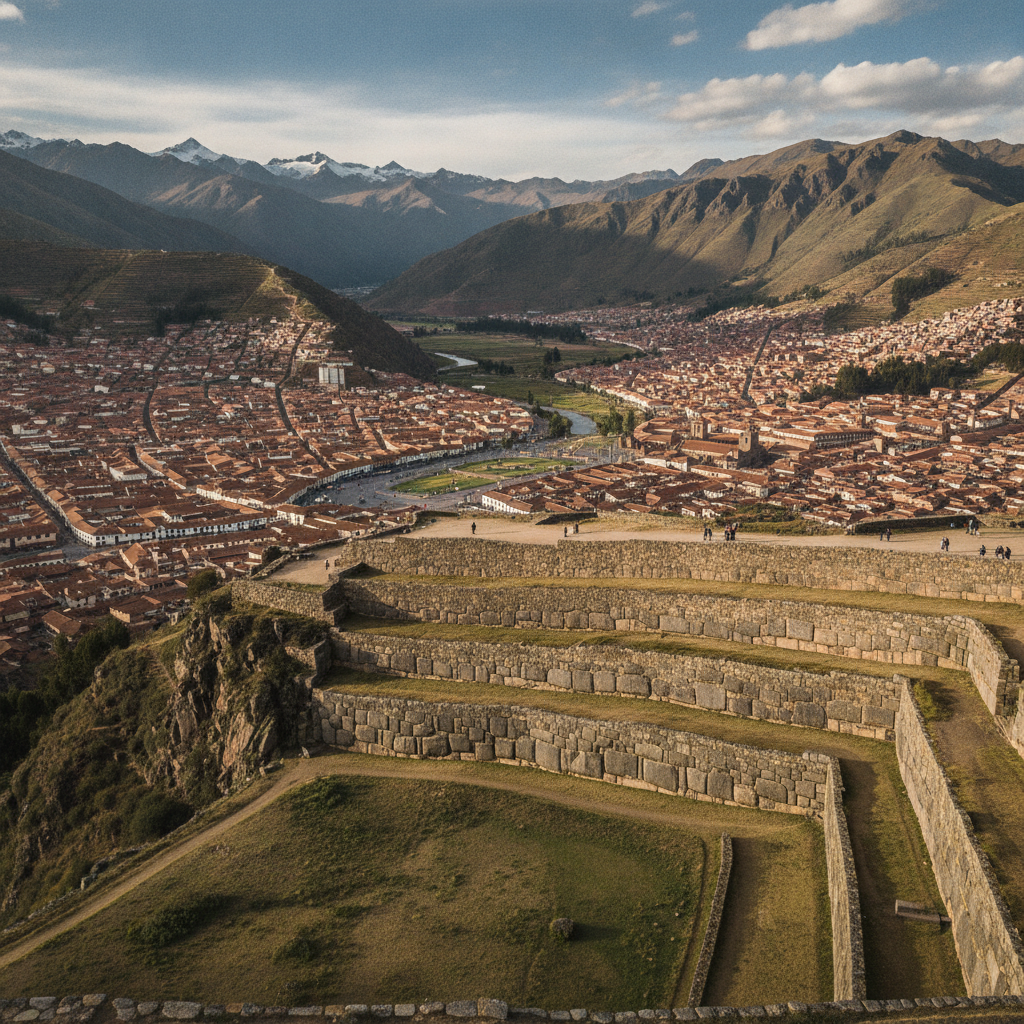
Sacsayhuamán — the massive Inca fortress-temple complex above Cusco — is one of the world's most impressive ancient engineering achievements; the three zigzag terraces of perfectly fitted stone (some blocks weighing 300 tonnes) were built without metal tools or the wheel
- 1
Massive boulders
The largest boulders at Sacsayhuamán weigh about 300 tons; the stones were quarried in Huaccoto and Rumiqolqa (up to 35 km away) and transported without wheels or metal tools; the logistics of moving 300-ton stones up steep Andean slopes are still the subject of archaeological debate
- 2
Zig Zag Defense Walls
The three zigzag terraced walls of Sacsayhuamán - each terrace wall up to 9 meters high - create a defensive system that prevented direct attack; the zigzag plan meant that defenders could attack attackers from three sides simultaneously; the military technology is considered comparable to any medieval European fortress
- 3
Inti Raymi Festival
Every June 24 – the winter solstice in the southern hemisphere – the Inti Raymi (Festival of the Sun) is celebrated in Sacsayhuamán; the ceremony, which re-establishes the Inca solar ritual (banned by the Spanish in 1572 and revived in 1944), draws thousands of performers and spectators to the fortress
- 4
Battle of Sacsayhuaman
In 1536, the Inca general Manco Inca launched the Great Revolt against the Spanish from Sacsayhuamán - besieging the Spanish garrison in Cusco for months; the fortress was eventually retaken by the Spanish after intense fighting; the 1536 battle is a defining moment in the Spanish conquest of Peru
- 5
Construction Labor System
Sacsayhuamán was built using the mit'a labor system – the Inca system of compulsory state service where all subjects owed the state work; an estimated 20,000 workers were involved in the construction; the stones were moved by human labor, wooden sleds, ropes and earthen ramps
- 6
View of Cusco
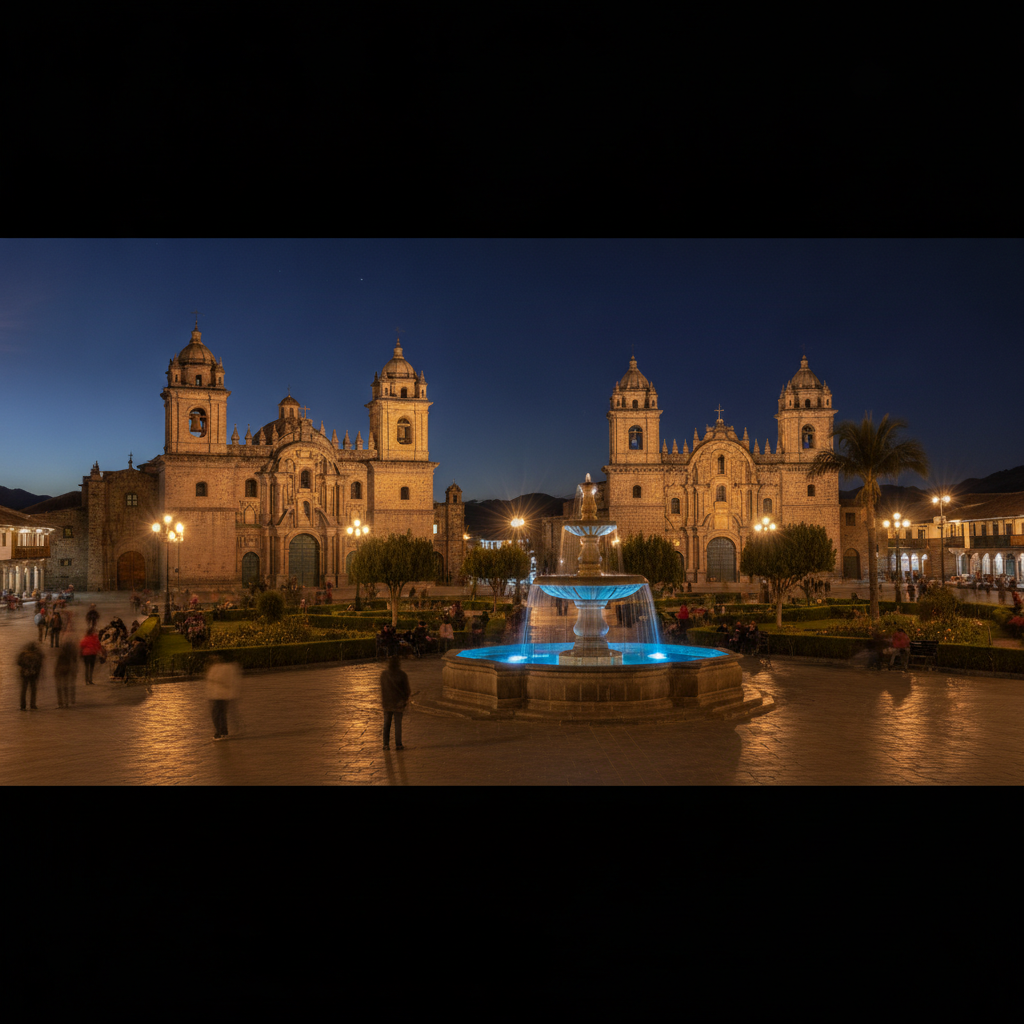
Sacsayhuamán's terraces provide the finest panoramic views of Cusco and the surrounding Sacred Valley; the view includes the Plaza de Armas, the cathedral, the red-tiled roofs of the colonial city and the snow-capped peaks of the surrounding Andes
Walk this route with audio
Stories play automatically as you reach each stop — no tapping needed.
More in Cusco
Machu Picchu: The Lost City of the Inca
Cusco Practical Guide: Altitude, Getting There, Neighborhoods, and Costs

Cusco Beyond the Main Sites: Wari Ruins, Colca Canyon Connection, and the Amazon Approach
Cusco History: The Rise and Fall of the Inca Empire
Quechua Culture: The Living Legacy of the Inca